Allen Bradley PLC

  1. Home
  2. Products
  3. Allen Bradley PLC
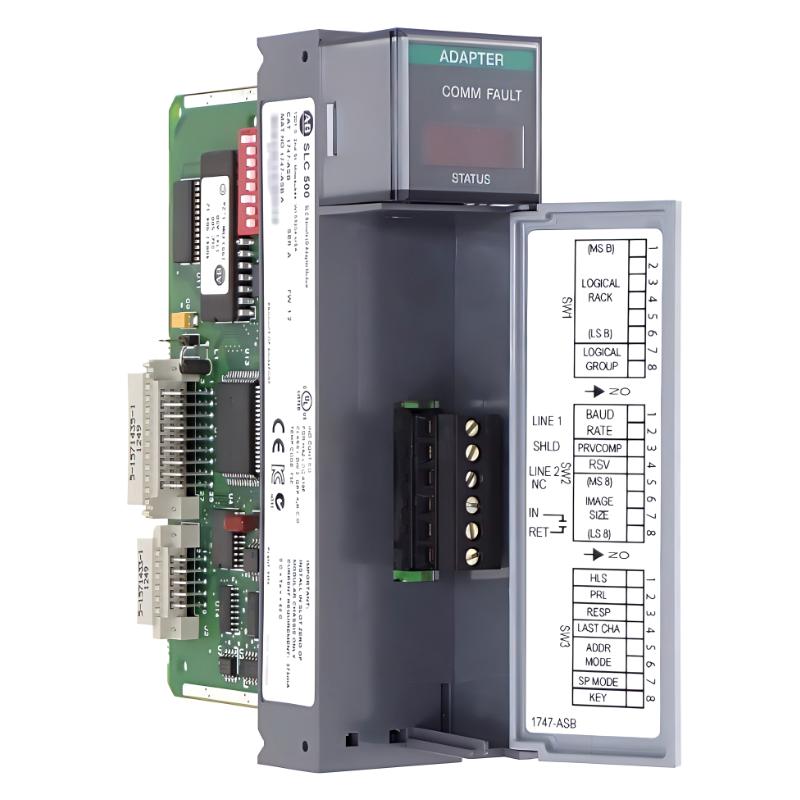
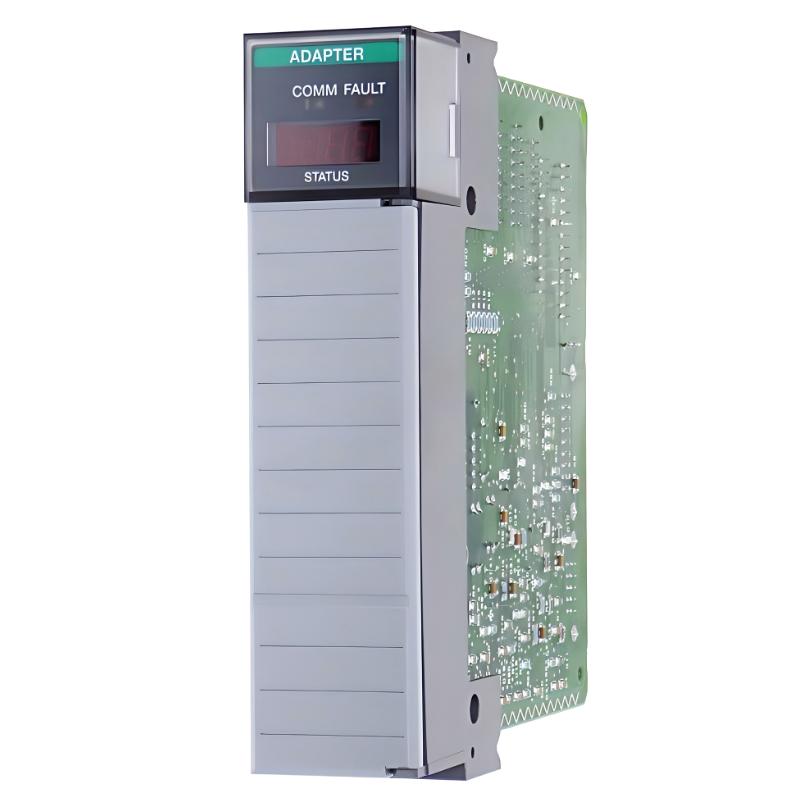
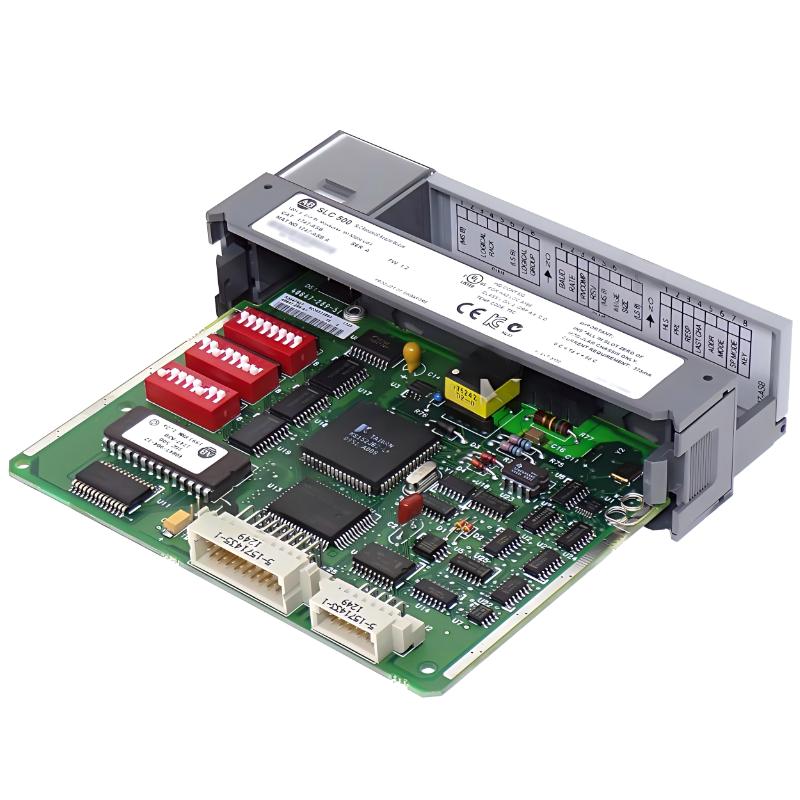
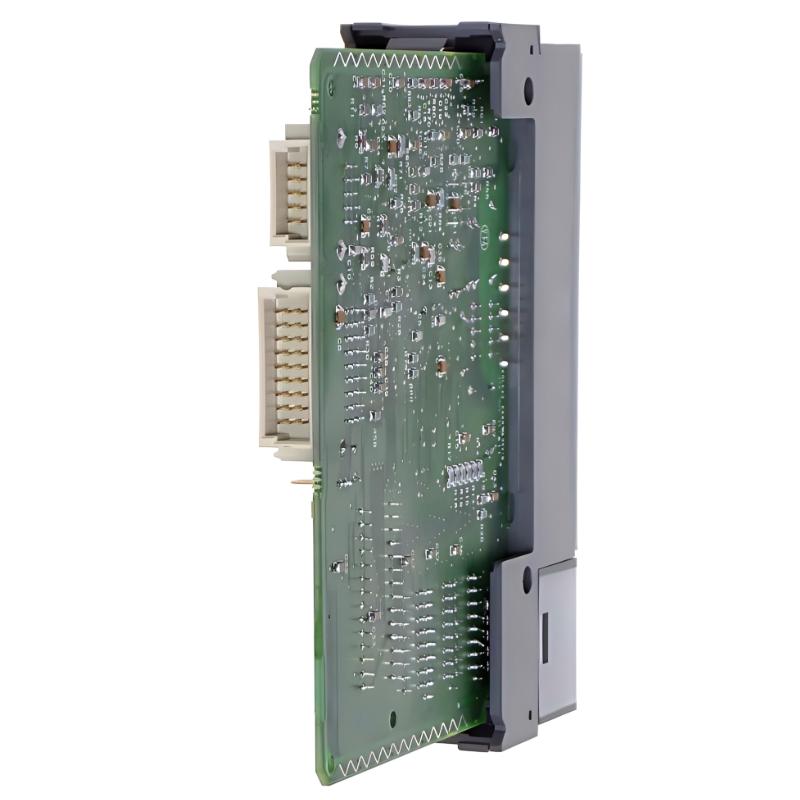
  4. Allen Bradley 1747-ASB/A SLC 500 Remote I/O Adapter Module
Allen Bradley 1747-ASB/A SLC 500 Remote I/O Adapter Module

Allen Bradley 1747-ASB/A SLC 500 Remote I/O Adapter Module

0.0
Points

Brand:Allen Bradley PLC
Item No.:1747-ASB/A
Product Origin:USA
Product Dimensions:144.5 × 34.6 × 130.18 mm
Product Weight:0.181 kg
Payment:T/T, Western Union, Credit Card
Goods_stock:15
Shipping Port:Xiamen, China
Lead Time:1-3 Days
Condition:Brand New And Original
Warranty:1 Year
Certificate:COO

Add to cart


Introduction

The Allen Bradley 1747-ASB/A SLC 500 Remote I/O Adapter Module provides a flexible and reliable solution for expanding SLC 500 systems. By connecting remote I/O racks to the main controller, it allows industrial automation systems to scale efficiently without sacrificing communication speed or system stability. Compact, durable, and fully compatible with SLC 500 controllers, the 1747-ASB/A ensures robust distributed control in industrial environments.


Technical Specifications

ParameterSpecification
Module TypeRemote I/O Adapter Module
Model Number1747-ASB/A
Dimensions144.5 × 34.6 × 130.18 mm
Weight0.181 kg / 0.40 lb
FunctionalityConnects remote I/O racks to SLC 500 controllers
CompatibilityAllen Bradley SLC 500 controllers and I/O modules
Communication ProtocolSLC 500 Remote I/O protocol
Operating EnvironmentIndustrial automation systems
DurabilityResistant to vibration, EMI/RFI, and temperature extremes
InstallationPanel-mounted, plug-and-play
Application ScopeDistributed I/O expansion, manufacturing automation, process control


Applications

The Allen Bradley 1747-ASB/A is a Remote I/O Adapter Module designed to expand SLC 500 systems by connecting remote I/O racks to the main controller. It is ideal for distributed industrial automation applications, including large manufacturing plants, process control systems, and remote monitoring setups where centralized control needs to extend across multiple locations.


Advantages

  • Seamless Remote Expansion: Connects distant I/O racks without compromising system performance.
  • Compact and Lightweight: 144.5 × 34.6 × 130.18 mm, 0.181 kg, perfect for space-constrained panels.
  • Reliable Data Communication: Ensures robust signal transmission between controller and remote modules.
  • Flexible Deployment: Supports multiple remote I/O racks for scalable system architecture.
  • Industrial-Grade Durability: Resistant to vibration, electrical noise, and temperature variations.
  • Plug-and-Play Installation: Simplifies setup with minimal configuration.
  • Optimized for SLC 500 Systems: Fully compatible with SLC 500 controllers and I/O modules.
  • Reduced Wiring Complexity: Centralizes control while minimizing extensive cabling.
  • Enhanced System Reliability: Reduces downtime through stable remote connections.
  • Supports Diverse Applications: Ideal for manufacturing, process automation, and distributed control networks. 


Technical FAQs

  1. What is the primary function of the 1747-ASB/A?
    To act as a communication bridge between the SLC 500 controller and remote I/O racks.
  2. Is it compatible with all SLC 500 controllers?
    Yes, it integrates seamlessly with SLC 500 processors and I/O modules.
  3. How many remote racks can it support?
    Multiple racks can be connected, depending on the network configuration and controller capacity.
  4. Can it operate in harsh industrial environments?
    Yes, it is designed to withstand vibration, EMI/RFI, and temperature extremes.
  5. Does it require special configuration software?
    No, it is plug-and-play with standard SLC 500 programming tools.
  6. What type of communication does it use?
    It uses the SLC 500 standard remote I/O communication protocol for reliable data exchange.
  7. Can it improve system scalability?
    Yes, it enables easy expansion of I/O capacity for distributed automation systems.
  8. Is installation straightforward?
    Yes, compact design allows simple panel mounting and connection.
  9. Does it reduce wiring complexity?
    Yes, it centralizes control signals while minimizing extensive cabling.
  10. Can it support high-speed I/O applications?
    Yes, designed for responsive and reliable communication with remote I/O devices. 


Look forward to your comments!Comment
Latest comments
Tags:
Need Assistance? Chat with Us on WhatsApp!
Need Assistance? Click to Inquire
Back to top