Allen Bradley PLC

  1. Home
  2. Products
  3. Allen Bradley PLC
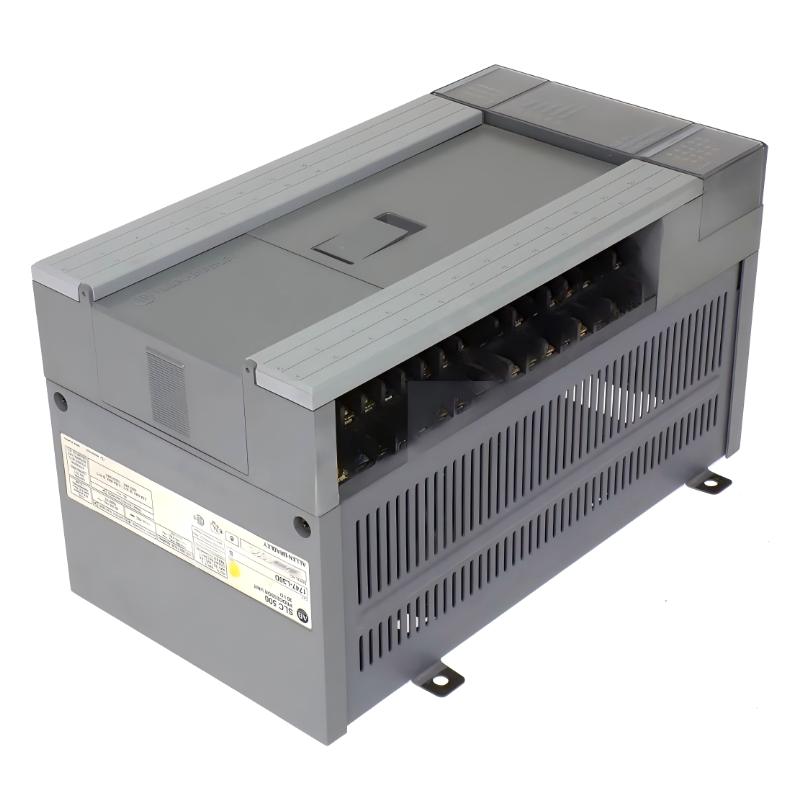
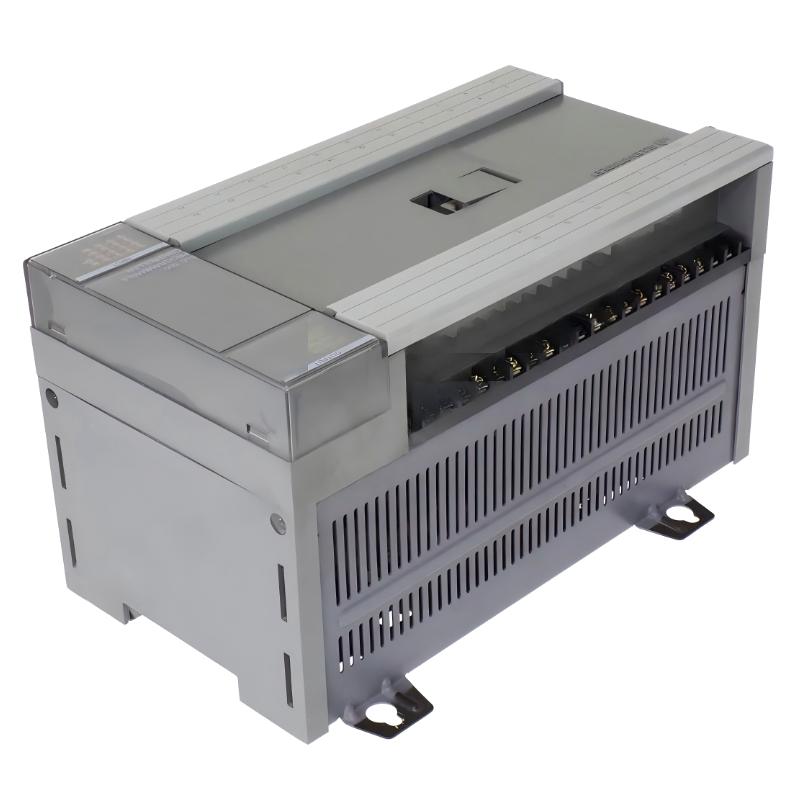
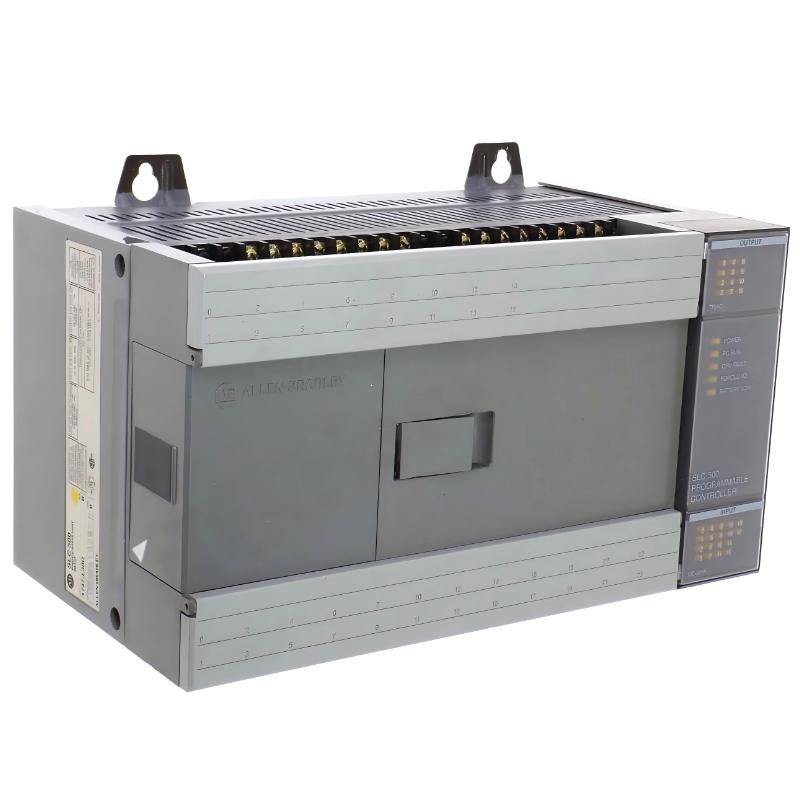
  4. Allen Bradley 1747-L30D SLC 500 I/O Processor Unit
Allen Bradley 1747-L30D SLC 500 I/O Processor Unit

Allen Bradley 1747-L30D SLC 500 I/O Processor Unit

0.0
Points

Brand:Allen Bradley PLC
Item No.:1747-L30D
Product Origin:USA
Product Dimensions:260 × 158 × 145 mm
Product Weight:2.09 kg
Payment:T/T, Western Union, Credit Card
Goods_stock:15
Shipping Port:Xiamen, China
Lead Time:1-3 Days
Condition:Brand New And Original
Warranty:1 Year
Certificate:COO

Add to cart


Introduction

The Allen Bradley 1747-L30D SLC 500 I/O Processor Unit delivers powerful and reliable control for SLC 500 systems. Its robust design, high-speed processing, and seamless integration with digital and analog I/O modules make it ideal for industrial automation applications. From machine control to process monitoring, the L30D ensures stable operation, real-time performance, and scalable system architecture.


Technical Specifications

ParameterSpecification
Module TypeI/O Processor Unit
Model Number1747-L30D
Dimensions260 × 158 × 145 mm
Weight2.09 kg / 4.61 lb
FunctionalityCentral processing and I/O control for SLC 500 systems
CompatibilityAllen Bradley SLC 500 controllers and I/O modules
Programming TypeLadder Logic (RSLogix compatible)
Operating EnvironmentIndustrial automation systems
DurabilityResistant to vibration, EMI/RFI, and temperature extremes
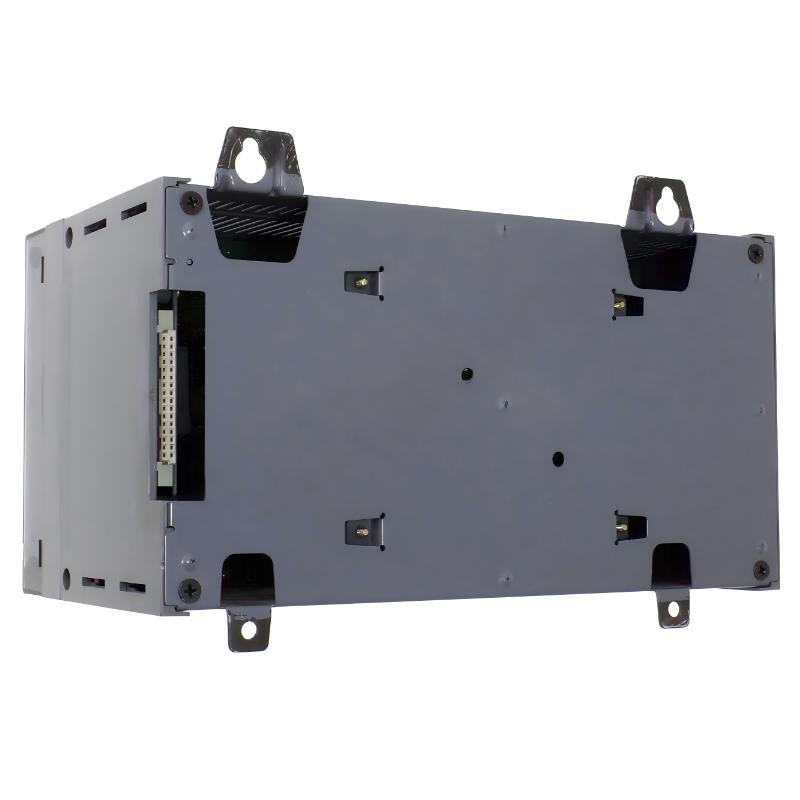
InstallationPanel or rack-mounted
Application ScopeMachine control, batch processing, material handling, distributed I/O networks


Applications

The Allen Bradley 1747-L30D is an I/O Processor Unit specifically designed for the SLC 500 series, providing robust control and processing capabilities for a wide range of industrial automation applications. It is ideal for machine control, batch processing, material handling, and distributed control systems. This processor enables seamless integration of I/O modules, ensuring fast and reliable system performance.


Advantages

  • High-Performance Processing: Handles complex logic operations and fast I/O scanning for real-time control.
  • Industrial Reliability: Engineered to operate in harsh environments, resistant to vibration, EMI/RFI, and temperature extremes.
  • Compact Yet Powerful: 260 × 158 × 145 mm, 2.09 kg, optimized for panel or rack mounting.
  • Seamless SLC 500 Integration: Fully compatible with all SLC 500 I/O modules.
  • Enhanced System Scalability: Supports expansion with multiple remote I/O racks and modules.
  • Plug-and-Play Installation: Simplifies system setup and reduces commissioning time.
  • High-Speed Data Communication: Facilitates fast interaction between modules for efficient process control.
  • Flexible Deployment: Suitable for both small machinery networks and large industrial systems.
  • Real-Time Monitoring: Enables quick response to process events and alarms.
  • Optimized for Automation: Improves overall system reliability and reduces downtime. 


Technical FAQs

  1. What is the main function of the 1747-L30D?
    To serve as the central processor for SLC 500 systems, managing I/O communication and logic execution.
  2. Is it compatible with all SLC 500 modules?
    Yes, it integrates seamlessly with both analog and digital I/O modules.
  3. Can it support remote I/O racks?
    Yes, it allows connection to multiple remote I/O racks via remote adapter modules.
  4. Does it support high-speed control loops?
    Absolutely, the processor provides fast I/O scanning for real-time operations.
  5. Is it suitable for harsh industrial environments?
    Yes, it is designed to handle vibration, electrical noise, and temperature variations.
  6. What type of programming does it use?
    Standard SLC 500 ladder logic programming via RSLogix or compatible software.
  7. Can it be used for batch processing applications?
    Yes, it is ideal for batch control, material handling, and process automation.
  8. Is installation and commissioning complex?
    No, it is designed for plug-and-play installation with straightforward wiring and configuration.
  9. Can multiple processors be networked together?
    Yes, using communication modules such as the 1747-DCM/A for distributed control.
  10. Does it improve overall system reliability?
    Yes, it provides stable, high-performance processing to reduce downtime and maintain control consistency. 


Look forward to your comments!Comment
Latest comments
Tags:
Need Assistance? Chat with Us on WhatsApp!
Need Assistance? Click to Inquire
Back to top