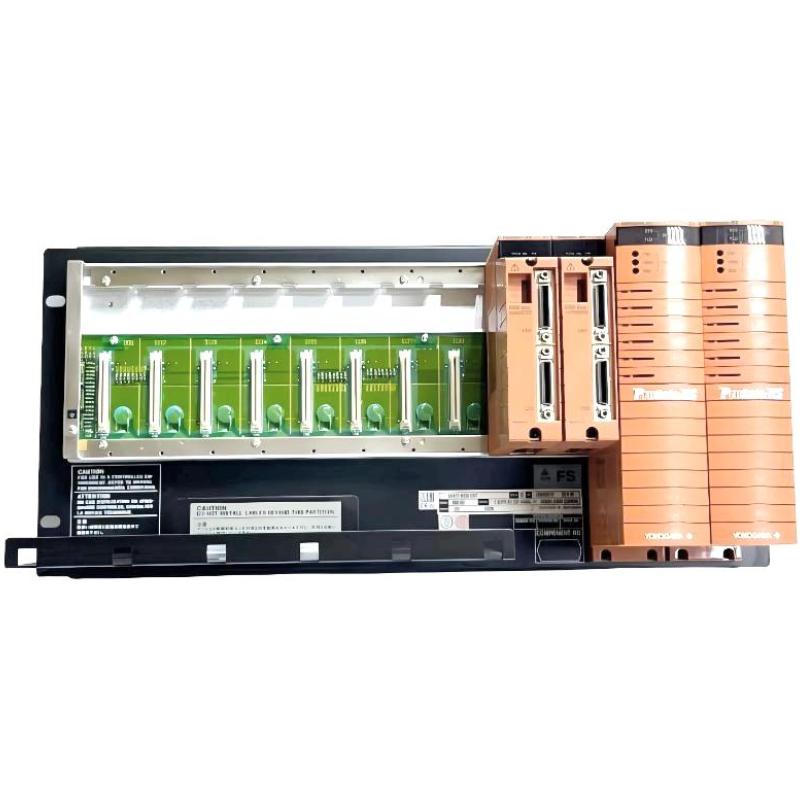
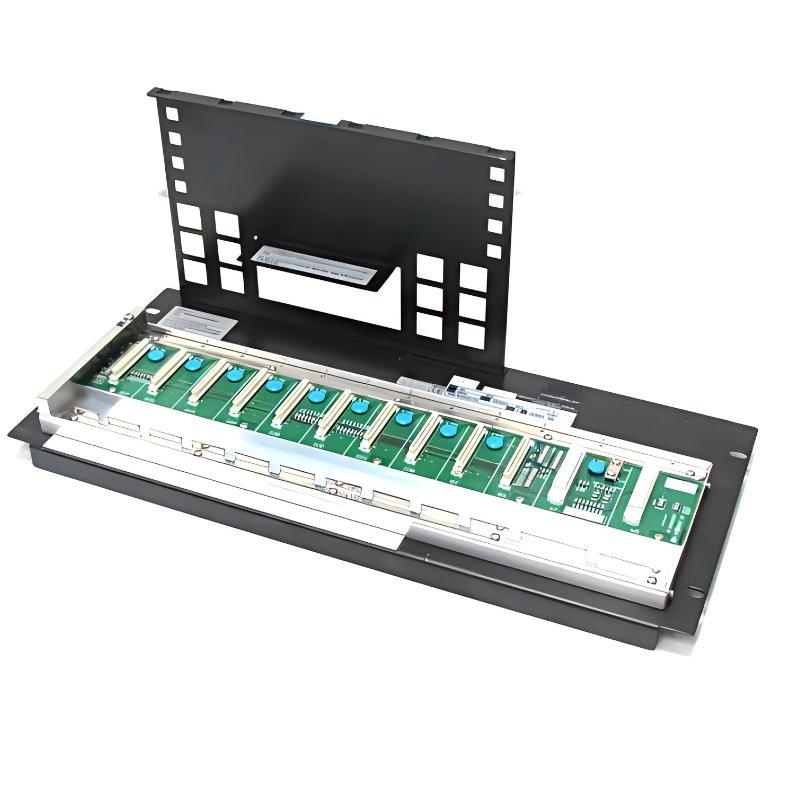
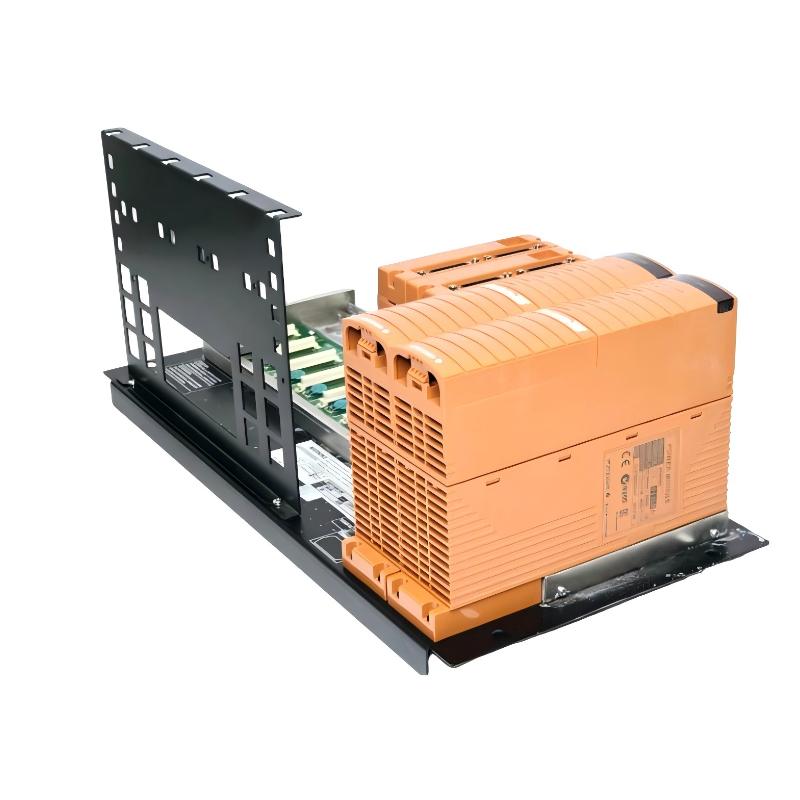
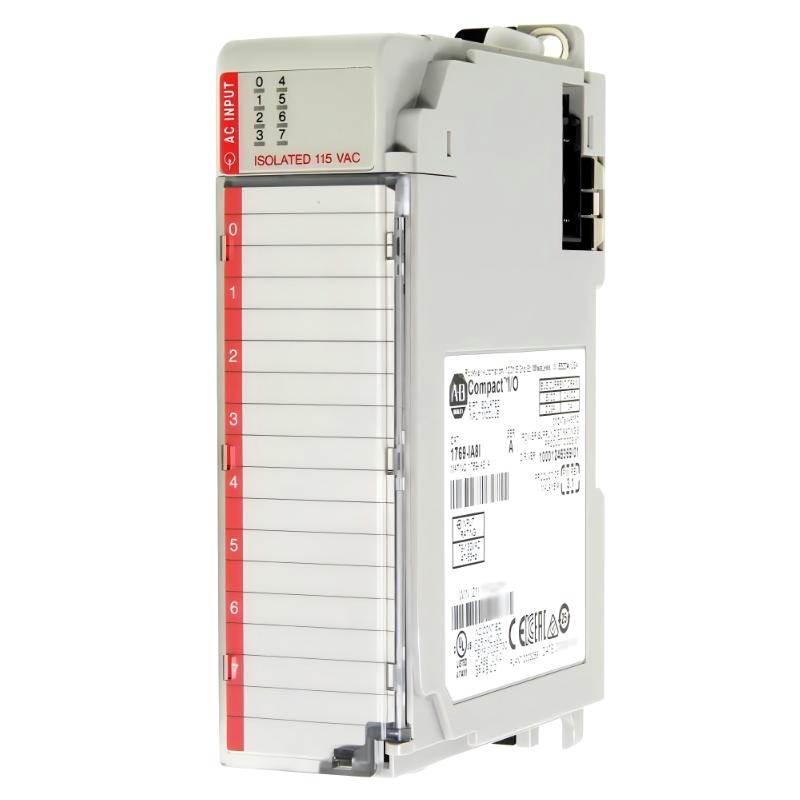
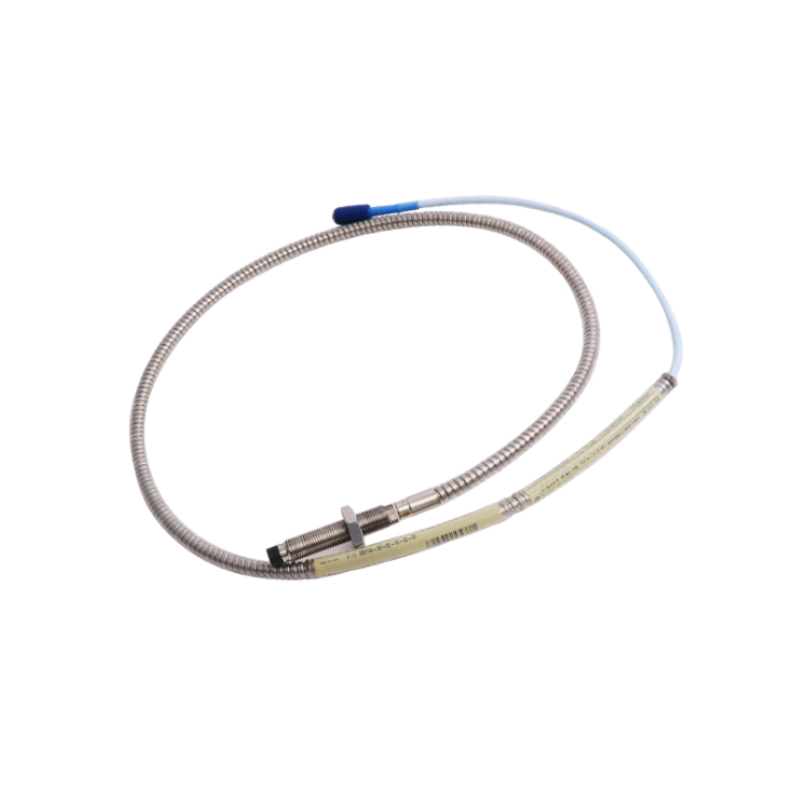
Brand:Yokogawa Electric Item No.:SNB10D-243/C2UT Product Origin:Japan Product Dimensions:482.6 x 221.5 x 205 mm Product Weight:5.9 kg Payment:T/T, Western Union, Credit Card Goods_stock:15 Shipping Port:Xiamen, China Lead Time:1-3 Days Condition:Brand New And Original Warranty:1 Year Certificate:COO
The SNB10D-243/C2UT Safety Node Unit is a high-integrity component within Yokogawa’s safety automation platform, designed to ensure reliable communication across distributed control environments. It is engineered for industrial applications where system stability, fault tolerance, and continuous operation are critical. With a robust design and compact structure, it supports efficient integration into complex safety systems while maintaining consistent performance in demanding conditions.
Technical Specifications
Parameter
Specification
Product Model
SNB10D-243/C2UT
Function
Safety Node Unit
Communication Type
Redundant safety network communication
Mounting Type
Cabinet / DIN rail installation
Operating Environment
Industrial-grade conditions
Power Supply
DC system supply
Housing
Rugged industrial enclosure
Dimensions
482.6 × 221.5 × 205 mm
Weight
5.9 kg
Protection
EMI-resistant design
Diagnostics
Built-in monitoring system
Recommended Related Models
Model
Product Name
SNB10D-241/C2UT
Safety Node Unit (Compact Network Version)
SNB10D-242/C2UT
Safety Node Unit (Standard Redundant Model)
SNB10D-244/C2UT
Safety Node Unit (Enhanced Communication Model)
SNB10D-245/C2UT
Safety Node Unit (High-Capacity Safety Node)
Popular Related Models
Model
Product Name
SNB10D-243/C2UT
Safety Node Unit (Core High-Reliability Model)
SNB10D-250/C2UT
Safety Node Unit (Advanced Safety Network Node)
SNB10D-260/C2UT
Safety Node Unit (Next-Generation Architecture Model)
SNB10D-270/C2UT
Safety Node Unit (Extended Performance Safety Node)
Applications
• Distributed safety instrumented systems (SIS) in process industries
Enables stable and synchronized safety communication across large-scale distributed control architectures.
• Emergency shutdown (ESD) systems
Supports fast and reliable signal transmission for critical shutdown operations in industrial plants.
• Fire & gas detection systems
Ensures consistent communication between field detectors and safety controllers for rapid response actions.
• Oil & gas and offshore platforms
Designed for harsh environments requiring continuous, high-integrity safety monitoring and control.
• Power generation and heavy industrial automation
Provides dependable node communication for safety-critical infrastructure and complex plant systems.
Key Advantages
• High-reliability redundant communication architecture
Maintains system continuity even in the event of partial network disruption.
• Strong environmental adaptability
Operates reliably under vibration, temperature variation, and industrial electrical noise conditions.
• Scalable and modular system integration
Allows flexible expansion within distributed safety system architectures.
• Integrated diagnostics and monitoring
Supports real-time status visibility for faster troubleshooting and maintenance efficiency.
• Long-term operational stability
Engineered for extended lifecycle use with consistent performance in critical applications.
Technical FAQs
1. What is the main function of the SNB10D-243/C2UT?
It serves as a safety node unit for communication in distributed safety systems.
2. Is it suitable for SIS applications?
Yes, it is designed for safety instrumented system integration.
3. Does it support redundant communication paths?
Yes, redundancy is built into the communication architecture.
4. Can it be used in offshore environments?
Yes, it is suitable for harsh offshore and industrial conditions.
5. Does it provide diagnostics?
Yes, it includes built-in system monitoring and fault detection functions.
6. Is it compatible with Yokogawa controllers?
Yes, it integrates within the Yokogawa safety ecosystem.
7. How is configuration handled?
Configuration is performed via Yokogawa engineering tools.
8. Does it require calibration?
No calibration is required during normal operation.
9. What happens during communication failure?
The system switches to predefined safe states based on configuration.
10. Is it suitable for distributed architectures?
Yes, it is designed specifically for distributed safety node networks.