Allen Bradley PLC

  1. Home
  2. Products
  3. Allen Bradley PLC
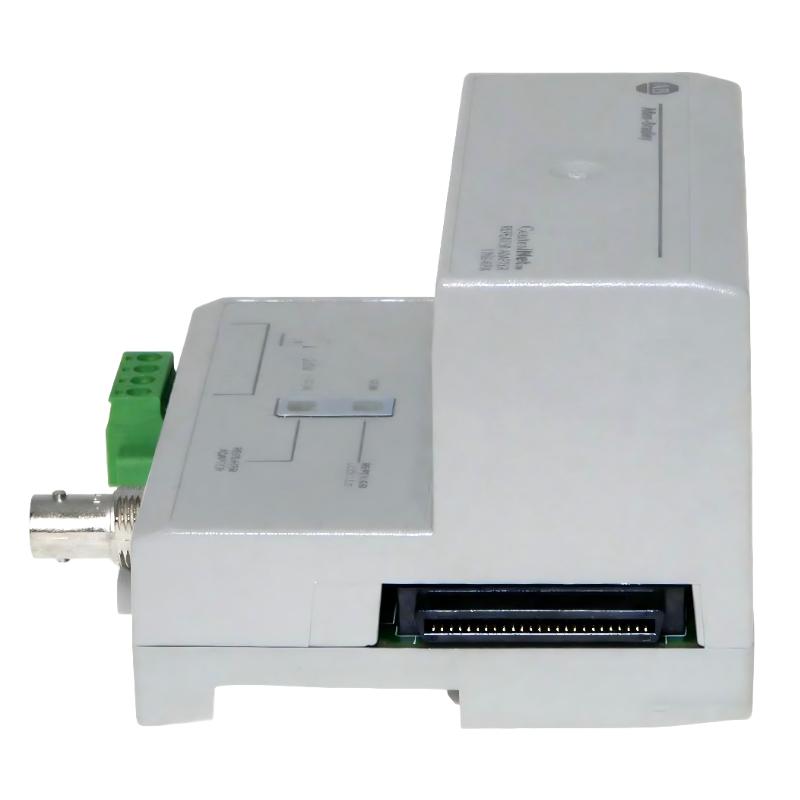
  4. Allen Bradley 1786-RPA ControlNet Modular Repeater Adapter
Allen Bradley 1786-RPA ControlNet Modular Repeater Adapter

Allen Bradley 1786-RPA ControlNet Modular Repeater Adapter

0.0
Points

Brand:Allen Bradley PLC
Item No.:Allen Bradley 1786-RPA
Product Origin: USA
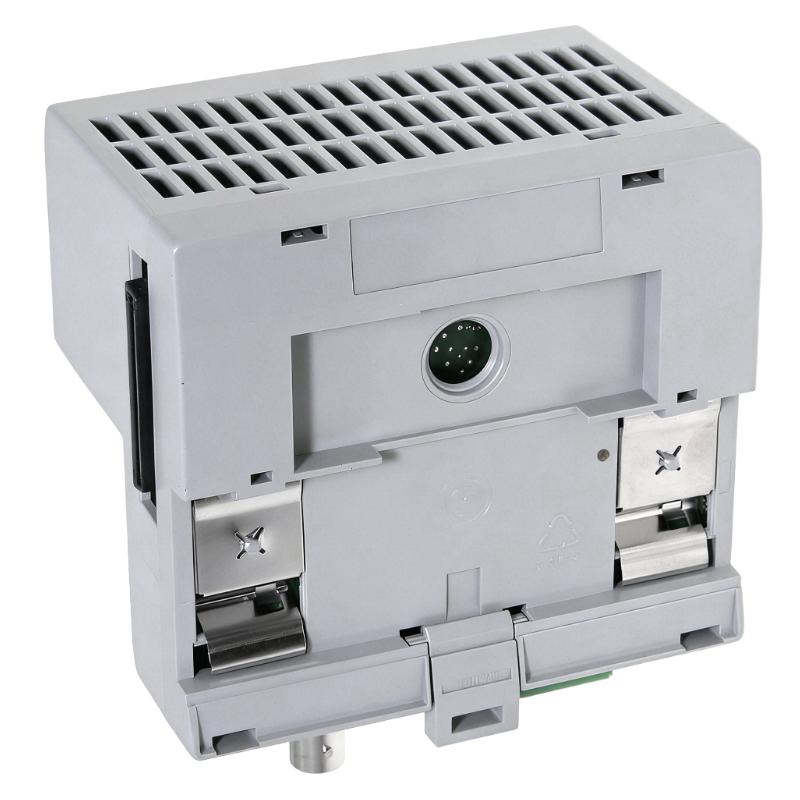
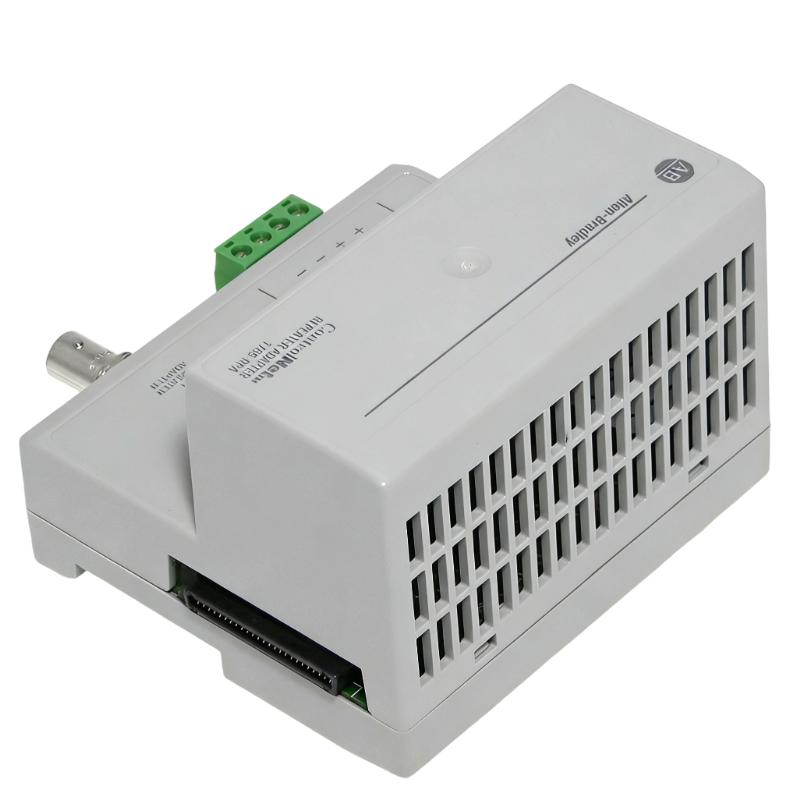
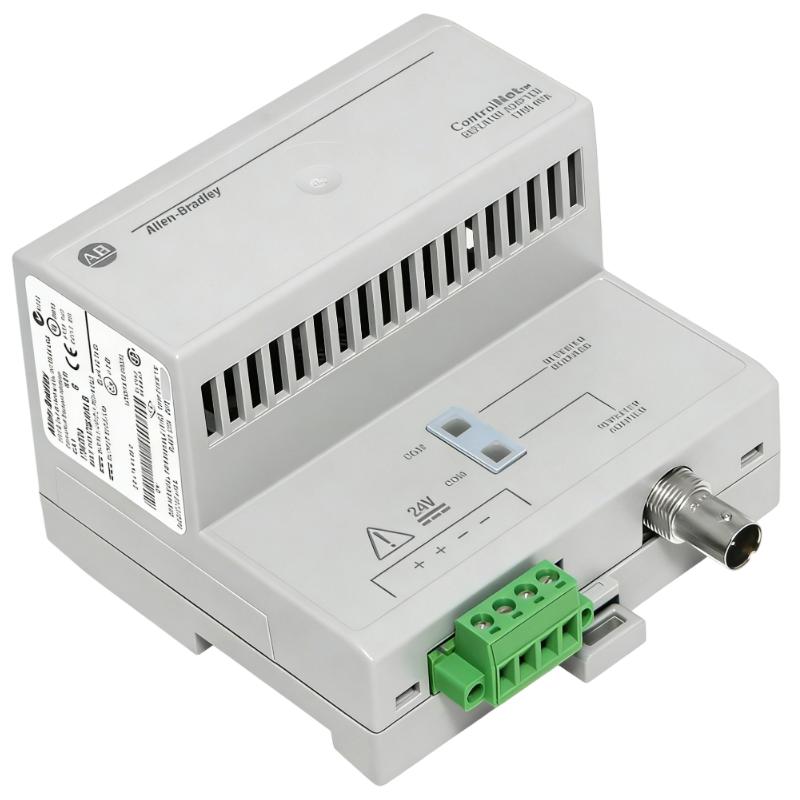
Product Dimensions:69 × 102 × 127 mm
Product Weight:2.0 kg
Payment:T/T, Western Union, Credit Card
Goods_stock:15
Shipping Port:Xiamen, China
Lead Time:1-3 Days
Condition:Brand New And Original
Warranty:1 Year
Certificate:COO

Add to cart

1786-RPA-41786-RPA-21786-RPA-11786-RPA-3

The Allen Bradley 1786-RPA ControlNet Modular Repeater Adapter is a critical infrastructure component designed to extend, segment, and stabilize ControlNet industrial communication networks. It provides a robust foundation for building large-scale deterministic control systems where reliable high-speed data transmission is essential.

Used in distributed automation architectures, the 1786-RPA enables engineers to expand network distance, integrate fiber and coax media, and configure advanced topologies such as ring, star, and linear structures. It is widely deployed in manufacturing plants, process industries, and heavy automation systems requiring uninterrupted network performance.


Technical Specifications

Specification ItemDetails
ManufacturerAllen Bradley (Rockwell Automation)
Model Number1786-RPA
Product SeriesControlNet
Module TypeModular Repeater Adapter
Network TypeControlNet Communication System
Power Supply24 V DC (18–36 V DC range)
Power ConsumptionMax approx. 16.8 W
Backplane Output CurrentUp to 1.6 A @ 5 V DC
Communication MediaRG-6 Coaxial / Fiber via modules
Supported TopologiesRing, Star, Linear, Point-to-Point
Mounting TypeDIN rail or panel mount
Operating Temperature0°C to 60°C
FunctionNetwork extension & signal regeneration

Physical Dimensions & Weight

Mechanical ParameterSpecification
Overall Dimensions (L × W × H)Approx. 69 × 102 × 127 mm
WeightApprox. 0.2–2.0 kg (depending on configuration/packaging)

Recommended Related Models

The 1786-RPA is typically deployed with ControlNet communication and repeater ecosystem components to build scalable industrial networks.

Related ModelDescription
1786-RPCDDual Copper Repeater Module
1786-RPFSShort-Distance Fiber Repeater
1786-RPFMMedium-Distance Fiber Module
1786-RPFRLFiber Ring Repeater (Long)
1786-RPFRXLExtended Fiber Ring Repeater
1786-BNCCoaxial BNC Connector
1786-XTControlNet Terminator
1786-TPSControlNet Tap Module
1756-CN2ControlNet Communication Module
1756-EN2TREthernet/IP Communication Module

Popular Allen Bradley Automation Ecosystem

Allen Bradley systems are widely adopted in global industrial automation for their reliability, scalability, and network integration capabilities.

Popular ModelProduct Category
1756-L83EControlLogix Controller
1769-L36ERMCompactLogix Controller
5069-IF8Compact I/O Module
2711P-T12C4D8PanelView Plus HMI
20G11NC072JA0NNNNNPowerFlex 755 Drive
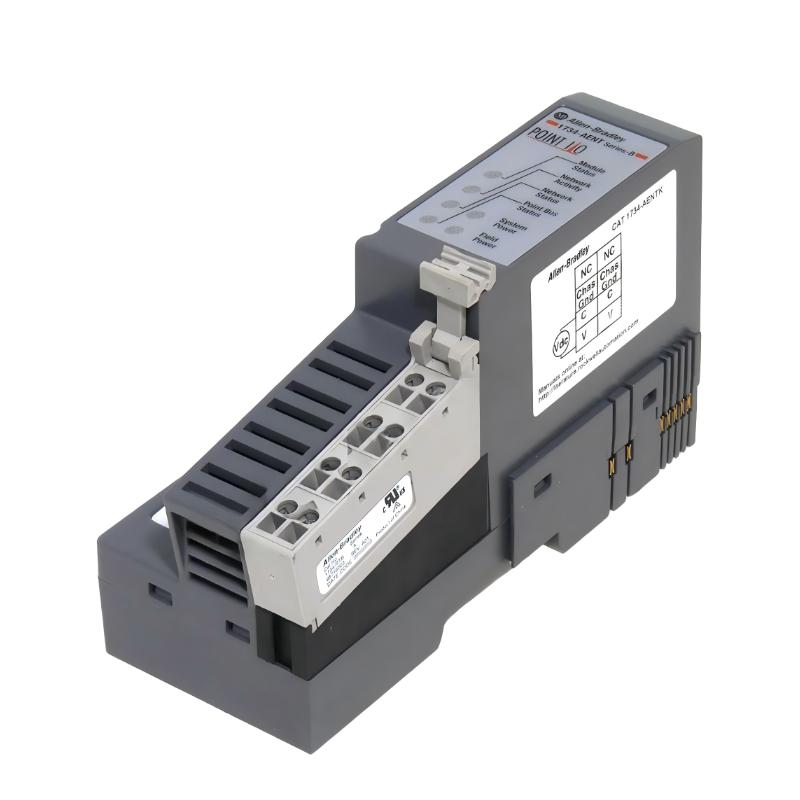
1734-AENTRPOINT I/O Adapter
1606-XLS240EIndustrial Power Supply
1756-EN2TREthernet/IP Communication Module
1794-IE8FLEX I/O Analog Module
25B-D013N114PowerFlex 525 Drive


Industrial Applications

The 1786-RPA is essential in industrial environments where ControlNet networks must maintain long-distance, high-reliability communication.

Typical applications include:

  • Factory automation networks
  • Automotive production lines
  • Oil and gas distributed control systems
  • Water treatment plant communication networks
  • Power generation monitoring systems
  • Packaging and logistics automation
  • Mining and heavy equipment control systems
  • Chemical processing facilities
  • Industrial network modernization projects
  • Large-scale PLC-based control architectures

Its ability to extend network distance and improve signal integrity makes it a core component in deterministic industrial communication systems.


Key Advantages

Extended Network Reach

The 1786-RPA enables ControlNet systems to exceed standard distance limitations while maintaining stable communication integrity.

Flexible Network Architecture

Supports multiple topologies including ring, star, and linear configurations, allowing engineers to design optimized industrial networks.

Media Conversion Capability

Facilitates integration between coaxial and fiber-optic communication segments for hybrid industrial infrastructures.

Industrial-Grade Reliability

Built for harsh environments with stable operation under vibration, electrical noise, and temperature variation.

Strong System Scalability

Allows expansion of ControlNet networks without redesigning the entire communication structure.


Technical FAQs

1. What is the Allen Bradley 1786-RPA used for?

It is used to extend and manage ControlNet communication networks in industrial automation systems.


2. Does the 1786-RPA support fiber optic communication?

Yes. It supports fiber integration through compatible repeater modules.


3. What is the power requirement?

It operates on a 24 V DC supply with a range of approximately 18–36 V DC.


4. What network does it support?

It is designed specifically for the ControlNet industrial communication protocol.


5. Can it extend network distance?

Yes. It is used to extend ControlNet networks beyond standard cable length limitations.


6. What mounting options are available?

It supports both DIN rail and panel mounting configurations.


7. What topologies are supported?

It supports ring, star, linear, and point-to-point network structures.


8. Is it still widely used in modern systems?

It is mainly used in legacy ControlNet installations and industrial maintenance environments.


9. What is the main function of the module?

Its primary function is signal regeneration and network extension in ControlNet systems.


10. Why is the 1786-RPA important in automation networks?

Because it ensures stable, scalable, and long-distance communication reliability in deterministic industrial control systems.


Look forward to your comments!Comment
Latest comments
Tags:
Need Assistance? Chat with Us on WhatsApp!
Need Assistance? Click to Inquire
Back to top