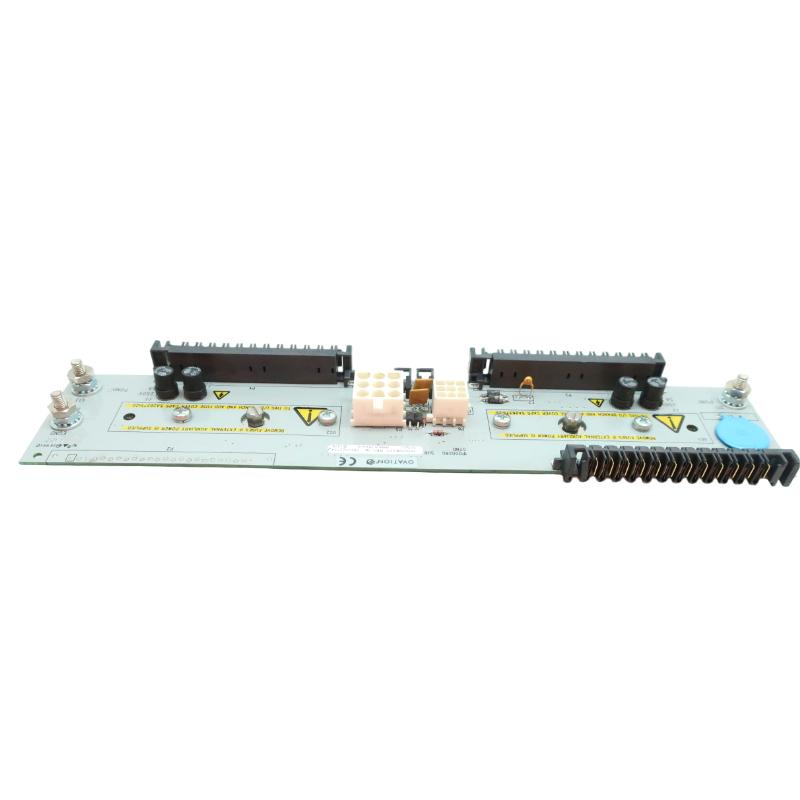
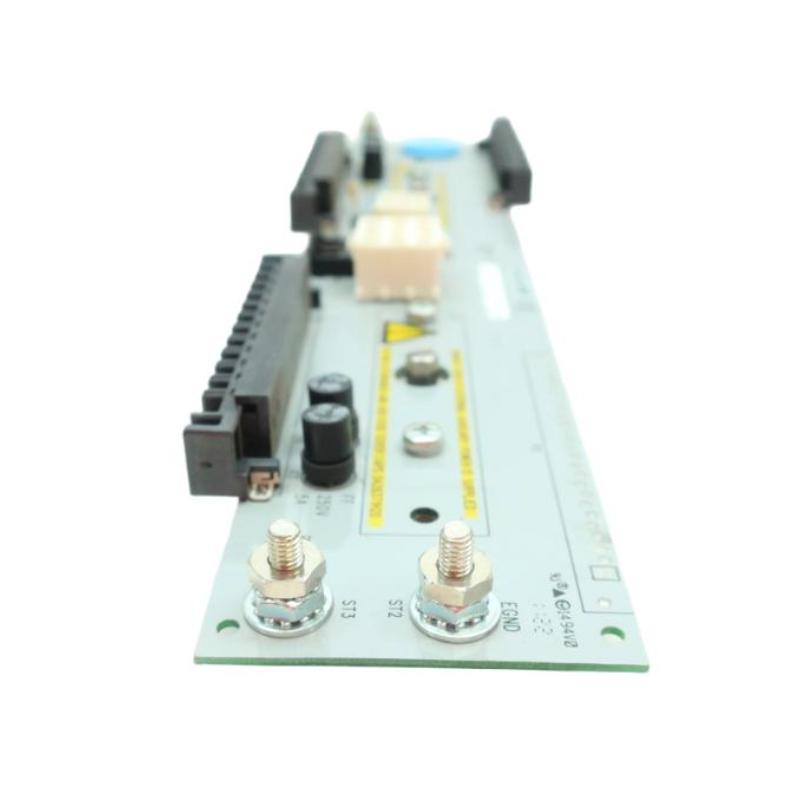
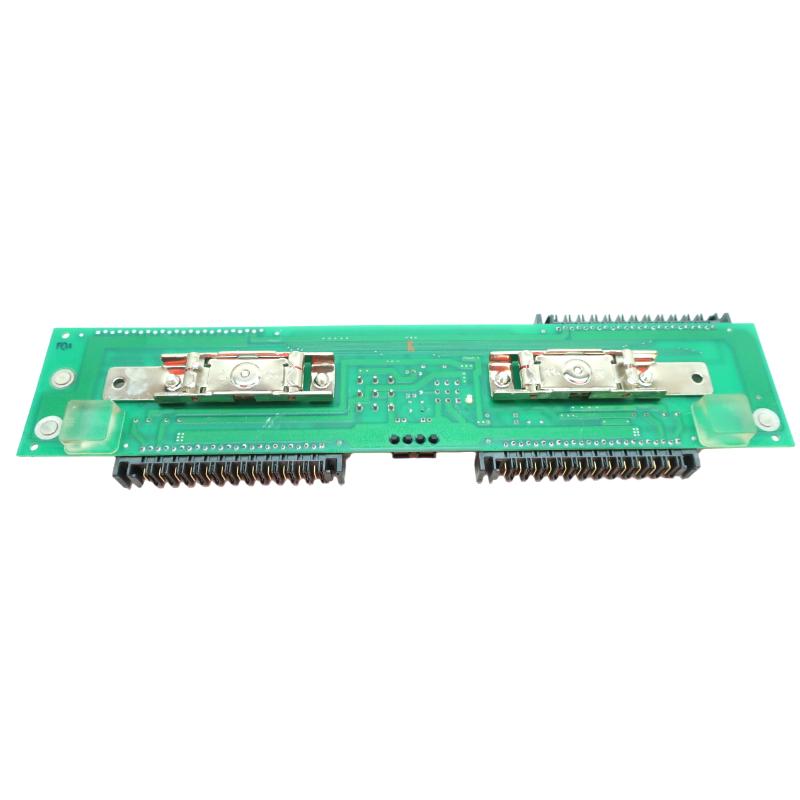
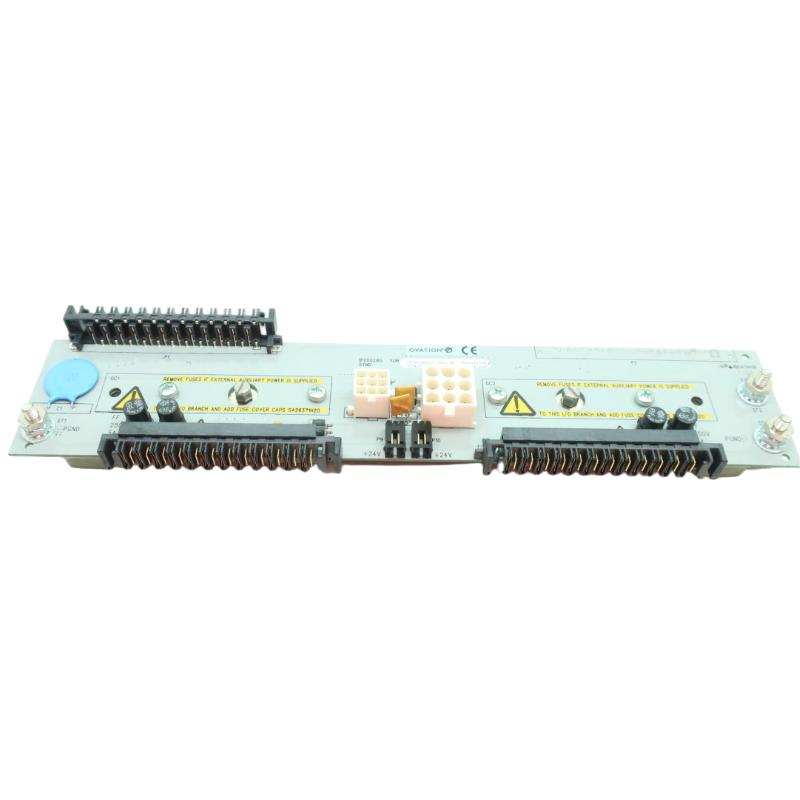
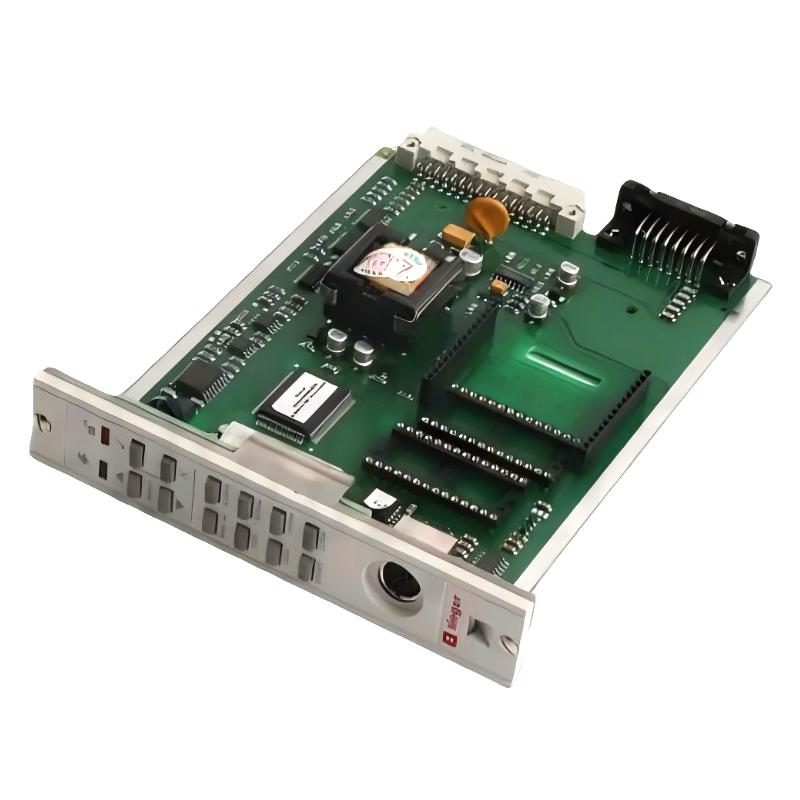
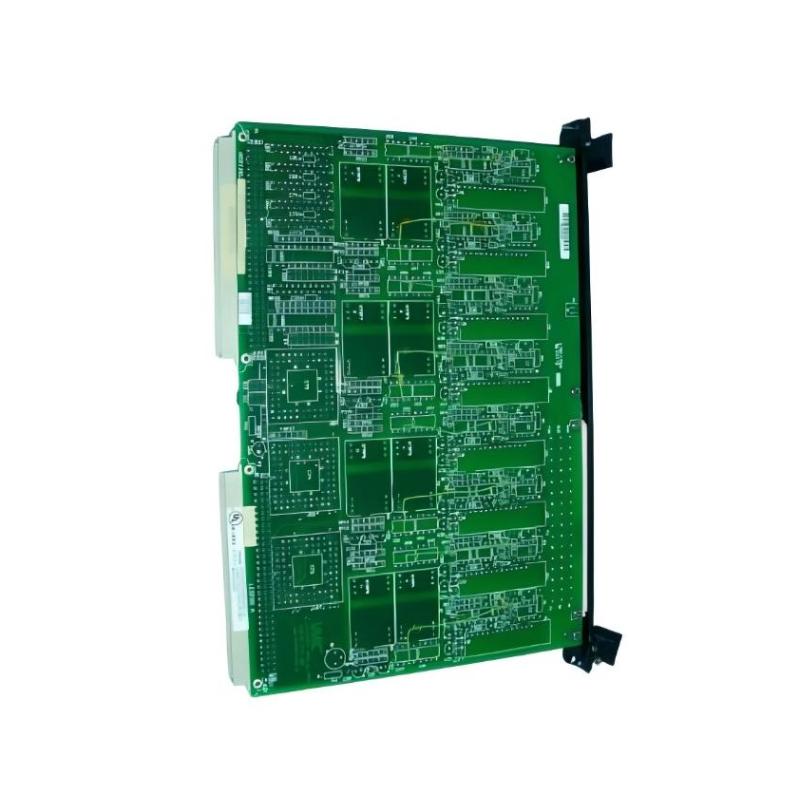
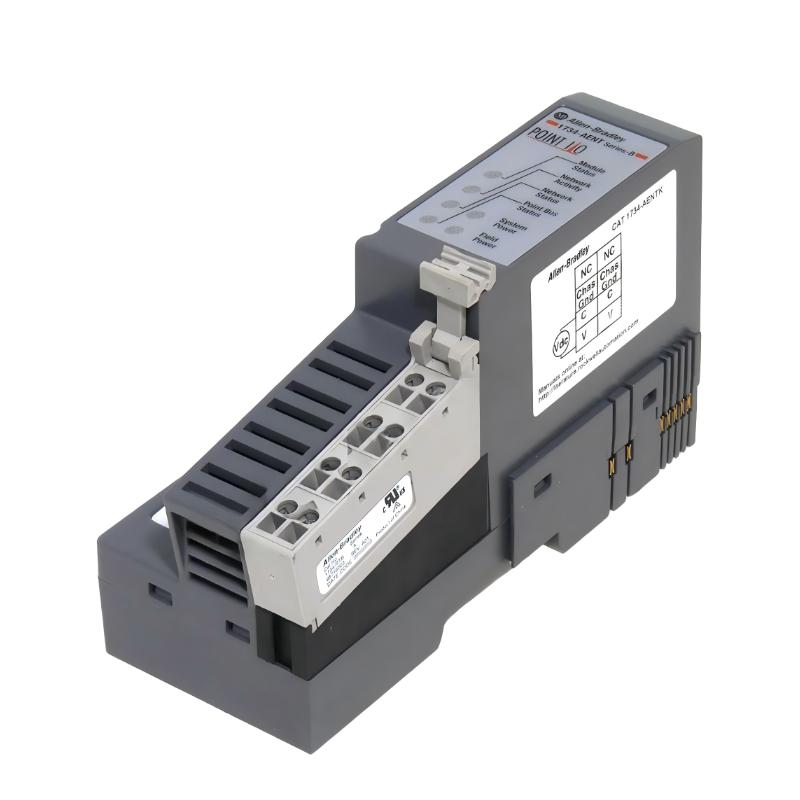
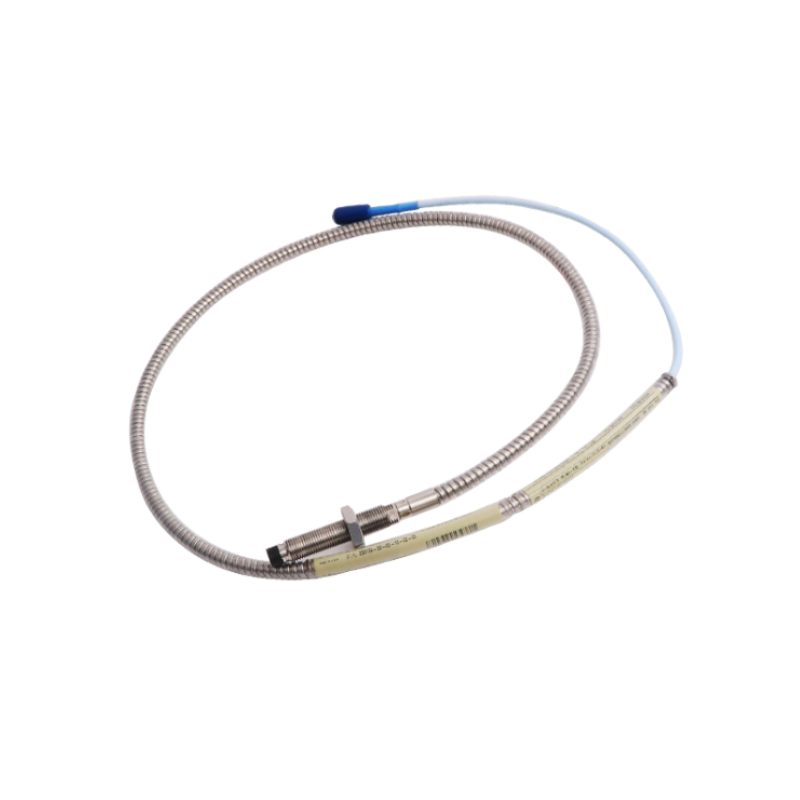
Brand:Ovation DCS Item No.:1P00028G01 Product Origin:USA Product Dimensions:120 x 80 x 40 mm Product Weight:0.22 kg Payment:T/T, Western Union, Credit Card Goods_stock:15 Shipping Port:Xiamen, China Lead Time:1-3 Days Condition:Brand New And Original Warranty:1 Year Certificate:COO
The Ovation 1P00028G01 Remote Node Conversion Panel is a specialized interface component within Emerson’s Ovation distributed control system architecture. It is designed to manage and convert communication pathways between remote nodes and central control infrastructure, ensuring stable and consistent data exchange across industrial automation networks.
Technical Specifications
Parameter
Specification
Product Model
Ovation 1P00028G01
Product Type
Remote Node Conversion Panel
Function
Remote node signal/interface conversion
System Compatibility
Emerson Ovation DCS
Installation Type
Control cabinet mounted module
Operating Environment
Industrial automation systems
Weight
0.22 kg
Dimensions
120 × 80 × 40 mm
Temperature Range
-20°C to 70°C (typical industrial range)
Application
Remote node communication adaptation
Recommended Related Models
Model
Product Name
Ovation 1P00029G01
Ovation Enhanced Remote Node Interface Panel
Ovation 1P00031G01
Ovation Node Communication Expansion Panel
Ovation 1P00033G01
Ovation Distributed Node Adapter Module
Ovation 1P00036G01
Ovation Remote System Interface Converter
Popular Related Models
Model
Product Name
Ovation 1D54471G02
Ovation Remote I/O Interface Board
Ovation 1C31179G02
Ovation Remote I/O Master Module
Ovation 1C31205G01
Ovation Control Interface Board
Ovation 1D54561G01
Ovation Loop Interface Module
Applications
• Remote node interface conversion in Ovation DCS architecture
Used to convert and adapt remote node connections within Emerson Ovation distributed control systems for stable communication integration.
• Power generation automation systems
Supports signal transition between remote control nodes and central control infrastructure in turbine and plant-wide monitoring systems.
• Industrial process control networks
Enables reliable communication adaptation between field devices and control cabinets in continuous production environments.
• Electrical utility monitoring systems
Assists in integrating remote measurement nodes into centralized substation control platforms.
• System retrofit and upgrade projects
Commonly used in modernization of legacy Ovation installations requiring node-level interface conversion.
Advantages
• Stable remote node signal conversion
Ensures reliable transformation and transmission of communication signals between system nodes.
• Compact industrial design
Space-efficient structure suitable for dense control cabinet installations.
• Seamless Ovation system integration
Designed to maintain compatibility within Emerson Ovation distributed control architecture.
• Improved system communication reliability
Reduces signal mismatch and enhances stability between remote and central nodes.
• Easy installation and replacement
Supports straightforward integration into existing panel layouts without major modification.