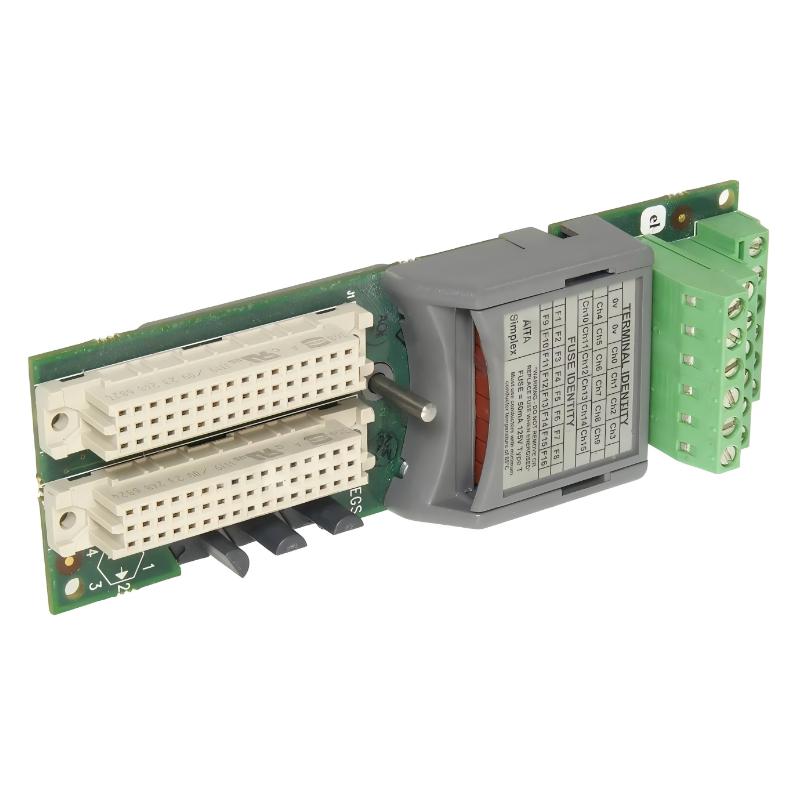
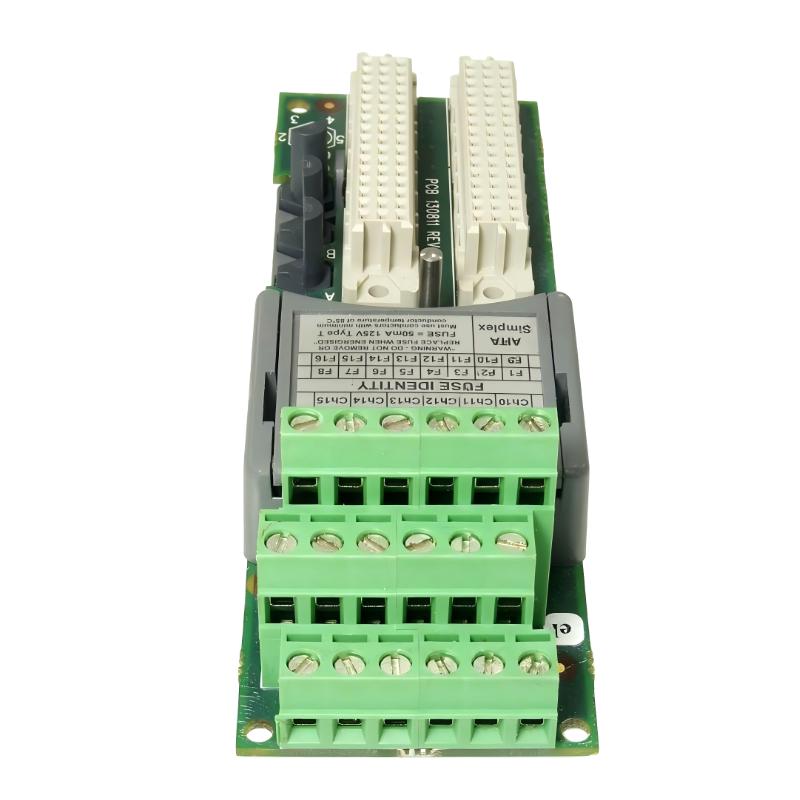
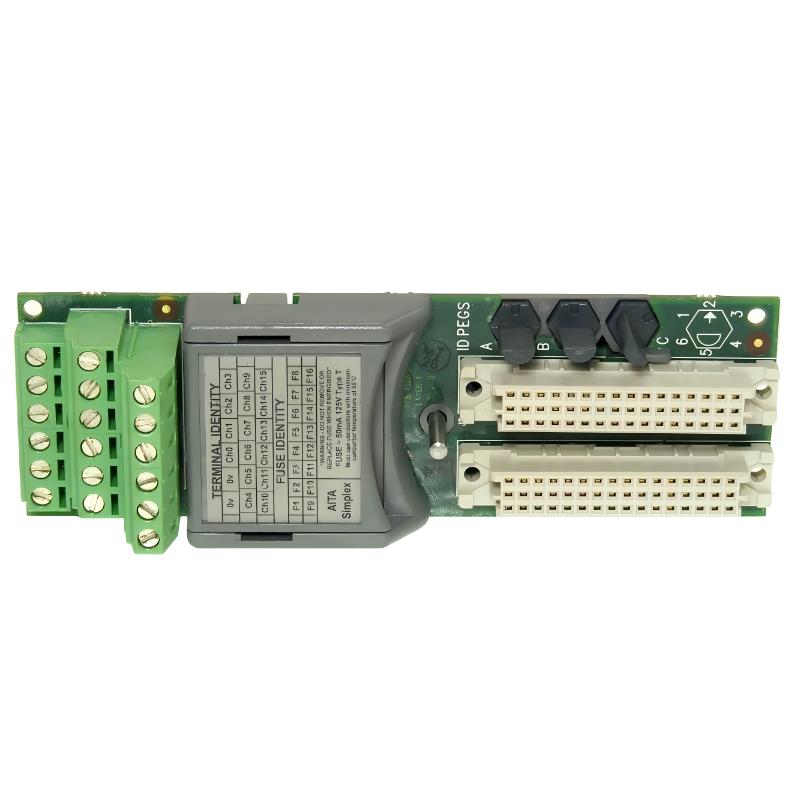
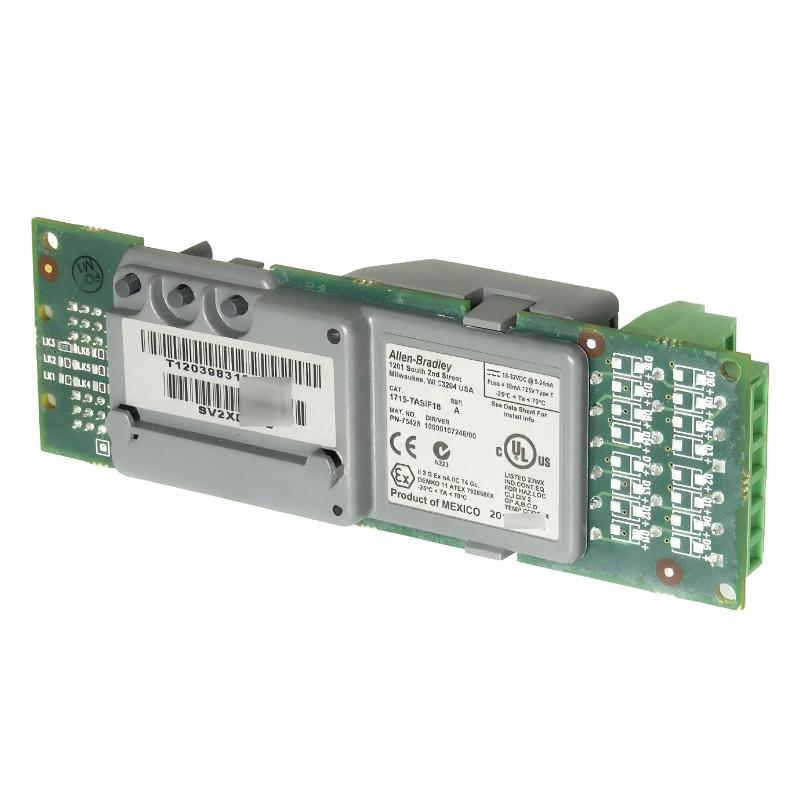
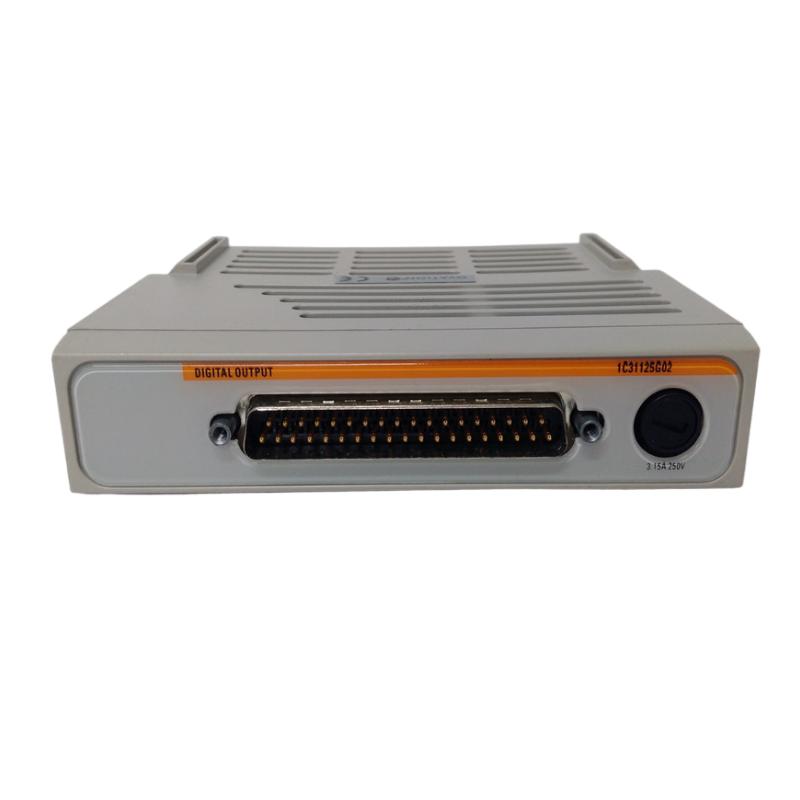
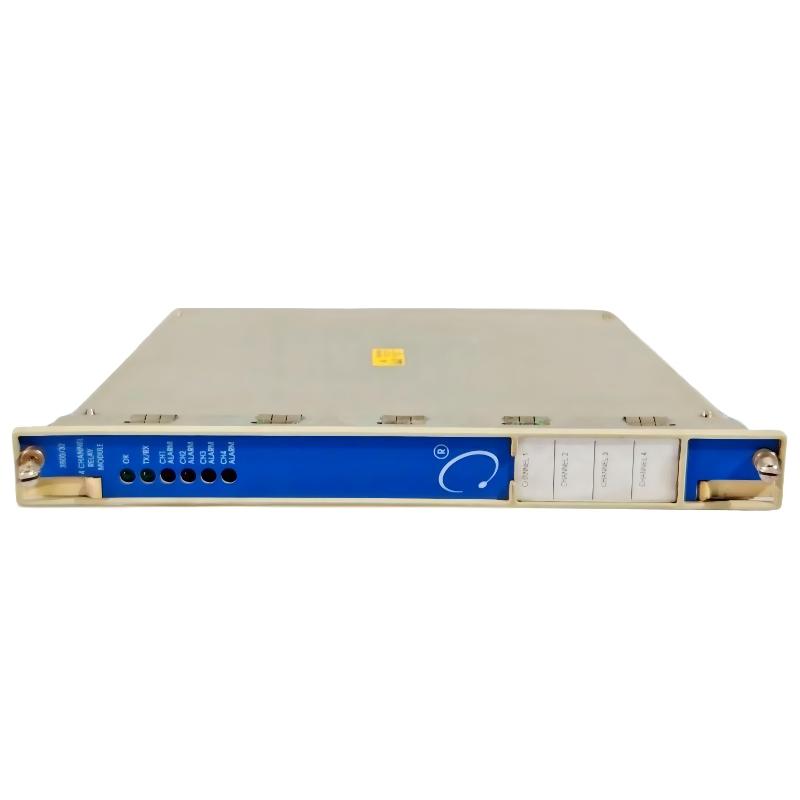
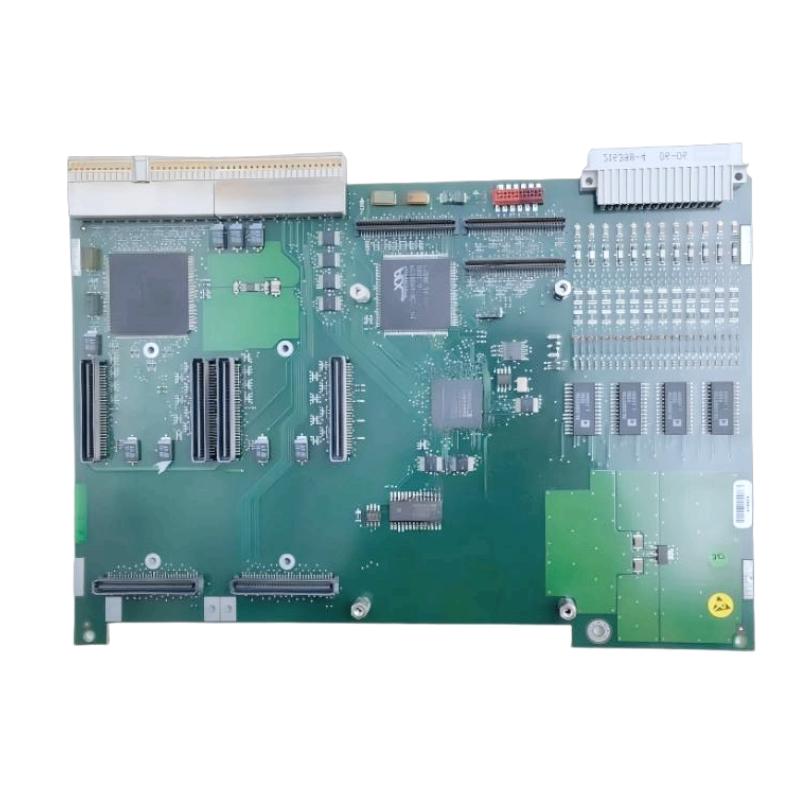
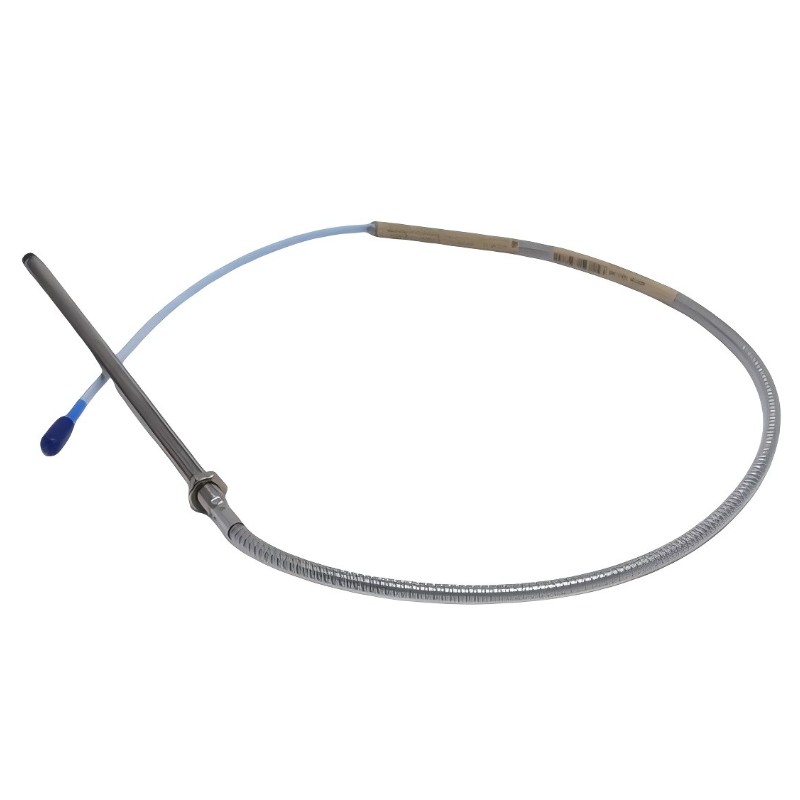
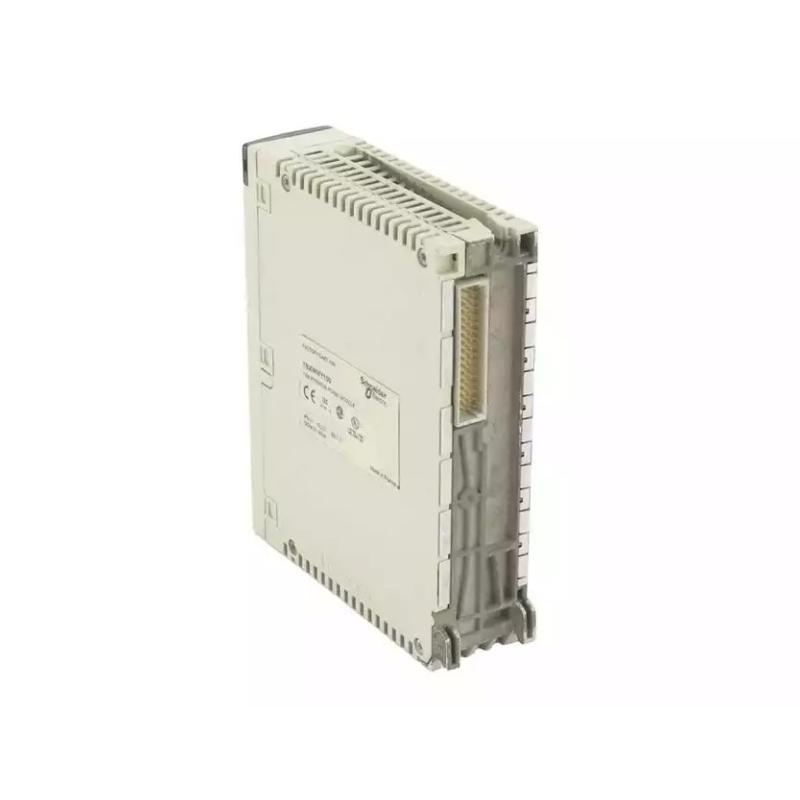
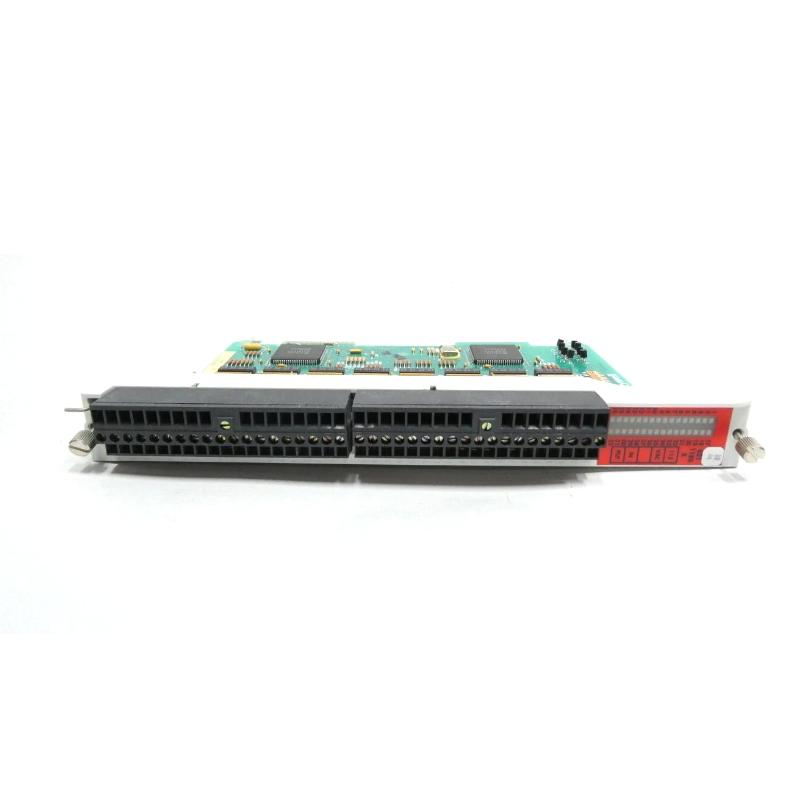
Allen Bradley 1715-TASIF16 Redundant I/O Termination Components
Allen Bradley 1715-TASIF16 Redundant I/O Termination Components
0.0
Points
Brand:Allen Bradley PLC Item No.:1715-TASIF16 Product Origin:USA Product Dimensions:132 x 42 mm Product Weight:0.133 kg Payment:T/T, Western Union, Credit Card Goods_stock:15 Shipping Port:Xiamen, China Lead Time:1-3 Days Condition:Brand New And Original Warranty:1 Year Certificate:COO
The Allen-Bradley 1715-TASIF16 Redundant I/O Termination Component is part of the 1715 distributed I/O platform designed for high-availability industrial automation systems. It serves as a termination interface between field wiring and the 1715-IF16 analog input module.
Technical Specifications
Parameter
Specification
Product Name
Allen-Bradley 1715-TASIF16
Manufacturer
Rockwell Automation (Allen-Bradley)
Product Type
Redundant I/O Termination Assembly
System Compatibility
1715 Redundant I/O System
Function
Analog Input Signal Termination
I/O Type
Simplex / Duplex Configurable
Supported Module
1715-IF16
Mounting Method
DIN Rail / Base Unit
Dimensions
132 × 42 mm
Weight
0.133 kg
Recommended Related Models
Model Number
Product Name
1715-TADIF16
Redundant Analog Input Termination Assembly
1715-IF16
Analog Input Module
VE4003S2B7
Analog Input Module
VE4050E1C0 KJ4001X1-BE1
I/O Interface Carrier
Popular Related Models
Model Number
Product Name
1715-TASIB16D
Digital Input Termination Assembly
1715-TASOB8DE
Digital Output Termination Assembly
1715-TASOF8
Analog Output Termination Assembly
SE3007 KJ2005X1-BK1
Controller Module
Applications
• Redundant I/O termination in Allen-Bradley 1715™ distributed I/O systems.
• Industrial process automation requiring high availability signal wiring infrastructure.
• Oil and gas facilities with critical control and monitoring systems.
• Power generation plants for auxiliary equipment and process signal termination.
• Chemical and petrochemical plants requiring fault-tolerant I/O architectures.
• Water and wastewater treatment automation systems with redundant control design.
• Large-scale manufacturing systems with high-density field device wiring.
• SCADA-integrated PLC systems requiring reliable analog input termination.
Key Advantages
• Provides structured termination for redundant analog input I/O channels.
• Enhances system availability through duplex-ready architecture support.
• Reduces wiring complexity in high-density control cabinet installations.
• Designed for robust performance in harsh industrial environments.
• Improves maintenance efficiency with organized field wiring layout.
• Supports stable signal integrity for analog input processing systems.
• Enables modular replacement without disrupting overall system operation.
• Integrates seamlessly within Allen-Bradley 1715 redundant I/O platform.
Technical FAQs
Q1: What is the main function of the 1715-TASIF16 module?
A: It is a termination assembly used to connect field wiring to the 1715-IF16 analog input module in redundant I/O systems.
Q2: Is this module an active processing device?
A: No, it is a passive termination component that organizes and routes field signals.
Q3: What system is it used with?
A: It is used within the Allen-Bradley 1715 redundant I/O system architecture.
Q4: Does it support redundancy?
A: Yes, it is designed for simplex and duplex redundant I/O configurations depending on system setup.
Q5: What type of signals does it handle?
A: It supports analog input signal termination from field instruments.
Q6: Does it require configuration or programming?
A: No, it is hardware-only and does not require software configuration.
Q7: Can it be replaced without shutting down the whole system?
A: In many system architectures, modular replacement is supported depending on redundancy configuration.
Q8: What devices typically connect to it?
A: Process transmitters such as pressure, temperature, flow, and level sensors.
Q9: Is it suitable for harsh industrial environments?
A: Yes, it is designed for industrial-grade operation with high reliability.
Q10: What is the main benefit of this component?
A: It simplifies and stabilizes field wiring for redundant analog input systems, improving system reliability and maintainability.