Epro PLC

  1. Home
  2. Products
  3. Epro PLC
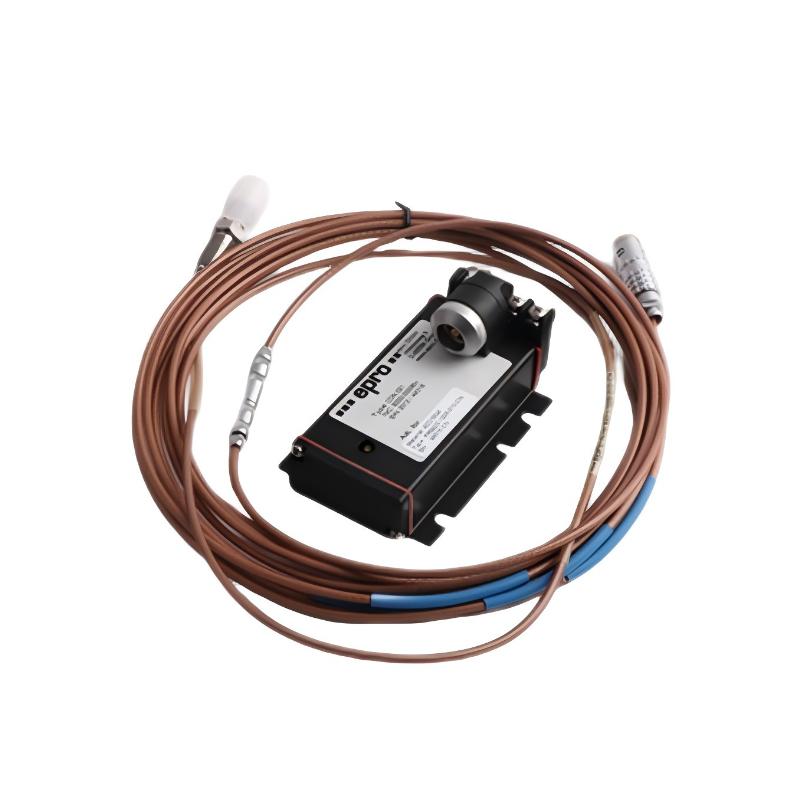
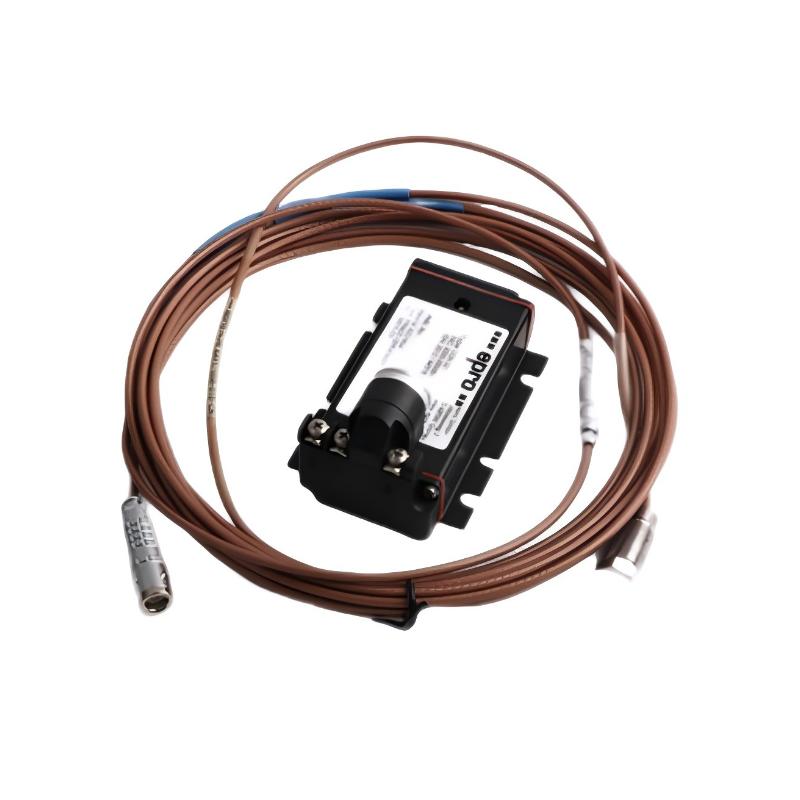
  4. Epro PR6423/013-000 8 mm Eddy Current Sensor
Epro PR6423/013-000 8 mm Eddy Current Sensor

Epro PR6423/013-000 8 mm Eddy Current Sensor

0.0
Points

Brand:Epro PLC
Item No.:PR6423/013-000
Product Origin:Germany
Product Dimensions:Sensor Head Diameter: 8 mm
Product Weight:0.1 kg
Payment:T/T, Western Union, Credit Card
Goods_stock:15
Shipping Port:Xiamen, China
Lead Time:1-3 Days
Condition:Brand New And Original
Warranty:1 Year
Certificate:COO

Add to cart


Introduction

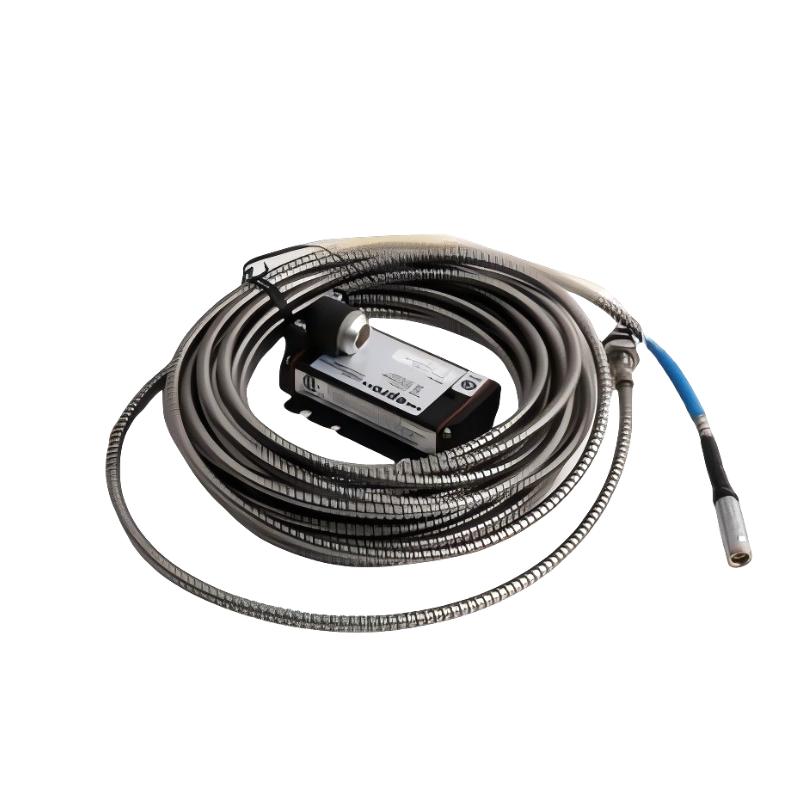
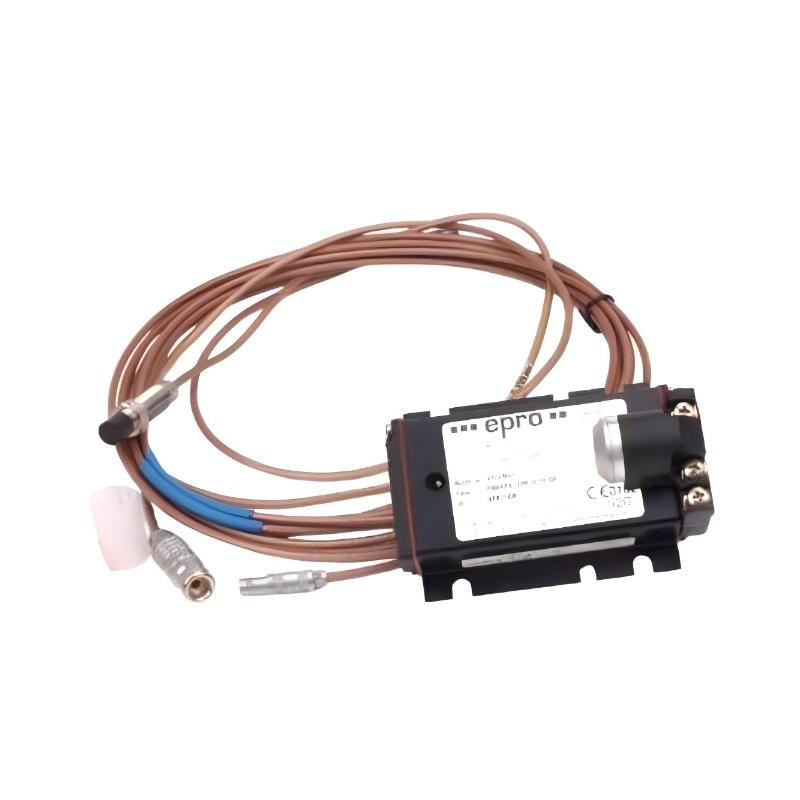
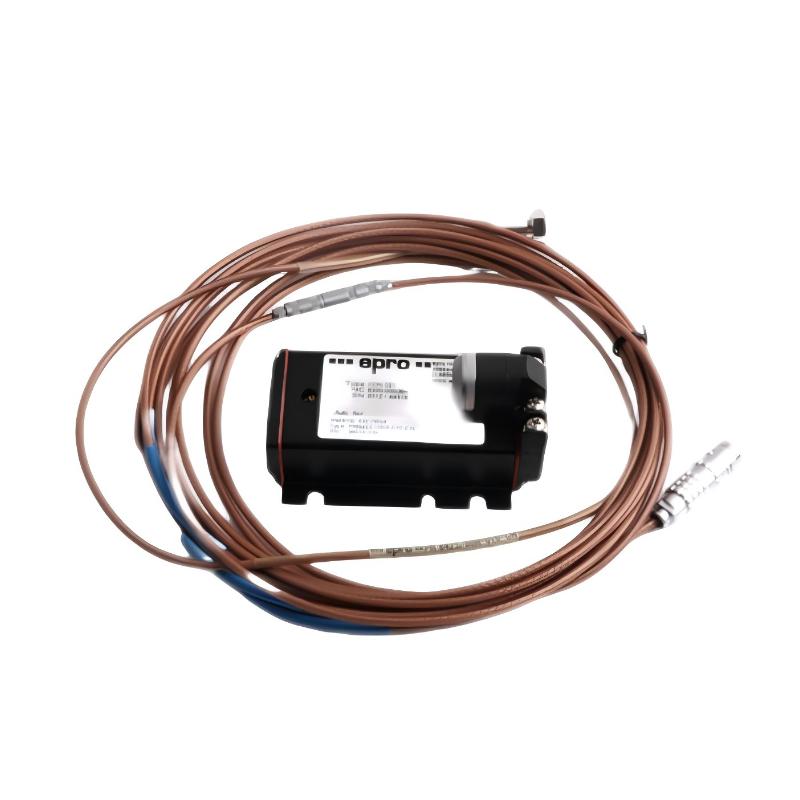
The EPRO PR6423/013-000 8 mm Eddy Current Sensor Head is a precision-engineered probe designed for accurate, non-contact monitoring of shaft vibration and displacement in critical rotating machinery. Its compact 8 mm design and durable stainless-steel construction make it suitable for turbines, compressors, pumps, and industrial drive systems. When integrated with a compatible signal converter, it provides reliable real-time data essential for predictive maintenance, condition monitoring, and machinery protection.


Technical Specifications

Technical ParameterSpecification
Product ModelPR6423/013-000
BrandEPRO
Sensor TypeEddy Current Displacement Sensor Head
Sensor Diameter8 mm
Measurement PrincipleNon-contact eddy current induction
Measured ParametersVibration, displacement, shaft position, eccentricity
Linear Measurement RangeUp to 2 mm (system dependent)
Target MaterialConductive metals (steel shafts)
Output SignalRequires external signal converter (CON series)
Operating Temperature-35°C to +180°C
Housing MaterialStainless steel sensor body
Cable TypeShielded industrial cable
Weight0.1 kg (0.22 lb)
Mounting TypeThreaded probe installation
Protection RatingIndustrial-grade housing


Applications

The EPRO PR6423/013-000 8 mm Eddy Current Sensor Head is a high-precision, non-contact probe designed for continuous monitoring of rotating machinery. It is widely used in condition monitoring systems where accurate detection of shaft vibration, displacement, and position is essential for safe and efficient operation.

Typical applications include:

  • Steam, gas, and hydro turbines
  • Centrifugal and axial compressors
  • Industrial pump systems and pump trains
  • Gearboxes and rotating drive systems
  • Power generation machinery monitoring
  • Condition monitoring and predictive maintenance systems
  • Shaft eccentricity and axial displacement measurement
  • OEM turbomachinery protection systems


Advantages

  • Non-contact measurement technology: Eliminates mechanical wear and improves long-term stability
  • High measurement accuracy: Reliable signal output for vibration and displacement analysis
  • Standard 8 mm probe design: Compatible with most turbomachinery installations
  • Robust industrial construction: Stainless steel housing designed for harsh environments
  • Stable dynamic response: Suitable for both static and high-frequency vibration monitoring
  • System compatibility: Designed for integration with EPRO / Emerson signal conditioning systems
  • Continuous operation capability: Ideal for 24/7 industrial monitoring systems


Technical FAQs

  1. What is the measurement principle?
    It uses eddy current induction to measure the distance between the probe tip and a conductive metal target.
  2. What equipment is it used with?
    It is used in turbines, compressors, pumps, and other rotating machinery systems.
  3. Does it require physical contact?
    No, it is a non-contact measurement sensor.
  4. What materials can it measure?
    Conductive ferromagnetic materials, typically steel shafts.
  5. Is it suitable for continuous monitoring?
    Yes, it is designed for 24/7 operation in industrial environments.
  6. What is the sensor diameter?
    8 mm.
  7. Can it measure vibration and displacement?
    Yes, it supports both dynamic vibration and static displacement measurement.
  8. Does it require a signal converter?
    Yes, it must be paired with a compatible CON series signal conditioner.
  9. Can it operate in harsh environments?
    Yes, it is designed for high temperature, vibration, and industrial stress conditions.
  10. Is calibration required?
    Yes, system-level calibration is necessary for accurate measurement performance. 


Look forward to your comments!Comment
Latest comments
Tags:
Need Assistance? Chat with Us on WhatsApp!
Need Assistance? Click to Inquire
Back to top