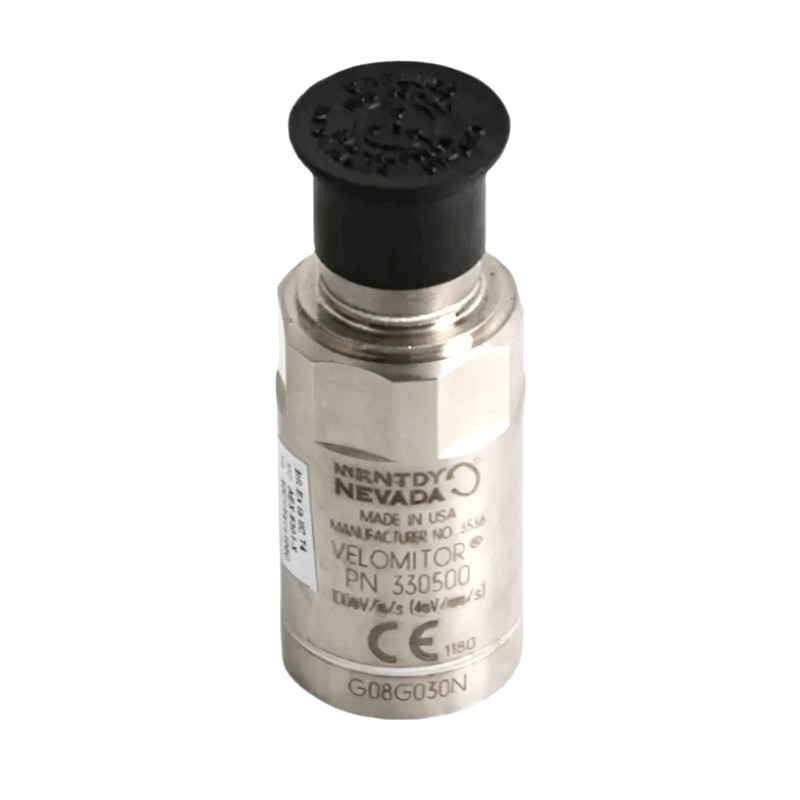
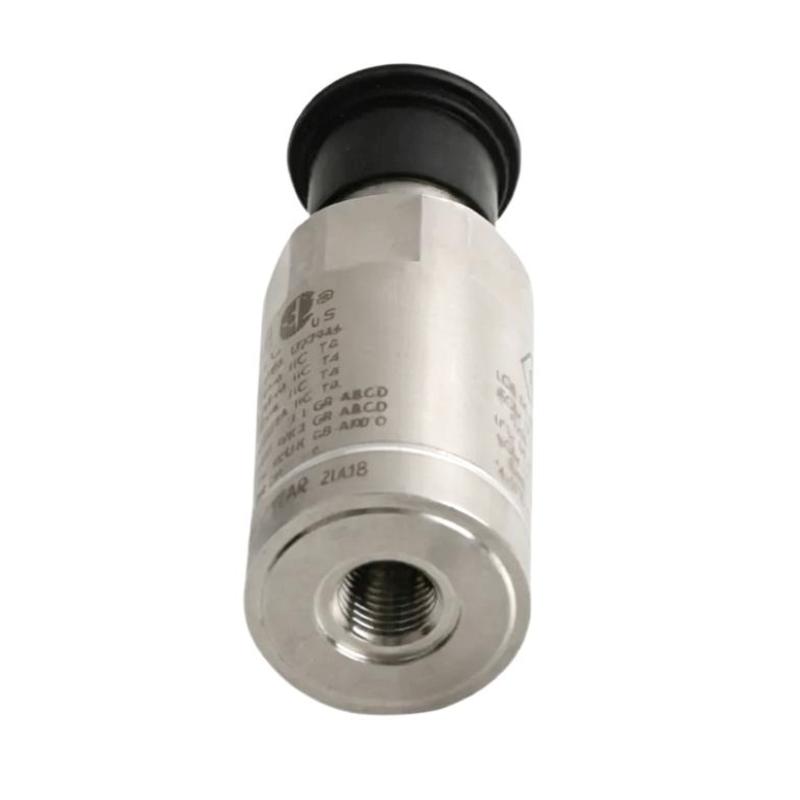
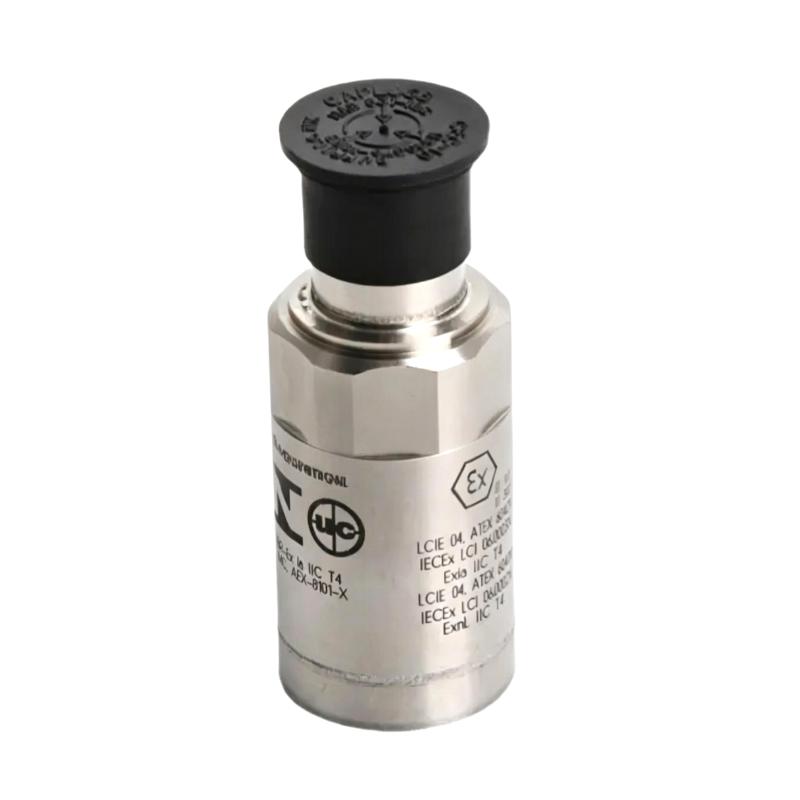
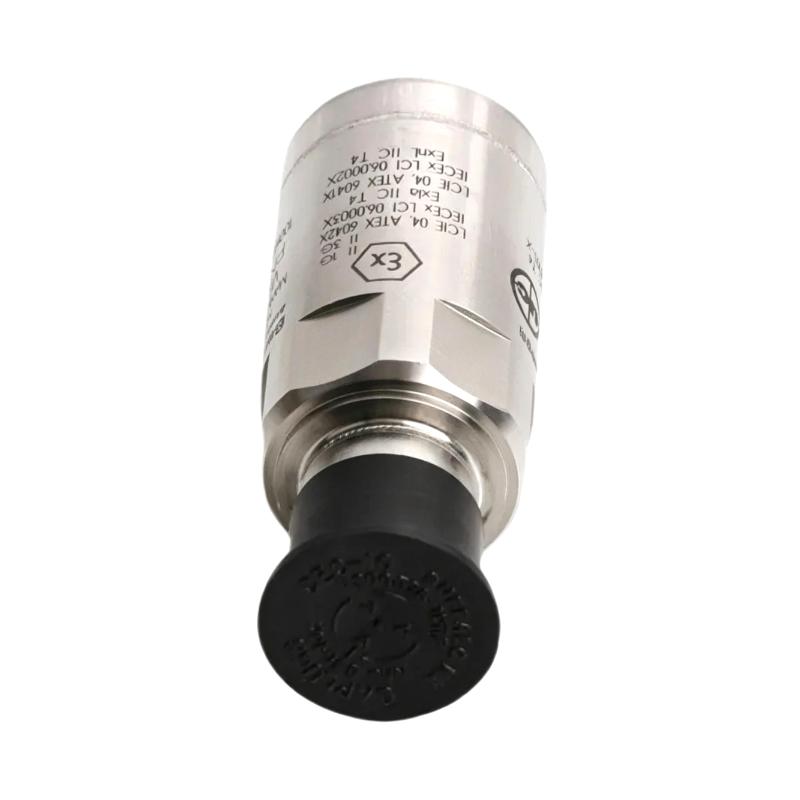
Brand:Bently Nevada PLC Item No.:330500-02-CN Product Origin:USA Product Dimensions:Diameter: 25.3 mm Product Weight:0.142 kg Payment:T/T, Western Union, Credit Card Goods_stock:15 Shipping Port:Xiamen, China Lead Time:1-3 Days Condition:Brand New And Original Warranty:1 Year Certificate:COO
The Bently Nevada 330500-02-CN Velomitor Piezoelectric Velocity Sensor is a reliable vibration monitoring solution designed for industrial machinery protection and condition monitoring applications. Utilizing advanced piezoelectric technology, it delivers accurate vibration velocity measurements that help maintenance teams assess equipment health and identify potential issues before they become critical. Its rugged design and dependable performance make it an excellent choice for continuous monitoring of essential rotating assets in demanding industrial environments.
Technical Specifications
Specification
Details
Manufacturer
Bently Nevada
Product Series
Velomitor
Model Number
330500-02-CN
Product Type
Piezoelectric Velocity Sensor
Measurement Type
Vibration Velocity
Sensor Technology
Piezoelectric
Output Signal
Velocity Output
Application
Machinery Condition Monitoring
Mounting Type
Stud Mount
Housing Material
Stainless Steel
Dimensions
Diameter: 25.3 mm
Weight
0.142 kg
Recommended Related Models
Model Number
Product Name
330425-02-05
Industrial Accelerometer
330750-20
High Temperature Accelerometer
330400-02-05
Accelerometer Sensor
3500/44M
Aeroderivative GT Vibration Monitor
Popular Related Models
Model Number
Product Name
3500/42M
Proximitor Seismic Monitor Module
3500/40M
Proximitor Monitor Module
330180-90-00
3300 XL Proximitor Sensor
330130-040-00-00
Extension Cable Assembly
Applications
• Designed for vibration velocity monitoring of rotating machinery such as motors, pumps, fans, compressors, and generators.
• Widely used in power generation, oil & gas, petrochemical, water treatment, and manufacturing industries.
• Suitable for machinery condition monitoring systems requiring direct velocity measurements for equipment health assessment.
• Ideal for predictive maintenance programs focused on reducing unplanned downtime and improving asset reliability.
Key Advantages
• Provides direct vibration velocity output for accurate machinery condition analysis.
• Piezoelectric sensing technology delivers stable and reliable measurement performance.
• Compact and rugged construction supports installation in demanding industrial environments.
• Enables early detection of mechanical faults to improve maintenance efficiency and equipment availability.
Technical FAQs
Q1: What is the primary function of the 330500-02-CN Velomitor Sensor?
A: It measures vibration velocity and converts mechanical vibration into an electrical signal for monitoring and analysis.
Q2: What type of sensing technology does it use?
A: It utilizes piezoelectric sensing technology to provide accurate vibration measurements.
Q3: What machinery can be monitored with this sensor?
A: It is commonly used on motors, pumps, compressors, fans, turbines, and generators.
Q4: Why measure vibration velocity instead of acceleration?
A: Velocity measurements are often preferred for evaluating the overall mechanical condition of rotating machinery.
Q5: Is the sensor suitable for continuous online monitoring?
A: Yes, it is designed for permanent installation in continuous condition monitoring systems.
Q6: Can it be integrated with machinery protection systems?
A: Yes, it is widely used with vibration monitoring and protection platforms.
Q7: Does it require contact with moving machine parts?
A: No, it is mounted to the machine housing or structure rather than rotating components.
Q8: Is it suitable for harsh industrial environments?
A: Yes, it is built to withstand demanding industrial operating conditions.
Q9: What types of faults can vibration velocity monitoring help identify?
A: It can help detect imbalance, misalignment, looseness, bearing wear, and other mechanical issues.
Q10: How does vibration monitoring improve reliability?
A: It provides early warning of developing faults, allowing maintenance to be scheduled before equipment failure occurs.