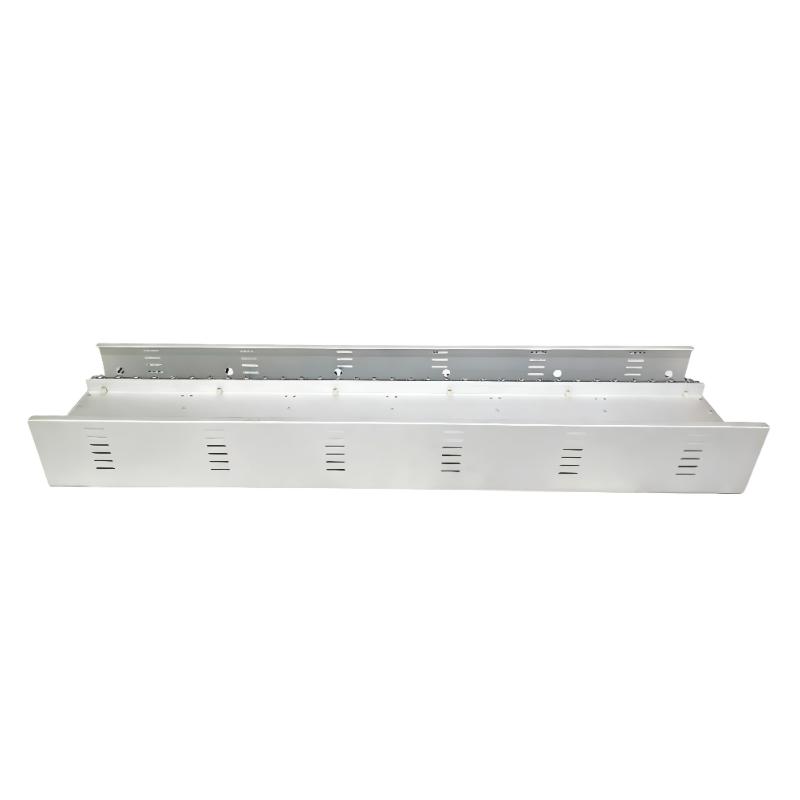
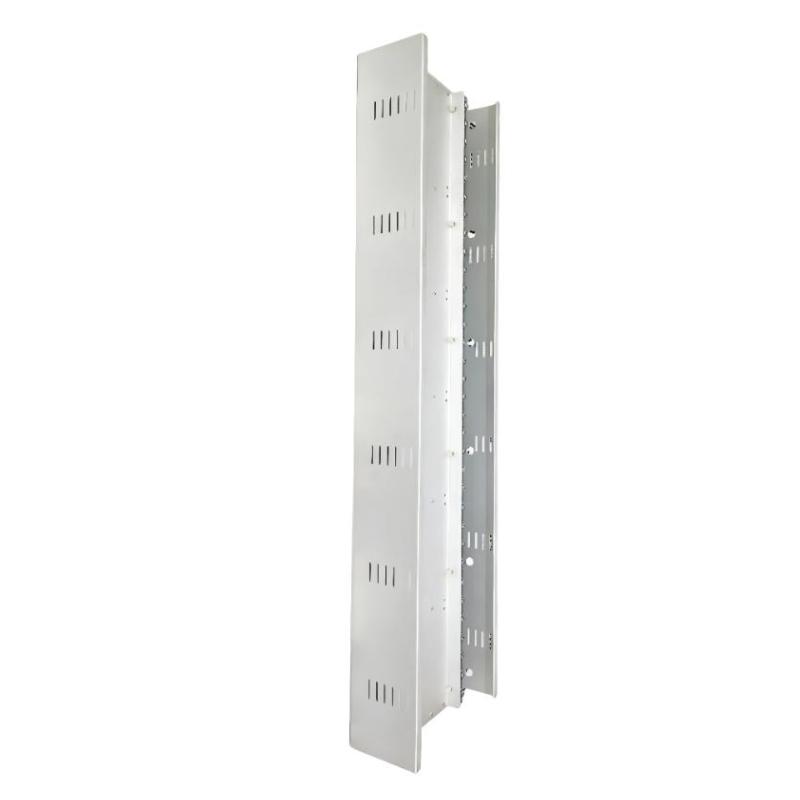
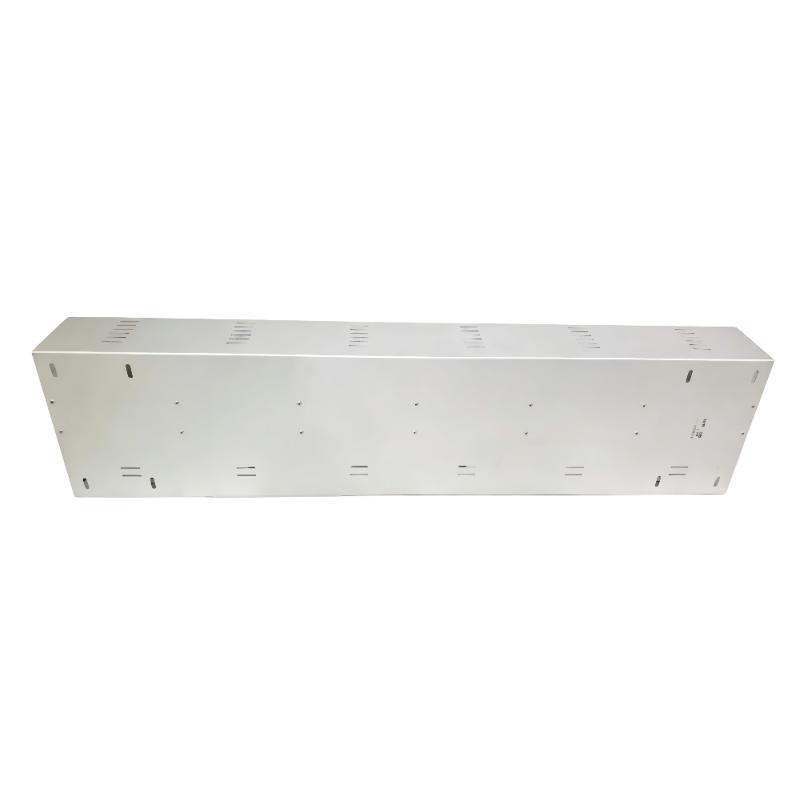
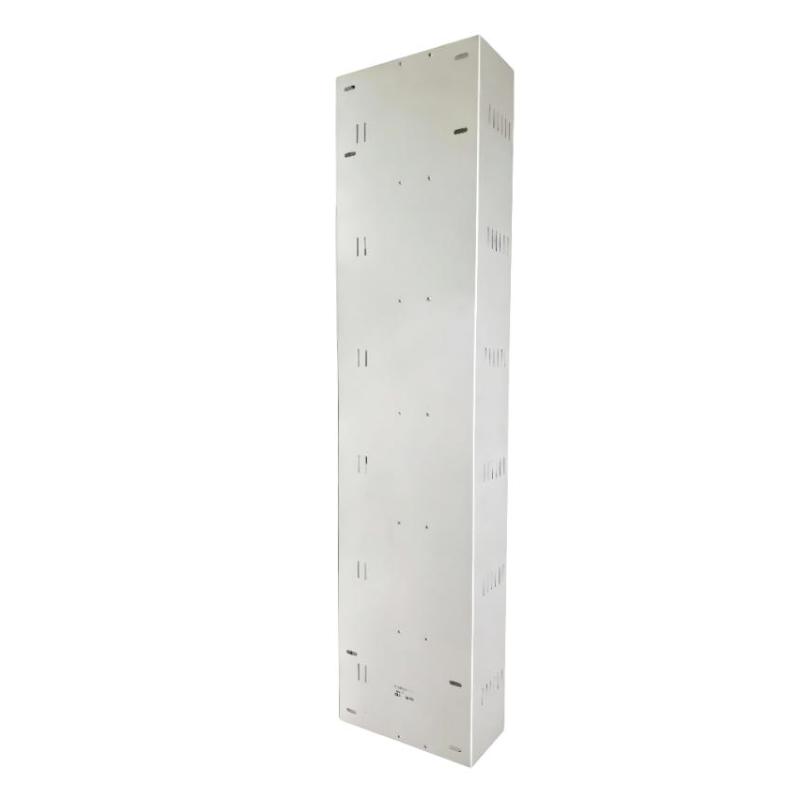
Brand:Honeywell DCS Item No.:MU-TMCN02 Product Origin:USA Product Dimensions:220 x 87 x 50 mm Product Weight:1.2 kg Payment:T/T, Western Union, Credit Card Goods_stock:15 Shipping Port:Xiamen, China Lead Time:1-3 Days Condition:Brand New And Original Warranty:1 Year Certificate:COO
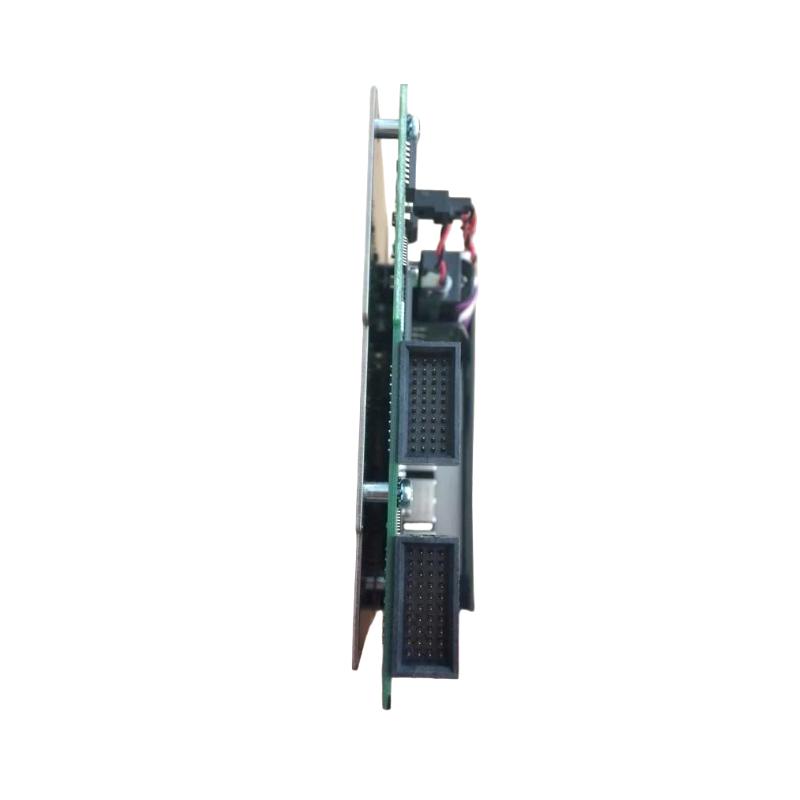
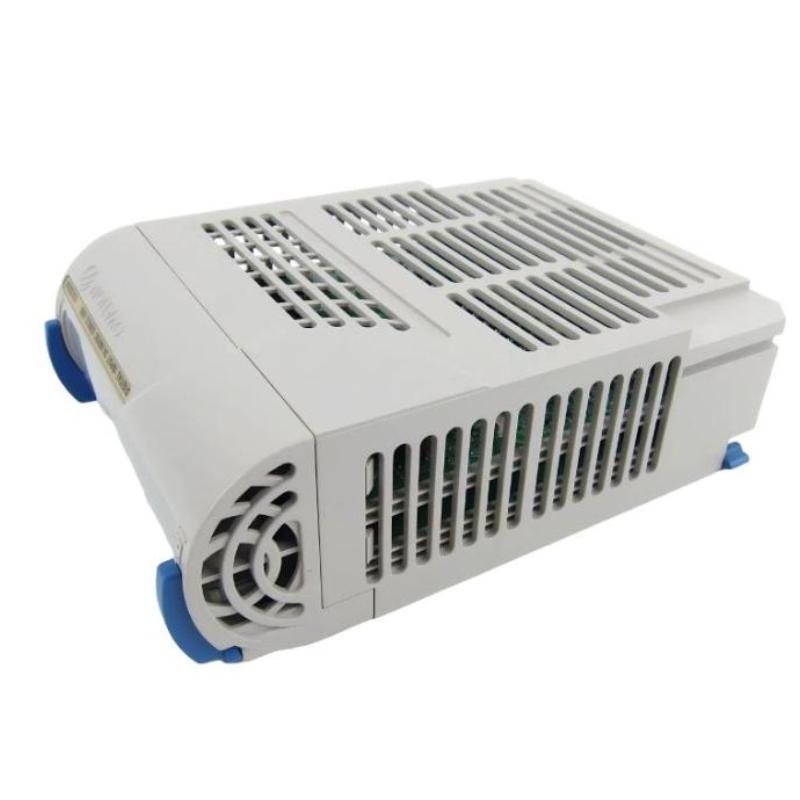
The Honeywell MU-TMCN02 561401846-200 is an FTA installation channel designed to provide secure mechanical support for field termination assemblies within Honeywell control systems. It plays a critical role in organizing and stabilizing wiring infrastructure, ensuring reliable long-term operation of industrial automation cabinets.
Technical Specifications
Parameter
Specification
Model
MU-TMCN02 561401846-200
Manufacturer
Honeywell
Type
FTA Installation / Mounting Channel
Function
Mechanical support for FTA modules
System Compatibility
Honeywell FTA / DCS systems
Material
Industrial-grade metal alloy
Installation
Control cabinet mounting
Structural Role
Module alignment and support
Dimensions
220 × 87 × 50 mm
Weight
1.2 kg
Application
Industrial automation cabinet infrastructure
Recommended Related Models
Model
Product Name
MU-TAMR03
Honeywell FTA Terminal Module
MU-TAIH02
Honeywell Analog Input FTA Module
MU-TDOD12
Honeywell Digital Output FTA Module
MU-TDID72
Honeywell Digital Input FTA Module
Popular Related Models
Model
Product Name
CC-TD0B01
Honeywell Digital Output Module
CC-TDIL01
Honeywell Digital Input Module
8C-TDOBA1
Honeywell Series 8 Output Module
900R4-0200
Honeywell I/O Rack
Applications
• In Honeywell Fault Tolerant Architecture (FTA) systems, this installation channel is used as a mechanical mounting base to securely position Field Termination Assemblies (FTAs) inside control cabinets.
• It is widely applied in process automation environments where stable and organized installation of I/O termination hardware is required for reliable signal routing between field devices and control systems.
• In industrial DCS and safety systems, it is used to support structured wiring layouts, improving accessibility for maintenance, troubleshooting, and system expansion.
• It is deployed in oil & gas, chemical, and power generation facilities where high-density control cabinets require robust and vibration-resistant mounting structures.
• It is suitable for retrofit and system upgrade projects where existing Honeywell FTA assemblies need to be reinstalled or expanded without redesigning cabinet infrastructure.
Key Advantages
• It provides a rigid and stable mounting structure, ensuring secure installation of FTA modules and reducing mechanical stress on wiring connections.
• It improves cabinet organization by creating a standardized installation layout for field termination components.
• It supports efficient maintenance access, allowing technicians to easily inspect or replace connected modules.
• It enhances system reliability by minimizing vibration impact and maintaining consistent module alignment.
• It is designed for long-term industrial durability, making it suitable for continuous operation in harsh process environments.
Technical FAQs
1. What is the main function of this channel?
It provides mechanical support and installation structure for Honeywell FTA modules.
2. Where is it typically used?
It is used in Honeywell FTA-based control cabinets and DCS systems.
3. Does it carry electrical signals?
No, it is a mechanical mounting component only.
4. What does FTA mean in this context?
FTA refers to Field Termination Assembly used for connecting field wiring to control systems.
5. Is it part of a control module system?
It supports control modules but does not perform control or processing functions itself.
6. Why is it important in industrial systems?
It ensures proper alignment and secure installation of termination hardware.
7. Can it be used in retrofit systems?
Yes, it is commonly used in upgrades and replacements of existing FTA setups.
8. Is it resistant to vibration?
Yes, it is designed for stable operation in industrial environments.
9. Does it require maintenance?
Minimal maintenance is needed beyond periodic inspection.
10. What industries use it most?
Oil & gas, petrochemical, power generation, and process industries.