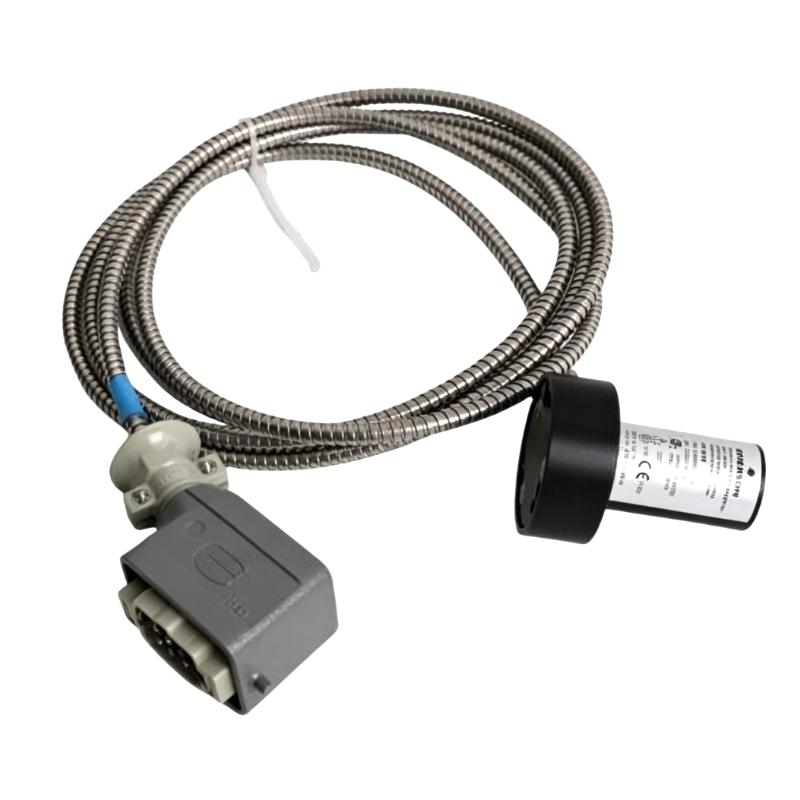
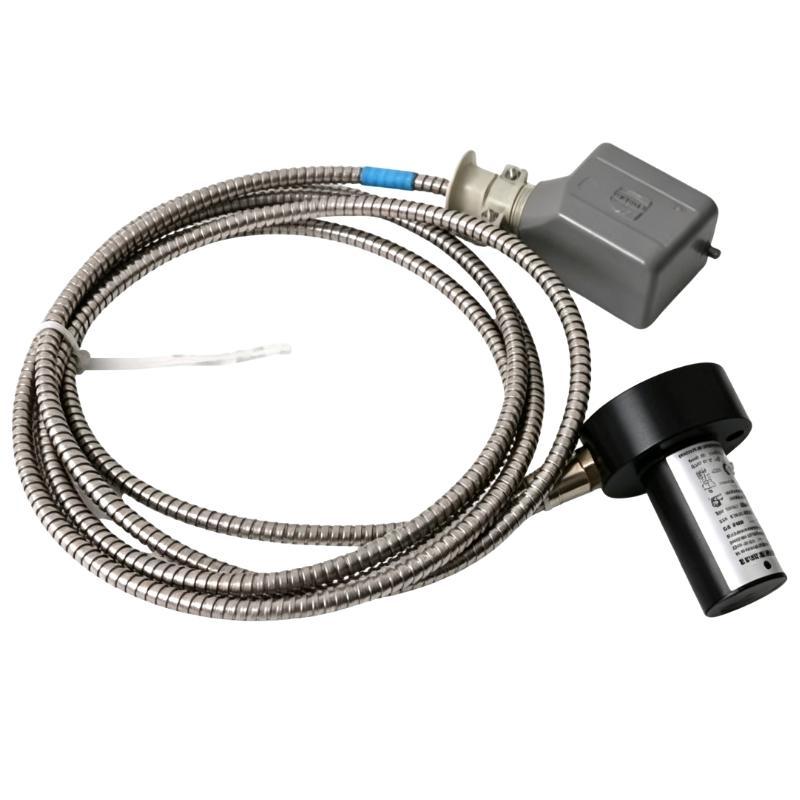
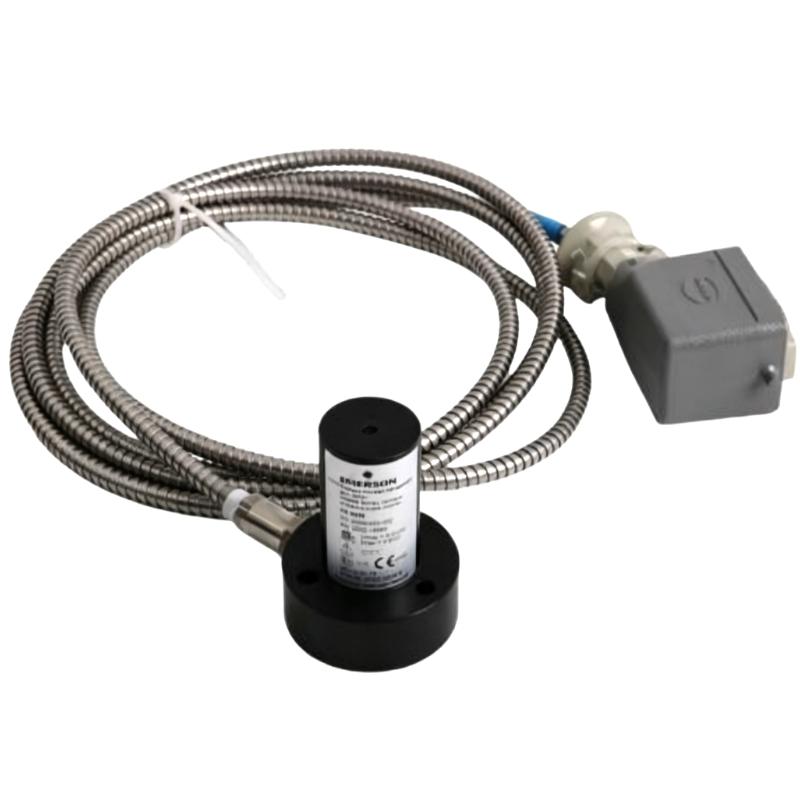
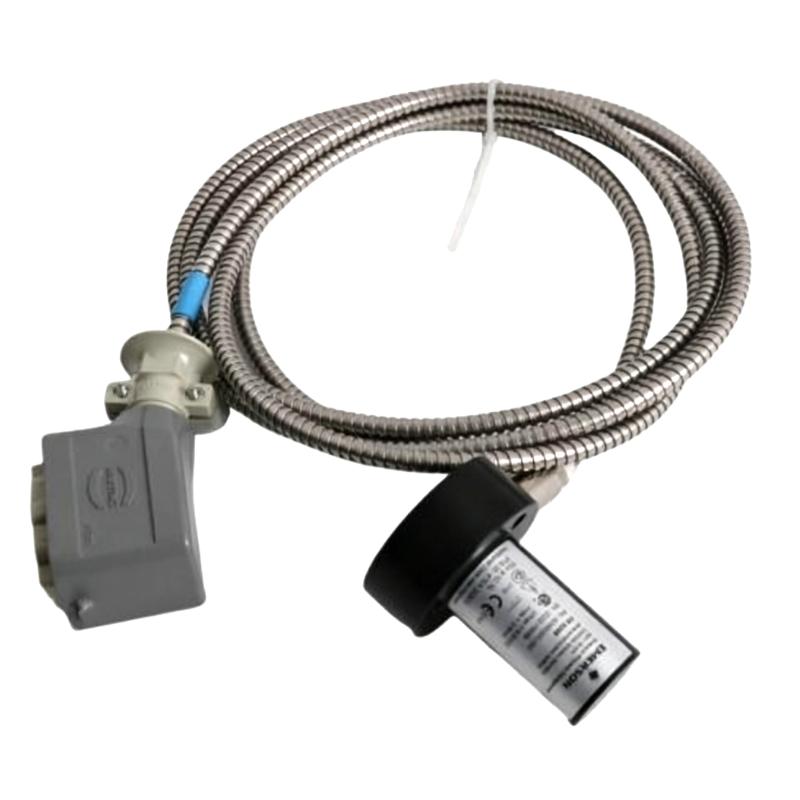
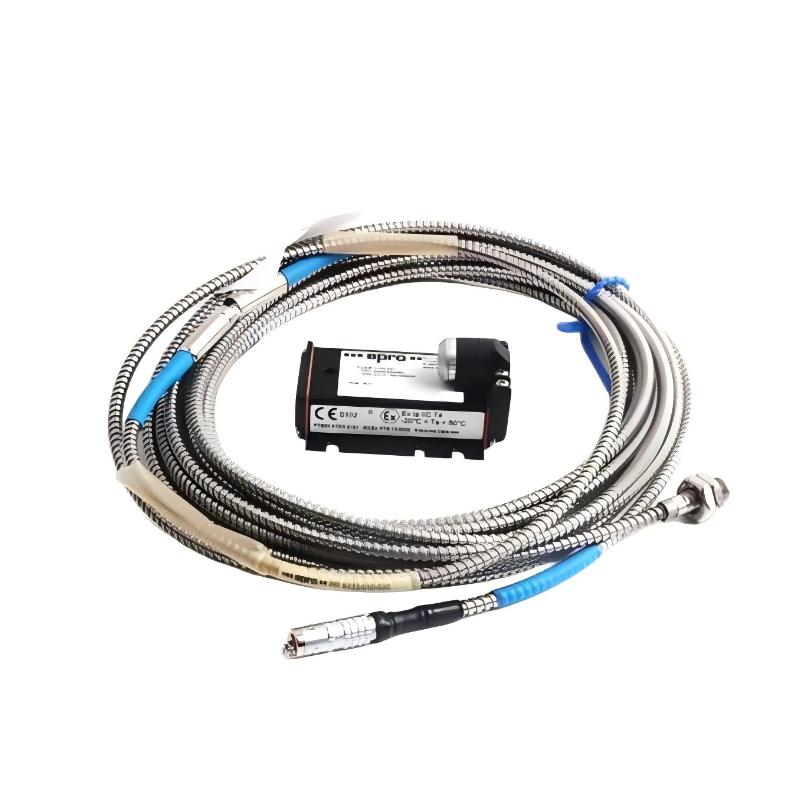
Brand:Epro PLC Item No.:PR9268/017-100 Product Origin:Germany Product Dimensions:78 × 58 mm Product Weight:0.28 kg Payment:T/T, Western Union, Credit Card Goods_stock:15 Shipping Port:Xiamen, China Lead Time:1-3 Days Condition:Brand New And Original Warranty:1 Year Certificate:COO
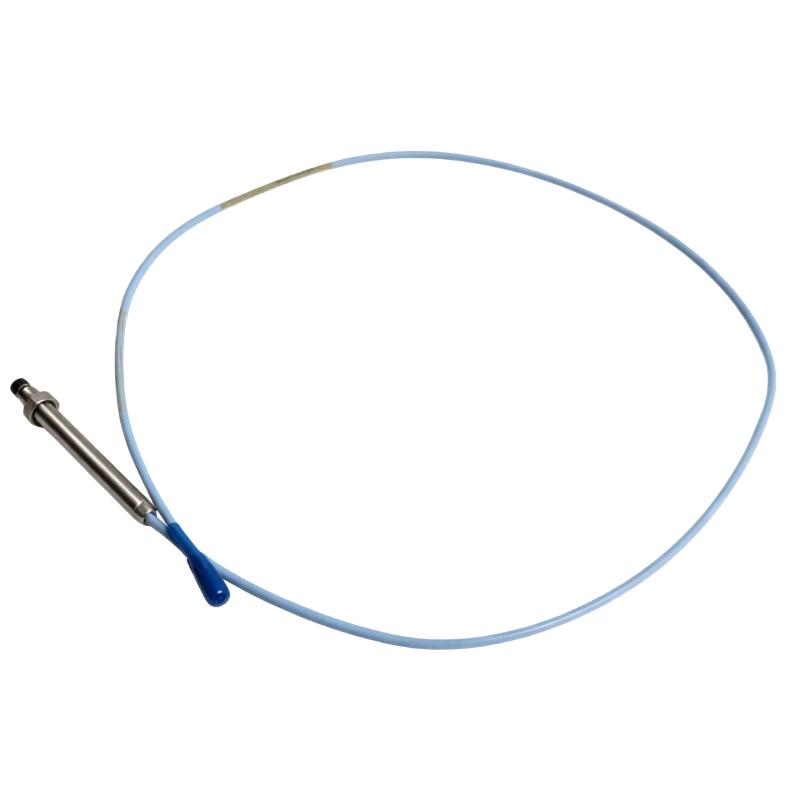
The Epro PR9268/017-100 Electric Speed Sensor is an electrodynamic velocity transducer designed for precise vibration monitoring in critical industrial machinery. It provides reliable, self-powered measurement of casing vibration, making it a key component in machinery protection and condition monitoring systems.
Technical Specifications
Parameter
Specification
Manufacturer
Epro (EPRO / Emerson)
Product Type
Electrodynamic Velocity Sensor
Model Number
PR9268/017-100
Measurement Type
Vibration velocity (non-contact casing vibration)
Sensitivity
17.5 mV/mm/s
Frequency Range
14 – 1000 Hz
Natural Frequency
~14 Hz ± 7%
Output Signal
Analog voltage proportional to velocity
Power Supply
Self-generating (no external power)
Housing Material
Stainless steel
Operating Temperature
-20°C to +100°C
Protection Class
IP65
Weight
~0.28 – 0.8 kg (configuration dependent)
Mounting Type
Threaded stud (industrial mounting)
Recommended Related Models
Model Number
Product Name
Epro PR9268/203-000
Electrodynamic Velocity Sensor
Epro PR9268/301-100
Velocity Sensor Variant
Epro PR6426/000-010
Eddy Current Displacement Sensor
Epro CON021
Signal Converter Module
Popular Related Models
Model Number
Product Name
Epro PR6425/010-130
16 mm Eddy Current Sensor
Epro PR6426/000-030
32 mm Eddy Current Sensor System
Epro PR6423/010-000
Vibration Probe
Epro PR6424/014-040
Eddy Current Sensor Assembly
Applications
• Turbomachinery Speed & Vibration Monitoring
Used for measuring casing vibration and speed-related mechanical behavior in turbines, compressors, and generators.
• Power Generation Systems
Applied in steam, gas, and hydro turbines for critical rotating equipment condition monitoring.
• Oil & Gas Rotating Equipment Protection
Used in compressors, pumps, and high-speed machinery to ensure operational safety and stability.
• Industrial Condition Monitoring Systems
Supports continuous monitoring of vibration trends for predictive maintenance programs.
• Heavy Industry Machinery Diagnostics
Helps detect abnormal rotor dynamics such as imbalance and misalignment.
• Process Industry Applications
Used in refinery, petrochemical, and chemical plants for machine health monitoring.
• Test & Validation Systems
Suitable for R&D and machinery testing environments requiring accurate vibration feedback.
• API 670 Protection Systems
Commonly integrated into standardized machinery protection architectures.
Key Advantages
• Self-Generating Electrodynamic Design
No external power supply required for signal generation, improving reliability.
• High Sensitivity Measurement
Delivers precise vibration velocity signals for accurate machine condition analysis.
• Stable Industrial Performance
Designed for continuous operation in harsh environments with vibration and temperature stress.
• Wide Frequency Response Range
Effectively captures low to medium-frequency mechanical vibrations.
• Robust Stainless-Steel Housing
Ensures durability in industrial and outdoor installations.