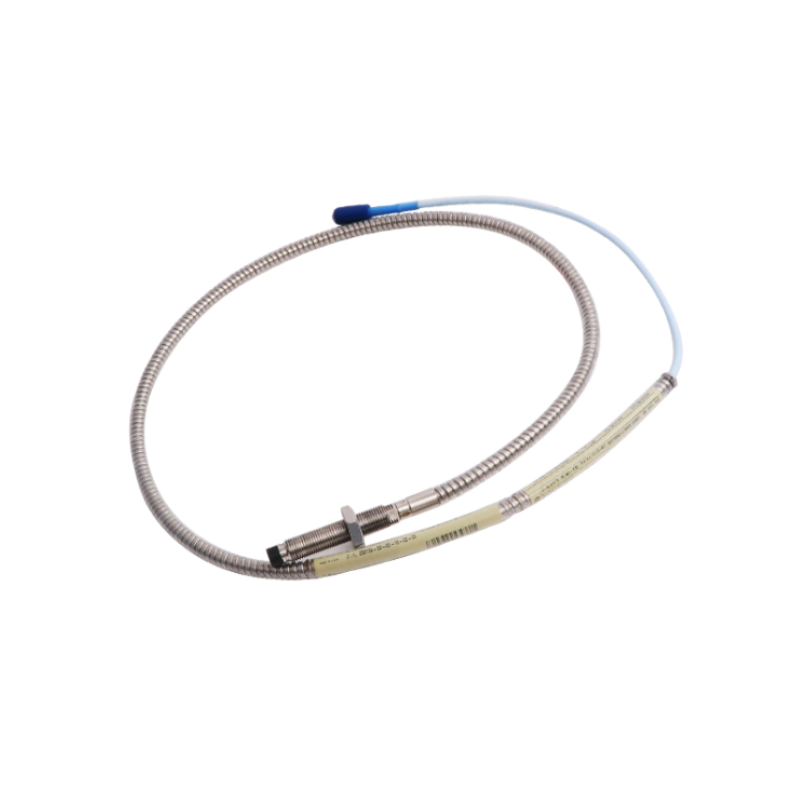
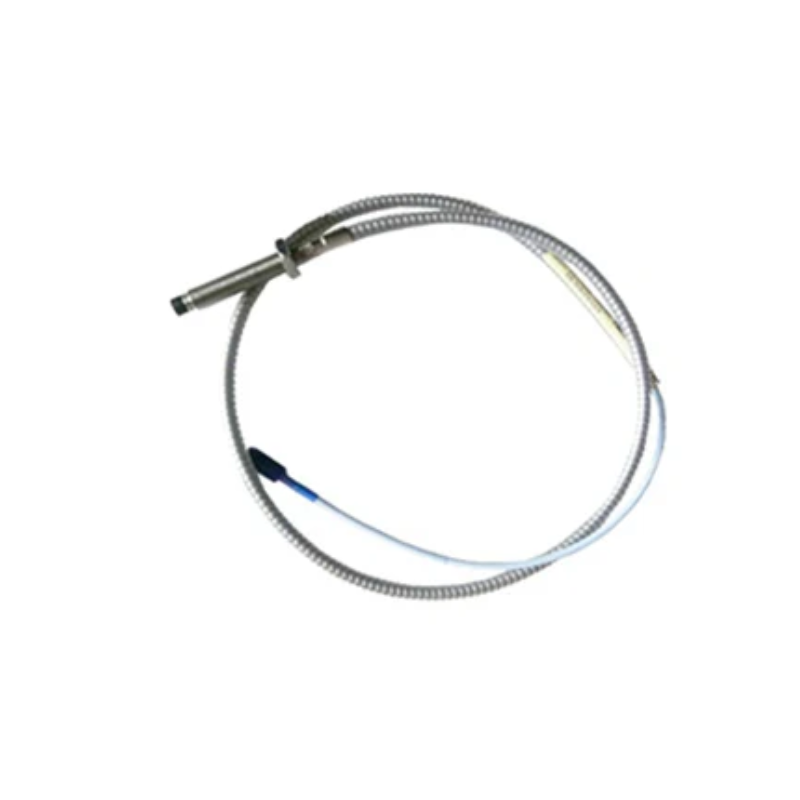
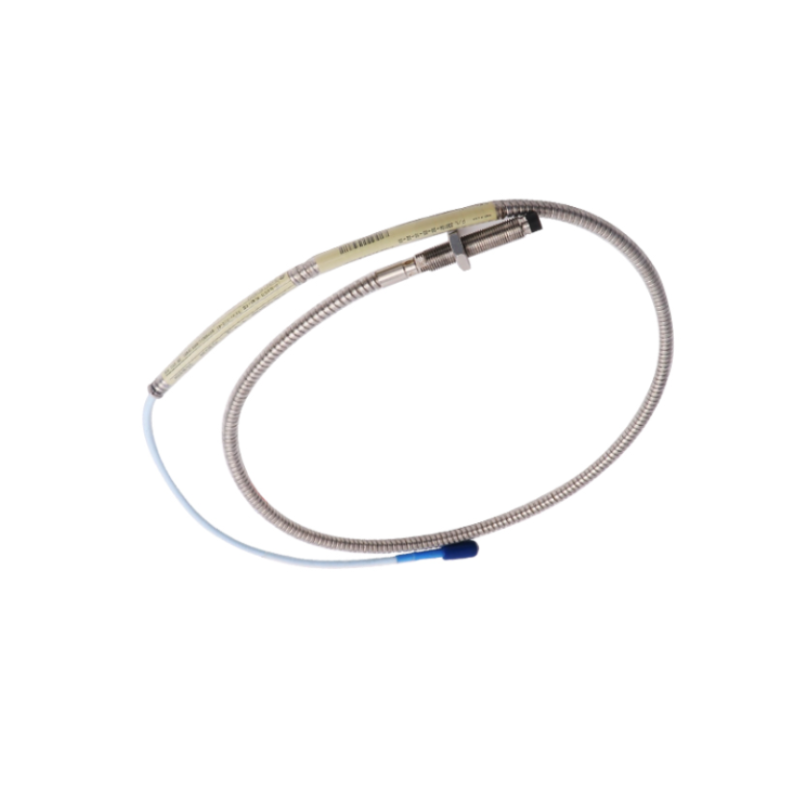
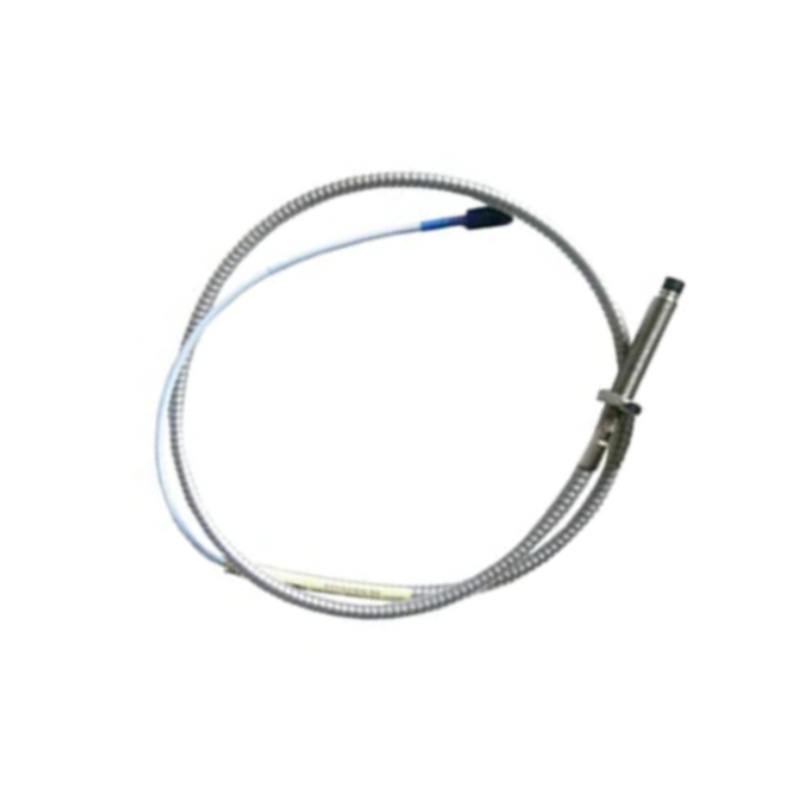
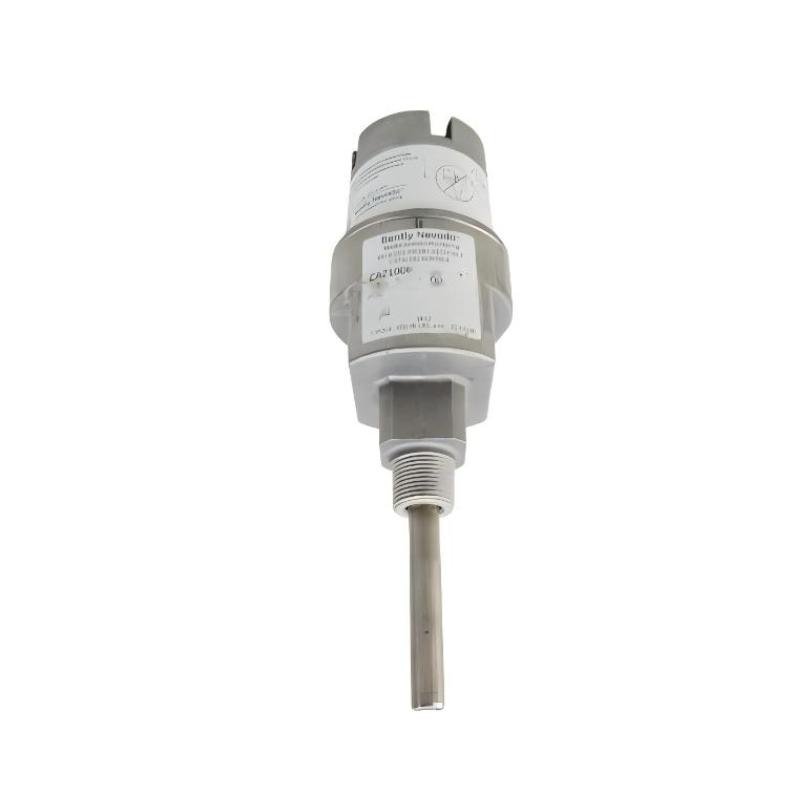
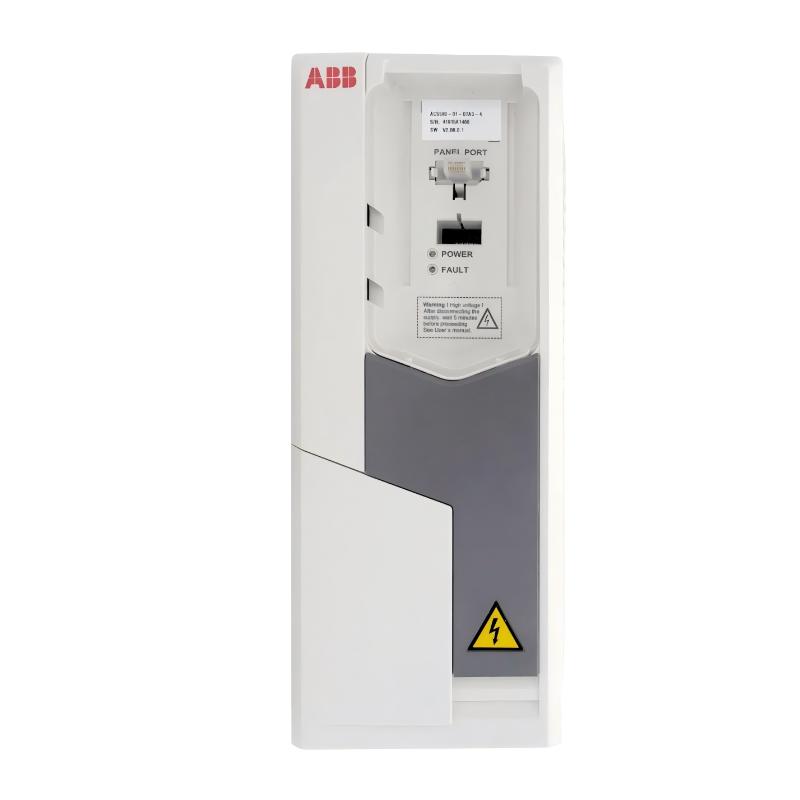
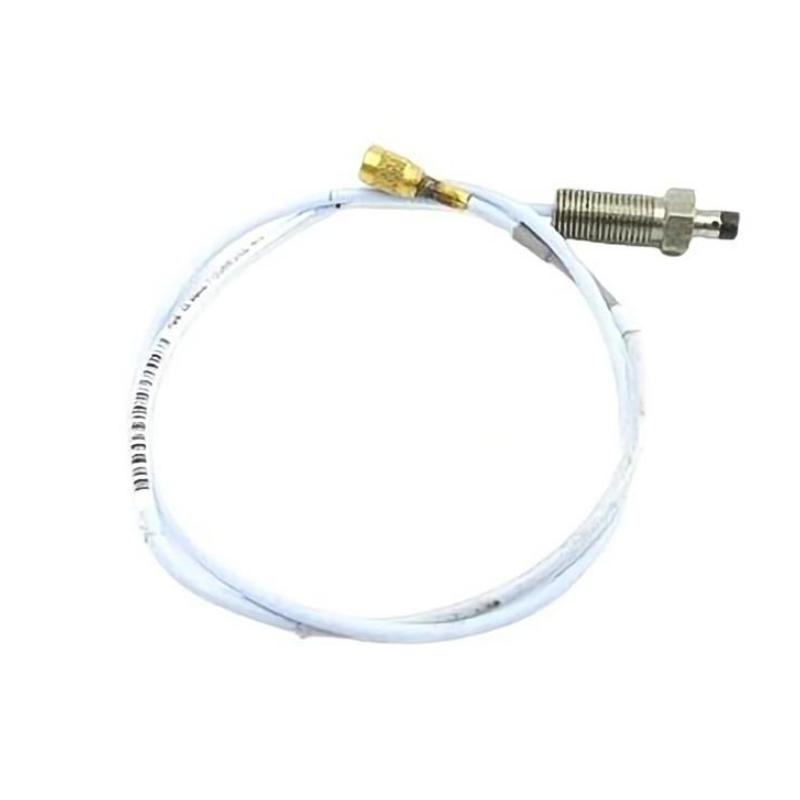
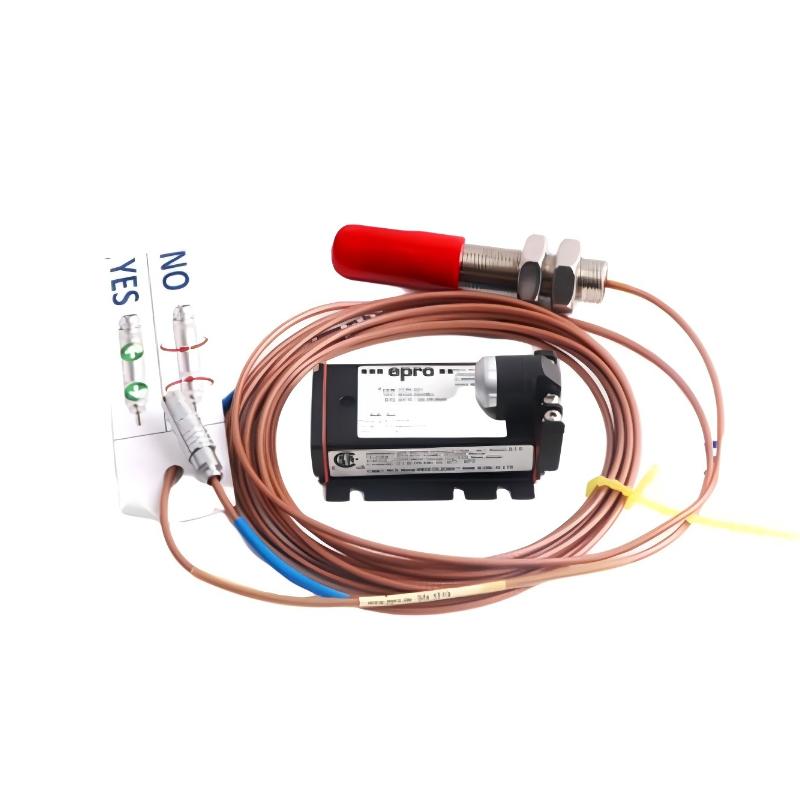
The Bently Nevada 330104-00-25-50-02-CN Proximity Probe Module is a high-reliability eddy-current sensor designed for continuous measurement of shaft vibration and displacement in rotating machinery. As part of the 3300 XL 8 mm proximity transducer system , it delivers stable, non-contact signals that are essential for protecting turbines, compressors, pumps, and other critical rotating assets.
This configuration is commonly identified as a 250 mm case length variant (25 option), 5.0 m total cable length (50 option), ClickLoc connector system (02 option), and CN regional approval package , making it suitable for industrial projects requiring longer cable runs and China-region compliance certification.
Technical Specifications Parameter Specification Manufacturer Bently Nevada Series 3300 XL 8 mm Product Type Proximity Probe Module Model Number 330104-00-25-50-02-CN Measurement Technology Eddy Current (Non-Contact) Probe Diameter 8 mm Thread Type M10 × 1 Case Length 250 mm Total Cable Length 5.0 m Connector Type Miniature coaxial ClickLoc connector Cable Type Industrial shielded cable Housing Material Stainless Steel Probe Tip Material PPS (Polyphenylene Sulfide) System Compatibility 3300 XL Transducer System Environmental Resistance Oil, moisture, vibration, industrial contamination resistant Approval Code CN (China regional compliance configuration) Installation Type Threaded mounting Weight Approx. 0.30–0.35 kg
Recommended Related Models Model Description 330180-90-00 3300 XL Proximitor Sensor 330130-080-00-00 Extension Cable Assembly 3500/42M Machinery Protection Monitor Module 3500/22M Communication Gateway Module 3500/15 Power Supply Module 330105-02-12-10-02-00 11 mm High-Sensitivity Probe
Popular Bently Nevada Models Model Product Type 3500/15 Power Supply Module 3500/22M Communication Module 3500/42M Vibration Monitoring Module 3500/60 Temperature Monitoring Module 330180-90-00 Proximitor Sensor 330104-00-25-50-02-CN Proximity Probe Module
Typical Applications
Steam turbine vibration monitoring systems
Gas turbine shaft displacement measurement
Compressor condition monitoring
Generator rotor dynamic tracking
Centrifugal pump diagnostics
Petrochemical processing facilities
Oil & gas production plants
Power generation stations
Heavy industrial rotating machinery
Predictive maintenance systems
Key Advantages
High-precision non-contact eddy-current measurement
Stable signal performance for 24/7 monitoring
Extended 250 mm probe body for installation flexibility
Long 5.0 m cable suitable for large industrial layouts
CN regional compliance configuration for regulated deployments
Strong resistance to oil, dust, vibration, and moisture
Seamless integration with 3300 XL monitoring systems
Supports early fault detection and predictive maintenance
Reduces unplanned downtime and maintenance costs
Proven reliability in mission-critical applications
Technical FAQs 1. What is the main function of this probe? It measures shaft vibration, displacement, and position in rotating machinery using eddy-current technology.
2. What system is it designed for? It is designed for the Bently Nevada 3300 XL proximity transducer system.
3. What does the “25” code represent? It indicates a 250 mm probe case length configuration based on 3300 XL coding structure.
4. What does the “50” code represent? It represents a 5.0 m total system cable length configuration.
5. What does the “CN” suffix mean? It indicates a China regional compliance / approval configuration for specific industrial markets.
6. Does this probe require contact with the shaft? No, it operates using non-contact eddy-current sensing technology.
7. Which industries commonly use this model? Power generation, oil & gas, petrochemical, manufacturing, and heavy industry.
8. Can it be used in harsh environments? Yes, it is designed for high vibration, moisture, oil, and dust-prone environments.
9. What equipment is it typically installed on? Turbines, compressors, pumps, and generators.
10. Why is the 3300 XL series widely trusted? Because it provides high accuracy, rugged construction, and long-term stability in critical machinery protection systems.
Look forward to your comments! Comment