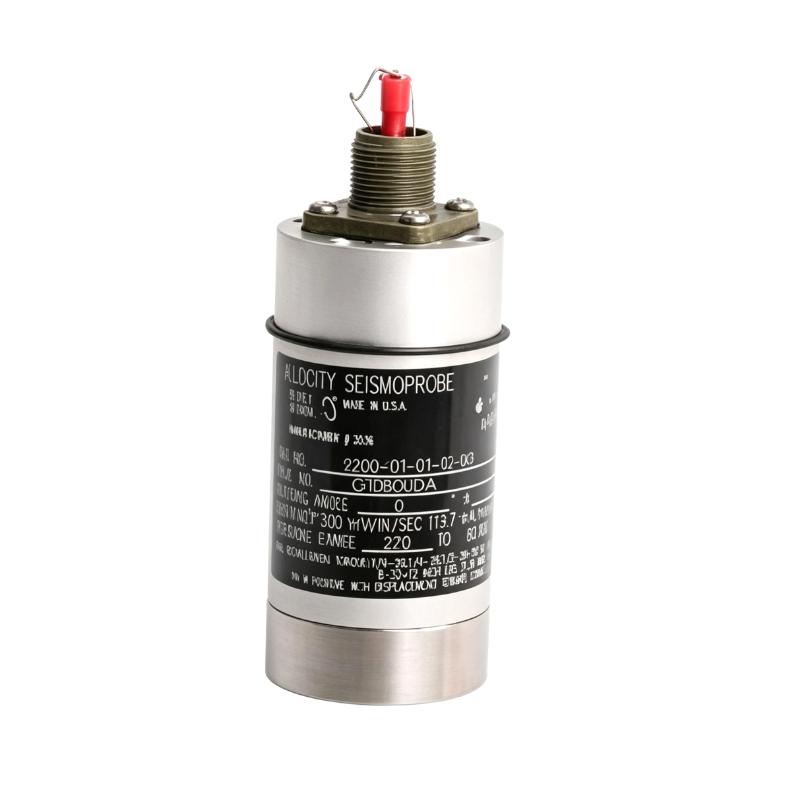
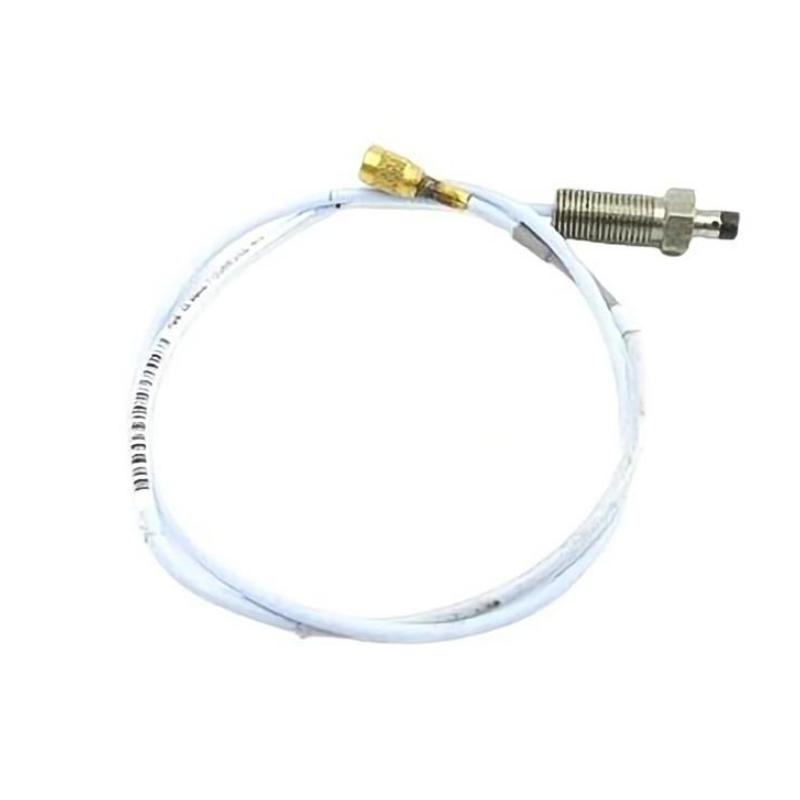
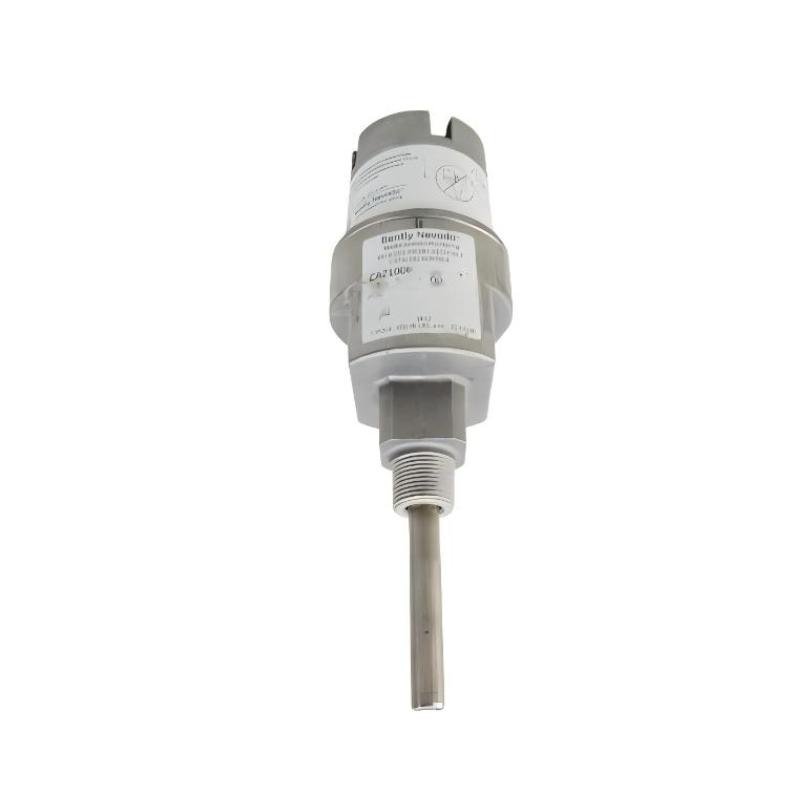
Bently Nevada 9200-06-05-05-00 Dual Linear Velocity Seismic Sensor
Bently Nevada 9200-06-05-05-00 Dual Linear Velocity Seismic Sensor
0.0
Points
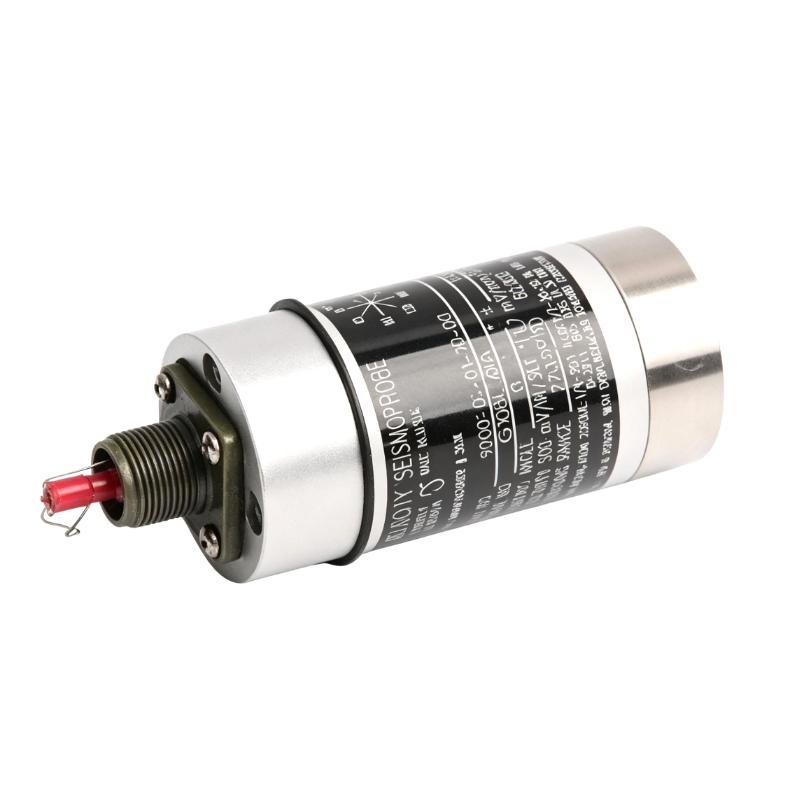
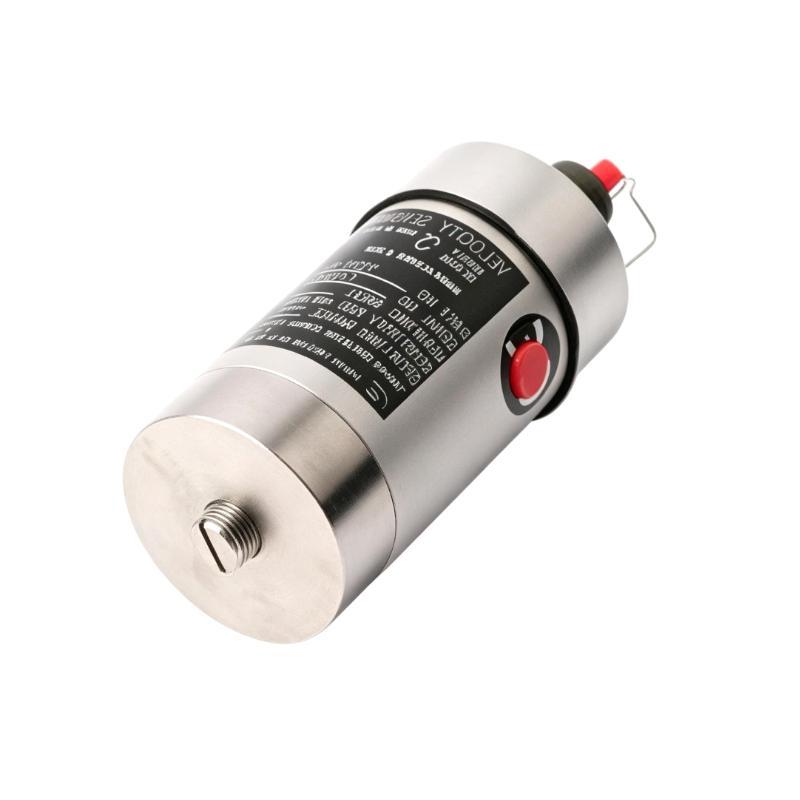
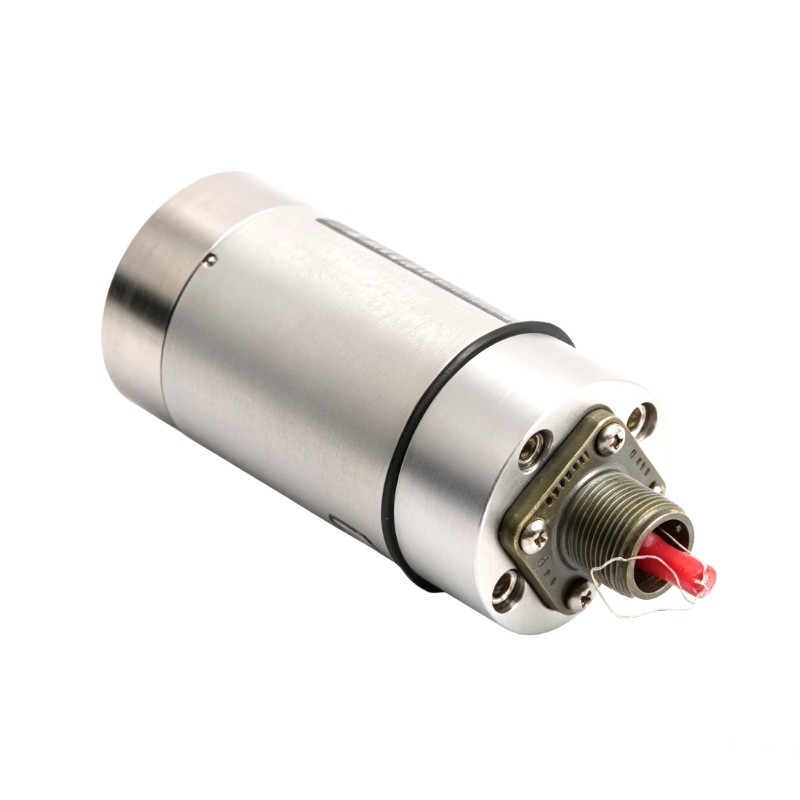
Brand:Bently Nevada PLC Item No.:9200-06-05-05-00 Product Origin:USA Product Dimensions:Sensor Diameter: 41.4 mm Product Weight:0.3 kg Payment:T/T, Western Union, Credit Card Goods_stock:15 Shipping Port:Xiamen, China Lead Time:1-3 Days Condition:Brand New And Original Warranty:1 Year Certificate:COO
The Bently Nevada 9200-06-05-05-00 Dual Linear Velocity Seismic Sensor is an industrial-grade vibration monitoring device designed to measure linear velocity and detect structural vibration behavior in critical machinery systems.
It is specifically engineered for applications where low-frequency seismic and structural vibrations must be monitored with high stability and accuracy. By capturing subtle changes in machine and foundation movement, it supports early fault detection and enhances predictive maintenance strategies in demanding industrial environments.
Technical Specifications
Parameter
Description
Model
Bently Nevada 9200-06-05-05-00
Sensor Type
Dual linear velocity seismic sensor
Measurement Principle
Velocity-based vibration detection
Frequency Response
Low-frequency structural vibration range
Mounting Type
Rigid industrial mounting configuration
Housing Diameter
41.4 mm
Electrical Interface
Industrial signal output connection
Operating Environment
Harsh industrial conditions
Weight
0.3 kg
Recommended Related Models
Model
Product Name
Bently Nevada 9200-05-05-05-00
Single Channel Velocity Seismic Sensor
Bently Nevada 330400-90-00
Accelerometer Vibration Sensor Module
Bently Nevada 990-05-50-02-01
Vibration Transmitter Unit
Bently Nevada 3500/42M
Dual Channel Vibration Monitoring Module
Popular Related Models
Model
Product Name
Bently Nevada 3300 XL 8 mm
Proximity Probe System
Bently Nevada 330780-50-00
Proximitor Sensor Interface Module
Bently Nevada 3500/32M
Relay Output Control Module
Bently Nevada 3500/93
System Display Interface Module
Applications
• Turbine casing vibration and structural monitoring in power generation systems
Used to detect low-frequency structural movement and early-stage mechanical instability in large rotating equipment.
• Compressor foundation and skid vibration monitoring in oil and gas facilities
Helps identify abnormal vibration transmission from machinery to structural bases.
• Pump station mechanical stability tracking in water treatment and industrial plants
Supports continuous observation of vibration trends affecting pump efficiency and reliability.
• Gearbox and drivetrain condition monitoring in heavy industrial systems
Detects misalignment, gear wear, and structural resonance conditions at an early stage.
• HVAC and large ventilation system vibration analysis in commercial infrastructure
Ensures stable operation of large air handling units and reduces structural fatigue risk.
• General-purpose seismic vibration monitoring for industrial asset protection
Provides reliable feedback for safety-critical vibration detection across multiple equipment types.
Key Advantages
• Dual linear velocity sensing architecture for improved measurement reliability
Provides more stable vibration detection across multiple axes compared to single-axis designs.
• High sensitivity to low-frequency structural vibration signals
Enables early detection of foundation and frame-related mechanical issues.
• Robust industrial-grade construction for harsh operating environments
Maintains stable performance under high temperature, vibration, and electrical noise conditions.
• Strong compatibility with industrial monitoring and protection systems
Easily integrates with PLC, DCS, and condition monitoring platforms.
• Consistent signal output for long-term predictive maintenance programs
Supports trend analysis and early fault detection strategies.
• Compact sensor design with simplified installation requirements
Suitable for both retrofit applications and new machinery installations.
Technical FAQs
Q1: What is the primary function of this sensor?
A: It measures linear velocity vibration to monitor structural and machine condition.
Q2: What type of vibration does it detect most effectively?
A: It is optimized for low-frequency structural and seismic vibration.
Q3: Can it be used on rotating machinery?
A: Yes, it is commonly used on turbines, compressors, and large rotating assemblies.
Q4: Does it support continuous monitoring?
A: Yes, it is designed for continuous industrial vibration monitoring.
Q5: What output signal does it provide?
A: It provides a velocity-based vibration signal for monitoring systems.
Q6: Is it suitable for harsh environments?
A: Yes, it is built for industrial environments with high noise and vibration.
Q7: Can it detect foundation issues?
A: Yes, it is widely used for detecting structural and foundation vibration anomalies.
Q8: Is it compatible with condition monitoring systems?
A: Yes, it integrates with PLC, DCS, and dedicated monitoring platforms.
Q9: Does it require frequent recalibration?
A: No, it is designed for long-term stability with minimal adjustment needs.
Q10: Is it suitable for retrofit installations?
A: Yes, it is commonly used in both retrofit and new system deployments.