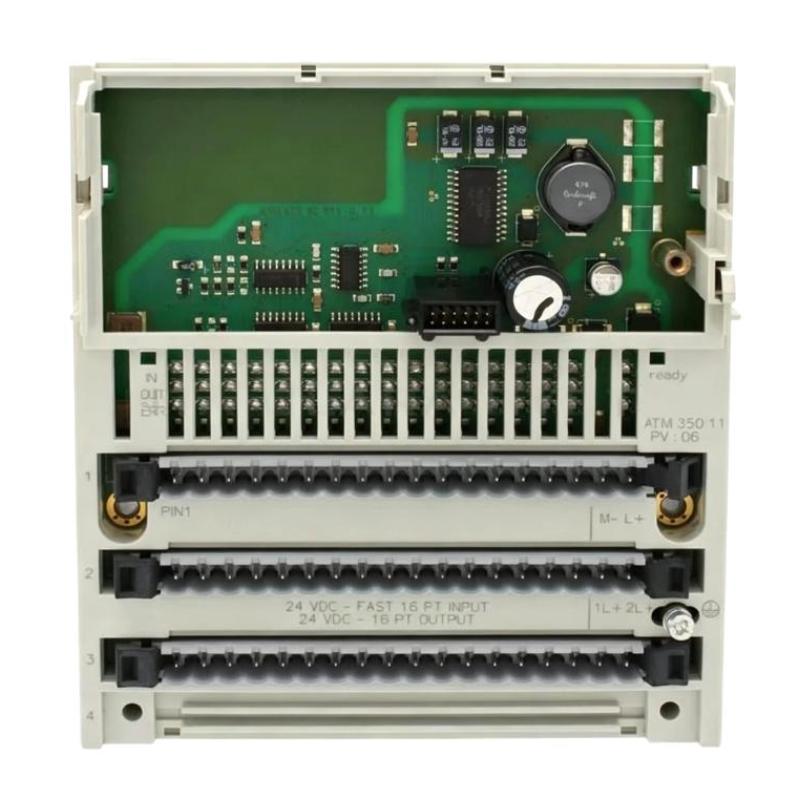
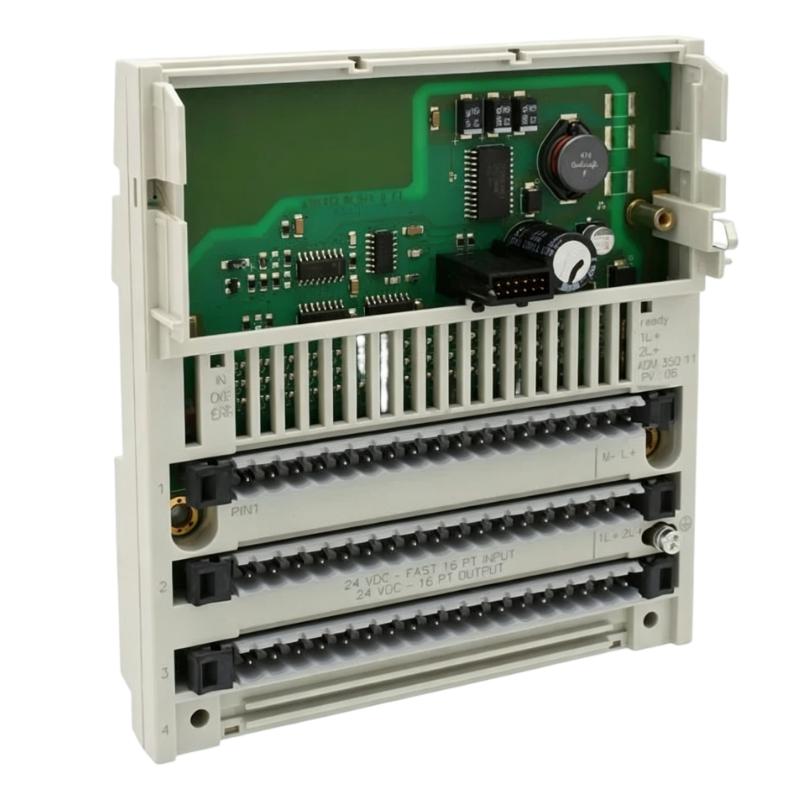
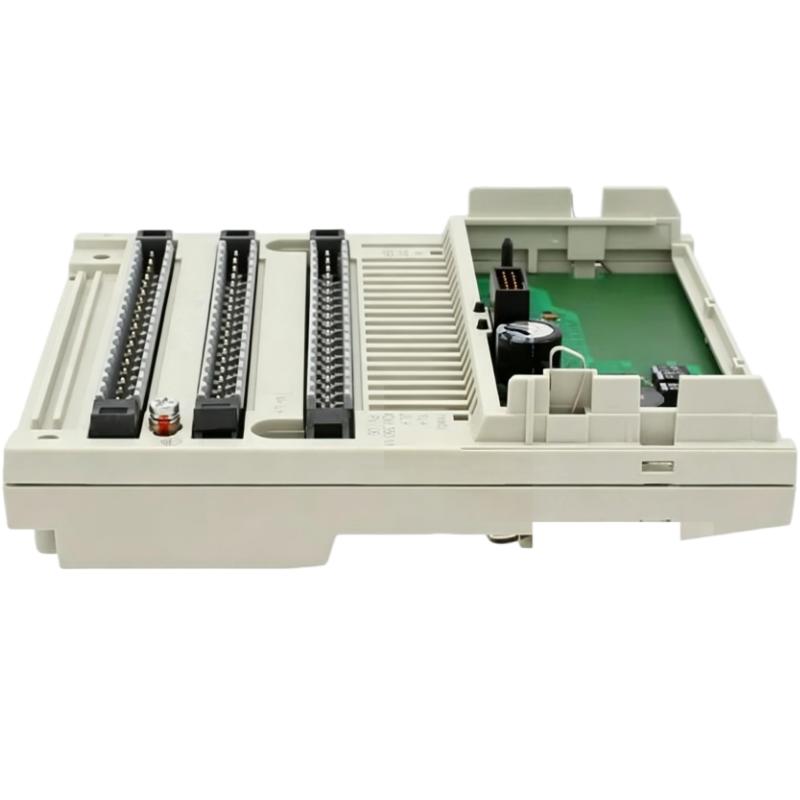
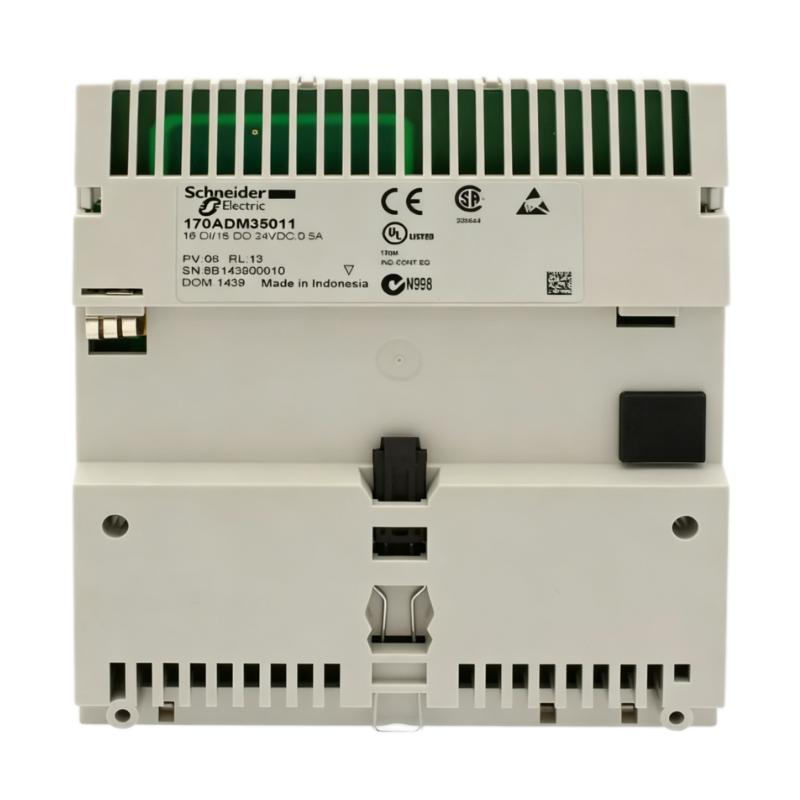
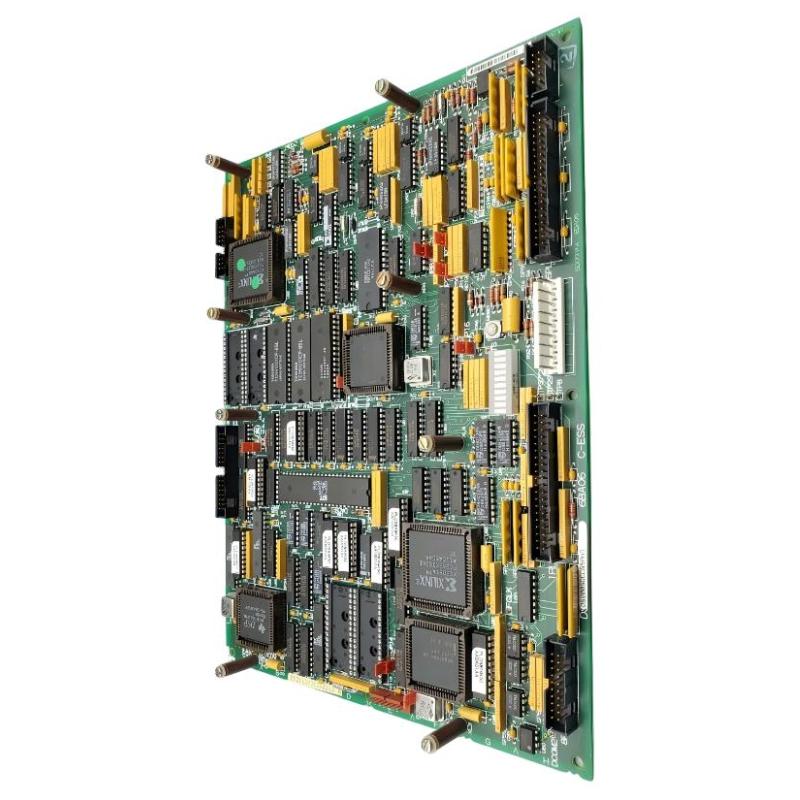
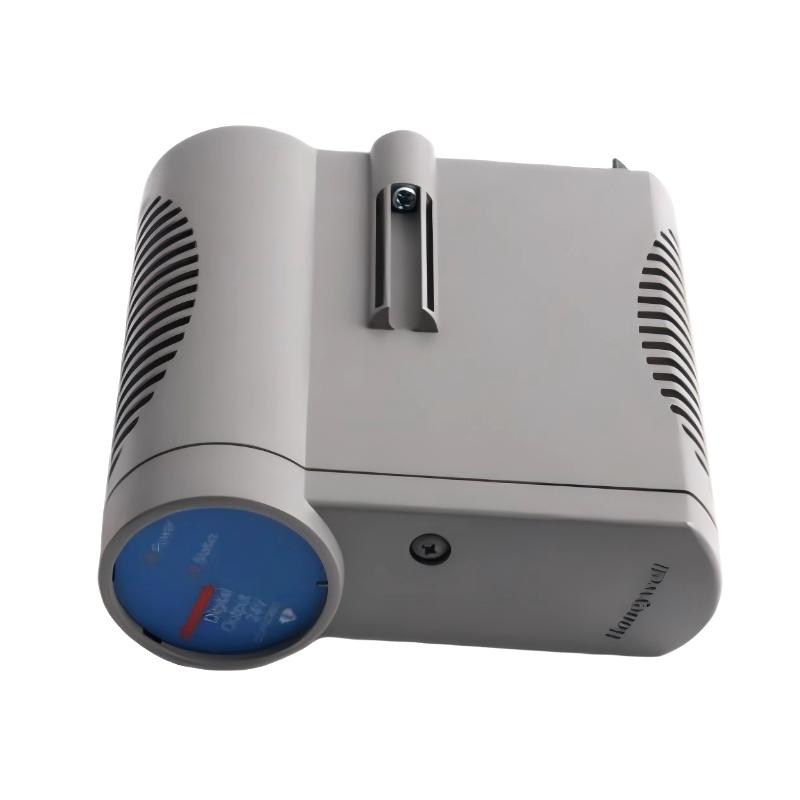
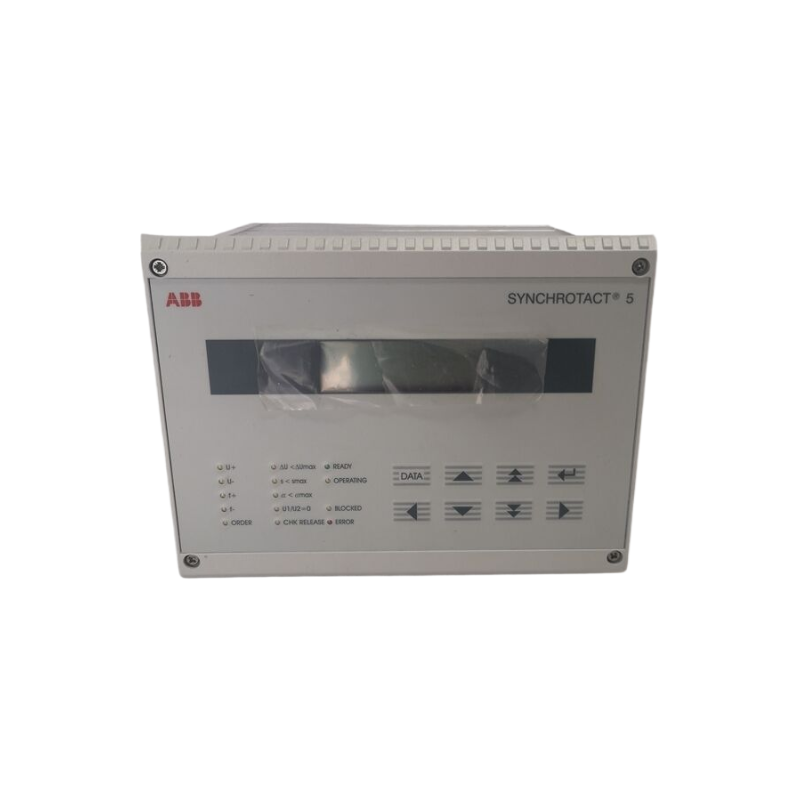
Schneider 170ADM35011 Discrete Solid-state I/O Base
Schneider 170ADM35011 Discrete Solid-state I/O Base
0.0
Points
Brand:Schneider PLC Item No.:170ADM35011 Product Origin:France Product Dimensions:141.5 x 125 x 47.5 mm Product Weight:0.2 kg Payment:T/T, Western Union, Credit Card Goods_stock:15 Shipping Port:Xiamen, China Lead Time:1-3 Days Condition:Brand New And Original Warranty:1 Year Certificate:COO
The Schneider 170ADM35011 Discrete Solid-state I/O Base is designed for flexible industrial automation applications that require both input monitoring and output control within a single compact module. As part of the Modicon Momentum platform, it supports efficient system architecture by reducing the need for separate I/O modules. Its solid-state design ensures fast response, stable operation, and long-term reliability in demanding industrial environments where consistent performance is critical.
Technical Specifications
Specification
Details
Product Model
Schneider 170ADM35011
Product Type
Discrete Solid-state I/O Base
I/O Type
Combined Input / Output
Platform
Modicon Momentum
Channels
16 Inputs / 16 Outputs
Signal Type
Digital / Solid-state
Dimensions
141.5 × 125 × 47.5 mm
Weight
0.2 kg
Recommended Related Models
Model
Product Name
Schneider 170ADI35000
Discrete Input Module
Schneider 170ADO35000
Discrete Output Module
Schneider 170AAI03000
Analog Input Module
Schneider 170AAO92100
Analog Output Module
Popular Related Models
Model
Product Name
Schneider 170AEC92000
Ethernet Communication Adapter
Schneider 170INT11003
Interbus Communication Module
Schneider 170MCI00700
Modbus Communication Module
Schneider 170ANR12090
Remote I/O Network Adapter
Applications
• Discrete signal acquisition and output control in modular PLC automation systems.
• Industrial production lines requiring combined input/output signal processing.
• Packaging and assembly machinery with coordinated digital control logic.
• Conveyor and logistics automation systems for real-time equipment coordination.
• Water treatment and utility plants for distributed control operations.
• Energy management systems requiring stable switching and monitoring functions.
• Building automation systems integrating multiple field device signals.
• General-purpose industrial control panels using Modicon Momentum architecture.
Key Advantages
• Combines discrete input and output functions in a single solid-state base design.
• Provides fast and reliable signal processing for real-time automation tasks.
• Reduces system complexity by integrating I/O functions in one module.
• Supports stable operation under continuous industrial workloads.
• Strong resistance to electrical noise ensures signal integrity.
• Optimized for seamless integration within Modicon Momentum systems.
• Enhances cabinet space efficiency through compact modular design.
• Improves overall system responsiveness and control precision.
Technical FAQs
Q1. What is the main function of the 170ADM35011 module?
A1. It serves as a combined discrete input and output base for handling digital signals in industrial automation systems.
Q2. What type of control systems typically use this module?
A2. It is commonly used in Modicon Momentum-based distributed control systems.
Q3. Can the module handle both input and output signals simultaneously?
A3. Yes, it is designed as a mixed I/O base supporting both signal acquisition and control output functions.
Q4. What makes solid-state design beneficial in this module?
A4. Solid-state components provide faster switching, higher reliability, and reduced mechanical wear compared to relay-based systems.
Q5. Is the module suitable for high-speed automation processes?
A5. Yes, it is designed for fast signal response in real-time industrial control applications.
Q6. How does it improve system integration efficiency?
A6. By combining multiple I/O functions, it reduces wiring complexity and simplifies system architecture.
Q7. What environments is this module designed for?
A7. It is built for industrial environments with electrical noise, vibration, and continuous operation demands.
Q8. Can it be used in distributed control systems?
A8. Yes, it is commonly deployed in distributed automation architectures for localized control.
Q9. What ensures long-term operational stability?
A9. Industrial-grade components and robust internal design help maintain consistent performance over time.
Q10. How is troubleshooting typically performed?
A10. Diagnostics are usually done through PLC system monitoring and checking field wiring and signal status indicators.