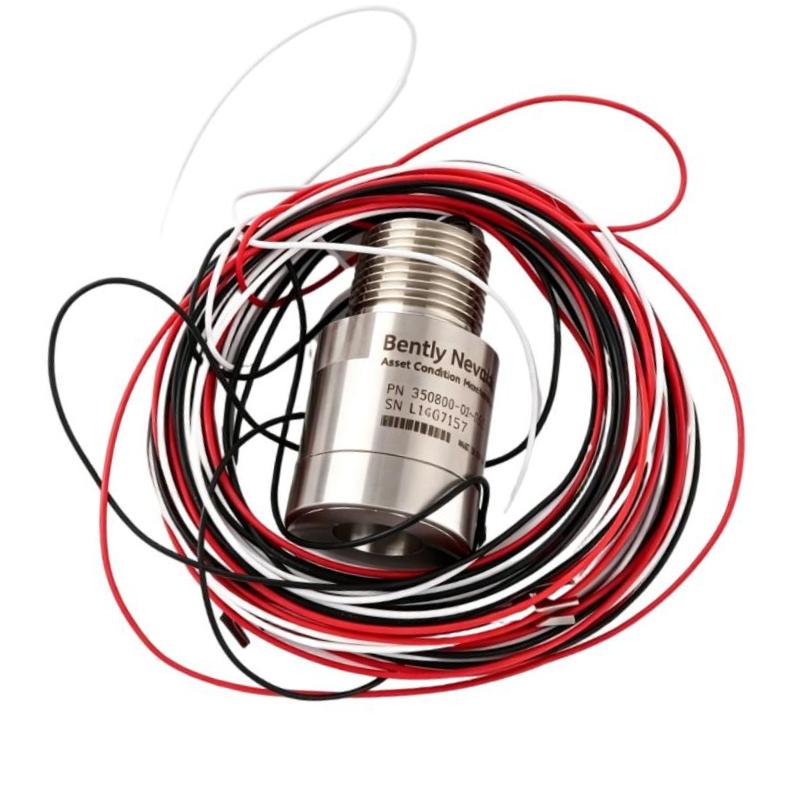
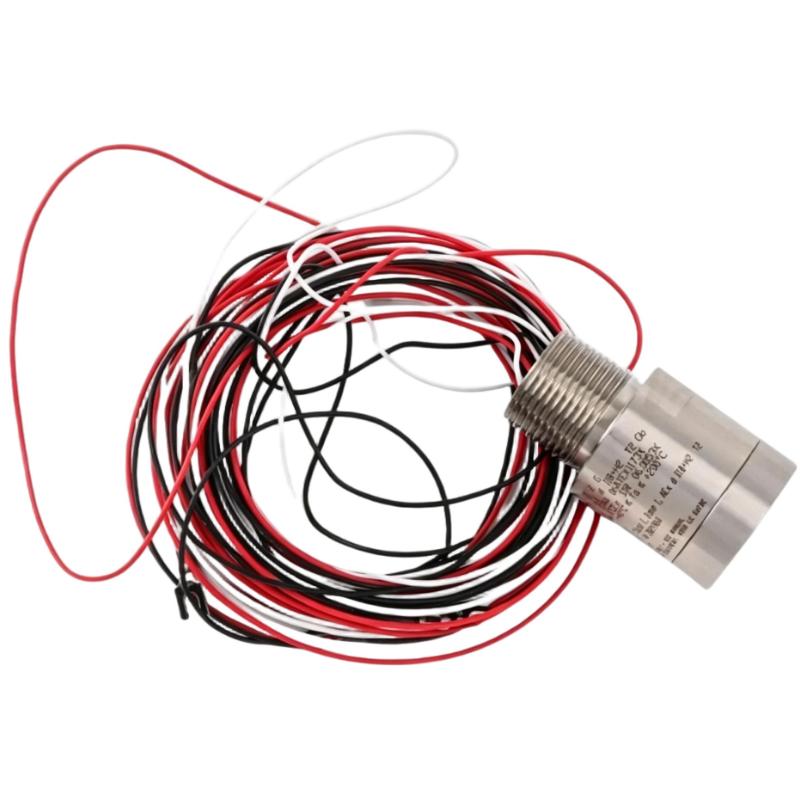
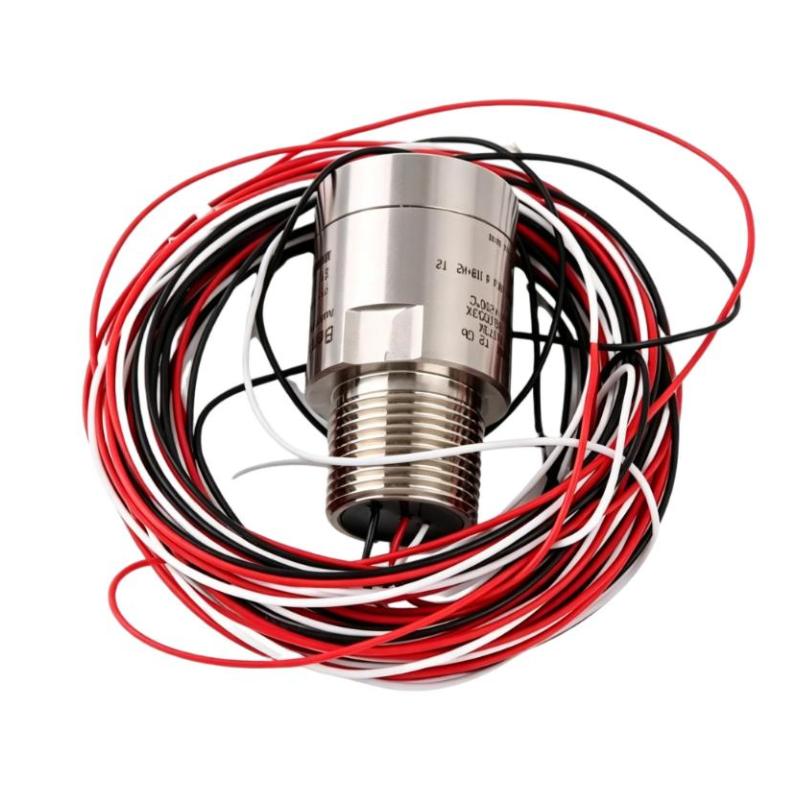
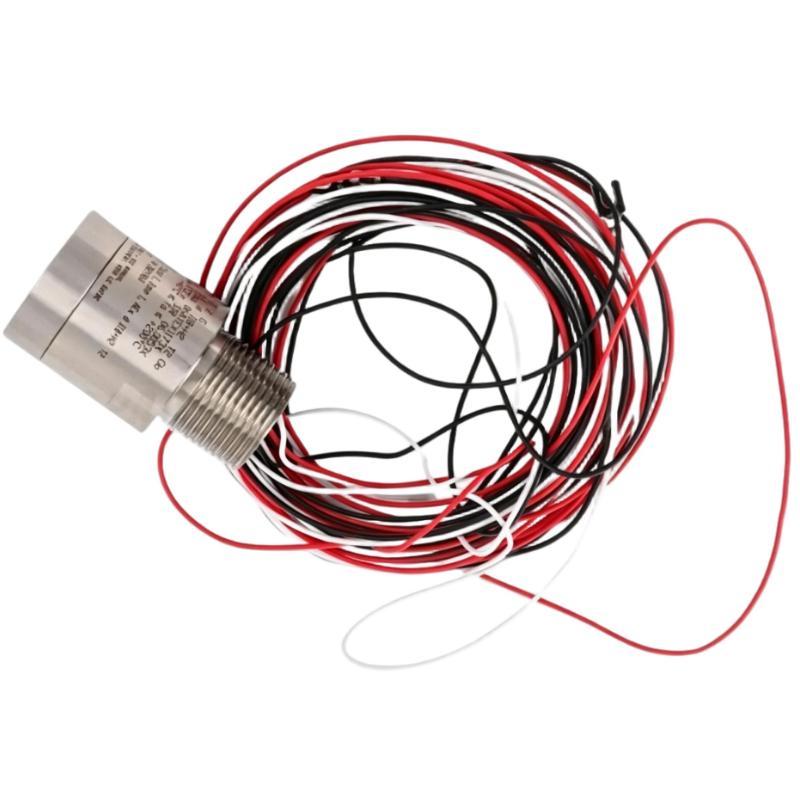
Brand:Bently Nevada PLC Item No.:350800-01-180 Product Origin:USA Product Dimensions:Lead Length: 180 inches Product Weight:Shipping Weight: 3 kg Payment:T/T, Western Union, Credit Card Goods_stock:15 Shipping Port:Xiamen, China Lead Time:1-3 Days Condition:Brand New And Original Warranty:1 Year Certificate:COO
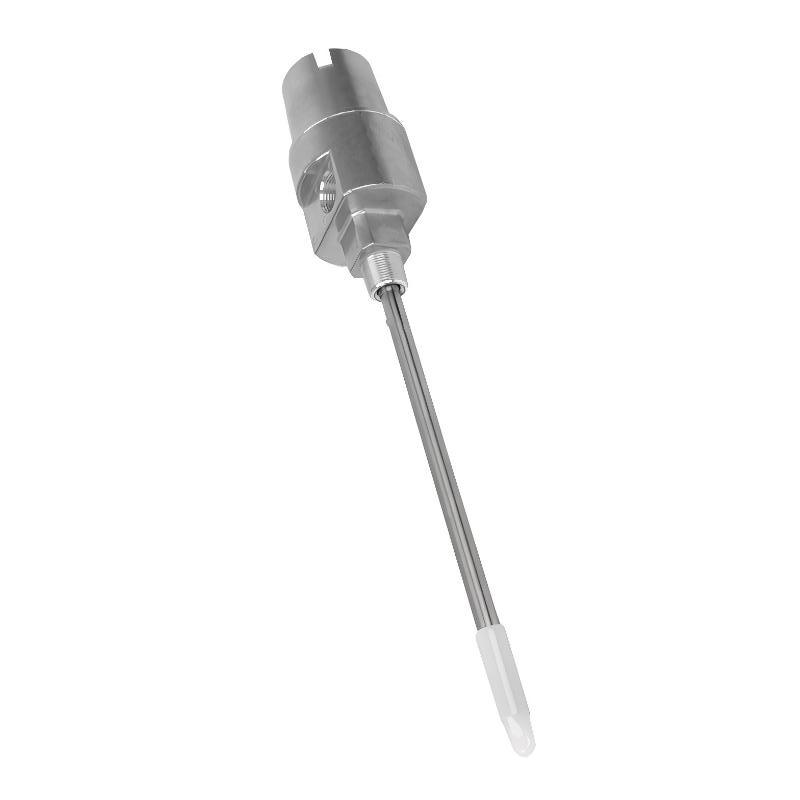
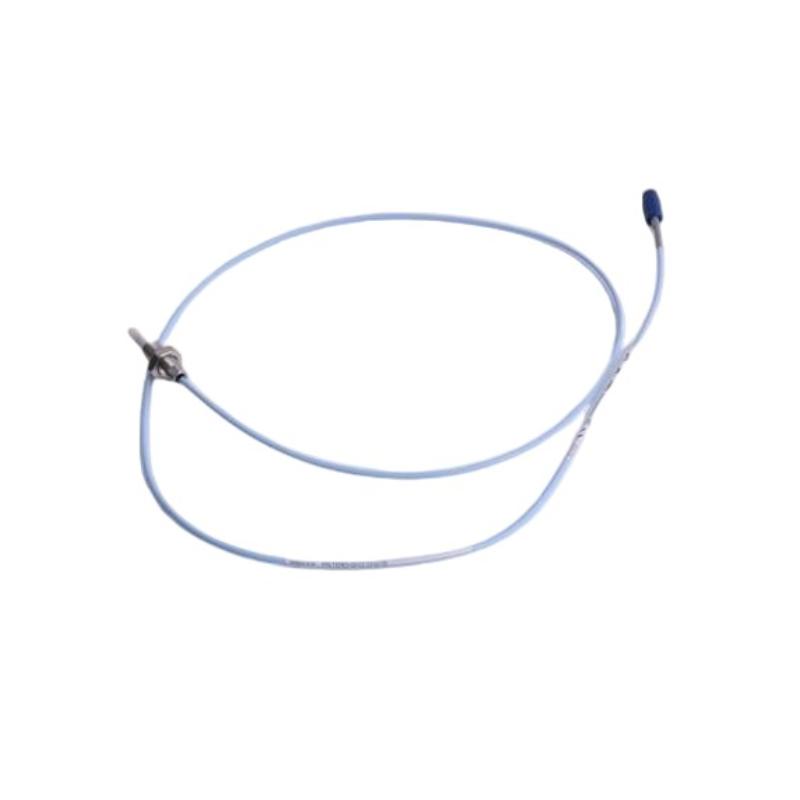
The Bently Nevada 350800-01-180 is a hazardous gas detection sensor used in industrial safety monitoring systems. It is designed to identify the presence of combustible or hazardous gases in environments where leakage could lead to operational hazards. In real industrial applications, it is commonly installed in refineries, gas plants, and enclosed process areas, providing continuous input to safety systems that help prevent accidents and protect equipment and personnel.
Technical Specifications
Specification
Details
Product Model
350800-01-180
Product Type
Hazardous Gas Sensor
Lead Length
180 inches
Weight
3 kg
Function
Gas detection and monitoring
Application
Industrial safety systems
Installation Area
Refineries, gas plants, confined spaces
Operating Environment
Industrial hazardous locations
Recommended Related Models
Model
Product Name
Bently Nevada 350800-01-200
Gas Sensor Variant (Extended Lead)
Bently Nevada 350800-02-180
High-sensitivity Gas Sensor
Bently Nevada 3500/63
Gas Monitoring Module
Bently Nevada 350810
Calibration Accessory Unit
Popular Related Models
Model
Product Name
Bently Nevada 3500/15-02-05-00
Power Module
Bently Nevada 3500/61-01-00
RTD/TC Temperature Module
Bently Nevada 3500/42-01-00-00
Vibration Monitor Module
Bently Nevada 330180-X1-00
Proximitor Sensor
Applications
• Installed in refinery process units to monitor hydrocarbon gas leakage near equipment skids
• Gas detection in compressor stations and pipeline valve areas
• Used in LNG facilities and fuel handling zones where leak risk must be continuously controlled
• Enclosed electrical rooms and analyzer shelters requiring early warning of gas accumulation
• Petrochemical plants around reactors, separators, and transfer lines
• Power plant auxiliary buildings where ventilation and safety interlocks depend on gas levels
• Confined industrial spaces such as pits, trenches, and underground service corridors
• Integrated into plant safety shutdown strategies for high-risk production areas
Key Advantages
• Continuous monitoring designed for long-term industrial safety operation
• Fast response behavior helps operators react early to gas leakage conditions
• Built for harsh plant environments with temperature and humidity variation
• Stable output signal suitable for safety system integration
• Can be tied into alarm and interlock logic for automatic protection actions
• Reduces reliance on manual inspection in hazardous areas
• Rugged construction supports industrial field installation
• Designed for use in critical safety zones where downtime is unacceptable
Technical FAQs
Q1. What is this sensor mainly used for?
A1. It is used to detect hazardous or combustible gas presence in industrial environments.
Q2. Where is it typically installed?
A2. In refineries, gas processing plants, LNG facilities, and enclosed industrial spaces.
Q3. What kind of protection does it support?
A3. It supports early warning, alarms, and safety shutdown actions depending on system configuration.
Q4. Does it work continuously?
A4. Yes, it is designed for 24/7 gas monitoring.
Q5. Why is gas detection important in these plants?
A5. It helps prevent fire, explosion, and toxic exposure risks.
Q6. Does it require regular maintenance?
A6. Yes, periodic calibration and inspection are required in industrial safety systems.
Q7. Can it be used outdoors?
A7. It depends on enclosure and installation design, but it is primarily used in controlled industrial areas.
Q8. What happens if gas levels rise suddenly?
A8. The sensor sends a signal that can trigger alarms or automated safety responses.
Q9. What systems does it connect to?
A9. It integrates with industrial safety and control systems for monitoring and protection.
Q10. Is it suitable for critical applications?
A10. Yes, it is designed for high-risk environments where continuous safety monitoring is required.