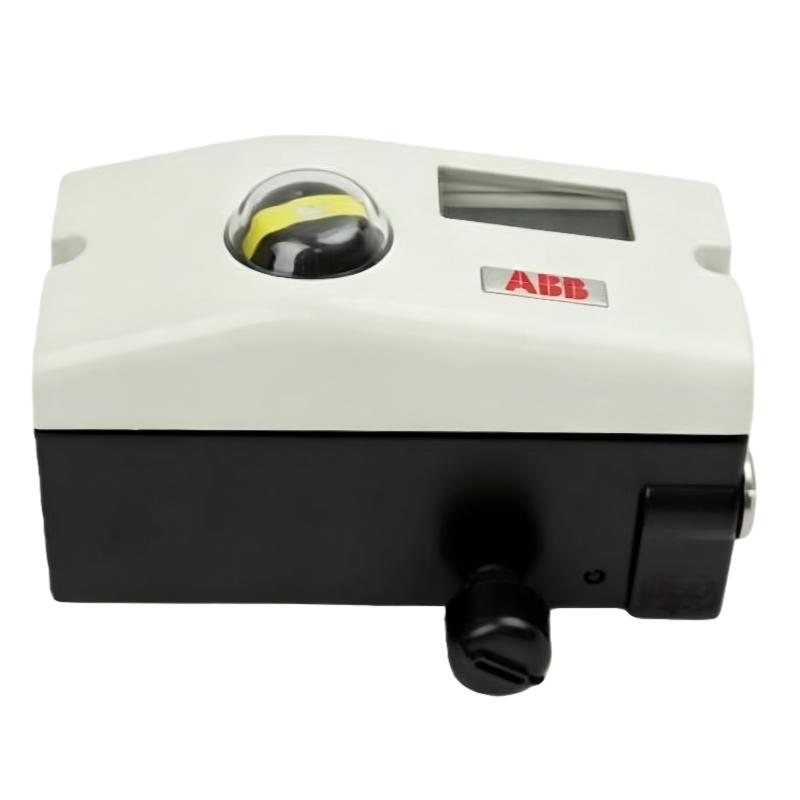
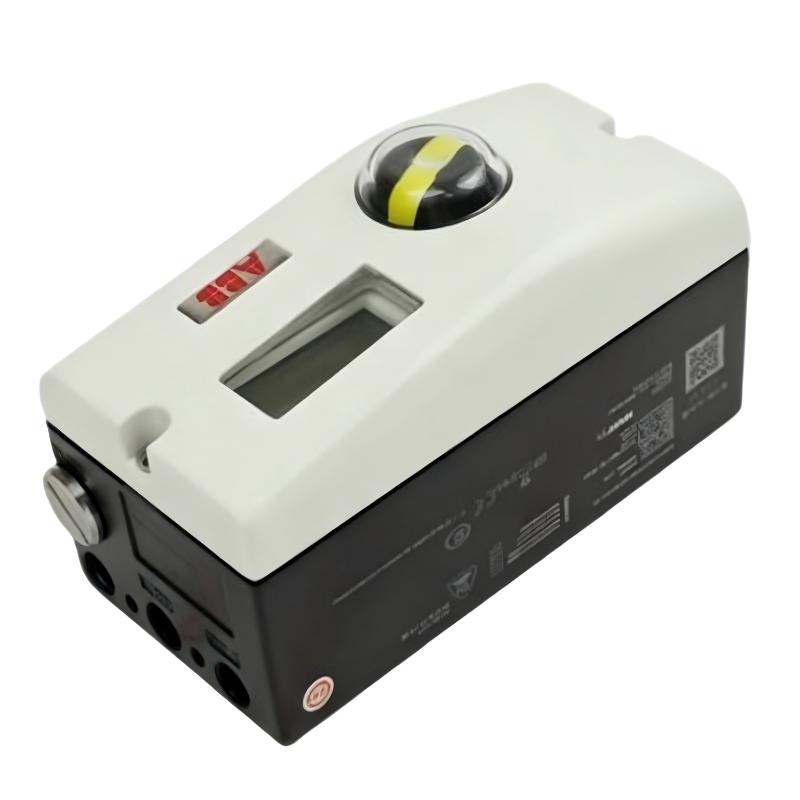
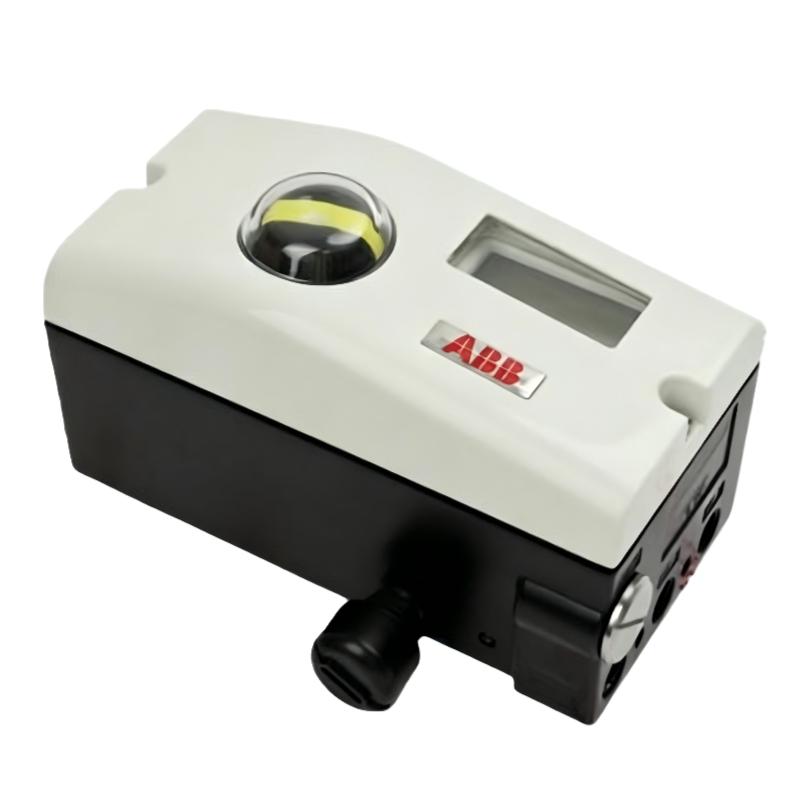
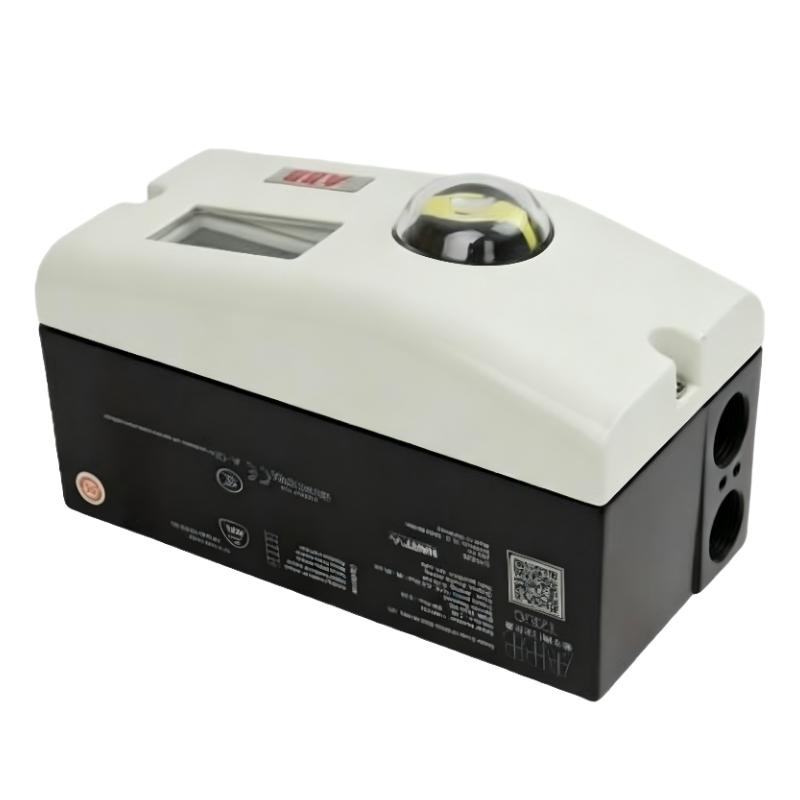
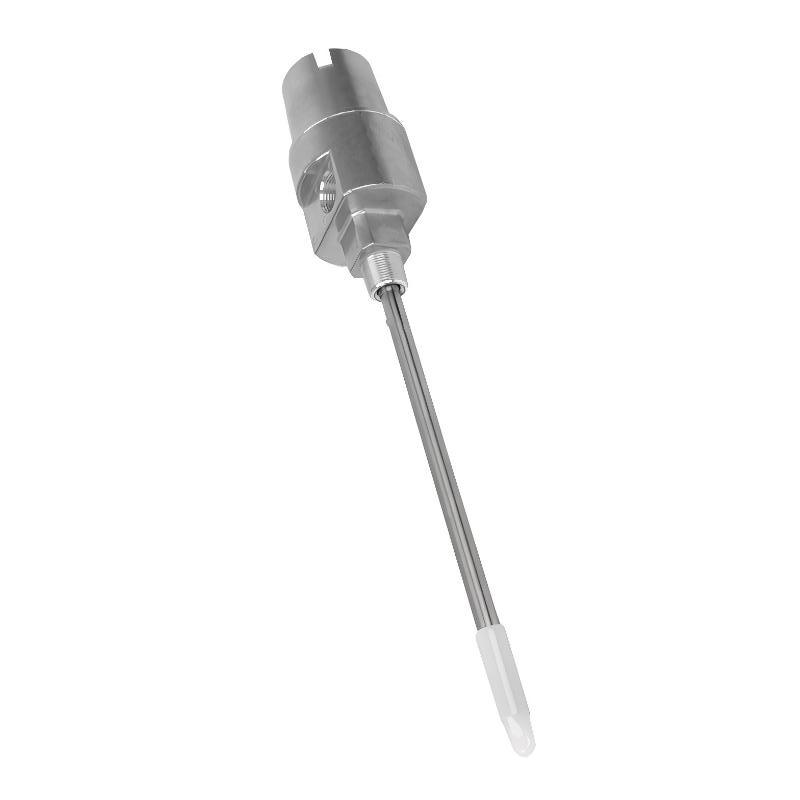
Brand:ABB PLC Item No.:V18345-7020421001 Product Origin:Sweden (SE) Product Dimensions:168.5 × 101 × 114.5 mm Product Weight:1.7 kg Payment:T/T, Western Union, Credit Card Goods_stock:15 Shipping Port:Xiamen, China Lead Time:1-3 Days Condition:Brand New And Original Warranty:1 Year Certificate:COO
The ABB V18345-7020421001 is an electro-pneumatic valve positioner designed to provide accurate and stable control of industrial process valves. It receives a standard electrical control signal and converts it into a proportional pneumatic output that drives the actuator to the required position.
Technical Specifications
Item
Specification
Product Model
V18345-7020421001
Product Type
Electro-Pneumatic Valve Positioner
Control Signal
4–20 mA
Output Type
Pneumatic
Actuator Compatibility
Linear / Rotary pneumatic actuators
Mounting
Direct actuator mounting
Communication
HART compatible
Housing Material
Industrial aluminum alloy
Protection Class
IP65 design
Dimensions
168.5 × 101 × 114.5 mm
Weight
1.7 kg
Recommended Related Models
Model
Product Name
V18345-2010421001
ABB Valve Positioner Variant
V18345-1010551001
ABB Valve Positioner Variant
V18345-1010420001
ABB Valve Positioner Standard Variant
6DR5020-0NG00-0AA0
Siemens SIPART PS2 Positioner
Popular Related Models
Model
Product Name
V18345-1010121001
ABB TZIDC Positioner Standard Version
V18345-1010131001
ABB Positioner with Feedback Option
6DR5010-0NG00-0AA0
Siemens SIPART PS2 Basic Positioner
FISHER DVC6200
Fisher FIELDVUE Digital Valve Controller
Applications
• Used in process control systems to regulate valve position in oil and gas pipelines for stable flow and pressure control.
• Applied in chemical plants to maintain accurate dosing and reaction control in continuous production processes.
• Installed in steam and water networks in power plants to stabilize temperature and pressure conditions.
• Used in refinery process units to control flow distribution across separation and treatment stages.
• Integrated with pneumatic actuators for continuous modulation of control valves in automated process loops.
• Suitable for general industrial automation where precise and repeatable valve positioning is required.
Key Advantages
• Converts standard 4–20 mA control signals into precise pneumatic actuator movement.
• Stable positioning behavior improves control loop response in dynamic process conditions.
• Direct mounting structure simplifies installation on linear and rotary actuators.
• Automatic commissioning function reduces setup time during startup and maintenance.
• Designed for reliable operation in vibration, temperature variation, and industrial environments.
• Supports long-term continuous duty without frequent adjustment requirements.
Technical FAQs
Q1: What is the main function of this valve positioner?
It controls the position of a pneumatic control valve by converting an electrical signal into a pneumatic output.
Q2: What type of input signal does it use?
It uses a standard 4–20 mA analog control signal.
Q3: Which actuators is it compatible with?
It works with both linear and rotary pneumatic actuators.
Q4: Is it suitable for continuous process control?
Yes, it is designed for continuous industrial applications.
Q5: Does it support automatic setup?
Yes, it includes automatic commissioning and parameter adjustment functions.
Q6: What industries commonly use it?
Oil & gas, chemical processing, power generation, and general process industries.
Q7: Can it be mounted directly on the actuator?
Yes, it is designed for direct actuator mounting.
Q8: What happens if the signal is lost?
The valve moves to a predefined fail-safe position depending on system configuration.
Q9: Does it require frequent maintenance?
No, it is designed for stable long-term operation with minimal maintenance.
Q10: What is its role in a control loop?
It acts as the final control element between controller output and pneumatic actuator.