Yokogawa Electric

  1. Home
  2. Products
  3. Yokogawa Electric
  4. Yokogawa AAT141 Analog Transmitter / Signal Conditioning Module
Yokogawa AAT141  Analog Transmitter / Signal Conditioning Module

Yokogawa AAT141 Analog Transmitter / Signal Conditioning Module

0.0
Points

Brand:Yokogawa Electric
Item No.:Yokogawa AAT141
Product Origin:Japan
Product Dimensions:45 mm × 120 mm × 100 mm
Product Weight:0.30 kg
Payment:T/T, Western Union, Credit Card
Goods_stock:15
Shipping Port:Xiamen, China
Lead Time:1-3 Days
Condition:Brand New And Original
Warranty:1 Year
Certificate:COO

Add to cart

AAT141 4AAT141 3AAT141 5AAT141 6

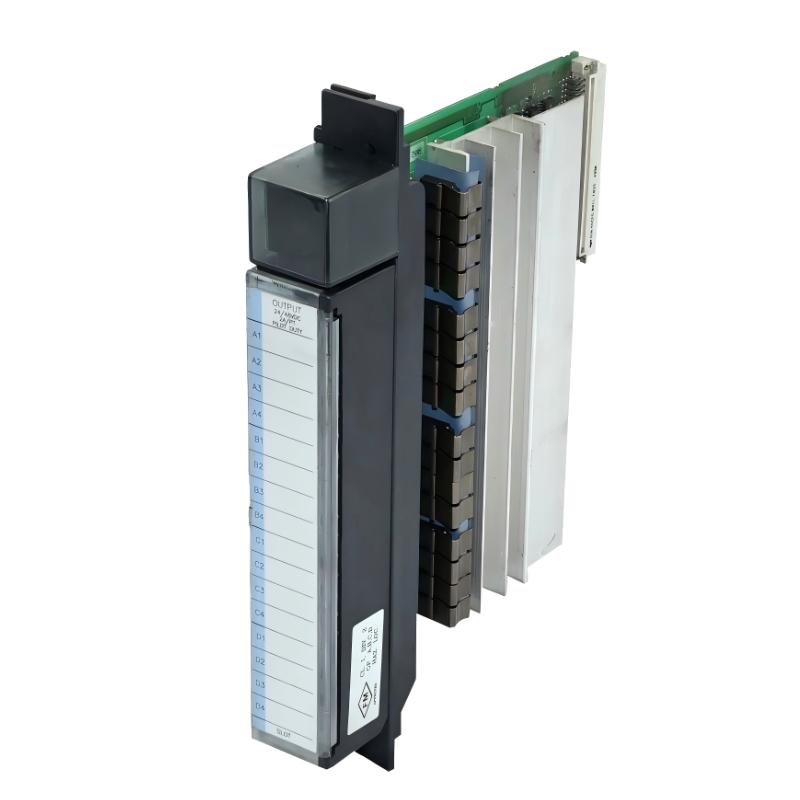
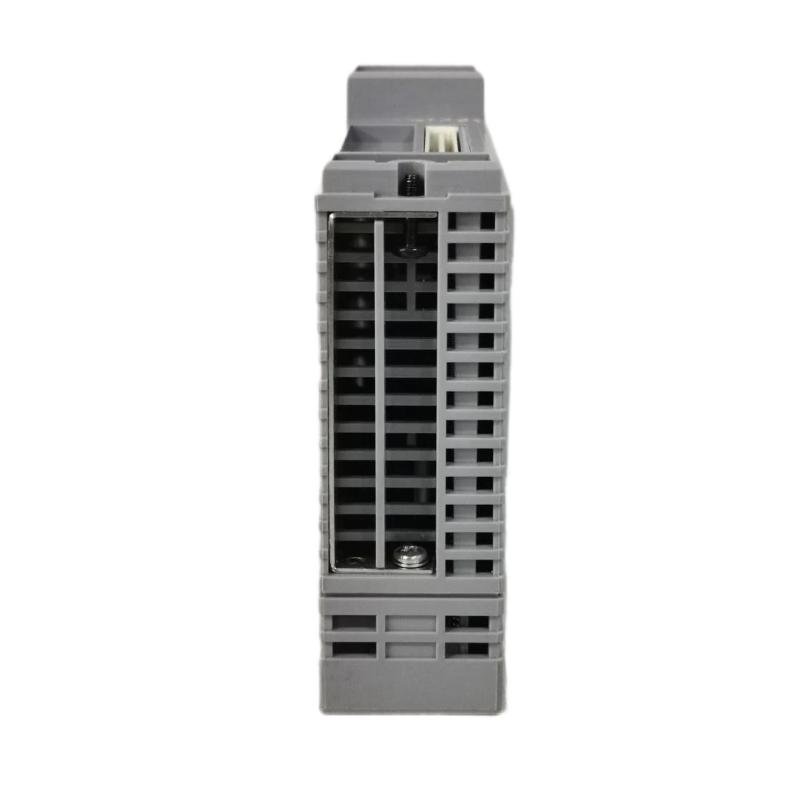
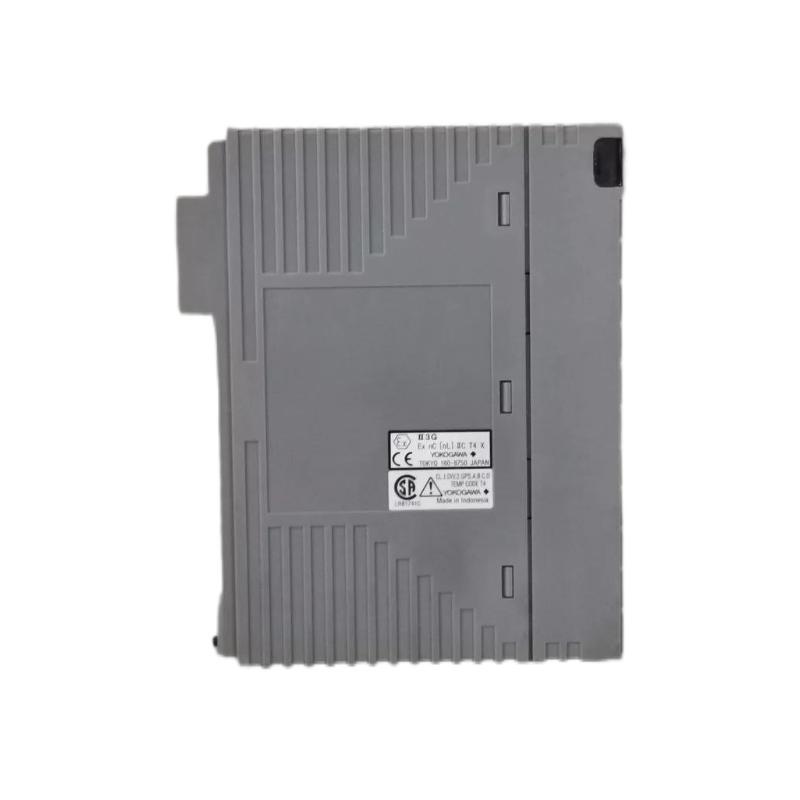
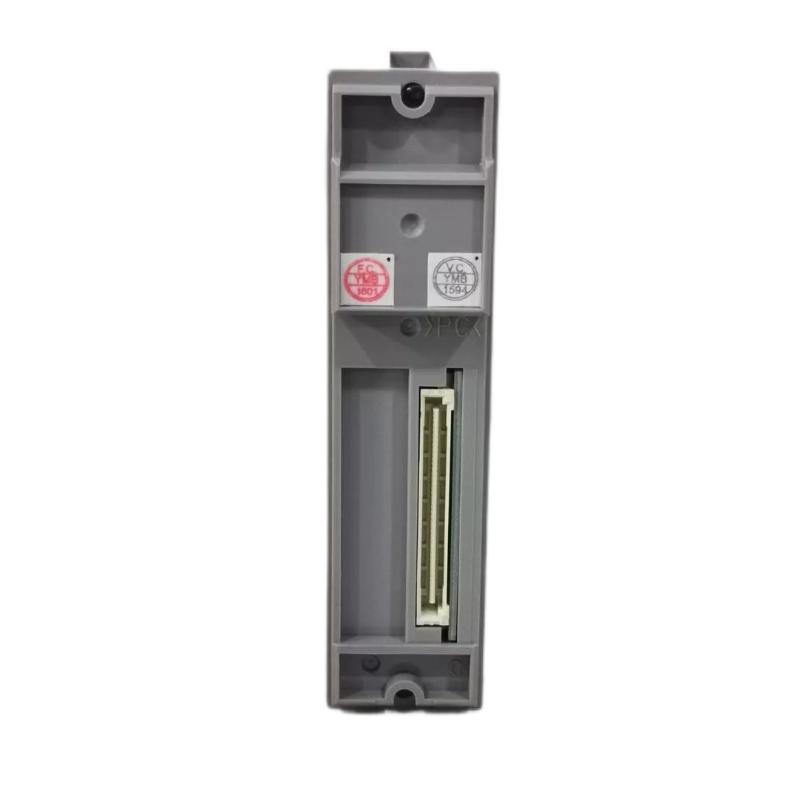
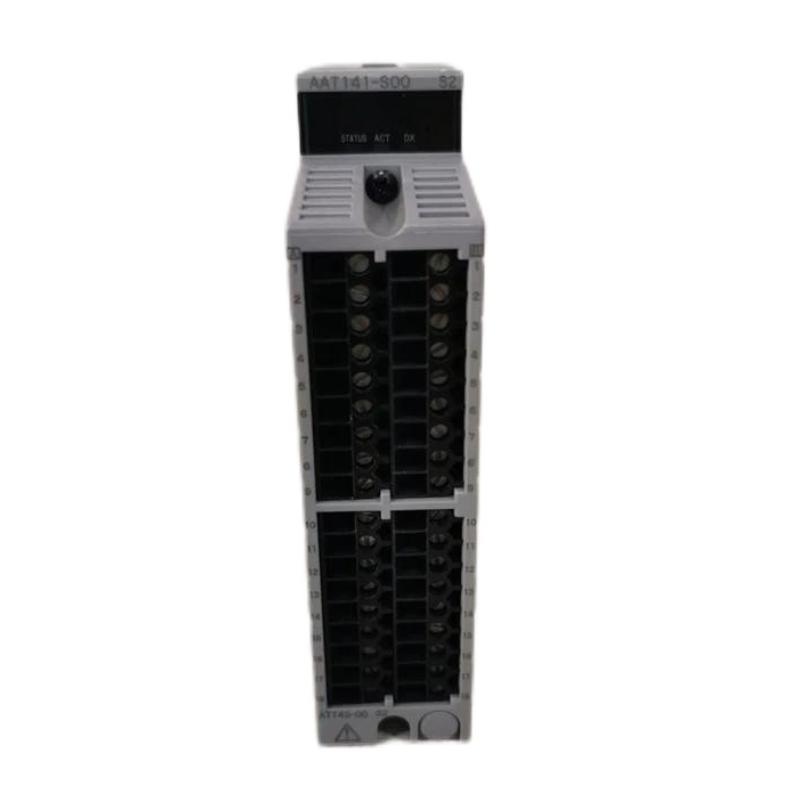
The Yokogawa AAT141 is a precision analog transmitter module designed to convert and condition field sensor signals for reliable processing in industrial automation and process control systems. This module accepts raw input from sensors such as temperature, pressure, or flow devices and translates them into standardized analog outputs, supporting accurate and stable measurement across a variety of applications. Engineered for durability, noise immunity, and repeatable performance, the AAT141 helps engineers and operators maintain system integrity, enhance loop control, and achieve tighter regulation in demanding industrial settings.


Technical Specifications

FeatureSpecification
ModelYokogawa AAT141
Module TypeAnalog Transmitter / Signal Conditioning Module
Input Signal TypesRTD, Thermocouple, mV, ± Voltage, Current
Output Signal Types4–20 mA / 0–10 V DC
Input RangeSensor‑dependent (configurable)
Output Accuracy±0.1% full scale
Resolution16‑bit Equivalent
IsolationGalvanic isolation between I/O and system
Response Time≤ 100 ms (typical)
Operating Temperature Range−20 °C to +60 °C
Mounting MethodDIN Rail / Panel Mount
Dimensions (W×H×D)45 mm × 120 mm × 100 mm
Weight0.30 kg

Recommended Related Models

  • Yokogawa AAT140 – Base analog transmitter with fewer input configurations.

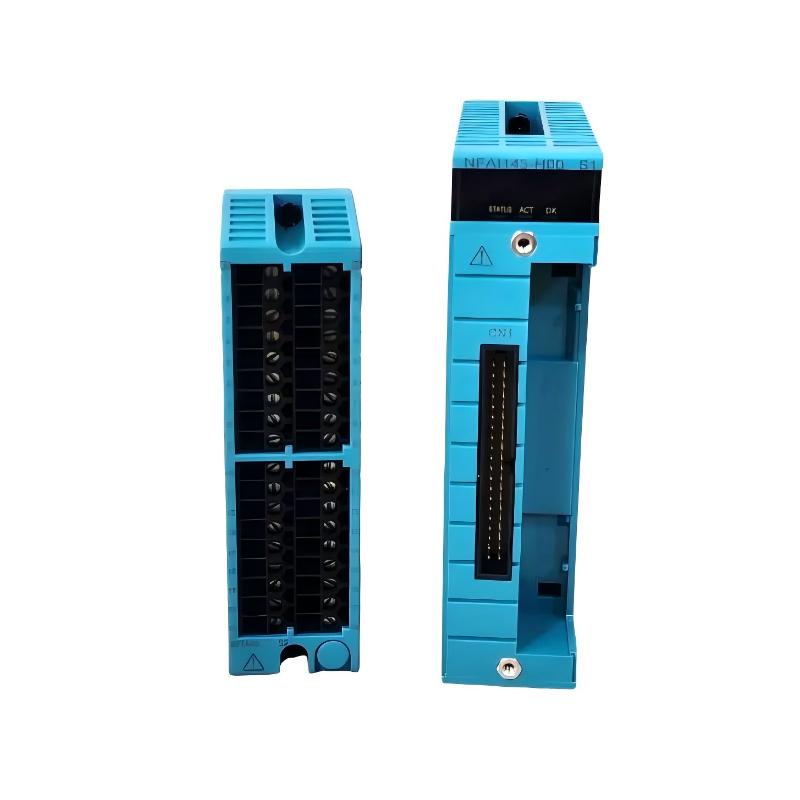
  • Yokogawa AAR181‑S00 S2 – High‑density temperature input module for Pt100/RTD networks.

  • Yokogawa AAM51‑S2 – Mixed analog I/O module for signal acquisition and control.


Popular Allen Bradley Models

  • Allen Bradley 1756‑IF8 – Analog input module for ControlLogix with multi‑signal support.

  • Allen Bradley 1769‑IF4 – CompactLogix analog input module for modular automation.

  • Allen Bradley 1734‑IE8 – POINT I/O analog input module for distributed control.

Applications

  • Process Control Loops – Converts field sensor readings into reliable analog signals for PID loops in batch and continuous systems.

  • Temperature and Pressure Monitoring – Interfaces with thermocouples, RTDs, and pressure transducers for stable conditioning.

  • Manufacturing Automation – Supports accurate signal transmission from sensors to PLCs, DCS, or data acquisition systems.

  • Energy & Utility Systems – Bridges field instrumentation with control systems for thermal, flow, and pressure regulation.


Advantages

  • Versatile Signal Support – Accepts multiple sensor types including thermocouples, RTDs, and millivolt sources, reducing the need for separate modules.

  • High Accuracy & Stability – Delivers conditioned outputs with tight accuracy and low drift for dependable measurement.

  • Galvanic Isolation – Reduces noise and prevents ground loop issues in electrically challenging environments.

  • Compact & Flexible Mounting – Space‑efficient design fits DIN rail or panel mount configurations in control cabinets.

  • Fast Response – Sub‑second response enables real‑time control adjustments and responsive system performance.

  • Industrial Durability – Designed for continuous operation across a wide temperature range and under vibration or electrical stress.


Technical FAQs

  1. What types of sensor inputs does the Yokogawa AAT141 support?
    It supports RTDs, thermocouples, millivolt sources, and standard voltage/current inputs.

  2. What output signal ranges are available?
    Typical outputs include 4–20 mA or 0–10 V DC.

  3. Does the AAT141 provide isolation?
    Yes — it offers galvanic isolation between its inputs, outputs, and system logic.

  4. What is the module’s typical response time?
    Response is typically within ≤100 ms, suitable for real‑time control.

  5. What is the accuracy of the conditioned output?
    Output accuracy is ±0.1% of full scale.

  6. Can the AAT141 be panel mounted?
    Yes — it supports both DIN rail and panel mount installation.

  7. What operating temperature range does it support?
    It operates reliably between −20 °C and +60 °C.

  8. How is the AAT141 integrated into control systems?
    It connects directly with PLCs, DCS platforms, and analog input racks.

  9. Is the module suitable for noisy industrial environments?
    Yes — galvanic isolation and robust design ensure stable operation in electrically noisy conditions.

  10. What industries commonly use the AAT141?
    It is widely used in process automation, energy systems, chemical plants, and manufacturing facilities.


Look forward to your comments!Comment
Latest comments
Tags:
Need Assistance? Chat with Us on WhatsApp!
Need Assistance? Click to Inquire
Back to top