Yokogawa Electric

  1. Home
  2. Products
  3. Yokogawa Electric
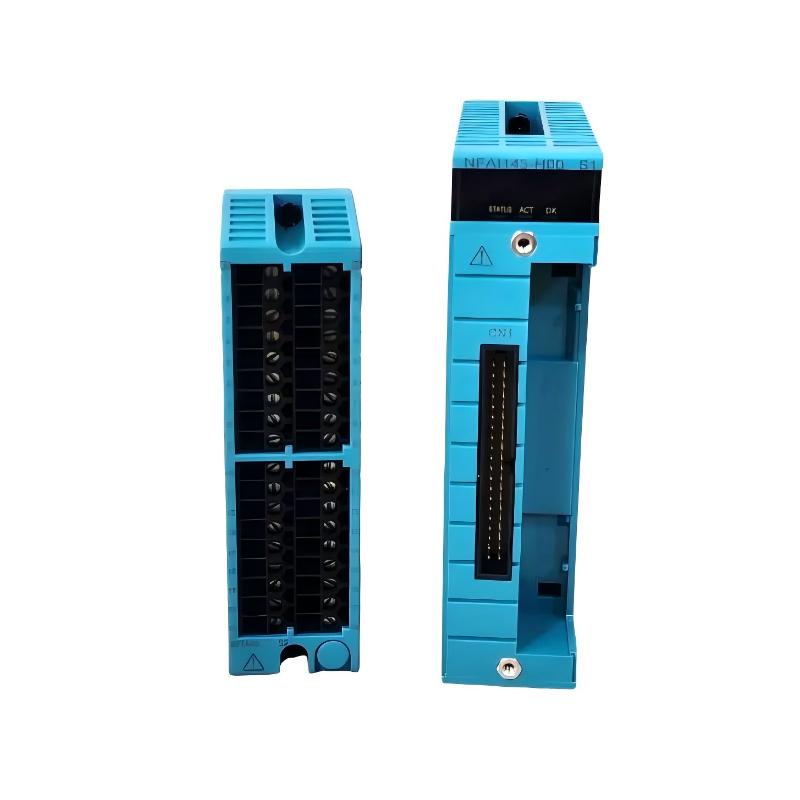
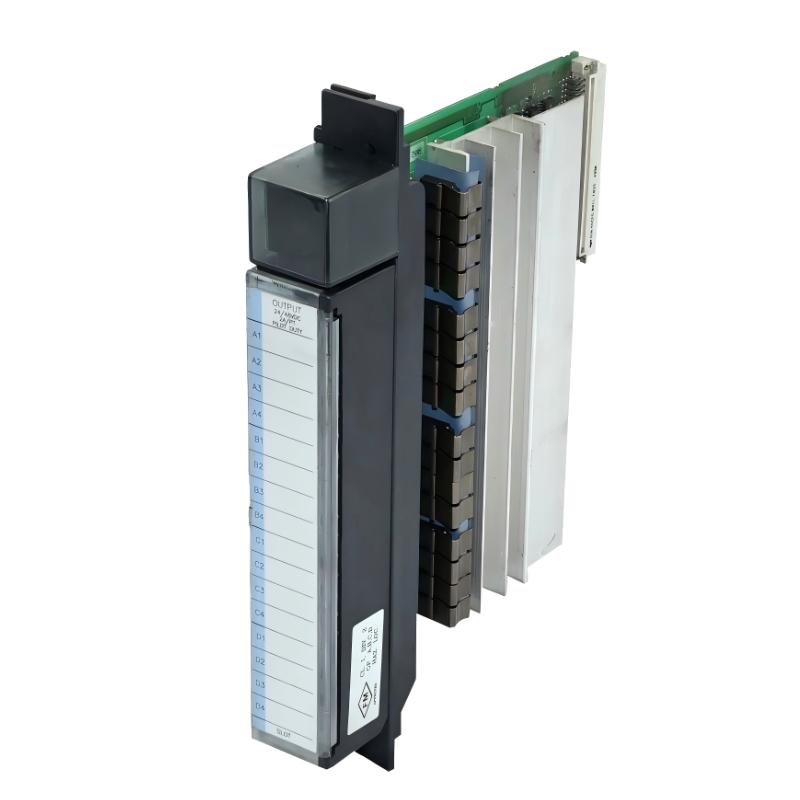
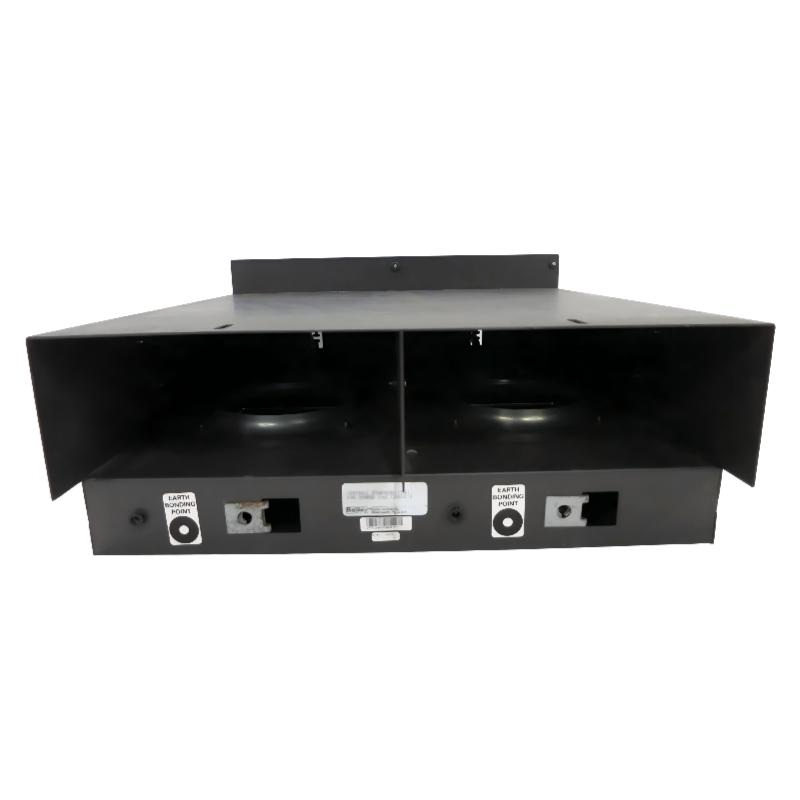
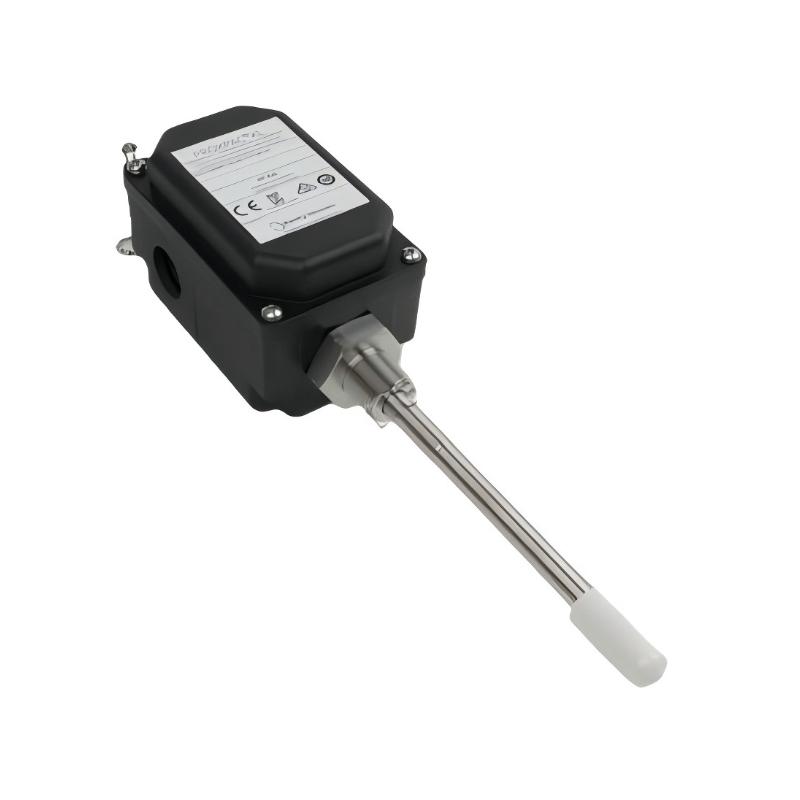
  4. Yokogawa AAT145‑S50 Analog Transmitter & Signal Conditioning Module
Yokogawa AAT145‑S50  Analog Transmitter & Signal Conditioning Module

Yokogawa AAT145‑S50 Analog Transmitter & Signal Conditioning Module

0.0
Points

Brand:Yokogawa Electric
Item No.:Yokogawa AAT145‑S50
Product Origin:Japan
Product Dimensions:45 mm × 120 mm × 100 mm
Product Weight:0.35 kg
Payment:T/T, Western Union, Credit Card
Goods_stock:15
Shipping Port:Xiamen, China
Lead Time:1-3 Days
Condition:Brand New And Original
Warranty:1 Year
Certificate:COO

Add to cart

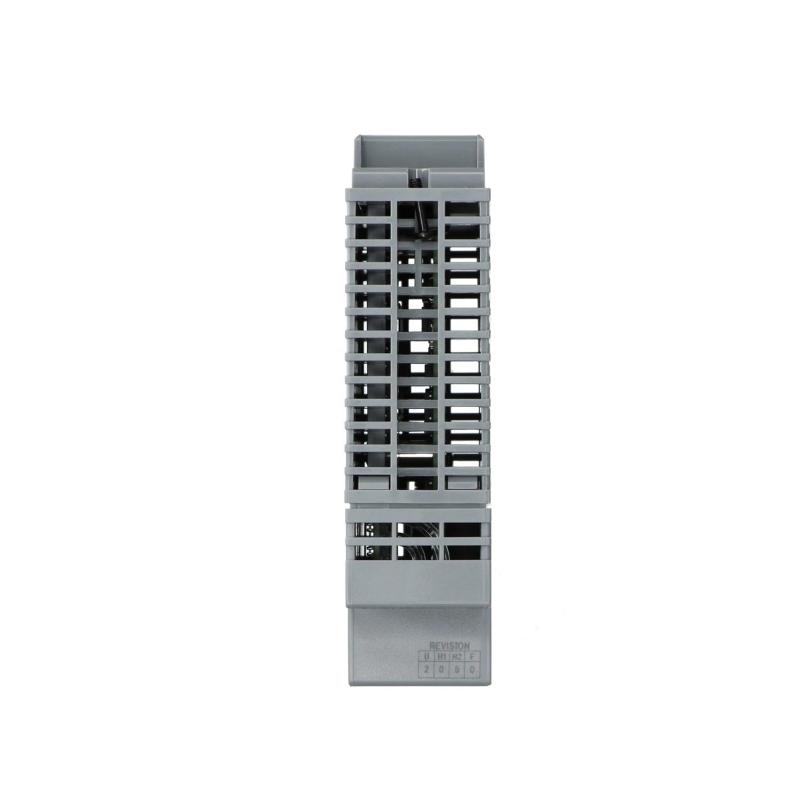
AAT145-S50AAT145-S50 3AAT145-S50 2AAT145-S50 4

The Yokogawa AAT145‑S50 is a robust, industrial‑grade analog transmitter and signal conditioning module designed for demanding automation and process control applications. Engineered to support a wide variety of sensor types — including thermocouples, RTDs, voltage, and current sources — the AAT145‑S50 delivers stable, scalable analog outputs for PLCs, distributed control systems (DCS), or SCADA platforms. Its advanced signal conditioning, excellent noise immunity, and rugged performance make it an ideal choice for environments where precise measurement and reliable signal transmission improve control quality, reduce downtime, and enhance overall system responsiveness.


Technical Specifications

FeatureSpecification
ModelYokogawa AAT145‑S50
Module TypeAnalog Transmitter / Signal Conditioning Module
Supported Input TypesRTD, Thermocouple, mV, Voltage, Current
Output Signal Types4–20 mA DC / 0–10 V DC
Input ConfigurationSensor‑dependent, configurable
ResolutionEquivalent to 16‑bit
Output Accuracy±0.1% full scale
IsolationGalvanic isolation (I/O to system)
Response Time≤100 ms (typical)
Operating Temperature Range−20 °C to +60 °C
Mounting OptionsDIN Rail / Panel Mount
Dimensions (W×H×D)45 mm × 120 mm × 100 mm
Weight0.35 kg

Recommended Related Models

  • Yokogawa AAT140‑S50 – A simplified analog transmitter for basic conditioning needs.

  • Yokogawa AAR181‑S50 – High‑density RTD input module for comprehensive temperature measurement networks.

  • Yokogawa AAM51‑S2 – Analog input/output module for dual‑purpose measurement and control tasks.


Popular Allen Bradley Models

  • Allen Bradley 1756‑IF8 – 8‑channel analog input module for ControlLogix systems with multi‑signal support.

  • Allen Bradley 1769‑IF4 – CompactLogix analog input module for modular automation.

  • Allen Bradley 1734‑IE8 – POINT I/O analog input module for distributed control architectures.


Applications

  • Process Control Loops – Converts raw field sensor data into stable analog outputs for feedback and regulatory control.

  • Temperature & Pressure Monitoring – Interfaces with RTDs and thermocouples to capture precise thermal and pressure signals.

  • Industrial Automation Systems – Supplies conditioned sensor data to PLCs, DCS, and SCADA programs for real‑time process decisions.

  • Energy & Utility Management – Provides accurate analog acquisition for power generation, distribution, and environmental monitoring.

  • Manufacturing & Safety Systems – Ensures reliable sensor conditioning for machine health and safety interlocks.


Advantages

  • Versatile Sensor Input Support – Handles thermocouples, RTDs, millivolt, voltage, and current inputs within a single module.

  • High Signal Precision – Offers nearly 16‑bit equivalent resolution and ±0.1% output accuracy for dependable measurement clarity.

  • Noise‑Resilient Design – Galvanic isolation ensures clean signals even in electrically noisy industrial environments.

  • Fast Dynamic Response – Typical response times below 100 ms support responsive control strategies.

  • Flexible Mounting Options – Supports both DIN rail and panel installation for versatile control cabinet integration.

  • Industrial Durability – Built to operate reliably across a broad temperature range, minimizing environmental limitations.


Technical FAQs

  1. What types of sensor inputs does the AAT145‑S50 support?
    It accepts RTDs, thermocouples, millivolt, voltage, and current sensor signals.

  2. What analog outputs are available?
    Standard outputs include 4–20 mA DC and 0–10 V DC.

  3. Is the AAT145‑S50 electrically isolated?
    Yes — galvanic isolation between inputs, outputs, and system logic enhances signal integrity.

  4. What is the typical output accuracy?
    Accuracy is ±0.1% of full scale for conditioned outputs.

  5. How fast does the module respond to input changes?
    Typical response time is ≤100 ms, suitable for real‑time control loops.

  6. What is the module’s operating temperature range?
    It operates reliably between −20 °C and +60 °C.

  7. What mounting options are supported?
    It supports both DIN rail and panel installations for flexible system design.

  8. Which industries commonly use this module?
    It is used in process manufacturing, energy systems, utilities, and industrial automation.

  9. Why is galvanic isolation important?
    It protects against noise and ground loops, ensuring stable and accurate measurement in industrial environments.

  10. Why choose the AAT145‑S50 over a basic signal module?
    Because it conditions a wide range of sensor types into isolated, accurate, and stable analog outputs, reducing hardware complexity and improving control reliability.


Look forward to your comments!Comment
Latest comments
Tags:
Need Assistance? Chat with Us on WhatsApp!
Need Assistance? Click to Inquire
Back to top