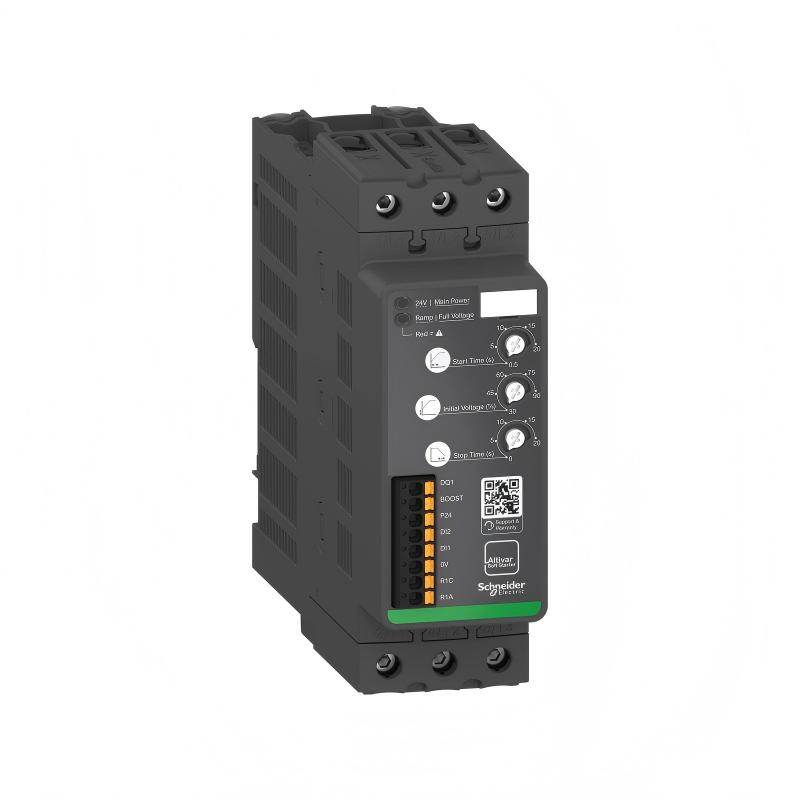
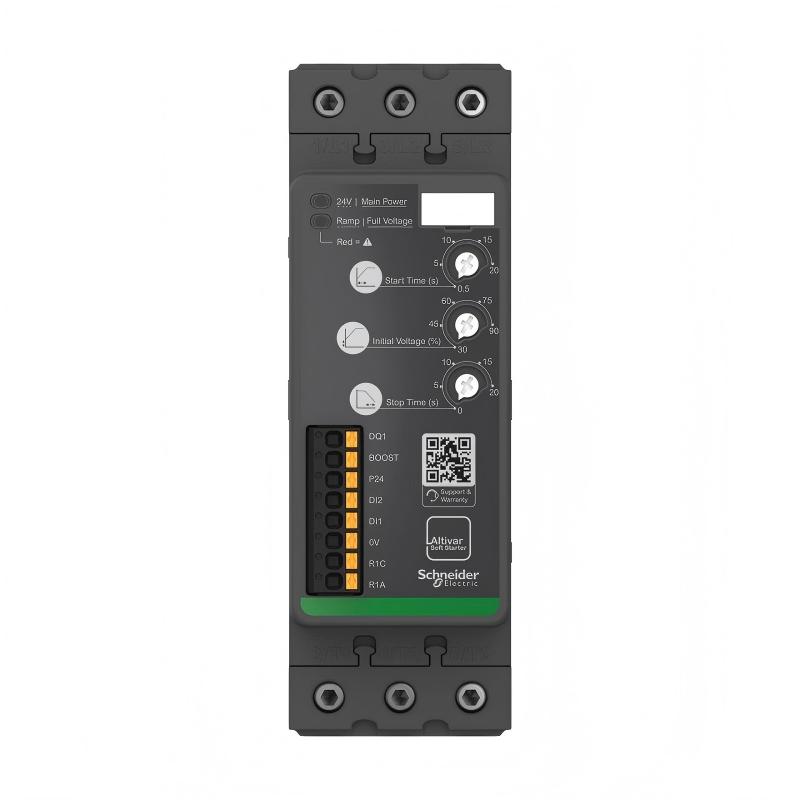
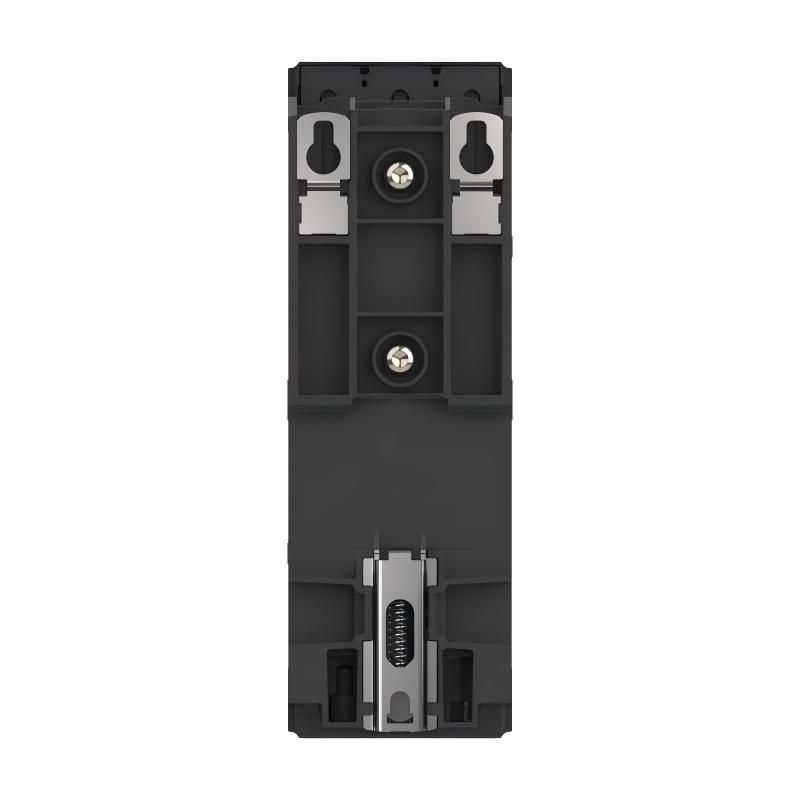
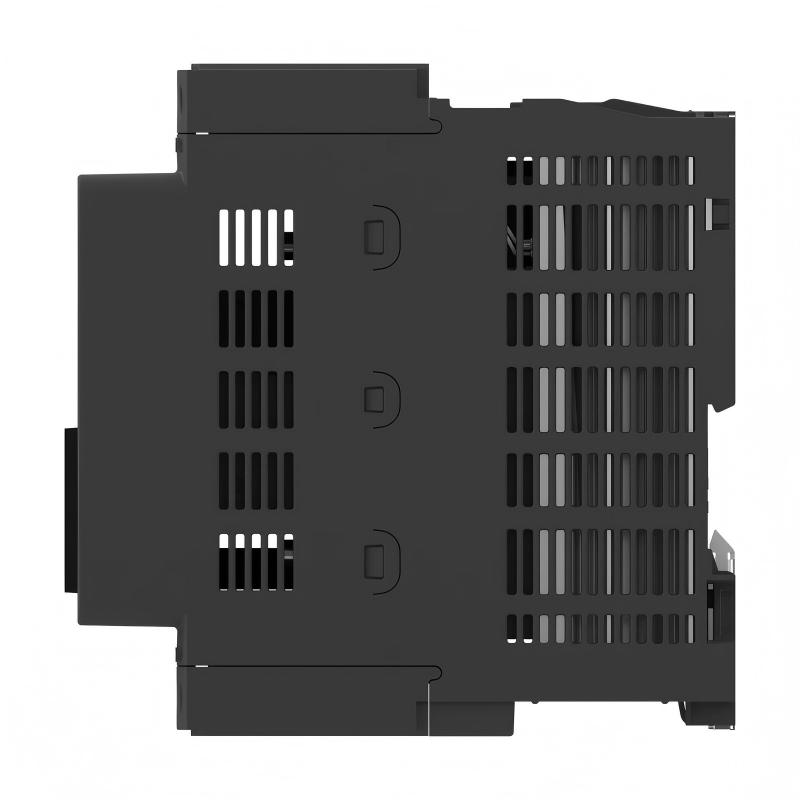
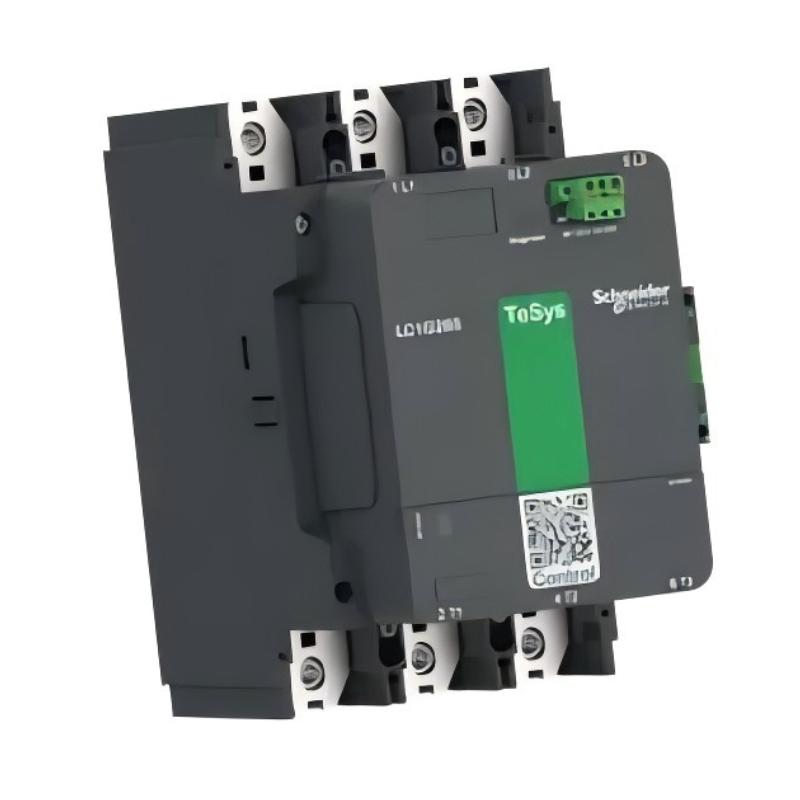
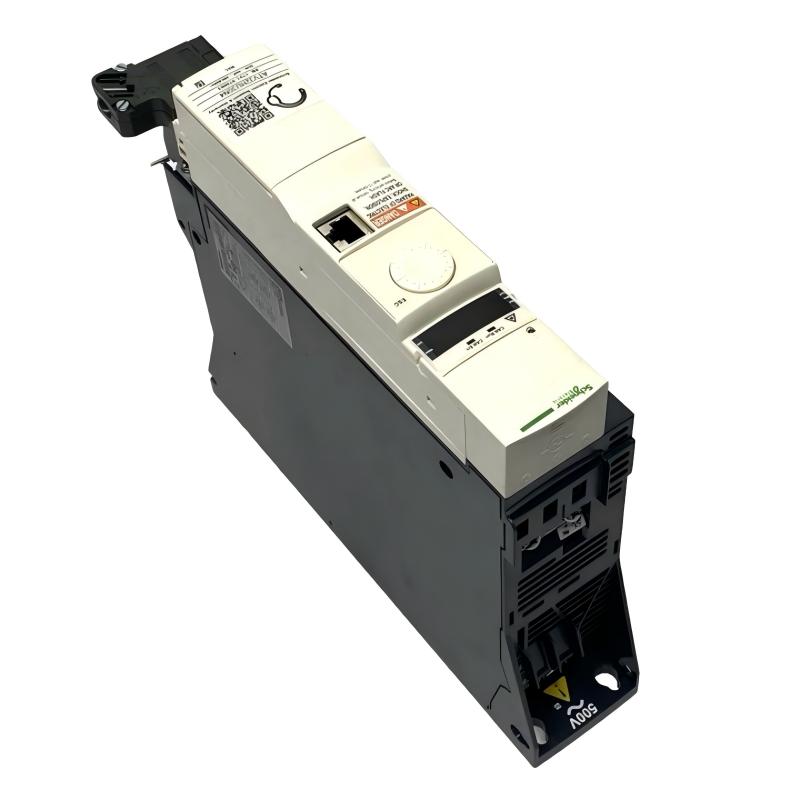
Brand:Schneider PLC Item No.:ATS130N2D73LT Product Origin:France Product Dimensions:166 × 55 × 165 mm Product Weight:1.3 kg Payment:T/T, Western Union, Credit Card Goods_stock:15 Shipping Port:Xiamen, China Lead Time:1-3 Days Condition:Brand New And Original Warranty:1 Year Certificate:COO
The ATS130N2D73LT is part of Schneider Electric’s advanced soft starter lineup engineered for reliable motor control and optimized energy performance. It provides controlled voltage ramping during motor start and stop phases, helping reduce mechanical shock and electrical stress on power networks.
Its compact design and integrated bypass technology make it highly efficient for modern industrial panel layouts, while ensuring long-term operational stability in demanding environments.
ATS130N2D55LT – Lower current model for compact motor loads
ATS130N2D88LT – Higher power variant for heavier industrial systems
ATS01N222QN – Entry-level soft starter for cost-sensitive applications
ATS480 Series – Advanced motor control and protection platform
ATS22D Series – Enhanced industrial automation soft starter range
Popular Related Models
ATS130N2D73LT – Standard 73A industrial soft starter (this model)
ATS130N2D55LT – Commonly used in HVAC and pump systems
ATS130N2D88LT – Popular in conveyor and compressor applications
ATS22C11Q – Frequently used in general automation setups
Applications
The Schneider ATS130N2D73LT Soft Starter Module is designed for industrial motor control systems that require controlled acceleration and deceleration to reduce mechanical stress and electrical surges. It is widely adopted in automation environments where operational stability and equipment longevity are critical.
Typical use cases include:
Industrial water pumping and distribution systems
HVAC ventilation and air handling units
Air compressor control systems
Conveyor and logistics automation lines
Packaging machinery and light industrial equipment
General-purpose three-phase motor control applications
Its soft-start technology ensures smooth torque delivery, reducing wear on mechanical components and improving system reliability in continuous-duty environments.
Advantages
Precise voltage ramp control reduces inrush current