Technical Questions & Answers
1. What is the primary function of the UR6BH module?
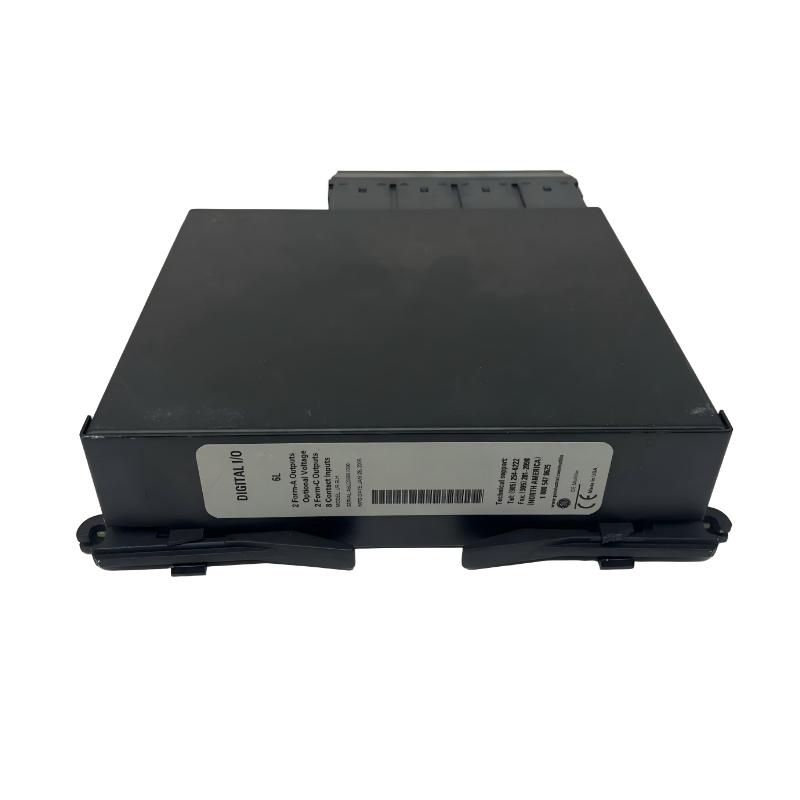
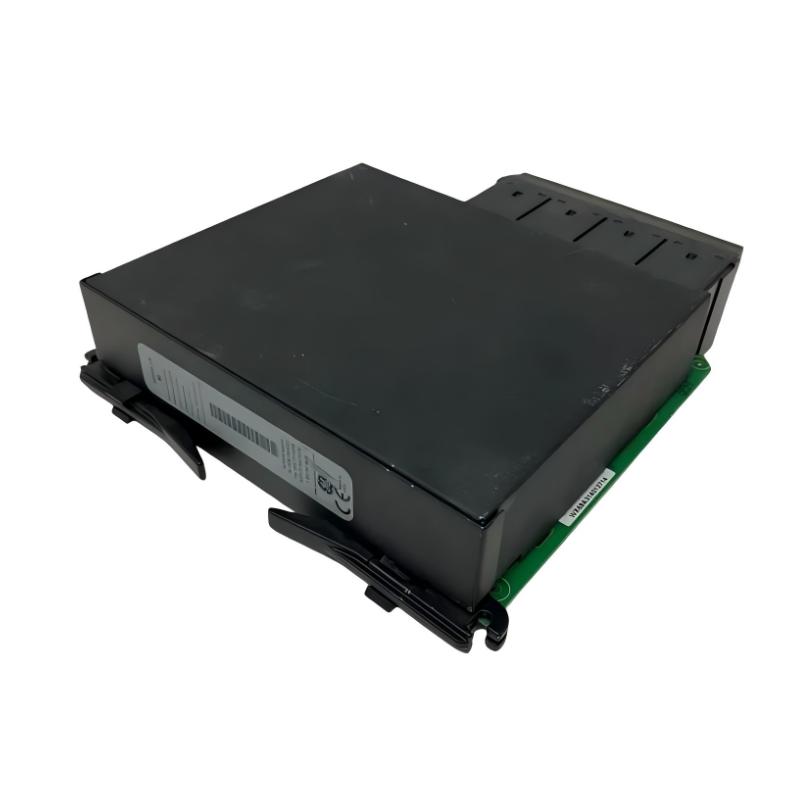
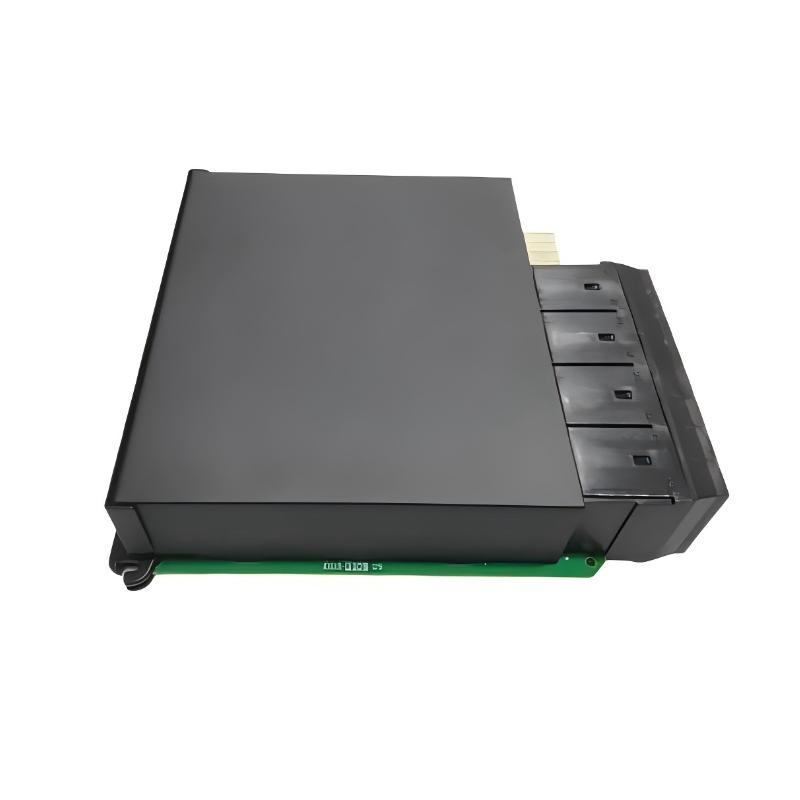
The UR6BH is a digital I/O module designed to expand the digital input and output capabilities of GE Multilin Universal Relay (UR) systems for protection, monitoring, and control applications.
2. Which relay platforms are compatible with the UR6BH?
The module is compatible with GE Multilin Universal Relay platforms, including protection relays used for feeders, generators, transformers, motors, and other power system applications.
3. What types of field signals can the module process?
It supports industrial digital input signals and digital output control signals for equipment such as circuit breakers, alarms, auxiliary relays, and status monitoring devices.
4. Does the module provide electrical isolation between channels?
Yes. The module incorporates isolated digital channels to improve signal integrity and enhance system reliability in electrically noisy environments.
5. Can the UR6BH be used for breaker control applications?
Yes. It is suitable for issuing control commands and monitoring breaker status as part of power protection and substation automation systems.
6. How are module diagnostics performed?
Diagnostic information is available through the Multilin UR relay platform, allowing engineers to monitor I/O status, identify faults, and verify module operation.
7. Does the module require external configuration?
Yes. Digital input and output functions are configured through the Multilin UR relay settings software to match the application requirements.
8. Is the UR6BH designed for continuous operation?
Yes. It is engineered for continuous industrial and utility operation where dependable digital signal processing is essential for system protection.
9. Can the module be installed without modifying existing relay hardware?
Yes. As a plug-in option module, it is designed to integrate directly into compatible UR relay platforms, simplifying installation and future system expansion.
10. What benefits does the UR6BH provide in protection systems?
It enhances relay flexibility by increasing available digital I/O resources, enabling more comprehensive monitoring, control, and automation functions within a single protection platform.