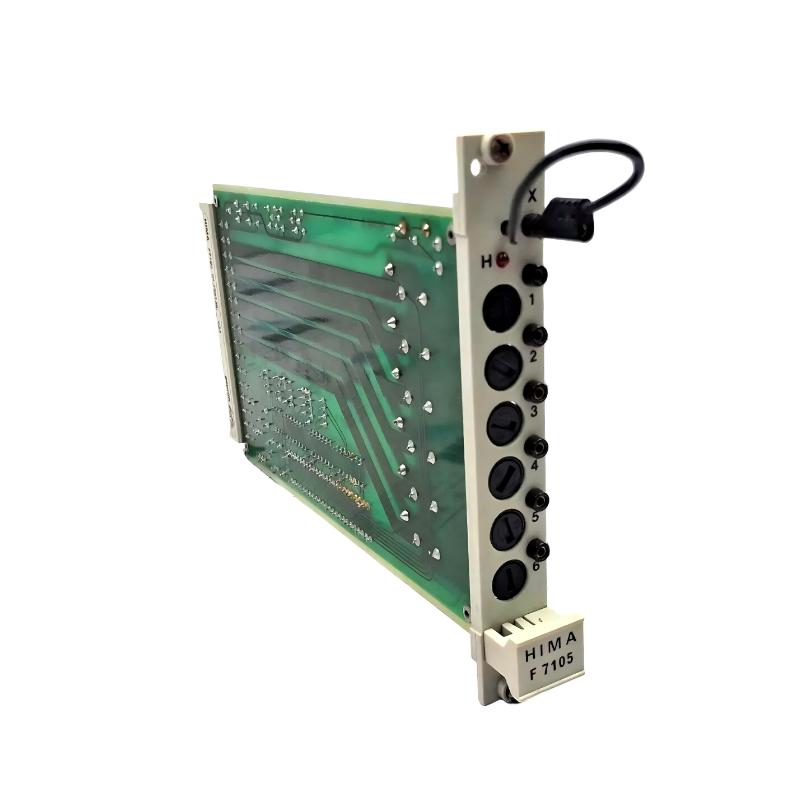
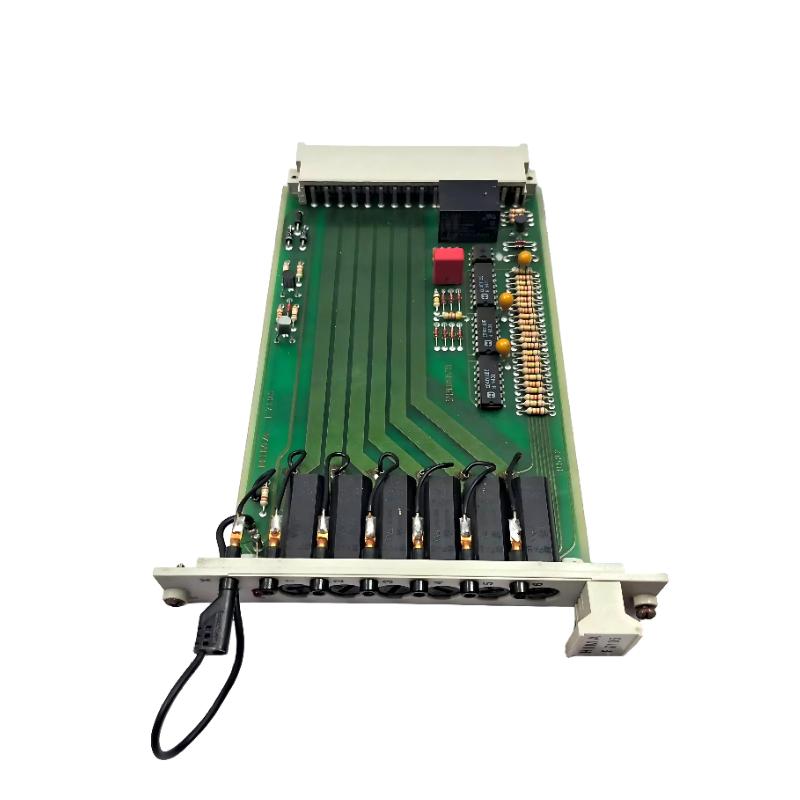
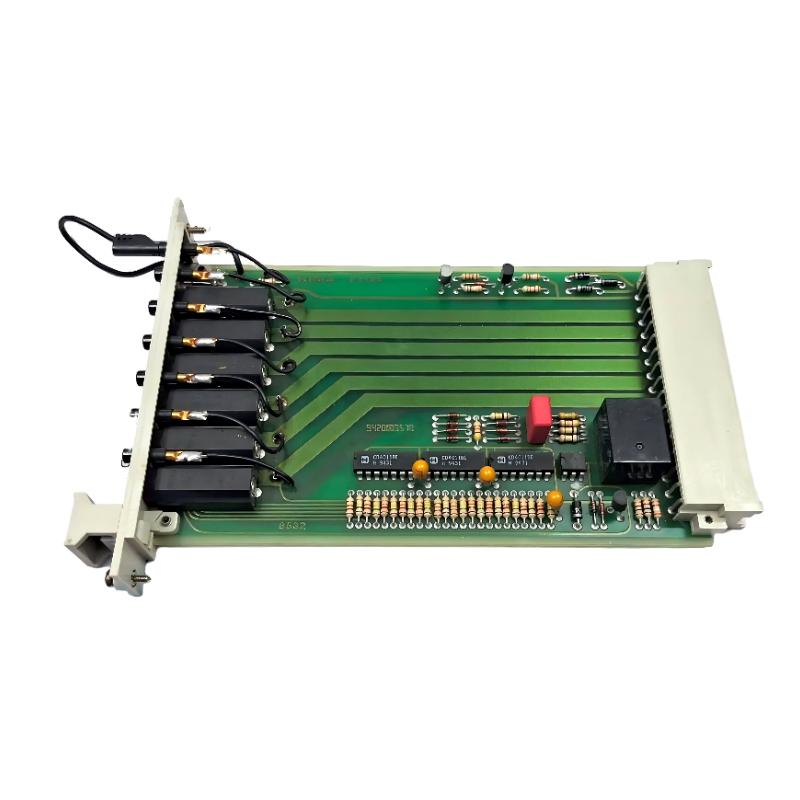
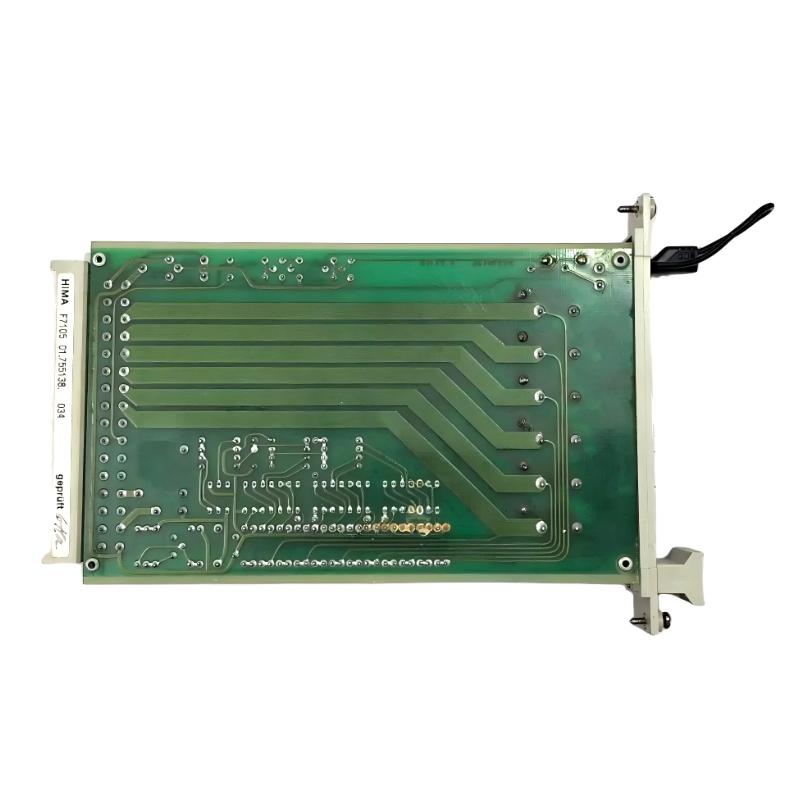
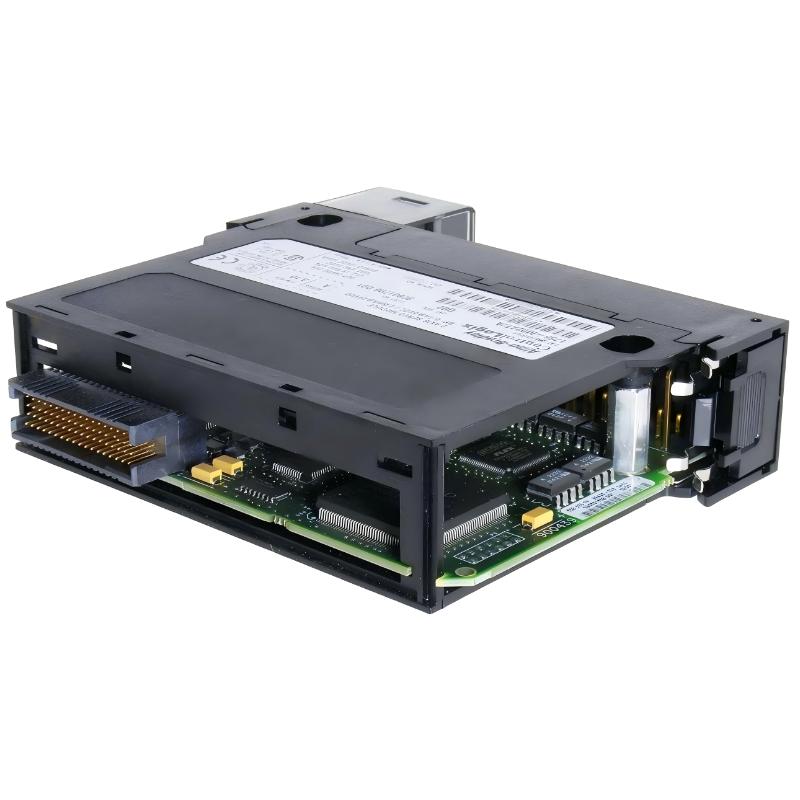
Brand:Hima DCS Modules Item No.:H7506 Product Origin: Germany Product Dimensions:109 × 64 × 58 mm Product Weight:0.36 kg Payment:T/T, Western Union, Credit Card Goods_stock:15 Shipping Port:Xiamen, China Lead Time:1-3 Days Condition:Brand New And Original Warranty:1 Year Certificate:COO
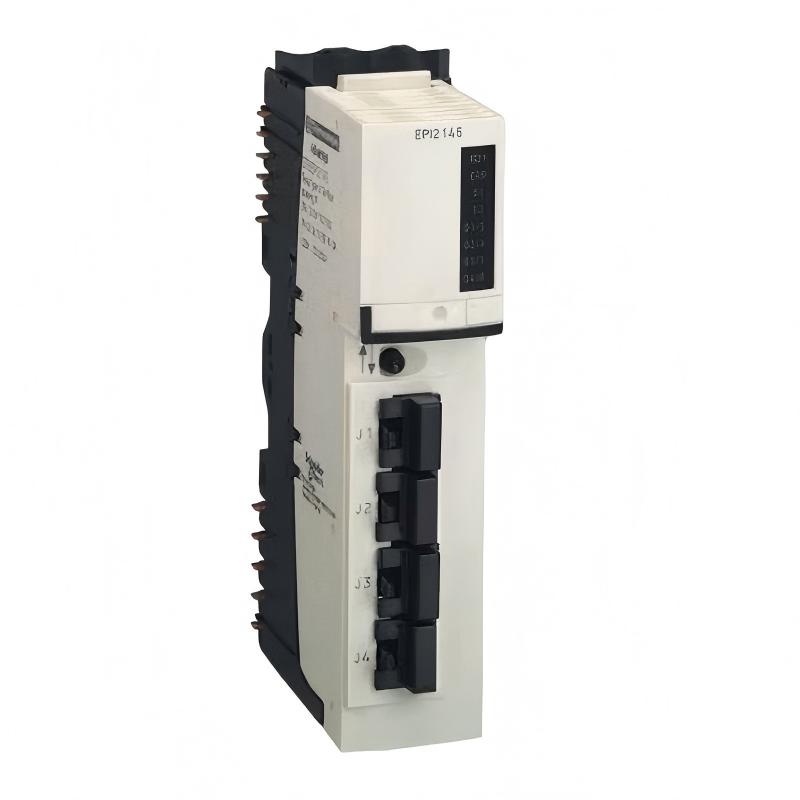
The HIMA H7506 Bus Terminal Module is a dedicated communication interface component developed for HIMA safety automation systems. It provides a reliable connection between safety controllers and bus communication networks, helping engineers create stable and scalable industrial automation architectures.
Designed for demanding safety applications, the H7506 combines robust connection technology, flexible installation options, and dependable communication performance. Its DIN rail mounting design makes it a practical solution for maintaining and expanding existing HIMA safety systems while ensuring efficient system integration.
The HIMA H7506 Bus Terminal Module is designed to provide reliable bus connection and signal transmission within HIMA safety automation systems. It serves as an interface component for connecting H41q and H51q safety systems through dedicated data cables and two-wire bus connections.
It is suitable for industries including oil and gas, chemical processing, power generation, transportation, and manufacturing facilities where stable communication links and dependable safety system integration are required.
The module performs effectively in applications involving safety controller networking, remote system connections, cabinet communication, and distributed automation architectures requiring long-distance bus transmission.
With its robust industrial design, the H7506 helps maintain reliable data exchange, improve system connectivity, and support efficient expansion of HIMA safety installations.
Key Strengths at a Glance
Supports reliable bus communication connections for HIMA H41q and H51q safety system architectures.
Provides flexible connection capability through a 25-pole Mini-D socket and two 6-pole plug terminals for bus wiring.
Supports extended transmission distances, making it suitable for large industrial automation installations.
Integrated bus termination options improve communication stability in distributed system configurations.
Compact DIN rail mounting design simplifies installation, maintenance, and system expansion.
Technical FAQs
1. What is the primary function of the HIMA H7506?
The HIMA H7506 is a Bus Terminal Module designed to provide a reliable connection point for HIMA safety system communication buses.
2. Which HIMA systems are compatible with the H7506?
The module is designed for use with HIMA H41q and H51q programmable electronic safety systems.
3. What type of communication connection does the H7506 provide?
The H7506 provides a two-wire bus connection interface for communication between compatible HIMA system components.
4. What connectors are available on the H7506?
The module includes a 25-pole Mini-D socket and two 6-pole plug terminals for bus connections.
5. What is the purpose of the termination switches on the H7506?
The termination switches enable bus terminating resistors at the ends of the communication line to improve signal stability.
6. Is the H7506 a processor or I/O module?
No. The H7506 is an interface and connection module designed for communication infrastructure within HIMA systems.
7. What applications commonly use the H7506?
Typical applications include safety controller networking, distributed control installations, and industrial communication system extensions.
8. How does the H7506 improve system reliability?
It provides a stable physical communication interface that reduces connection issues and supports consistent data transmission.
9. Can the H7506 support long-distance communication?
Yes. The module supports extended bus transmission distances depending on cable type and installation conditions.
10. Why use a dedicated bus terminal module instead of standard wiring?
A dedicated bus terminal provides optimized connections, improved signal integrity, and better compatibility with safety system architectures.