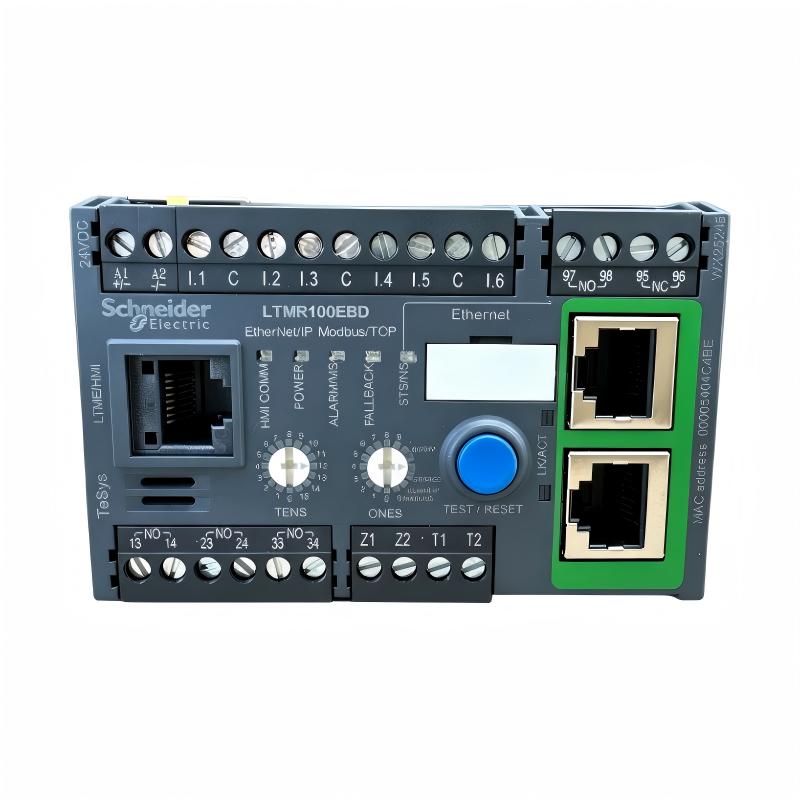
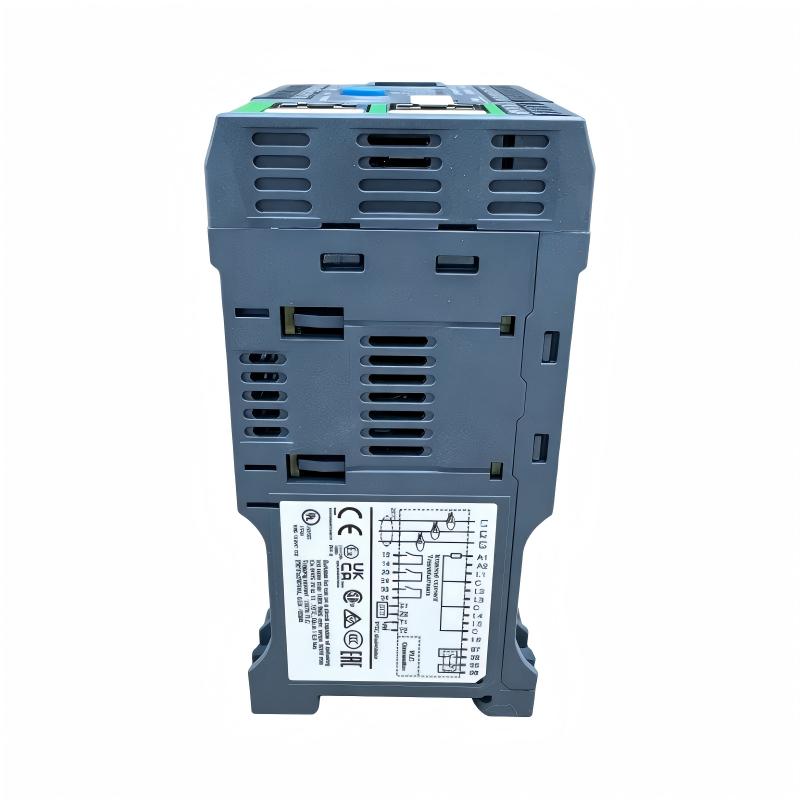
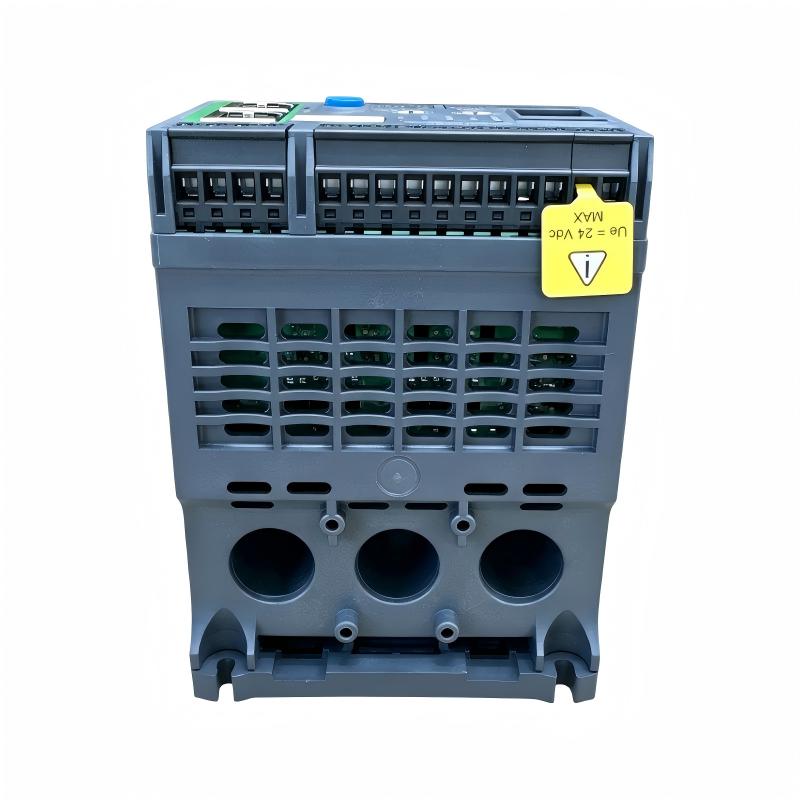
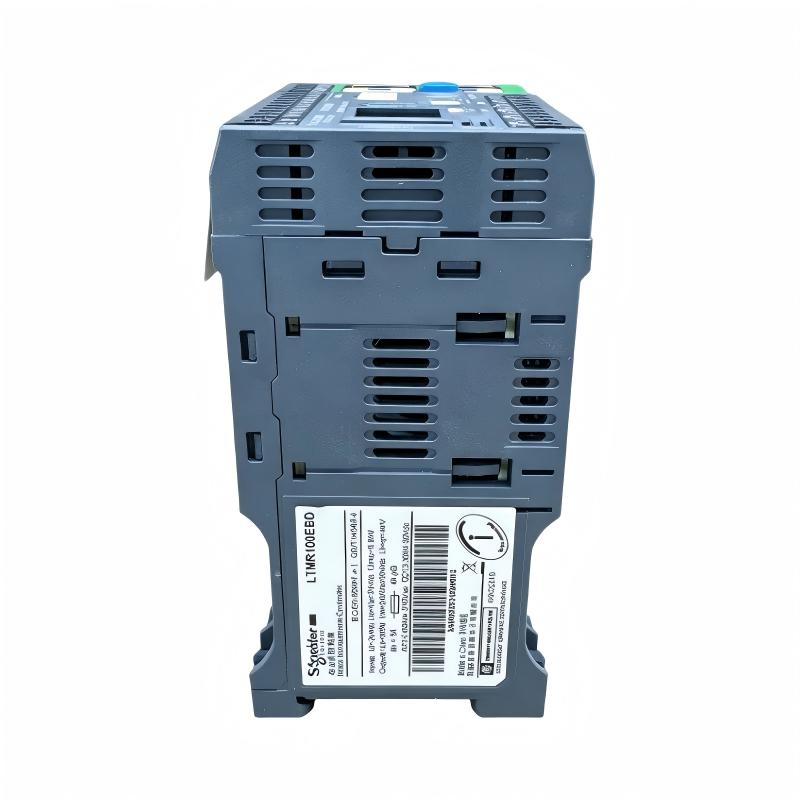
Brand:Schneider PLC Item No.:LTMR100EBD Product Origin:France Product Dimensions:91 x 61 x 122.5 mm Product Weight:0.53 kg Payment:T/T, Western Union, Credit Card Goods_stock:15 Shipping Port:Xiamen, China Lead Time:1-3 Days Condition:Brand New And Original Warranty:1 Year Certificate:COO
The Schneider LTMR100EBD Motor Controller Module is designed to provide advanced motor management for industrial automation systems that require dependable operation and improved equipment monitoring. It combines intelligent protection features with flexible integration capabilities to support modern industrial control requirements.
As part of the TeSys T platform, the LTMR100EBD helps users achieve better motor performance by providing real-time operating information and reliable protection functions. This allows engineers to improve maintenance planning, reduce downtime, and enhance the efficiency of motor-based applications.
For industrial automation engineers, machine manufacturers, and facility operators, the LTMR100EBD offers a reliable motor management solution built for long-term industrial performance.
Technical Specifications
Parameter
Description
Brand
Schneider Electric
Model Number
LTMR100EBD
Product Type
Motor Controller Module
Product Series
TeSys T Motor Management System
Dimensions
91 x 61 x 122.5 mm
Weight
0.53 kg (1.17 lb)
Application
Industrial Motor Control and Protection
Motor Management Function
Monitoring, Protection, and Control
Installation Method
Control Cabinet Mounting
Communication Capability
Industrial Automation System Integration
Operating Environment
Industrial Motor Applications
Recommended Related Models
Model
Product Type
Schneider LTMR100MBD
Motor Controller Module
Schneider LTMR100PBD
Motor Controller Module
Schneider LTMR100DBD
Motor Controller Module
Schneider LTMR100EFM
Motor Controller Module
Schneider LTMR100PFM
Motor Controller Module
Popular Related Models
Model
Product Type
Schneider LTMR27MBD
Motor Controller Module
Schneider LTMR27CBD
Motor Controller Module
Schneider LTMR08MBD
Motor Management Controller
Schneider LTMRA
TeSys T Expansion Module
Schneider TeSys U Series
Intelligent Motor Starter System
Industrial Applications and Intelligent Motor Management Solutions
The Schneider LTMR100EBD Motor Controller Module is an intelligent motor management component designed for industrial automation environments requiring reliable motor protection, advanced monitoring, and efficient control capabilities. As part of the TeSys T motor management system, this controller provides a professional solution for managing low-voltage motors in complex industrial applications.
The LTMR100EBD enables engineers to monitor motor operating conditions, improve fault detection, and enhance equipment reliability. Its integration capability allows seamless connection with industrial control systems, making it suitable for applications where operational visibility and reduced downtime are key requirements.
Typical application areas include:
Industrial automation systems
Motor control centers
Manufacturing production lines
Pump and fan control systems
Conveyor applications
Process automation equipment
OEM machinery solutions
With intelligent motor supervision and dependable protection functions, the LTMR100EBD helps industrial users improve equipment performance and maintain stable production operations.
Product Strengths and Industrial Benefits
Intelligent Motor Monitoring
The LTMR100EBD provides continuous supervision of motor operating conditions, helping engineers maintain better control over motor-driven equipment.
Comprehensive Protection Functions
Integrated protection capabilities help reduce risks caused by abnormal operating conditions and improve motor operating safety.
Flexible Automation Integration
The controller supports connection with industrial automation systems, enabling centralized monitoring and efficient equipment management.
Enhanced Troubleshooting Capability
Detailed diagnostic information assists maintenance personnel in identifying issues quickly and reducing equipment downtime.
Compact Industrial Architecture
The module is designed for convenient installation within control cabinets while delivering powerful motor management functionality.
Improved Operational Reliability
By combining monitoring, control, and protection functions, the LTMR100EBD supports stable and efficient industrial motor operation.
Technical FAQs – Schneider LTMR100EBD Motor Controller Module
1. What is the Schneider LTMR100EBD Motor Controller used for?
The LTMR100EBD is used for intelligent motor protection, monitoring, and control in industrial automation applications.
2. Which product family does the LTMR100EBD belong to?
The module belongs to the Schneider Electric TeSys T motor management system.
3. What types of industrial equipment can use the LTMR100EBD?
It can be applied to motor-driven equipment such as pumps, conveyors, fans, and industrial machinery.
4. How does the LTMR100EBD improve motor operation reliability?
It monitors motor conditions and provides protection functions to help prevent failures and unexpected shutdowns.
5. Can the LTMR100EBD communicate with PLC systems?
Yes. It can integrate with compatible industrial automation systems for monitoring and control.
6. What parameters should be configured before using the LTMR100EBD?
Engineers should configure motor ratings, protection parameters, communication settings, and application-specific functions.
7. What should be checked if the controller cannot communicate with the automation system?
Verify communication wiring, network settings, addressing configuration, power supply, and system parameters.
8. How does the LTMR100EBD support preventive maintenance?
It provides diagnostic data that helps maintenance teams identify abnormal motor conditions before failures occur.
9. What advantages does a TeSys T controller provide compared with traditional motor protection?
It combines monitoring, protection, and communication capabilities into a single intelligent motor management solution.
10. What should be verified when replacing an LTMR100EBD module?
Confirm system compatibility, motor configuration, communication requirements, and existing control parameters.