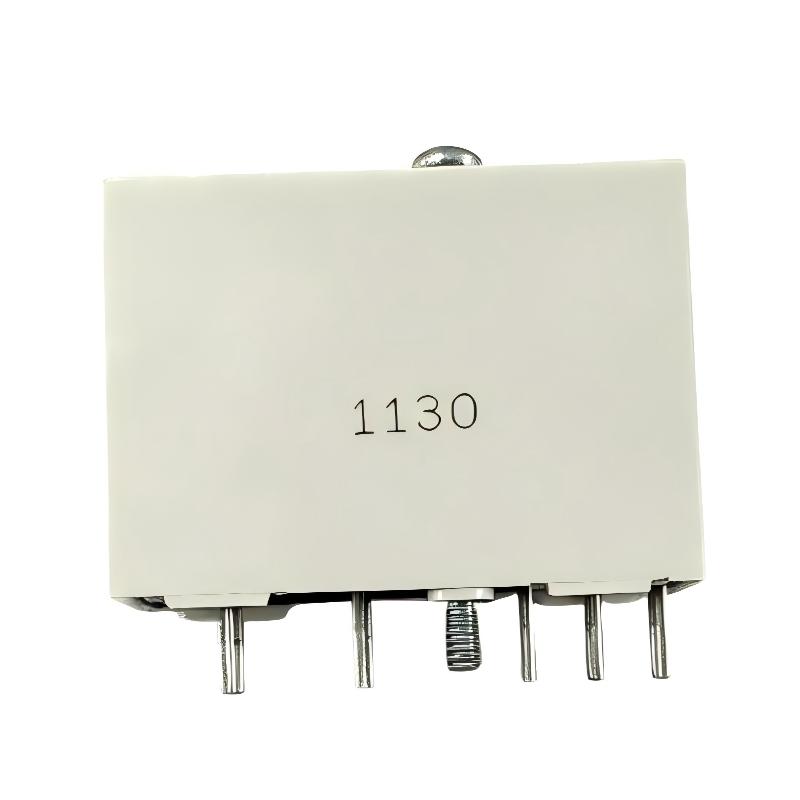
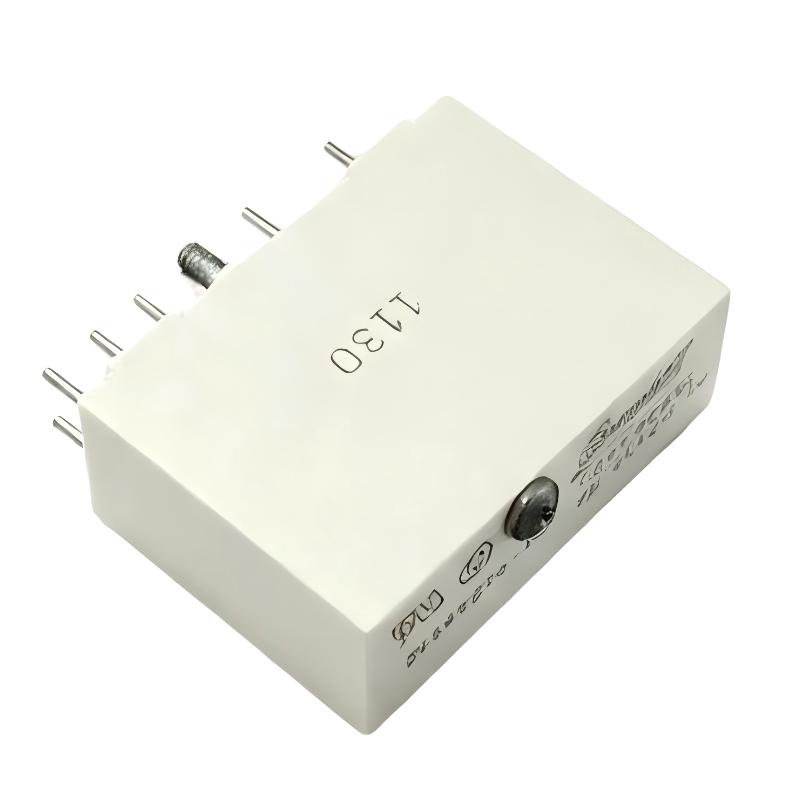
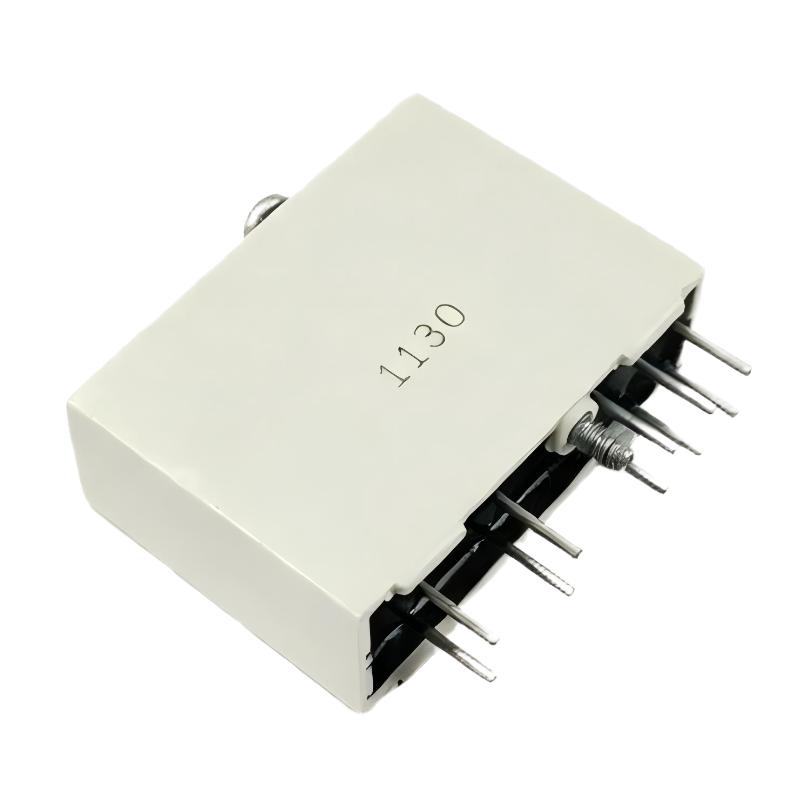
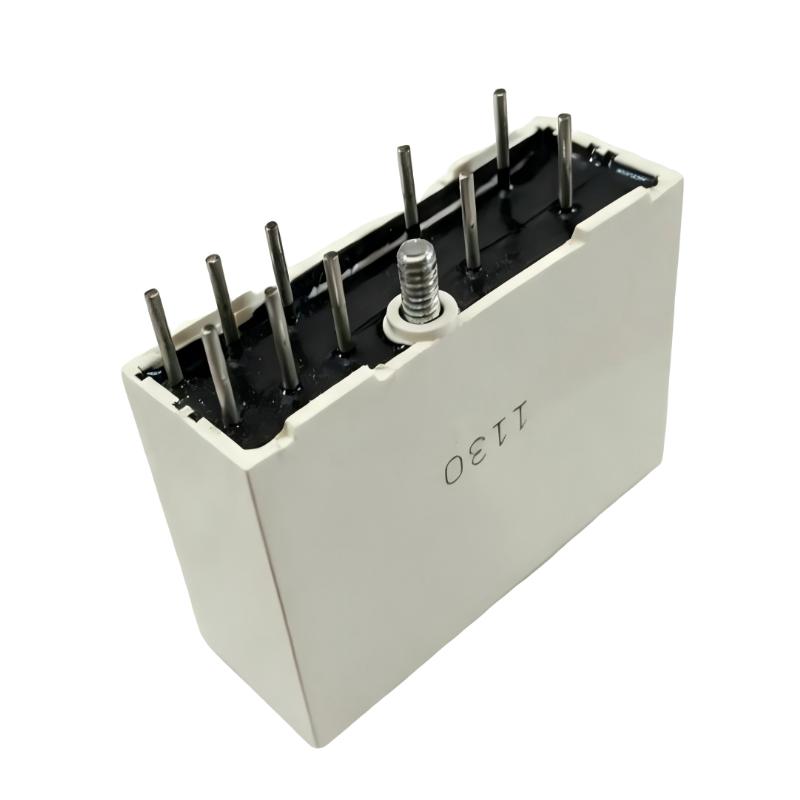
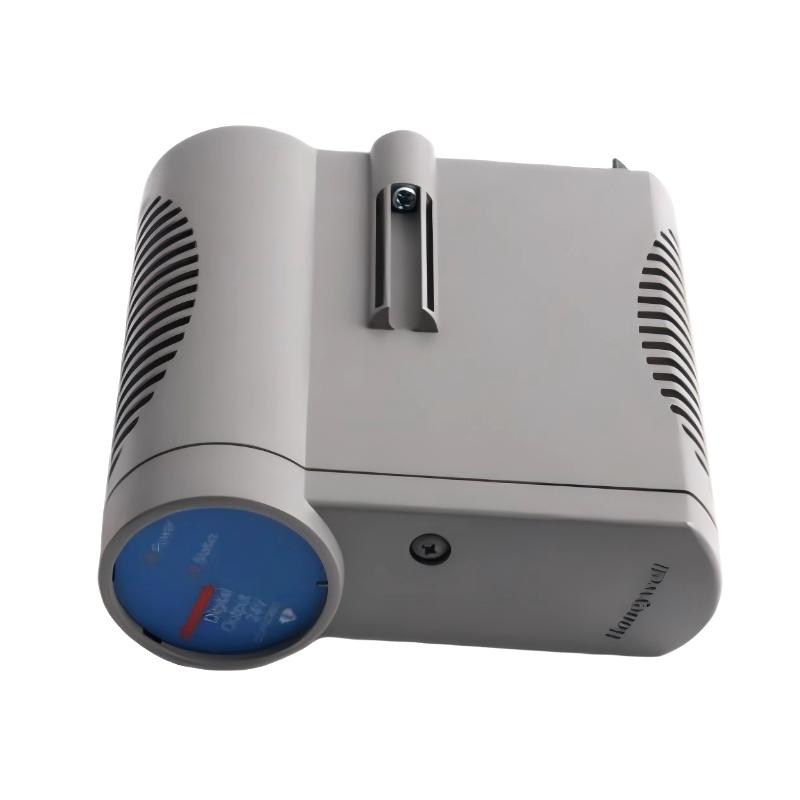
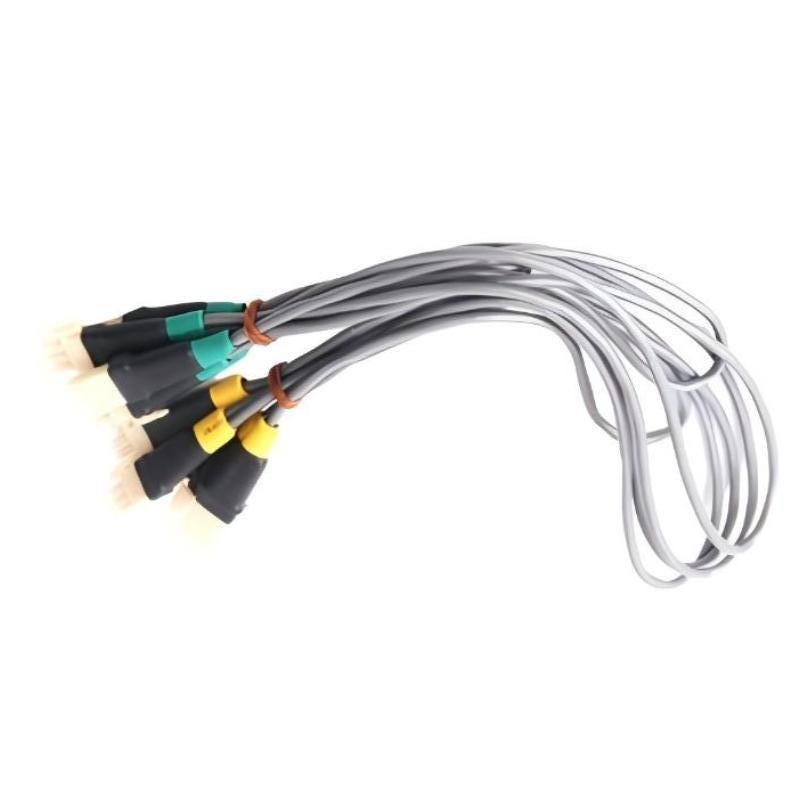
Brand:Honeywell DCS Item No.:51190523-125 Product Origin:USA Product Dimensions:88 x 30 x 50 mm Product Weight:0.1 kg Payment:T/T, Western Union, Credit Card Goods_stock:15 Shipping Port:Xiamen, China Lead Time:1-3 Days Condition:Brand New And Original Warranty:1 Year Certificate:COO
The Honeywell 51190523-125 I/O Relay Module is a compact industrial interface solution designed to support reliable signal management within automation and process control systems. It provides a practical method for connecting controllers with field devices while maintaining electrical separation and system protection.
Engineered for industrial environments, this relay module helps automation engineers achieve stable control performance in applications requiring dependable switching and field signal integration. Its compact structure allows efficient installation in control cabinets where space optimization is important.
The 51190523-125 is a valuable component for maintaining reliable automation infrastructure, supporting efficient troubleshooting, and improving overall system availability.
Technical Specifications
Parameter
Specification
Brand
Honeywell
Model Number
51190523-125
Product Type
I/O Relay Module
Function
Signal Switching and Field Interface
Application
Industrial Automation and Control Systems
Installation Type
Control Cabinet Mounting
Dimensions
88 × 30 × 50 mm
Weight
0.10 kg (0.22 lb)
Recommended Related Models
Model
Product Type
Honeywell 51190523-120
I/O Relay Module
Honeywell 51190523-126
Relay Interface Module
Honeywell 51304437-150
I/O Interface Module
Honeywell 51309218-125
Control Interface Module
Popular Related Models
Model
Product Type
Honeywell 51303971-486
I/O Module
Honeywell 51305072-100
Digital Input Module
Honeywell 51305072-200
Digital Output Module
Honeywell 51304386-150
Analog Input Module
Honeywell 51304487-150
Communication Interface Module
Applications and Industrial Automation Applications
The Honeywell 51190523-125 I/O Relay Module is a compact interface component designed for industrial control systems requiring reliable signal switching, electrical isolation, and efficient field device integration. It provides a dependable connection between control systems and external electrical devices, helping improve automation reliability and operational safety.
This I/O relay module is commonly used in:
Process automation systems
Industrial control cabinets
Distributed Control System (DCS) applications
Factory automation equipment
Field signal interface solutions
Motor and actuator control circuits
Industrial monitoring and protection systems
The compact design of the 51190523-125 makes it suitable for applications where panel space is limited while maintaining stable relay switching performance and reliable signal handling.
Advantages and Technical Benefits
The Honeywell 51190523-125 Relay Module provides practical advantages for industrial automation engineers looking for reliable signal interface solutions.
Reliable Signal Switching Performance
The relay design enables stable switching between control signals and field devices, supporting dependable automation operation.
Electrical Isolation Protection
Provides separation between control circuits and field-side devices, helping protect sensitive automation components.
Compact Installation Design
The small form factor allows efficient cabinet layout and easier integration into existing control panels.
Improved System Flexibility
Supports connection between automation controllers and various field devices, expanding system configuration options.
Industrial Application Reliability
Designed for continuous operation in control environments where stable performance is essential.
Easy Maintenance and Replacement
The module design supports convenient installation, inspection, and replacement during system servicing.
Technical FAQs
1. What is the main function of the Honeywell 51190523-125 I/O Relay Module?
The module provides relay-based signal switching and interface functions between control systems and external field devices.
2. Why are relay modules used in industrial automation systems?
Relay modules provide electrical isolation and allow control systems to safely operate external devices with different electrical requirements.
3. What types of signals can an I/O relay module handle?
Relay modules are typically used for digital switching signals such as control commands, status signals, and device activation functions.
4. How does electrical isolation improve system reliability?
Isolation helps prevent voltage disturbances and electrical interference from affecting sensitive control system components.
5. What causes relay module output failure?
Common causes include incorrect wiring, excessive load conditions, damaged relay contacts, power issues, or component aging.
6. How can technicians troubleshoot an I/O relay module fault?
They should check wiring connections, verify input signals, inspect output conditions, and review controller diagnostics.
7. Can a relay module improve compatibility between different devices?
Yes. It allows control systems and field devices with different electrical characteristics to communicate through relay switching.
8. What maintenance checks are recommended for relay modules?
Regular inspections of wiring connections, terminal conditions, and switching performance help maintain reliable operation.
9. How does a relay module respond to a control signal?
When an input signal is received, the relay changes its contact state to control the connected external circuit.
10. What factors affect the service life of an I/O relay module?
Load conditions, switching frequency, environmental temperature, wiring quality, and operating conditions can influence service life.