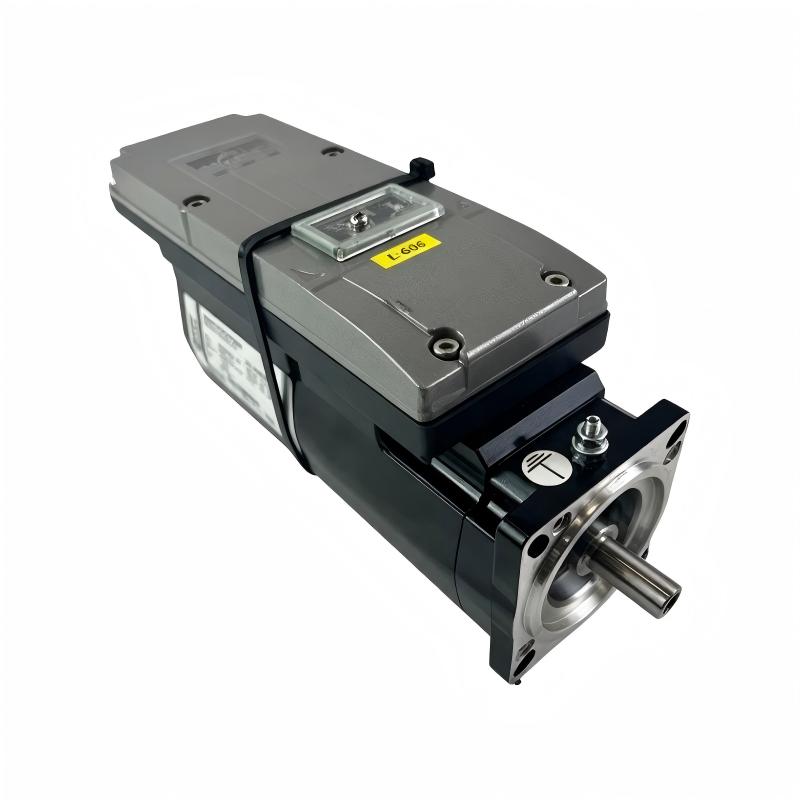
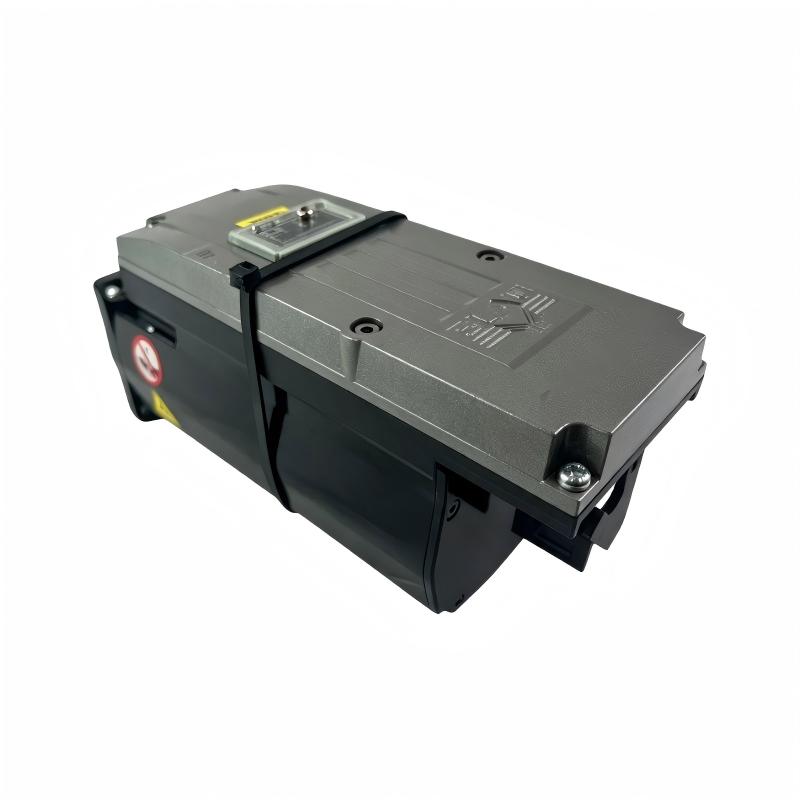
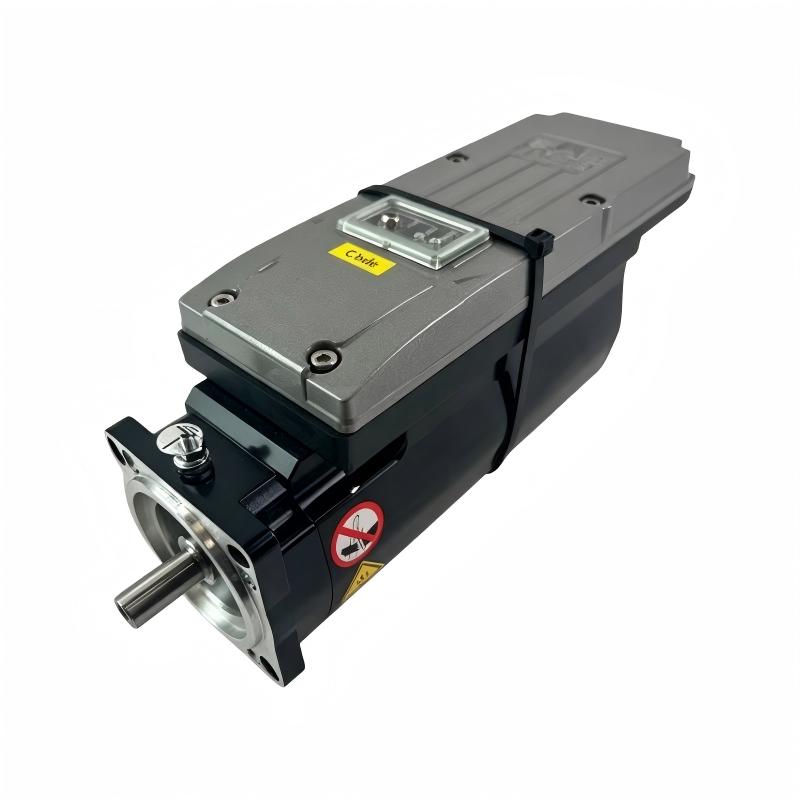
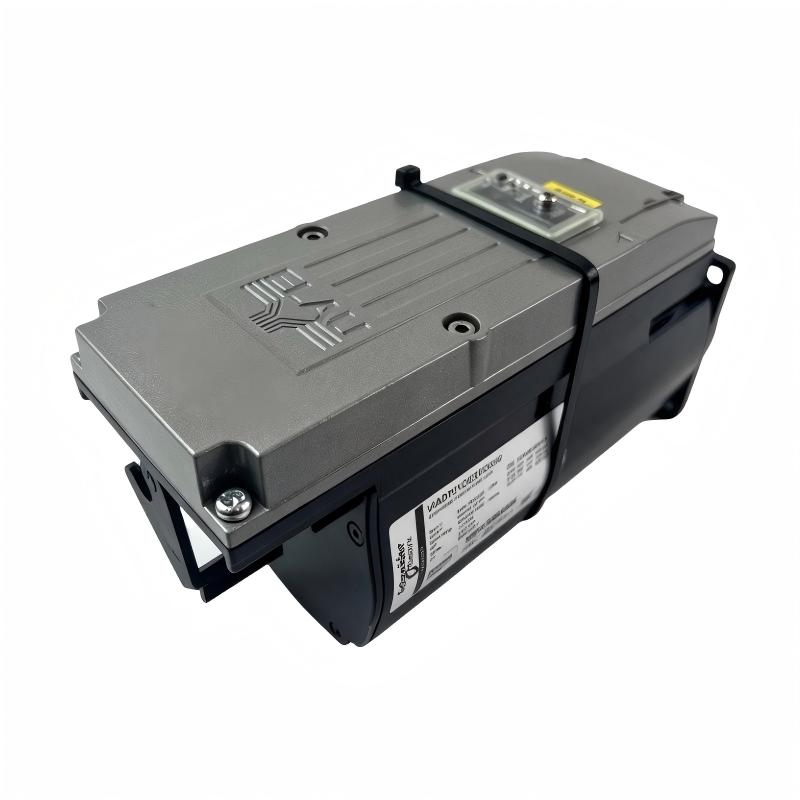
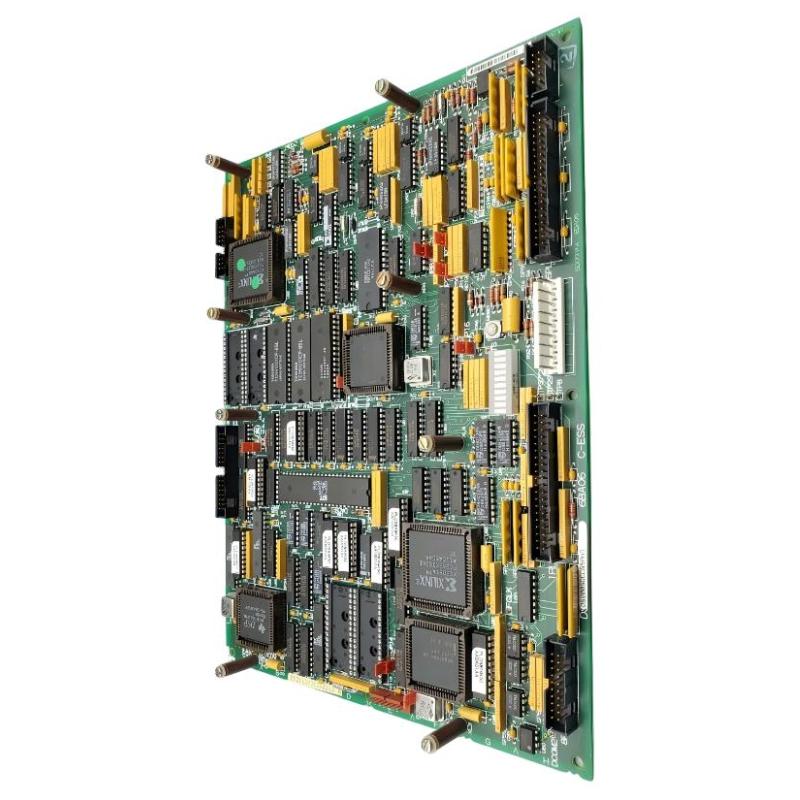
Brand:Schneider PLC Item No.:VIA0701D02F0000 Product Origin:France Product Dimensions:Length: 252 mm Product Weight:2.95 kg Payment:T/T, Western Union, Credit Card Goods_stock:15 Shipping Port:Xiamen, China Lead Time:1-3 Days Condition:Brand New And Original Warranty:1 Year Certificate:COO
The Schneider VIA0701D02F0000 Servo Motor is a high-quality industrial motion solution developed for applications requiring accurate and efficient machine movement. It provides reliable torque output, smooth operation, and precise control performance for modern automation systems.
Designed for industrial motion applications, this servo motor helps manufacturers improve equipment accuracy and production efficiency. Its compact construction makes it suitable for machines where installation flexibility and performance reliability are equally important.
For automation engineers and machine builders, the VIA0701D02F0000 offers a dependable motion component that supports advanced manufacturing requirements and stable industrial operation.
Technical Specifications
Parameter
Specification
Brand
Schneider
Model Number
VIA0701D02F0000
Product Type
Servo Motor
Application
Industrial Motion Control
Motor Function
Precision Speed and Position Control
Installation Type
Industrial Machine Mounting
Length
252 mm
Dimensions
Length: 252 mm
Weight
2.95 kg (6.50 lb)
Recommended Related Models
Model
Product Type
Schneider VIA0701D02F0001
Servo Motor
Schneider VIA0702D02F0000
Servo Motor
Schneider VIA0801D02F0000
Servo Motor
Schneider Lexium BMH Series
Servo Motor
Popular Related Models
Model
Product Type
Schneider Lexium 32 Series
Servo Drive
Schneider Lexium BMH Series
Servo Motor
Schneider Lexium BCH Series
Servo Motor
Schneider Modicon M262
Motion Controller
Schneider Altivar Series
Variable Speed Drive
Applications and Advanced Motion Control Applications
The Schneider VIA0701D02F0000 Servo Motor is a precision motion component designed for industrial automation systems requiring accurate positioning, smooth speed regulation, and reliable dynamic performance. It provides controlled mechanical movement for automated equipment where high responsiveness and consistent operation are essential.
This servo motor is commonly used in:
Industrial robotic systems
Automated assembly machines
Packaging and material handling equipment
CNC and precision machinery
Semiconductor manufacturing equipment
Motion positioning platforms
Factory automation applications
With its compact structure and efficient motion characteristics, the VIA0701D02F0000 helps machine builders achieve improved productivity, accurate movement control, and stable long-term operation.
Advantages and Motion Performance Benefits
The Schneider VIA0701D02F0000 Servo Motor provides reliable motion control capabilities for demanding industrial applications.
Precise Motion Regulation
Designed to deliver accurate speed and position control for automated machinery requiring consistent movement performance.
Fast Dynamic Response
Supports rapid acceleration and deceleration, helping machines achieve shorter cycle times and improved productivity.
Compact Mechanical Design
The optimized structure allows flexible installation in equipment where space efficiency is important.
Stable Operating Performance
Provides dependable operation under continuous industrial working conditions.
Enhanced Automation Compatibility
Designed for integration with Schneider motion control systems and industrial automation platforms.
Reduced Maintenance Requirements
The servo motor design supports long-term operation with improved reliability and reduced downtime.
Technical FAQs
1. What is the primary function of the Schneider VIA0701D02F0000 servo motor?
The servo motor converts electrical control signals into precise mechanical movement for industrial automation equipment.
2. Why are servo motors used in precision automation systems?
Servo motors provide accurate positioning, speed control, and fast response compared with conventional motors.
3. What applications are suitable for this servo motor?
It is suitable for robotics, automated machinery, positioning systems, and other motion control applications.
4. How does feedback improve servo motor performance?
Feedback allows the control system to monitor actual movement and adjust motor operation for higher accuracy.
5. What causes servo motor overheating during operation?
Possible causes include excessive load, incorrect parameters, poor ventilation, mechanical resistance, or drive configuration issues.
6. How can technicians troubleshoot servo motor vibration problems?
They should check mechanical alignment, mounting conditions, load balance, motor parameters, and feedback signals.
7. What causes servo motor positioning errors?
Common causes include incorrect tuning, encoder problems, mechanical backlash, wiring faults, or improper control settings.
8. Can this servo motor be integrated with PLC-based automation systems?
Yes. Servo motors are commonly controlled through PLCs, motion controllers, and industrial drive systems.
9. What maintenance checks are recommended for servo motors?
Regular inspection of cables, connectors, mechanical mounting, cooling conditions, and drive parameters is recommended.
10. How can servo motor service life be extended?
Proper installation, correct operation settings, preventive maintenance, and suitable environmental conditions help improve reliability.