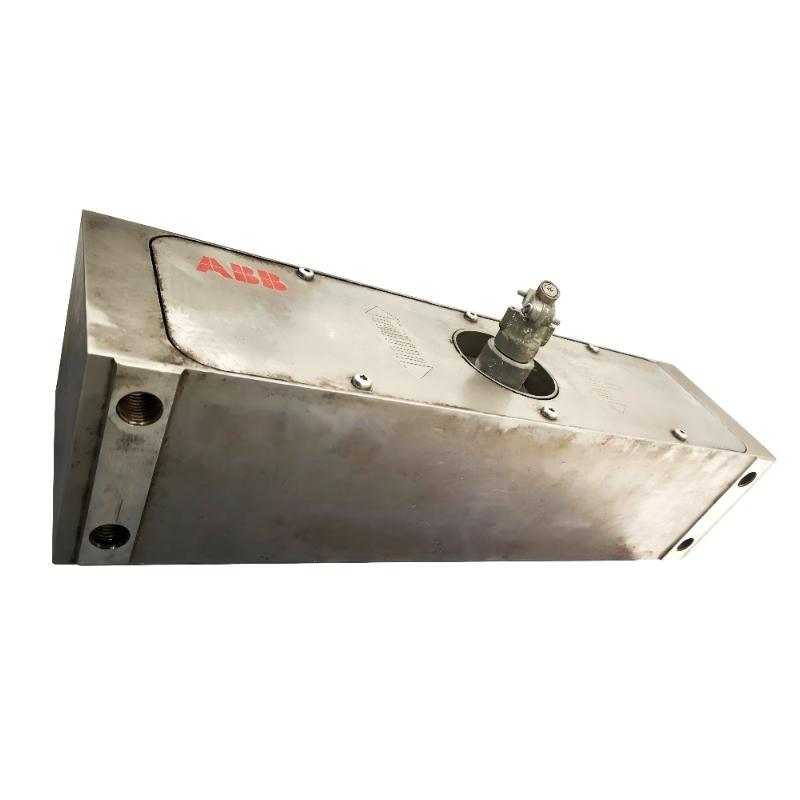
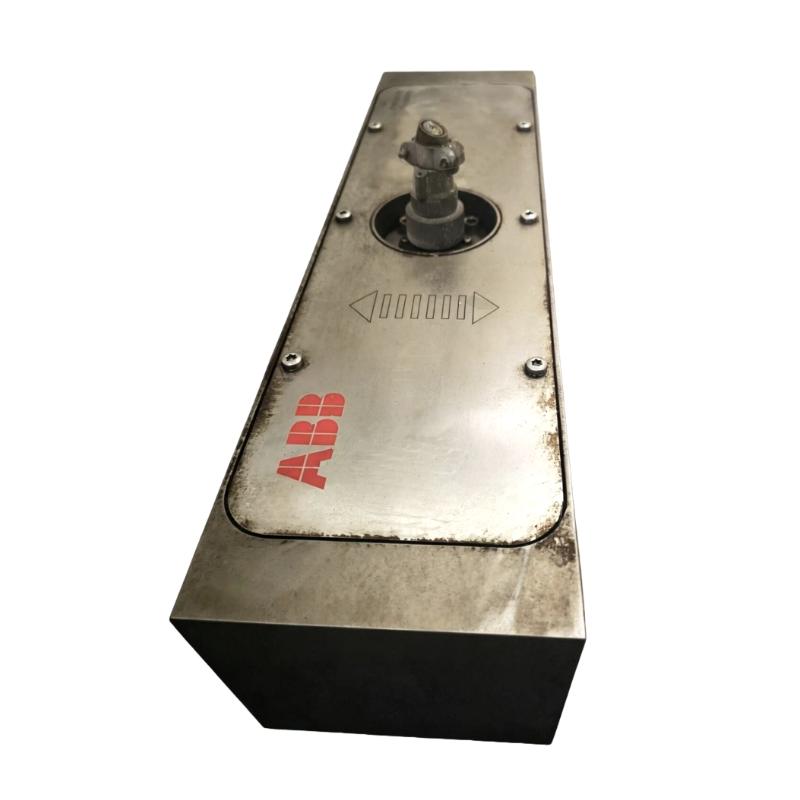
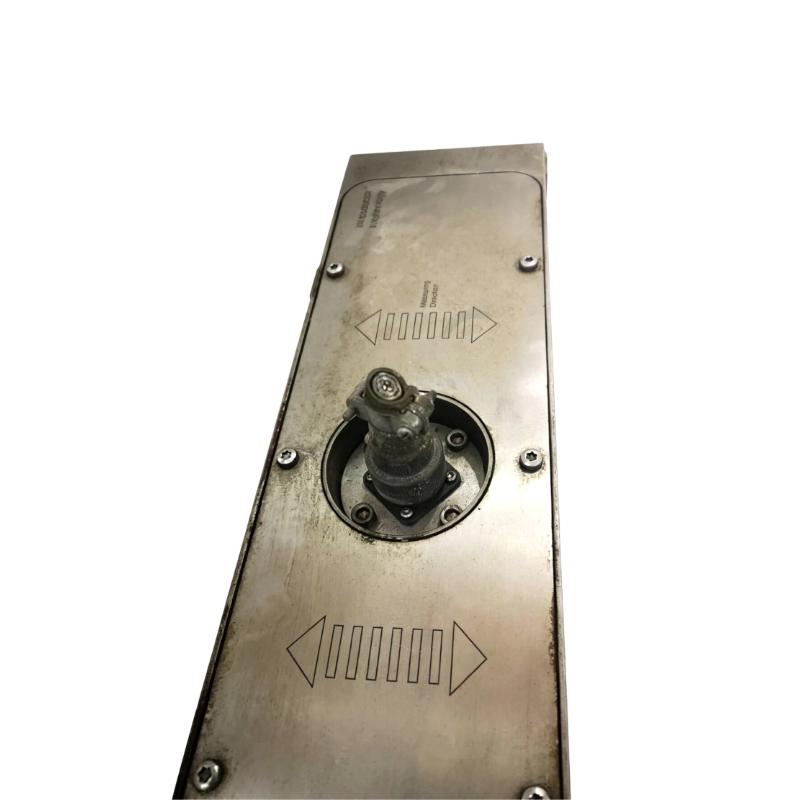
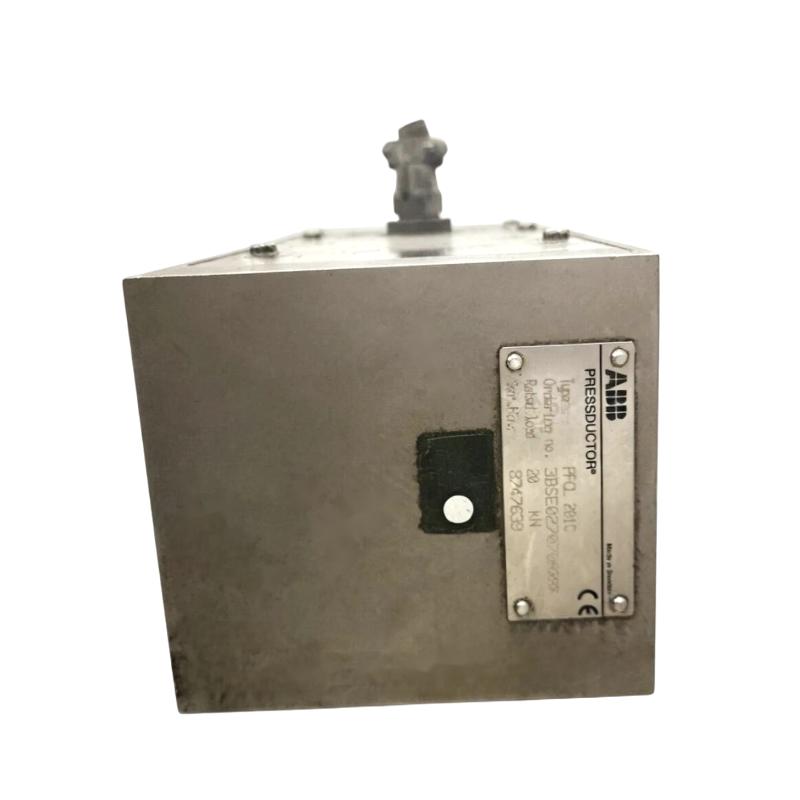
Brand:ABB PLC Item No.:PFCL 201C Product Origin:Sweden (SE) Product Dimensions:450 x 110 x 124.6 mm Product Weight:10 kg Payment:T/T, Western Union, Credit Card Goods_stock:15 Shipping Port:Xiamen, China Lead Time:1-3 Days Condition:Brand New And Original Warranty:1 Year Certificate:COO
The ABB PFCL 201C 3BSE027070R20 Pillow-Type Load Cell is an industrial force-measurement solution intended for machinery where accurate mechanical-load feedback is an essential part of the control process.
Unlike a general-purpose weighing sensor, a load cell used in continuous industrial machinery must operate as part of a larger mechanical and automation system. The quality of its measurement depends not only on the sensing element itself but also on mounting accuracy, force direction, mechanical alignment, signal transmission, and the configuration of the connected control equipment.
The pillow-type configuration of the PFCL 201C makes it suitable for specialized machinery in which the load cell is incorporated into a mechanical support arrangement. This type of installation is particularly useful for measuring forces associated with rolls and web-handling processes.
In applications such as paper, film, foil, printing, and converting, maintaining controlled tension is a major factor in achieving consistent production quality. Excessive tension can damage or deform the processed material, while insufficient tension can result in wrinkles, poor tracking, or winding problems. Reliable load feedback therefore becomes an important part of the overall automation strategy.
The ABB PFCL 201C can serve as an important measurement component within such systems. For plants maintaining established equipment, the model 3BSE027070R20 provides a specific identification reference for procurement and replacement planning.
Before installation, technicians should compare the replacement unit with the original equipment documentation and verify the mechanical and electrical requirements of the application. A correctly matched load cell can help reduce commissioning problems and return the production line to stable operation more efficiently.
Technical Specifications
Parameter
Description
Brand
ABB
Model
PFCL 201C
Part Number
3BSE027070R20
Product Type
Pillow-Type Load Cell
Measurement Application
Industrial Force / Tension Measurement
Typical Application
Web Handling and Process Machinery
Design
Pillow-Type Construction
System Integration
Industrial Measurement and Automation Systems
Dimensions
450 × 110 × 124.6 mm
Weight
10.00 kg (22.05 lb)
Recommended Related Models
Model
Product Type
ABB PFCL 201C 3BSE027070R20
Pillow-Type Load Cell
ABB PFCL 201C
Pillow-Type Load Cell
ABB PFTL 101A 3BSE004172R1
Load Cell
ABB PFTL 101B
Load Cell
ABB PFTL 201
Load Cell
Popular Related Models
Model
Product Type
ABB PFCL 201C
Pillow-Type Load Cell
ABB PFTL 101A
Load Cell
ABB PFTL 101B
Load Cell
ABB PFTL 201
Load Cell
ABB PFTL 301
Load Cell
Industrial Applications
The ABB PFCL 201C 3BSE027070R20 Pillow-Type Load Cell is a specialized force-measurement component designed for industrial web handling, tension measurement, and continuous process applications. Its pillow-type construction makes it particularly suitable for machinery where the load cell is integrated into a supporting roll or mechanical load-measurement arrangement.
Accurate tension measurement is essential in many continuous production processes. In paper manufacturing, converting, printing, film processing, textile production, and other web-based industries, uncontrolled tension can lead to wrinkles, material deformation, poor winding quality, or production interruptions. A reliable load cell provides the measurement feedback required by the automation system to maintain stable operating conditions.
The PFCL 201C can be used in systems where force measurements need to be transmitted to appropriate signal-processing and control equipment. By providing dependable load information, it can contribute to more consistent tension control and improved production stability.
Typical applications include:
Web tension measurement
Paper and pulp machinery
Film and foil processing
Printing and converting equipment
Textile production machinery
Roll-to-roll manufacturing
Continuous material handling
Industrial winding and unwinding systems
Automated process-control equipment
Replacement of compatible ABB load-cell installations
For maintenance teams, the PFCL 201C 3BSE027070R20 is also a practical replacement component when an existing load-measurement system requires restoration. Correct mechanical installation and compatibility verification remain important to achieving reliable measurement performance.
Key Advantages
Purpose-Built Pillow-Type Construction
The PFCL 201C uses a pillow-type load-cell design intended for integration into industrial machinery where mechanical forces need to be measured through a supporting structure.
Reliable Tension Measurement
Stable load measurement is particularly valuable in continuous web-processing applications, where even relatively small tension variations can influence product quality.
Designed for Process Automation
Load-cell feedback can be incorporated into a larger automation architecture to support automatic tension regulation, monitoring, and process optimization.
Suitable for Continuous Production
Industrial converting and material-processing equipment often operates for extended periods. A dedicated industrial load cell provides a dependable measurement element for these demanding environments.
Useful for Equipment Maintenance
The full ABB identification, including 3BSE027070R20, helps engineers identify the required component when servicing existing machinery.
Supports Better Product Consistency
Accurate force information allows the control system to respond to changing process conditions, helping maintain more consistent material tension and handling.
Professional ABB Replacement Choice
For facilities already using ABB measurement and automation equipment, selecting the correct ABB load-cell model can simplify maintenance and help preserve the original system architecture.
Technical FAQs
1. What is the ABB PFCL 201C 3BSE027070R20 designed to measure?
The PFCL 201C is a pillow-type load cell designed for industrial force measurement. It is commonly associated with tension-measurement applications in continuous material-processing equipment.
2. Why are load cells important in web-processing machinery?
Load cells provide feedback about mechanical force acting on the process equipment. This information can be used by the control system to maintain appropriate web tension and improve production stability.
3. What can cause unstable tension readings from a PFCL 201C system?
Possible causes include incorrect mechanical installation, uneven loading, vibration, damaged cabling, electrical interference, signal-processing problems, or mechanical components that are not moving correctly.
4. Does the mechanical installation influence load-cell accuracy?
Yes. The load cell must be installed correctly and subjected to the intended mechanical loading direction. Mechanical interference, misalignment, friction, or unintended forces can influence the measured signal.
5. Can the PFCL 201C be used for tension-control applications?
Yes. Load-cell measurement can provide feedback for a tension-control system when the complete installation includes suitable signal-conditioning and control equipment.
6. What should be checked before replacing a PFCL 201C?
Engineers should verify the complete model and part number, mechanical mounting arrangement, electrical interface, associated measurement electronics, and control-system configuration before replacement.
7. Why might a load-cell signal remain constant when the machine load changes?
A constant signal may indicate a wiring problem, sensor fault, signal-conditioning issue, mechanical restriction, or a problem elsewhere in the measurement chain. Troubleshooting should examine the complete measurement circuit rather than the load cell alone.
8. How can mechanical vibration affect tension measurement?
Vibration can introduce fluctuations into the measured force signal. If excessive vibration is present, engineers should inspect the roll assembly, bearings, mounting structure, and surrounding mechanical equipment.
9. Can a damaged load-cell cable affect the measurement signal?
Yes. Cable damage, poor connections, moisture ingress, or electrical interference can cause unstable, intermittent, or incorrect measurement signals.
10. What is important when commissioning a replacement PFCL 201C?
The load cell should be mechanically installed according to the equipment design, connected correctly, and checked under controlled operating conditions. Zero behavior, signal stability, and response to known process conditions should be verified before normal production resumes.