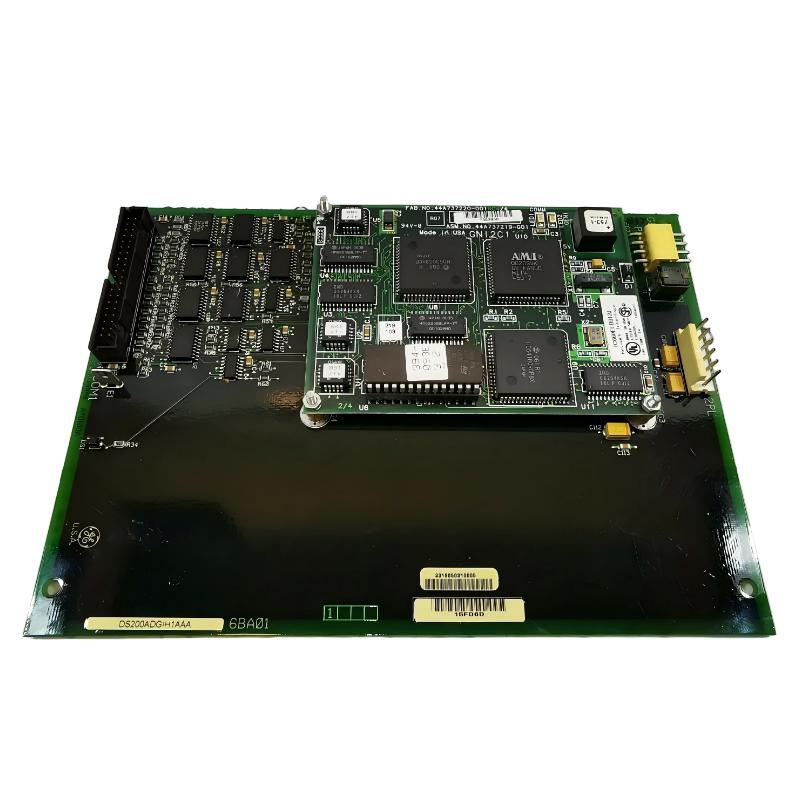
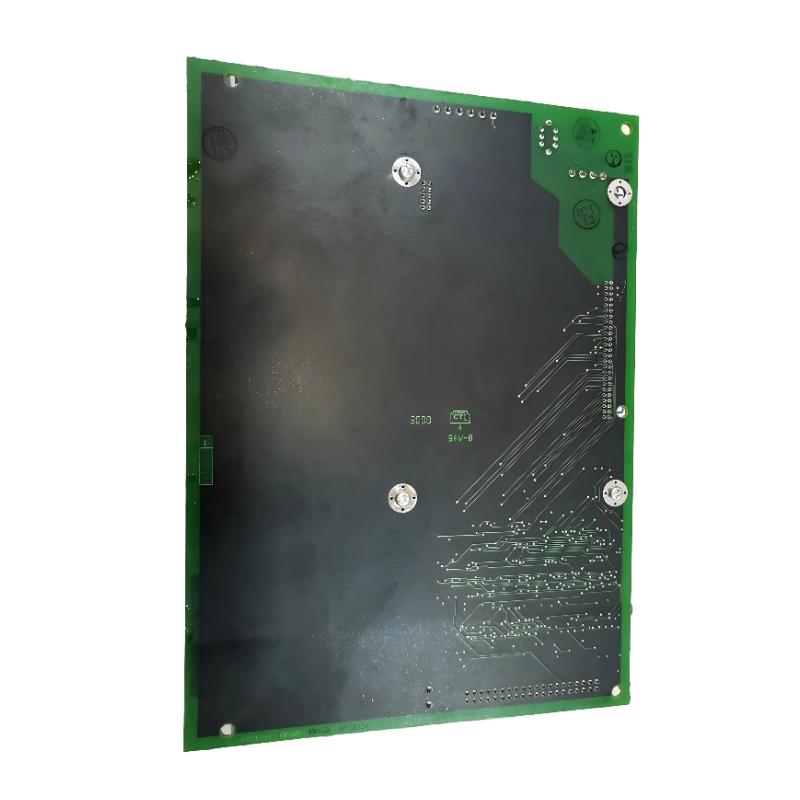
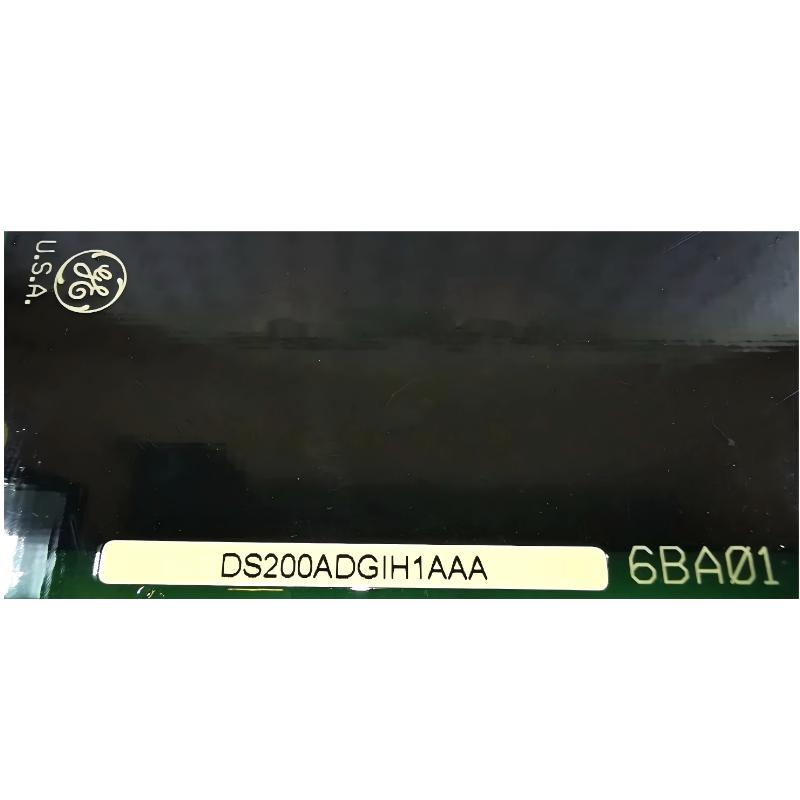
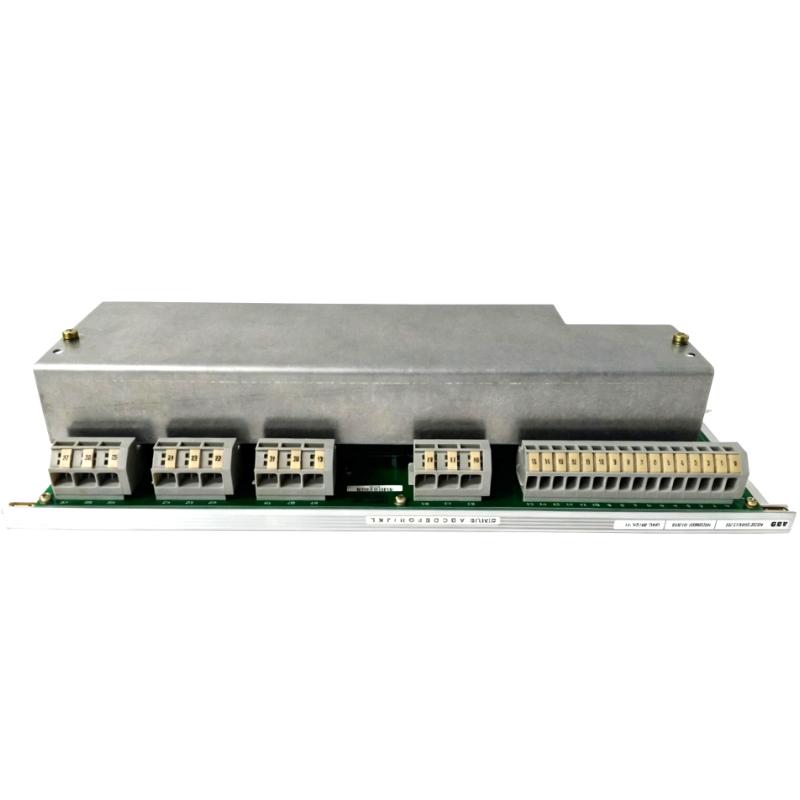
GE DS200ADGIH1AAA Mark V AuxilIary Interface Board
GE DS200ADGIH1AAA Mark V AuxilIary Interface Board
0.0
Points
Brand:GE Fanuc PLC Item No.:DS200ADGIH1AAA Product Origin:USA Product Dimensions:180 × 150 × 50 mm Product Weight:0.454 kg Payment:T/T, Western Union, Credit Card Goods_stock:15 Shipping Port:Xiamen, China Lead Time:1-3 Days Condition:Brand New And Original Warranty:1 Year Certificate:COO
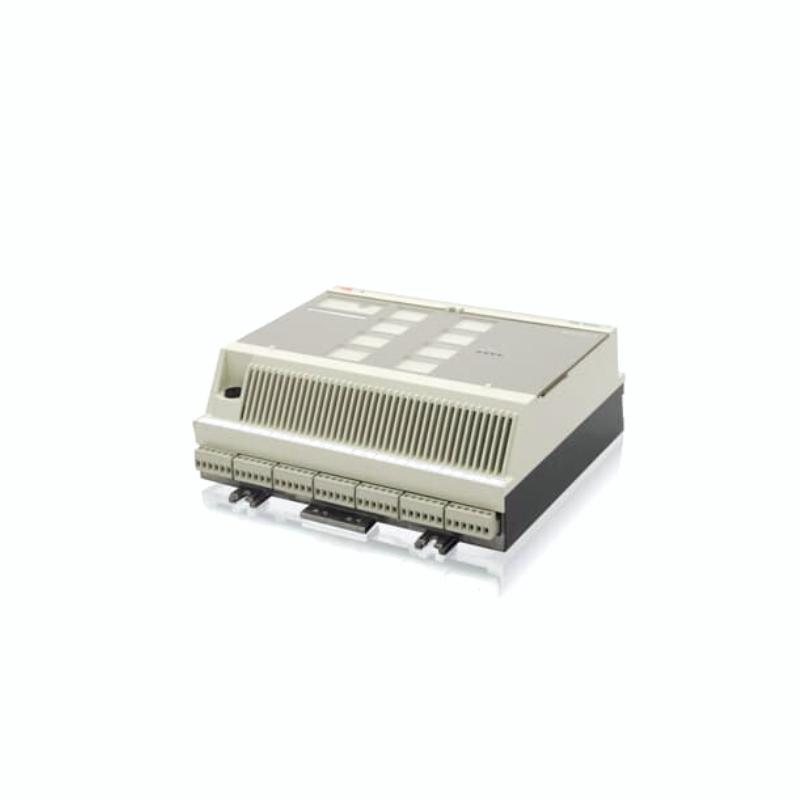
The DS200ADGIH1AAA is a specialized auxiliary interface board used throughout GE’s Mark V control family. It functions as a bridge for additional field signals, allowing operators to expand system capability without altering core controller hardware.
Its design supports dependable signal conditioning, stable reference management, and accurate data transfer across turbine control networks. For operators working to maintain reliable turbine operation, this board delivers long-term stability and consistent electrical performance—making it a trusted component in both original installations and ongoing service programs.
Technical Specifications
Specification
Details
Product Type
Auxiliary Interface Board
System Platform
GE Mark V Control System
Primary Function
Auxiliary signal conditioning and interface expansion
The GE DS200ADGIH1AAA Auxiliary Interface Board is engineered for high-demand industrial environments where precision signal handling and dependable auxiliary interfacing are essential. It is widely used within GE Mark V turbine control systems, supporting gas turbines, steam turbines, and compressor trains that require stable analog/digital signal routing.
Its robust electrical design makes it suitable for facilities with substantial electromagnetic interference, rapid load variations, or frequent switching operations. The board also integrates smoothly into retrofit and modernization projects, giving legacy Mark V systems renewed performance without disrupting existing architecture.
Advantages
Stable Signal Conditioning: Designed to maintain clean, interference-free transmission for both analog and digital channels, ensuring consistent turbine command execution.
Reliable System Integration: Seamlessly interfaces with Mark V cores, allowing engineers to extend control functionality without overhauling the backbone system.
Strong Electrical Protection: Built-in filtering and conditioning circuits safeguard the system against surges, noise, and transient disturbances.
Low Maintenance, High Uptime: Its durable PCB structure and component layout minimize drift and failure points, supporting long-term plant reliability.
Optimized for Harsh Environments: Engineered to perform in facilities with vibration, temperature fluctuations, and industrial-grade electrical loads.
Technical FAQs
How does the DS200ADGIH1AAA handle mixed analog and digital signal inputs within the Mark V control structure?
The board uses dedicated conditioning paths for each signal type, ensuring stable conversion and isolation before routing to the controller.
What noise-suppression methods are implemented to stabilize low-level field signals?
It incorporates filtering components and grounding strategies that minimize distortion caused by industrial electrical noise.
How is cross-channel interference prevented when multiple signals operate simultaneously?
Careful PCB trace separation, shielding practices, and ground reference management help maintain channel integrity.
What diagnostic features assist technicians in identifying signal irregularities?
The board provides test points and predictable signal paths, enabling quick fault tracing during maintenance.
How does the module interact with the Mark V’s TMR architecture to ensure redundant signal agreement?
It supports synchronized routing so that all three control channels receive consistent and validated auxiliary inputs.
What type of isolation protects the auxiliary inputs from high-energy noise sources?
The design includes isolation barriers and filtering components that protect low-level circuits from electrical transients.
How does the board stabilize reference voltages under fast-changing load or supply conditions?
Internal regulation and compensation circuitry help maintain stable voltage references.
What mechanisms detect abnormal or drifting auxiliary input conditions?
The board monitors signal consistency, allowing the controller to identify channels that deviate from expected norms.
How is timing alignment preserved when multiple control cores access the board simultaneously?
Its architecture ensures deterministic timing so that parallel control paths remain synchronized.
What safeguards are used to prevent damage from reverse polarity or transient surges?
Protective components such as diodes and transient suppression elements are included to shield circuitry from harmful events.