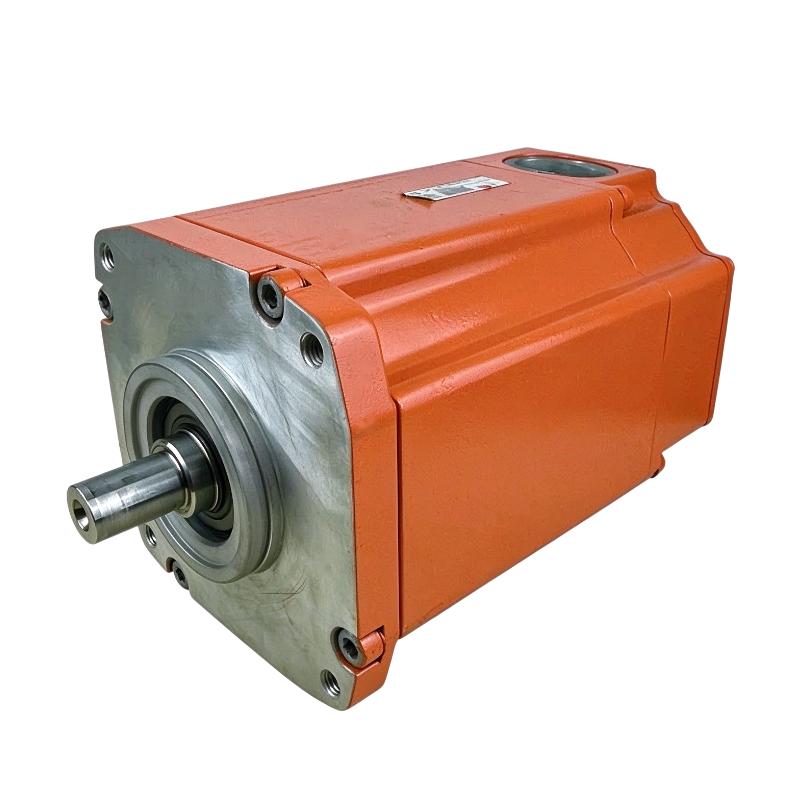
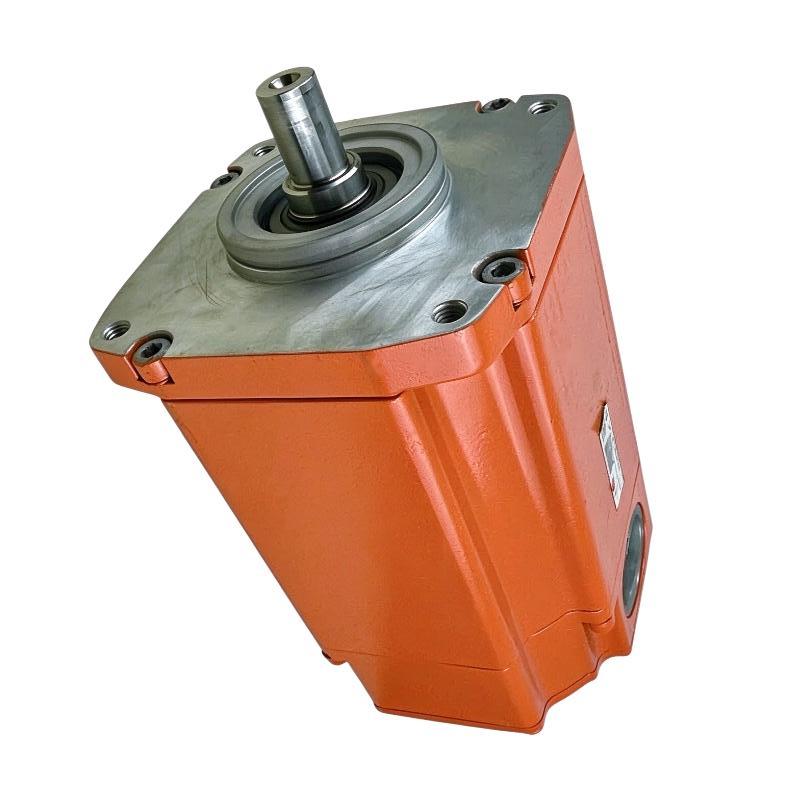
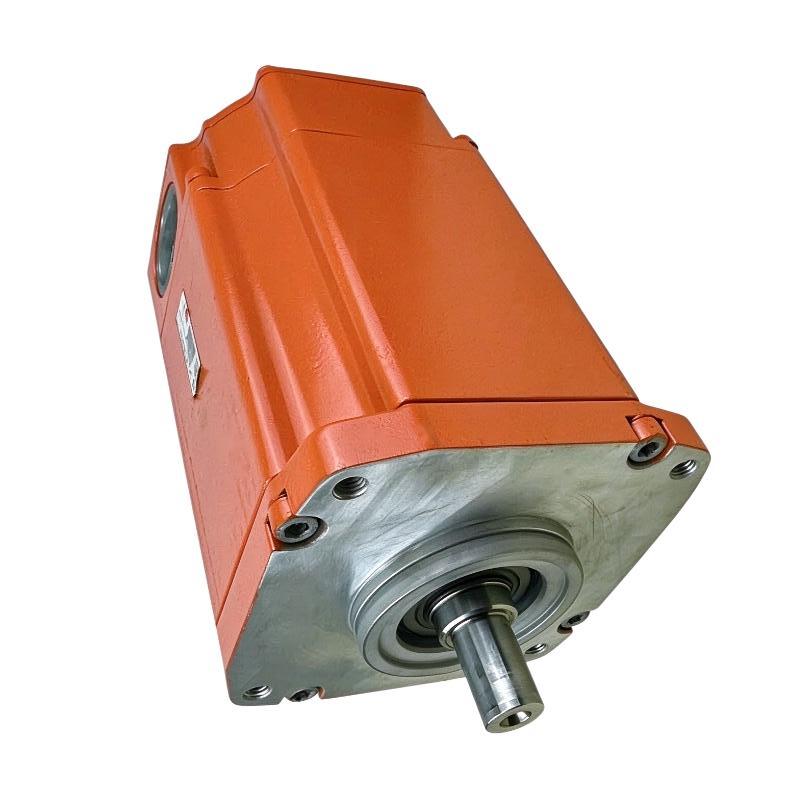
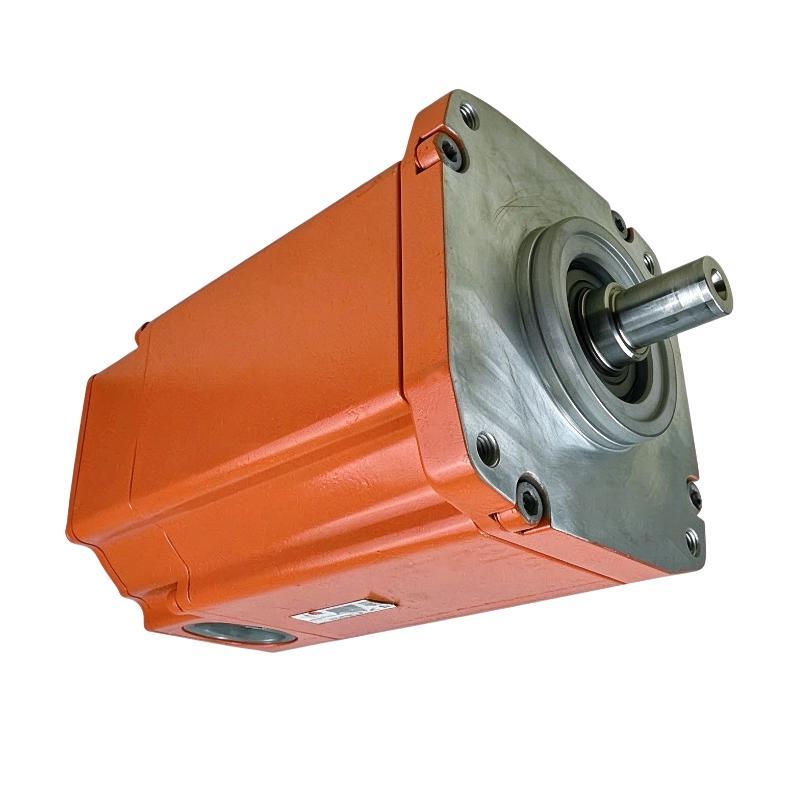
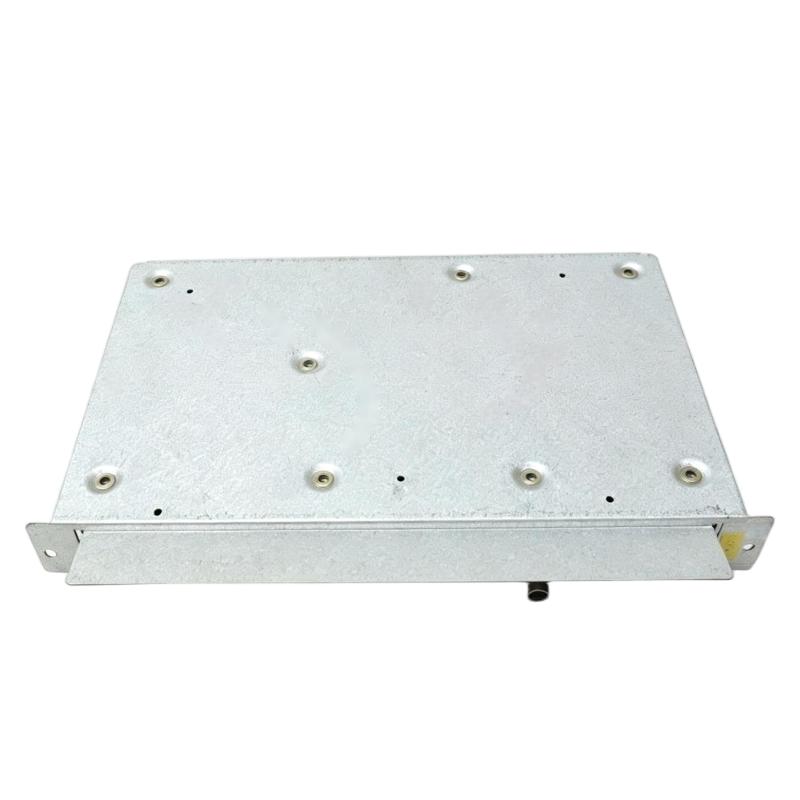
Brand:ABB PLC Item No.:3HAC024776-001 Product Origin:Sweden (SE) Product Dimensions:440 x 180 x 180 mm Product Weight:30 kg Payment:T/T, Western Union, Credit Card Goods_stock:15 Shipping Port:Xiamen, China Lead Time:1-3 Days Condition:Brand New And Original Warranty:1 Year Certificate:COO
The ABB 3HAC024776-001 Servo Motor is an industrial motion-control component identified by its specific ABB part number. Servo motor assemblies are essential in automation systems where machine movement must follow defined speed, position, or torque commands rather than operate solely at a fixed speed.
In automated manufacturing, robotics, packaging, and material handling, motion performance depends on the interaction between the motor, drive, controller, feedback equipment, and mechanical load. Correct component selection helps maintain repeatability, stable operation, and predictable machine response.
For maintenance engineers and industrial procurement teams, the first step when sourcing this motor is to verify the complete part number against the installed equipment. Electrical ratings, feedback compatibility, mounting dimensions, and the associated drive configuration must be confirmed before a replacement is commissioned.
Selecting the correct component can help minimize unnecessary modifications, reduce commissioning delays, and maintain the intended performance of the existing automation system. For applications requiring dependable industrial motion control, accurate identification and compatibility verification are essential to a successful replacement.
Technical Specifications
Parameter
Specification
Brand
ABB
Model
3HAC024776-001
Product Type
Servo Motor
Product Category
Industrial Motion Control
Application
Automated motion and positioning systems, subject to verification
Drive Compatibility
Must be confirmed for the specific motor and controller
Feedback System
Verify encoder or feedback configuration
Rated Voltage
Not confirmed
Rated Power
Not confirmed
Rated Torque
Not confirmed
Rated Speed
Not confirmed
Dimensions
440 × 180 × 180 mm
Weight
30.00 kg / 66.14 lb
The dimensions and weight are based on the supplied specifications. Rated power, torque, speed, voltage, feedback type, and the exact application of this part number should be verified against the motor nameplate and compatible ABB equipment documentation.
Recommended Related Models
The following ABB product categories and components may be relevant to industrial motion-control maintenance. They are not confirmed direct replacements for the 3HAC024776-001.
Model
Product Type
Potential Application
ABB 3HAC024776-001
Servo Motor
Identification of the specified motor assembly
ABB 3HAC Series
Robot Spare Parts
Maintenance of compatible ABB robotic systems
ABB IRB 6700
Industrial Robot Family
Material handling, welding, and production automation
ABB IRB 4600
Industrial Robot Family
General industrial robotic applications
ABB IRC5
Robot Controller Family
Control of compatible ABB robot systems
ABB OmniCore
Robot Controller Family
Motion control for supported ABB robotic platforms
Popular Related Models
For buyers maintaining ABB robotic equipment and industrial motion systems, the following product families may also be relevant.
Model
Product Name
Primary Application
ABB IRB 1200
Industrial Robot
Compact assembly and handling
ABB IRB 2600
Industrial Robot
Material handling and machine tending
ABB IRB 4600
Industrial Robot
General-purpose industrial automation
ABB IRB 6700
Industrial Robot
Heavy-duty industrial handling
ABB IRC5
Robot Controller
Robot motion and application control
ABB OmniCore
Robot Controller
Advanced robotic control and integration
Procurement note: The designation 3HAC024776-001 may refer to a robot-specific motor assembly rather than a universal servo motor. Confirm the exact ABB equipment association, installed robot model, and replacement compatibility before purchasing.
Applications
The ABB 3HAC024776-001 Servo Motor is an industrial motion-control component identified by its ABB part number. Servo motors are used in automation systems that require controlled movement, repeatable positioning, and coordinated operation with compatible drive and feedback equipment.
Industrial Robotics: Supports motion-control applications where accurate motor movement and coordinated mechanical operation are required, subject to compatibility with the robot system.
Automated Manufacturing: Suitable for evaluating replacement motor requirements in production equipment that relies on controlled motion.
Material Handling Systems: Can support motion applications involving positioning, transfer mechanisms, and automated handling equipment.
Machine Tool Equipment: Servo motor technology enables controlled movement in machinery requiring repeatable positioning and coordinated axis operation.
Packaging Machinery: Supports applications involving synchronized movement, indexing, and repetitive mechanical cycles when matched to the appropriate drive.
Industrial Equipment Maintenance: Provides a model-specific sourcing reference for maintenance teams replacing components in existing ABB installations.
Before installation, confirm the motor's exact function, rated electrical characteristics, feedback arrangement, mechanical interface, and compatibility with the target machine.
Advantages
Precise Motion Control
Servo motor systems combine a motor, compatible drive, and feedback arrangement to regulate movement according to application requirements. This approach supports repeatable positioning and controlled speed when correctly configured.
Integration with Industrial Automation
When matched with the appropriate controller and drive, a servo motor can operate within a coordinated automation architecture, supporting synchronized motion and repeatable machine sequences.
Support for Demanding Duty Cycles
Servo systems are commonly selected for applications involving frequent acceleration, deceleration, and changes in commanded position. Actual performance depends on the motor ratings, load characteristics, and drive configuration.
Potential for Improved Production Consistency
Controlled motion helps machinery perform repetitive tasks with greater consistency, provided that mechanical tolerances, feedback devices, and control parameters are properly maintained.
Maintenance and Replacement Flexibility
Using the exact ABB part number helps maintenance teams identify the intended component and check compatibility before ordering a replacement.
Application-Specific Motion Solutions
Servo motor technology can support a broad range of industrial motion requirements. Selecting the correct motor and drive combination helps avoid underperformance, excessive heating, and unnecessary equipment changes.
Technical FAQs
Q1: What is the main function of an industrial servo motor?
A servo motor converts electrical energy into controlled mechanical motion. When operated with a compatible servo drive and feedback system, it can regulate speed, position, and torque according to the application's control requirements.
Q2: Can the ABB 3HAC024776-001 operate with any servo drive?
No. The motor must be compatible with the drive's voltage and current ratings, commutation method, feedback interface, and control requirements. Confirm the approved motor-drive combination before installation.
Q3: Does a servo motor require an encoder?
Many servo systems use an encoder or another feedback device to measure rotor position and speed. The exact feedback requirements depend on the motor design and the associated drive's control architecture.
Q4: What causes a servo motor to lose positioning accuracy?
Possible causes include incorrect tuning, feedback errors, mechanical backlash, coupling slippage, excessive load, vibration, or damaged mechanical components. Troubleshooting should examine both the control system and the mechanical transmission.
Q5: Why is servo drive tuning important?
Tuning adjusts the control response to the motor and connected load. Incorrect tuning can cause oscillation, overshoot, excessive noise, unstable movement, or poor positioning performance.
Q6: What can cause a servo motor to overheat?
Potential causes include excessive load, frequent high-current operation, restricted cooling, incorrect drive parameters, mechanical binding, or an unsuitable duty cycle. Check the motor and drive operating conditions against their specified limits.
Q7: Can the motor be used in continuous operation?
Continuous operation depends on the motor's rated duty, thermal characteristics, cooling arrangement, load profile, and installation conditions. The actual duty capability must be established from the correct technical documentation.
Q8: What should be checked if a servo motor vibrates excessively?
Inspect the mechanical mounting, coupling alignment, load balance, feedback signals, grounding, and drive tuning. Also check for bearing wear and mechanical resonance where applicable.
Q9: What information is required when replacing this servo motor?
Verify the complete part number, rated voltage, current, torque, speed, feedback type, connector arrangement, shaft or mounting interface, and compatibility with the existing drive and controller.
Q10: What safety precautions apply during servo motor maintenance?
Isolate hazardous electrical energy, follow the drive manufacturer's DC-link discharge procedure, and secure the machine against unexpected movement. Where vertical or suspended loads are present, ensure that suitable mechanical load restraint is in place before servicing.