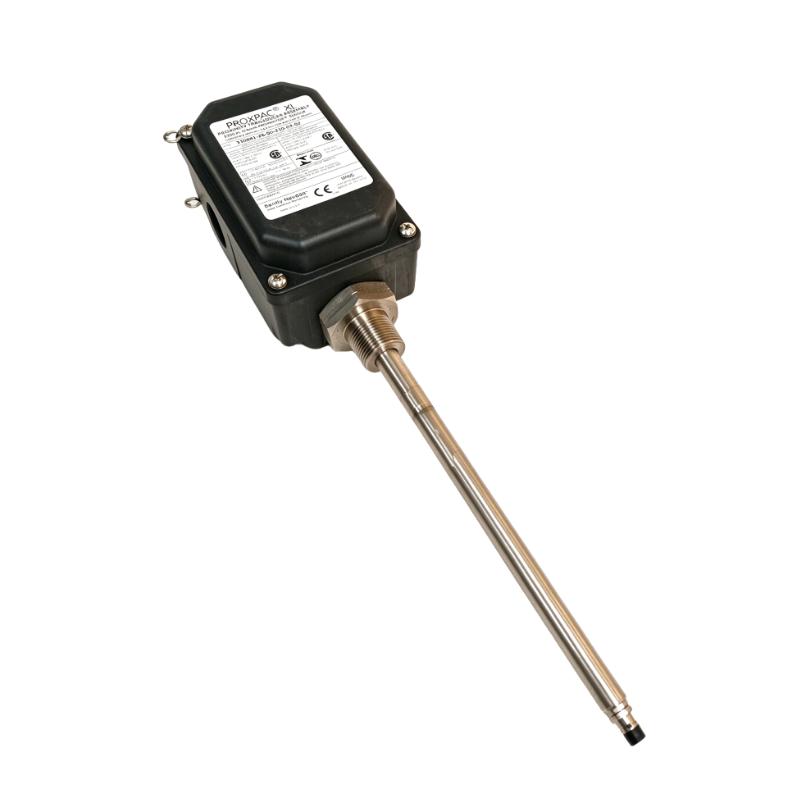
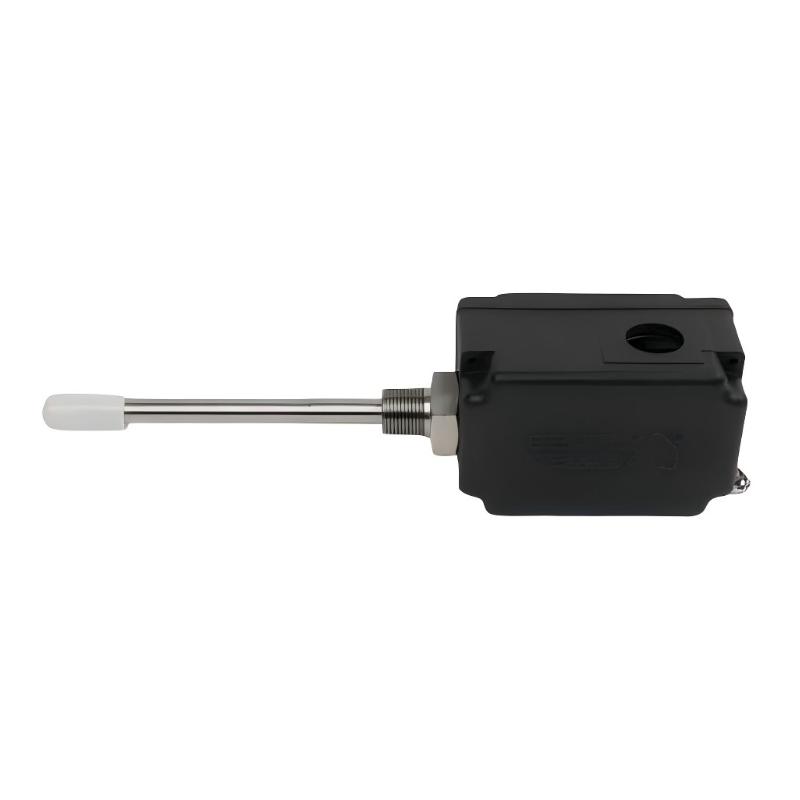
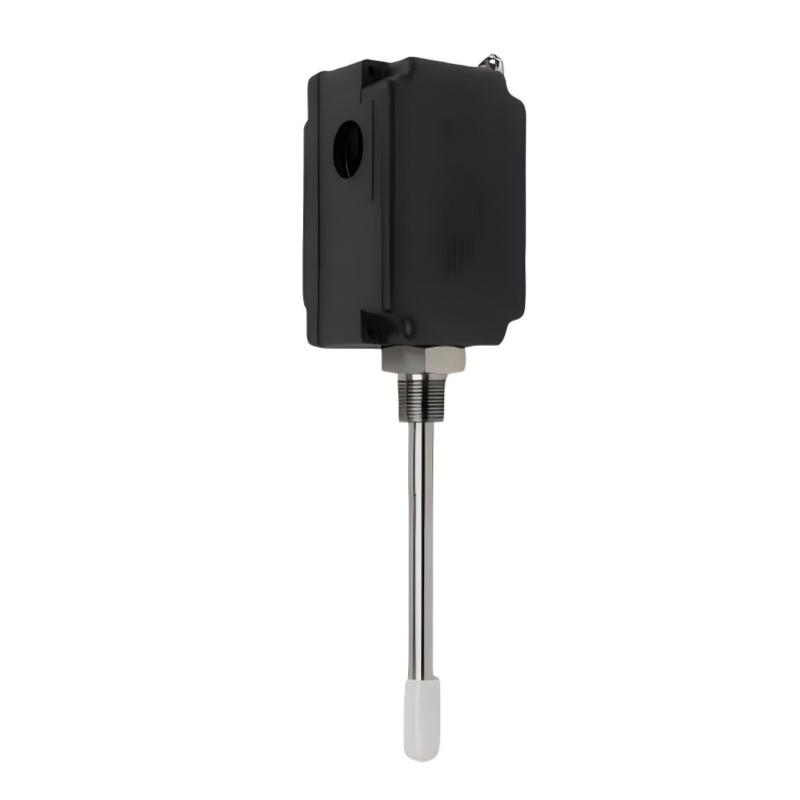
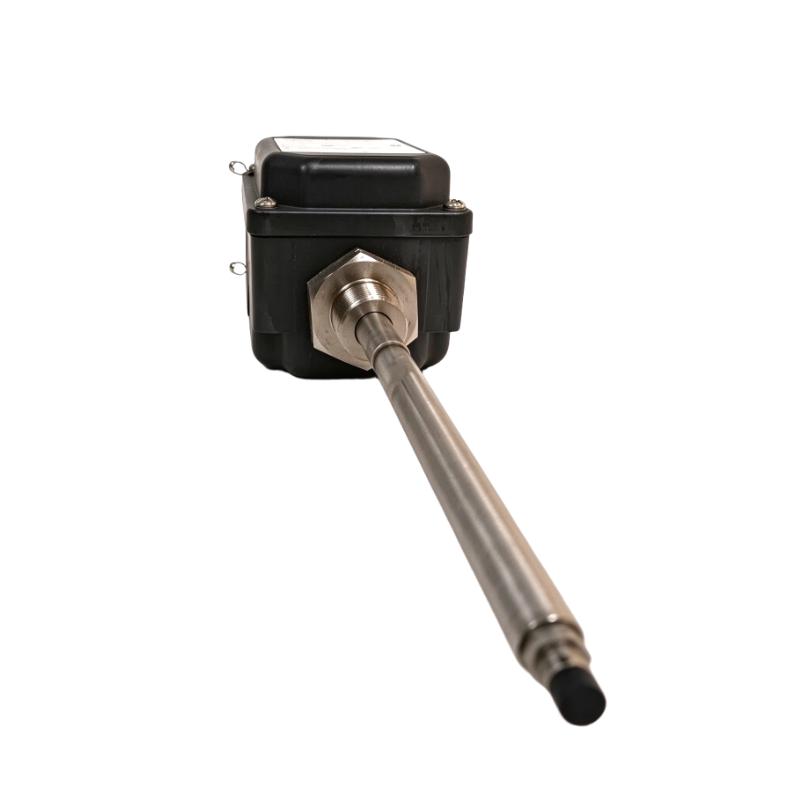
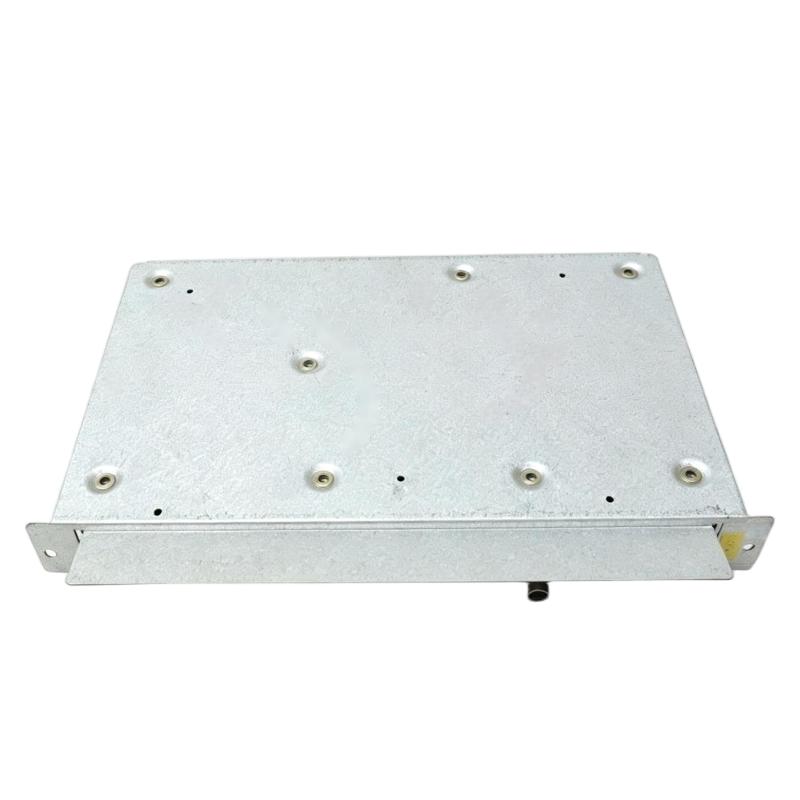
Brand:Bently Nevada PLC Item No.:330881-28-20-050-03-02 Product Origin:USA Product Dimensions:91.4 x 144.8 mm Product Weight:1.44 kg Payment:T/T, Western Union, Credit Card Goods_stock:15 Shipping Port:Xiamen, China Lead Time:1-3 Days Condition:Brand New And Original Warranty:1 Year Certificate:COO
The Bently Nevada 330881-28-20-050-03-02 PROXPAC XL Proximity Sensor is an industrial machinery monitoring component for applications where shaft position and relative movement measurements are important to equipment condition assessment.
Proximity sensor systems play an important role in rotating machinery monitoring by providing displacement-related signals to compatible monitoring equipment. These signals can help maintenance personnel evaluate machine behavior and identify potential mechanical changes during operation.
When sourcing this component for maintenance or equipment refurbishment, matching the complete part number is essential. Differences in probe configuration, cable arrangement, electrical interface, or system calibration can affect compatibility. Confirm the required configuration against the installed system before placing an order.
We support industrial automation and machinery monitoring spare-parts sourcing for maintenance teams, system integrators, and industrial facilities. Contact us with your model number and equipment details to discuss availability and replacement requirements.
Technical Specifications
Parameter
Specification
Brand
Bently Nevada
Model
330881-28-20-050-03-02
Product Series
PROXPAC XL
Product Type
Proximity Sensor
Product Category
Machinery Condition Monitoring
Dimensions
91.4 × 144.8 mm
Weight
1.44 kg / 3.17 lb
Measurement Principle
Proximity-based displacement sensing, subject to system configuration
Typical Application
Rotating machinery monitoring
System Compatibility
Verify against the existing monitoring system and equipment documentation
Note: Confirm the detailed electrical specifications, sensing range, cable configuration, and mounting requirements using the exact model documentation before installation.
Recommended Related Models
The following Bently Nevada product families are relevant to machinery monitoring and may be useful when reviewing related spare-parts requirements. They are not confirmed direct replacements for the 330881-28-20-050-03-02.
Model / Series
Product Type
Bently Nevada 3300 XL 8 mm
Proximity probe system
Bently Nevada 3300 XL extension cables
Proximity system accessories
Bently Nevada 3300 XL Proximitor Sensor
Proximity signal conditioning
Bently Nevada 3500 Series
Machinery monitoring and protection system
Select related components according to the existing sensor system, required measurement range, and monitor input specifications.
Popular Related Models
Bently Nevada provides a range of machinery protection and condition monitoring products for rotating equipment. The following models and product families may be relevant to broader maintenance and monitoring projects.
Model / Series
Product Type
Bently Nevada 3300 XL 8 mm
Proximity measurement system
Bently Nevada 3300 XL 11 mm
Proximity measurement system
Bently Nevada 3500/42M
Proximity and seismic monitoring module
Bently Nevada 3500/22M
Transient Data Interface module
Bently Nevada 3500 Series
Machinery protection system
These products serve different roles within machinery monitoring systems. Verify individual part numbers and system compatibility before ordering components for a specific installation.
Applications
The Bently Nevada 330881-28-20-050-03-02 PROXPAC XL Proximity Sensor is intended for industrial machinery monitoring applications where accurate measurement of shaft position and vibration-related movement is important. Proximity sensing technology is widely used in rotating equipment protection systems to monitor the relative position of a conductive target, such as a machine shaft.
In suitable configurations, proximity sensor assemblies can support condition monitoring for critical rotating machinery, helping maintenance teams identify abnormal vibration patterns and changes in shaft behavior before they develop into more serious operational problems.
Typical application areas include:
Industrial turbine and compressor monitoring
Pump and motor shaft displacement measurement
Rotating machinery condition monitoring
Machinery protection and diagnostic systems
Preventive maintenance in power generation and process industries
The exact installation arrangement and compatibility of this PROXPAC XL model should be confirmed against the existing monitoring system configuration before replacement.
Advantages
Supports machinery condition monitoring: Proximity sensing provides information about shaft movement and relative position, helping operators assess the operating condition of rotating machinery.
Designed for industrial environments: Bently Nevada products are associated with machinery protection and condition monitoring applications in demanding industrial facilities.
Helps maintenance teams identify changes: When integrated into a compatible monitoring system, proximity measurements can help reveal changes in vibration behavior or shaft position.
Part-number identification simplifies sourcing: The complete model number helps maintenance engineers identify the required component when planning equipment servicing or replacement.
Suitable for critical equipment monitoring projects: Proximity sensor assemblies can form part of a broader monitoring arrangement for rotating equipment, supporting maintenance decisions and operational reliability.
For reliable performance, the sensor assembly must be matched with the correct probe, extension cable, monitoring channel, and installation requirements specified for the application.
Technical FAQs
Q1: What is the Bently Nevada 330881-28-20-050-03-02 PROXPAC XL Proximity Sensor used for?
It is identified as a PROXPAC XL proximity sensor assembly for industrial machinery monitoring. Proximity sensing is commonly used to measure shaft position or relative shaft movement in compatible machinery monitoring systems.
Q2: How does a proximity sensor monitor a rotating shaft?
Eddy-current proximity systems typically generate an electromagnetic field near a conductive target. Changes in the gap between the probe and the target affect the measured signal, allowing a compatible monitoring system to determine relative displacement.
Q3: Can this sensor be connected to any machinery protection monitor?
No. Compatibility depends on the sensor system's electrical characteristics, calibration, connector arrangement, and the input requirements of the monitoring channel. Confirm the complete system configuration before installation.
Q4: What should be checked when replacing an existing PROXPAC XL assembly?
Verify the full part number, probe and cable arrangement, connector type, mounting configuration, electrical interface, and applicable equipment documentation.
Q5: Does a proximity sensor require calibration?
The sensor system must operate within its specified calibration and measurement range. Calibration requirements depend on the system design and should follow the manufacturer's procedures.
Q6: What can cause unstable proximity sensor readings?
Possible causes include incorrect probe gap, loose connections, cable damage, electrical interference, unsuitable mounting, or a problem with the associated monitoring channel. Troubleshooting should follow the approved diagnostic procedure.
Q7: Can this sensor measure temperature directly?
A proximity sensor is primarily used to measure relative position or displacement, not temperature. Temperature monitoring normally requires a dedicated sensing device.
Q8: Is the sensor suitable for continuous machinery monitoring?
Proximity sensing systems are commonly used in continuous monitoring installations when configured with compatible monitoring equipment. Confirm the intended operating conditions and system requirements for this specific model.
Q9: What information should be provided when ordering a replacement?
Provide the complete model number, the existing system configuration, the equipment in which it is installed, the required quantity, and the preferred part condition.
Q10: What should be verified after installation?
Check the mechanical mounting, cable connections, probe gap, signal behavior, and monitoring-channel configuration according to the applicable service procedure. Confirm that readings are reasonable before returning the equipment to normal operation.