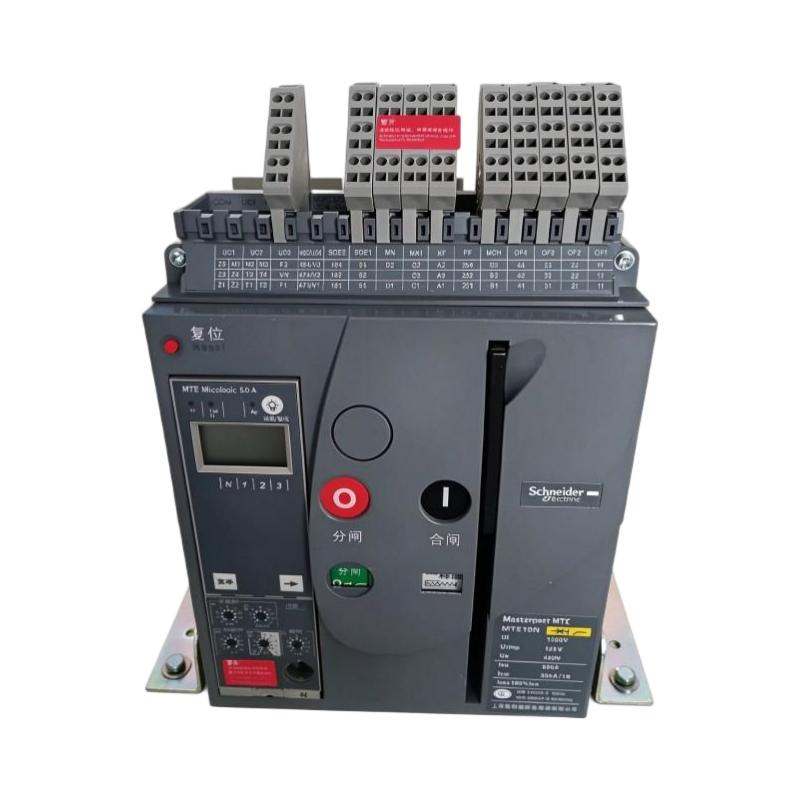
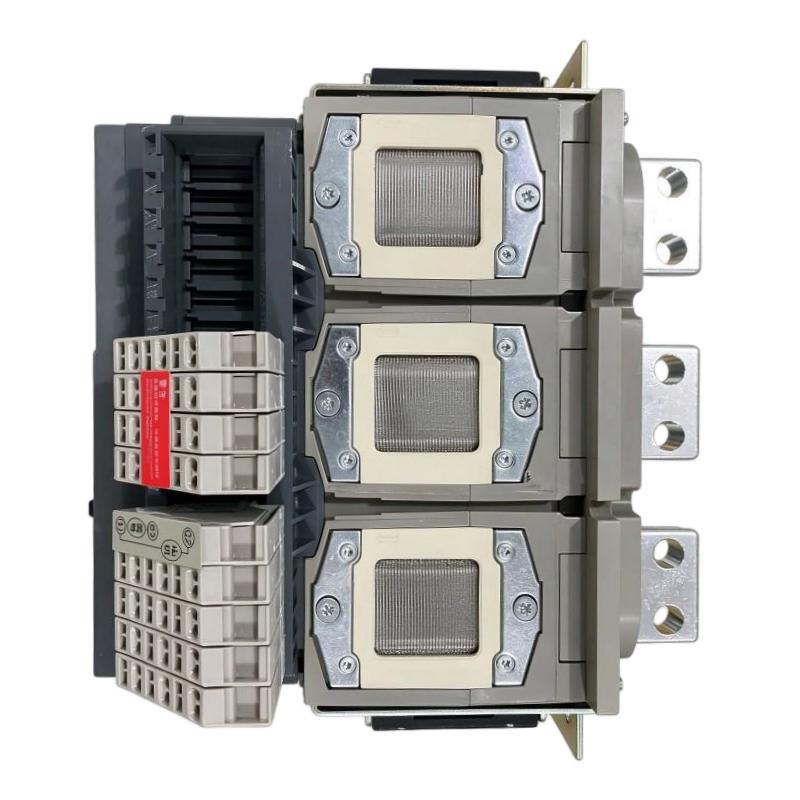
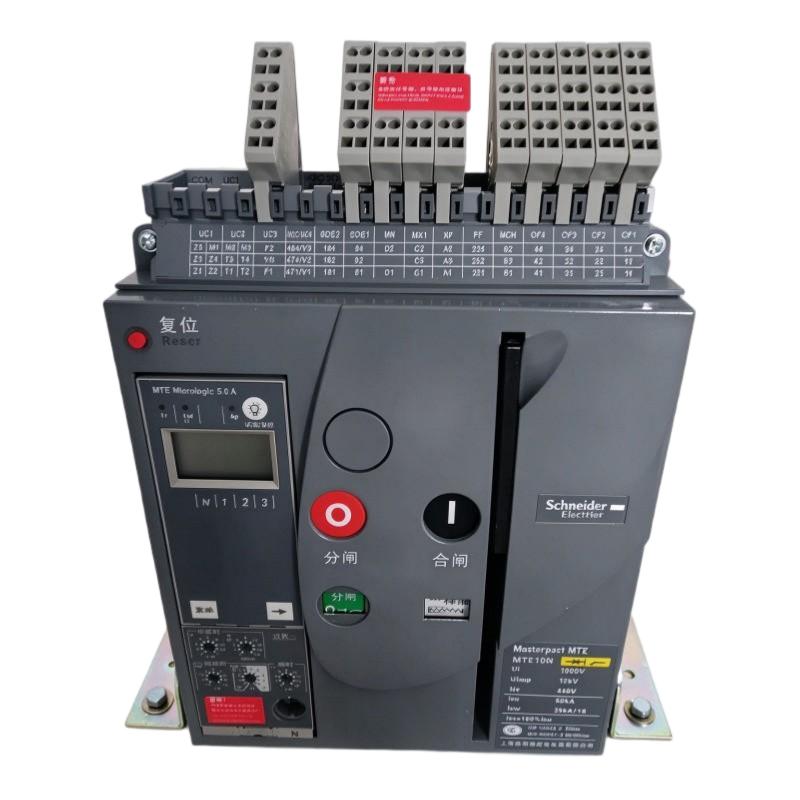
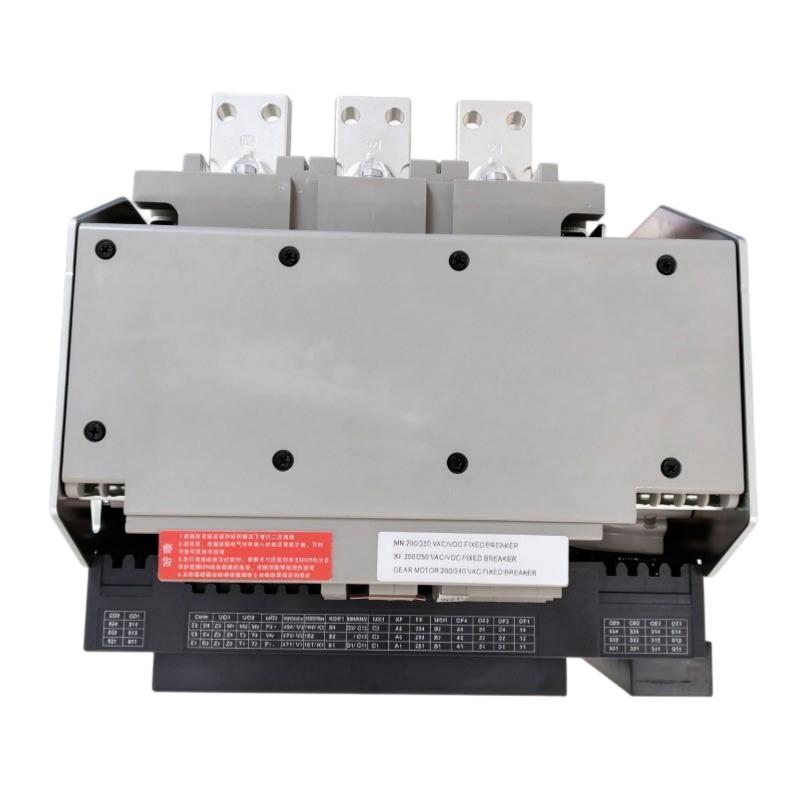
Brand:Schneider PLC Item No.:MTE10N Product Origin:France Product Dimensions:301 x 346 x 196 mm Product Weight:18 kg Payment:T/T, Western Union, Credit Card Goods_stock:15 Shipping Port:Xiamen, China Lead Time:1-3 Days Condition:Brand New And Original Warranty:1 Year Certificate:COO
The Schneider MTE10N Breaker is a model designation to consider when sourcing circuit protection equipment for electrical distribution applications. Correct breaker selection is important for maintaining protection coordination, supporting reliable operation, and ensuring compatibility with the existing electrical installation.
For industrial maintenance teams and procurement specialists, matching the complete model designation is only the first step. Electrical ratings, fault-interruption capability, trip unit configuration, and mounting requirements must also be verified before installation or replacement.
When purchasing the Schneider MTE10N Breaker, confirm the product nameplate and the required configuration against the existing system. This helps reduce procurement errors and provides a more reliable basis for maintenance planning, spare-parts management, and equipment replacement.
Technical Specifications
Parameter
Specification
Brand
Schneider Electric
Model
MTE10N
Product Type
Circuit Breaker
Product Category
Electrical Power Distribution and Protection
Dimensions
301 × 346 × 196 mm
Shipping Weight
18 kg / 39.68 lb
Application
Electrical distribution and circuit protection
Rated Voltage
Verify against the product nameplate
Rated Current
Verify against the product nameplate
Breaking Capacity
Verify against the product documentation
Pole Configuration
Confirm the exact version
Trip Unit
Confirm the installed configuration
Accessories
Subject to model compatibility
Installation
According to verified product specifications and system requirements
Recommended Related Models
The following Schneider Electric breaker models and product families may be useful for comparison during equipment sourcing. They are not confirmed direct replacements for the MTE10N.
Schneider MTE06N Breaker — A related MTE model designation for technical comparison.
Schneider MTE08N Breaker — Another model to review when checking electrical and mechanical requirements.
Schneider MVS08N Breaker — An alternative model designation to evaluate against the application's protection needs.
Schneider MVS10N Breaker — A further option to compare during distribution equipment procurement.
Before choosing an alternative, confirm electrical ratings, dimensions, terminal arrangement, trip unit, and accessory compatibility.
Popular Related Models
Other Schneider Electric circuit breaker product families that may be relevant to industrial procurement include:
Schneider Masterpact MTZ Circuit Breakers
Schneider Masterpact NW Circuit Breakers
Schneider Masterpact NT Circuit Breakers
Schneider Compact NSX Circuit Breakers
These product families serve different electrical applications and rating requirements. Verify technical compatibility before considering any model as a substitute for the MTE10N.
Applications
The Schneider MTE10N Breaker is a model-specific circuit breaker to evaluate for electrical distribution and circuit protection applications. In industrial facilities, selecting the appropriate breaker is essential for protecting electrical circuits, maintaining system reliability, and supporting safe equipment operation.
Potential application areas include:
Industrial Power Distribution: Supports circuit protection in electrical distribution systems when correctly rated for the installation.
Switchboards and Electrical Panels: May be considered for compatible assemblies after confirming mounting and connection requirements.
Manufacturing Facilities: Can be evaluated for distribution circuits supplying production equipment and auxiliary systems.
Electrical Maintenance Projects: May be considered during equipment replacement, refurbishment, or planned maintenance.
Spare Parts Procurement: Provides a specific model designation for equipment identification and purchasing.
Before selecting the MTE10N, verify its electrical ratings, breaking capacity, trip unit, pole configuration, and compatibility with the intended installation.
Advantages
The Schneider MTE10N Breaker can be evaluated as part of a properly specified electrical protection system. Accurate product identification and configuration checks help buyers select equipment that matches their application requirements.
Circuit Protection: Supports protection against specified abnormal current conditions when correctly configured.
Industrial Integration: Can be assessed for use in compatible electrical distribution assemblies.
Procurement Accuracy: The model designation helps purchasing teams identify the requested component.
Maintenance Planning: Supports organized sourcing for equipment servicing and replacement projects.
Configuration Verification: Checking ratings and accessories helps reduce the risk of ordering an incompatible unit.
System-Level Selection: Allows technical teams to evaluate the breaker alongside upstream and downstream protective devices.
The actual performance and suitability of the breaker depend on its verified specifications, installation conditions, and coordination with the wider electrical system.
Technical FAQs
Q1: What is the Schneider MTE10N Breaker used for?
It is identified as a circuit breaker for electrical protection applications. Its precise suitability depends on the product's verified ratings and the requirements of the installation.
Q2: Which electrical ratings should be confirmed before purchase?
Check rated operational voltage, rated current, short-circuit breaking capacity, pole configuration, and operating frequency against the system requirements.
Q3: Can the MTE10N replace the MTE08N Breaker?
Do not assume that the two models are interchangeable. Verify their electrical ratings, mounting arrangement, terminal configuration, trip unit, and applicable technical documentation before considering a substitution.
Q4: Why is breaking capacity important when selecting a breaker?
Breaking capacity indicates the fault current a breaker can interrupt under specified conditions. The rating must be suitable for the prospective short-circuit current at the installation point.
Q5: What is the function of a trip unit?
A trip unit monitors electrical conditions and initiates breaker opening when specified protection criteria are met. Available protection functions depend on the installed configuration.
Q6: How can I verify accessory compatibility?
Check the exact breaker version and its supported accessory documentation. Do not assume auxiliary contacts, operating mechanisms, or other accessories are interchangeable across different models.
Q7: How should the breaker be coordinated with other protective devices?
Review protection curves, fault-current levels, upstream and downstream device characteristics, and the requirements of connected equipment. A qualified electrical engineer should assess the complete protection arrangement.
Q8: What should be checked before installation?
Verify the mounting arrangement, terminal connections, conductor requirements, clearances, and electrical ratings. Installation must follow applicable safety standards and manufacturer instructions.
Q9: What maintenance checks are recommended?
Follow the applicable maintenance instructions. Depending on the design, inspections may include connections, operating mechanisms, insulation, and visible signs of overheating or damage.
Q10: What details are needed to source the correct replacement?
Provide the full model designation, nameplate information, electrical ratings, trip unit details, accessory configuration, and connection arrangement. Photographs of the existing unit can also help with identification.