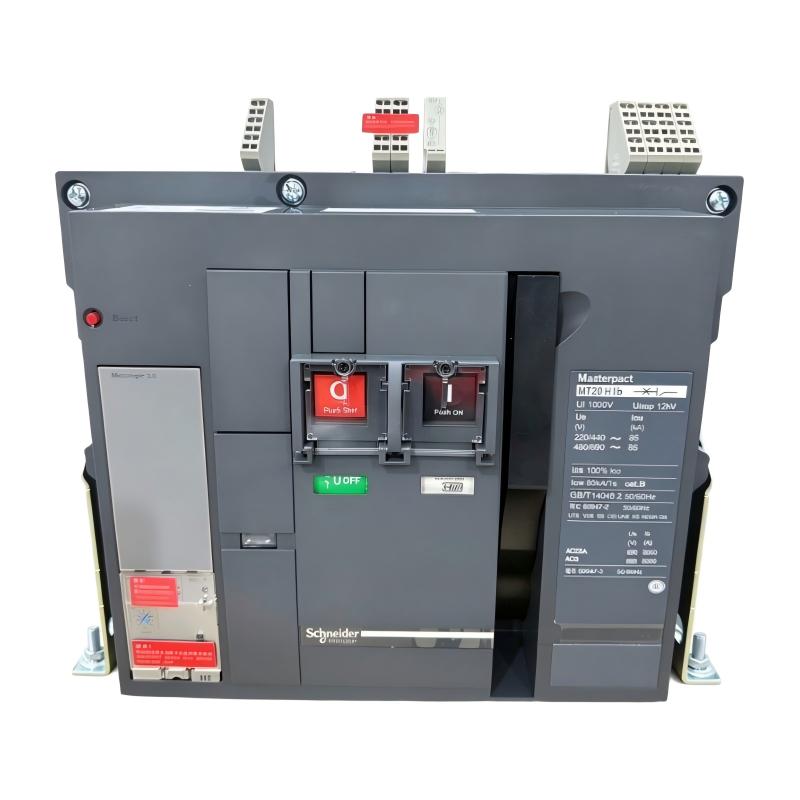
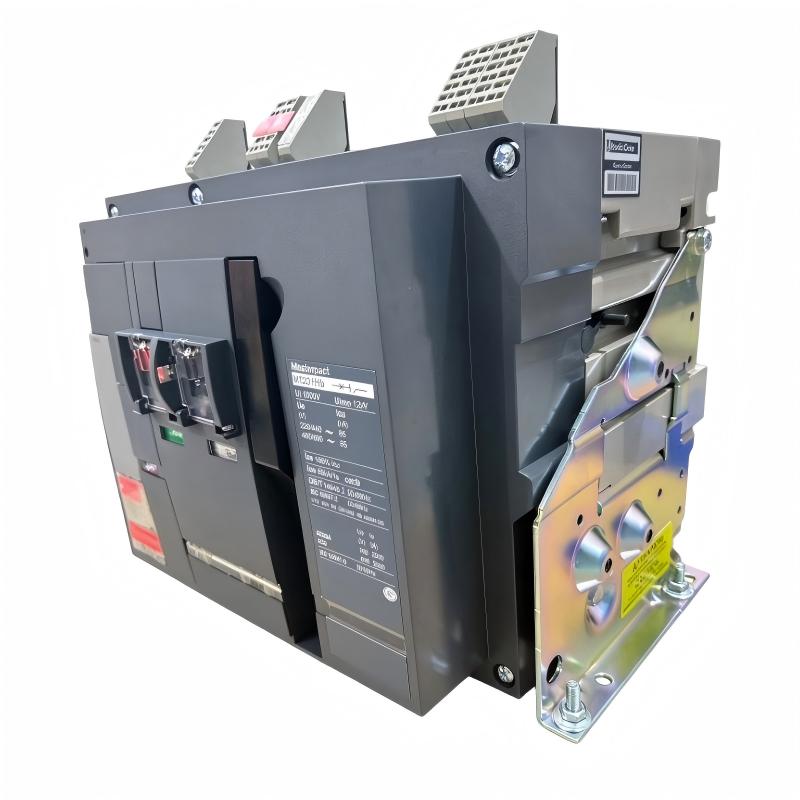
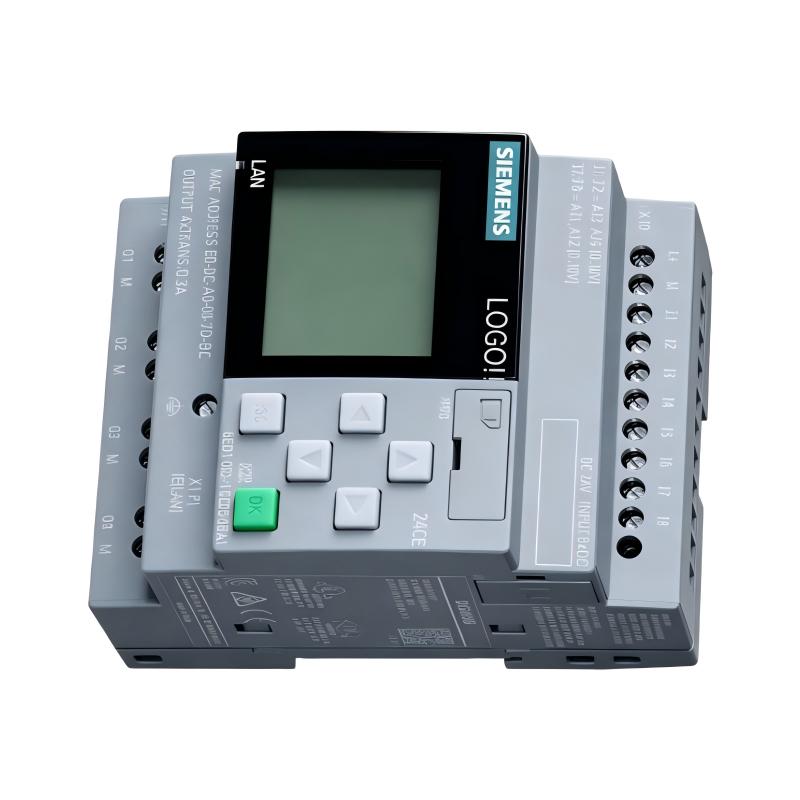
Brand:Schneider PLC Item No.:MT20H1b Product Origin:France Product Dimensions:439 x 556 x 395 mm Product Weight:70 kg Payment:T/T, Western Union, Credit Card Goods_stock:15 Shipping Port:Xiamen, China Lead Time:1-3 Days Condition:Brand New And Original Warranty:1 Year Certificate:COO
The Schneider MT20H1B Breaker is an electrical protection component intended for low-voltage power distribution applications. It can be considered for industrial electrical systems where circuit interruption, equipment protection, and reliable distribution arrangements are essential.
In industrial environments, selecting the correct breaker is important for maintaining the integrity of the electrical system. A suitable device must meet the installation's operating voltage, rated current, prospective short-circuit current, and protection coordination requirements.
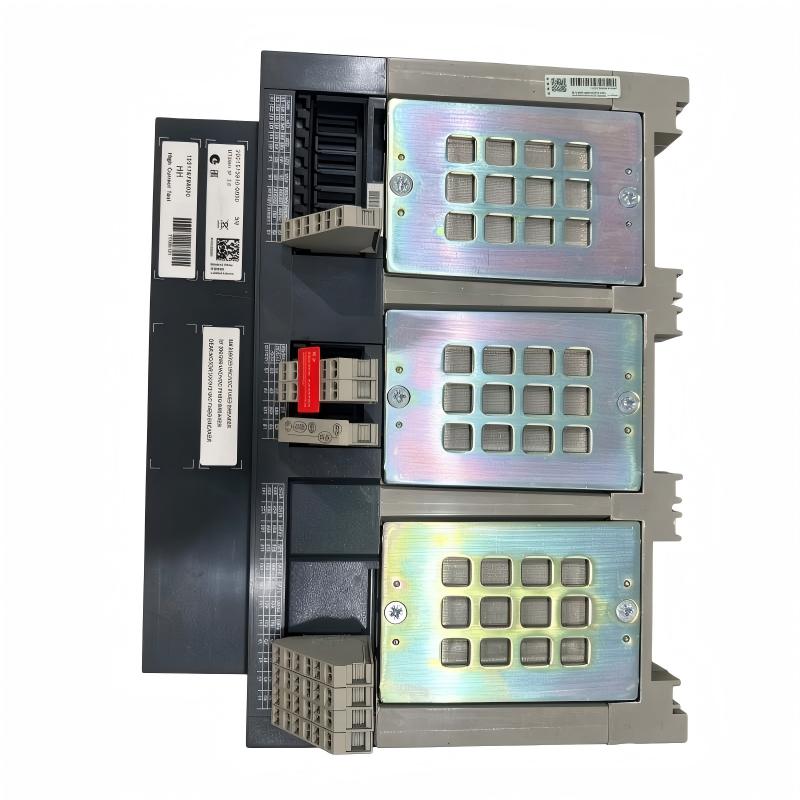
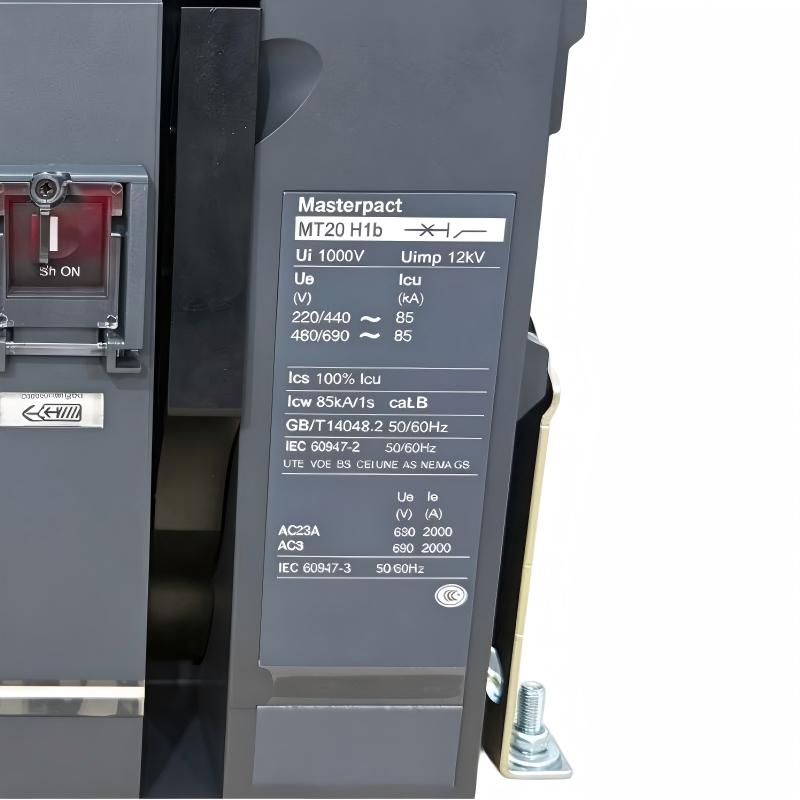
The complete MT20H1B model designation should be checked against the original product nameplate and technical documentation before procurement. Buyers should also verify the trip-unit configuration, pole arrangement, terminal design, and mechanical mounting requirements.
For maintenance departments, electrical contractors, and industrial equipment purchasers, accurate specification matching helps support replacement planning, spare-parts management, and long-term equipment maintenance.
Technical Specifications
Parameter
Specification
Brand
Schneider Electric
Model
MT20H1B
Product Type
Circuit Breaker
Product Series
MT
Dimensions
439 × 556 × 395 mm
Weight
70 kg (154.32 lb)
Application
Low-voltage electrical distribution
Rated Current
Verify on product nameplate
Rated Operational Voltage
Verify on product nameplate
Short-Circuit Breaking Capacity
Verify in manufacturer documentation
Pole Configuration
Verify on product nameplate
Trip Unit
Verify according to product configuration
Note: Dimensions and weight are based on the supplied product information. Confirm the complete model reference and electrical ratings before ordering or installation.
Recommended Related Models
The following Schneider breaker models may be useful references when comparing equipment within related product families. Their compatibility with the MT20H1B must be independently verified.
Schneider MT06N1 Breaker
Schneider MT08N1 Breaker
Schneider MT10N1 Breaker
Schneider MT12N1 Breaker
Schneider MT25H2 Breaker
Popular Related Models
Other Schneider breaker references relevant to industrial power distribution procurement include:
Schneider MT32H2 Breaker
Schneider MT40H2 Breaker
Schneider MT50H2 Breaker
Schneider MT63H2 Breaker
Schneider MVS16N Breaker
When comparing these models, carefully review rated current, operational voltage, breaking capacity, trip-unit characteristics, installation dimensions, and connection requirements. Always confirm technical compatibility before selecting a replacement.
Applications
The Schneider MT20H1B Breaker is intended for low-voltage electrical distribution systems that require dependable circuit protection and reliable power management. It can be considered for industrial power distribution equipment, electrical switchboards, and commercial infrastructure installations, subject to verification of its rated electrical characteristics.
Typical application areas include:
Industrial power distribution cabinets and switchgear assemblies.
Manufacturing plants and production facilities.
Commercial building electrical distribution systems.
Infrastructure and utility-related electrical installations.
Industrial machinery power supply circuits.
Electrical equipment maintenance and replacement projects.
When selecting this breaker, engineers should evaluate the rated current, operational voltage, short-circuit breaking capacity, pole configuration, and trip-unit characteristics.
Key Advantages
1. Circuit Protection for Electrical Systems
The MT20H1B is intended for integration into electrical protection arrangements. Its suitability depends on the specified electrical ratings and protection configuration.
2. Industrial Distribution Applications
The breaker can be evaluated for industrial switchboards and power distribution assemblies where its technical characteristics meet the installation requirements.
3. Clear Product Identification
The complete model number helps purchasing departments and maintenance personnel identify the required equipment for spare-parts management and replacement planning.
4. Defined Installation Dimensions
The supplied dimensions of 439 × 556 × 395 mm provide a reference for cabinet-space assessment, mounting preparation, and installation planning.
5. Maintenance and Procurement Support
Accurate model identification and technical verification help reduce purchasing mistakes and support efficient maintenance operations.
Technical FAQs
Q1: What is the Schneider MT20H1B Breaker used for?
It is a circuit breaker intended for low-voltage electrical distribution applications. Its precise protection characteristics depend on the product configuration.
Q2: Is the MT20H1B suitable for industrial switchgear?
It can be considered for industrial switchgear installations when its electrical ratings, mechanical dimensions, and connection arrangements match the system design.
Q3: Which technical parameters should be confirmed before purchasing?
Verify rated current, rated operational voltage, short-circuit breaking capacity, pole configuration, trip-unit type, and terminal arrangement.
Q4: How does a breaker contribute to electrical system safety?
A correctly selected breaker interrupts specified fault currents and helps protect electrical circuits and connected equipment from defined abnormal conditions.
Q5: What determines its overload protection performance?
Overload protection depends on the trip-unit type, configuration, and settings. These details should be confirmed from the manufacturer's technical documentation.
Q6: Can the MT20H1B replace an existing MT-series breaker?
Not necessarily. The replacement must match the original device's electrical ratings, mounting arrangement, terminal configuration, and protection characteristics.
Q7: What should be checked during installation?
Check the mounting arrangement, conductor and terminal compatibility, electrical clearances, connection requirements, and environmental conditions.
Q8: How often should the breaker be inspected?
Inspection frequency should follow the manufacturer's recommendations and the maintenance policy for the electrical installation. Operating conditions and service history should also be considered.
Q9: What precautions are required before maintenance?
Isolate the power supply, apply lockout/tagout procedures, and verify the absence of voltage using suitable equipment. Maintenance should be performed by qualified electrical personnel.
Q10: What information should be provided when requesting a replacement?
Provide the complete model designation, nameplate details, trip-unit information, and available photographs of the existing breaker to help confirm the required configuration.