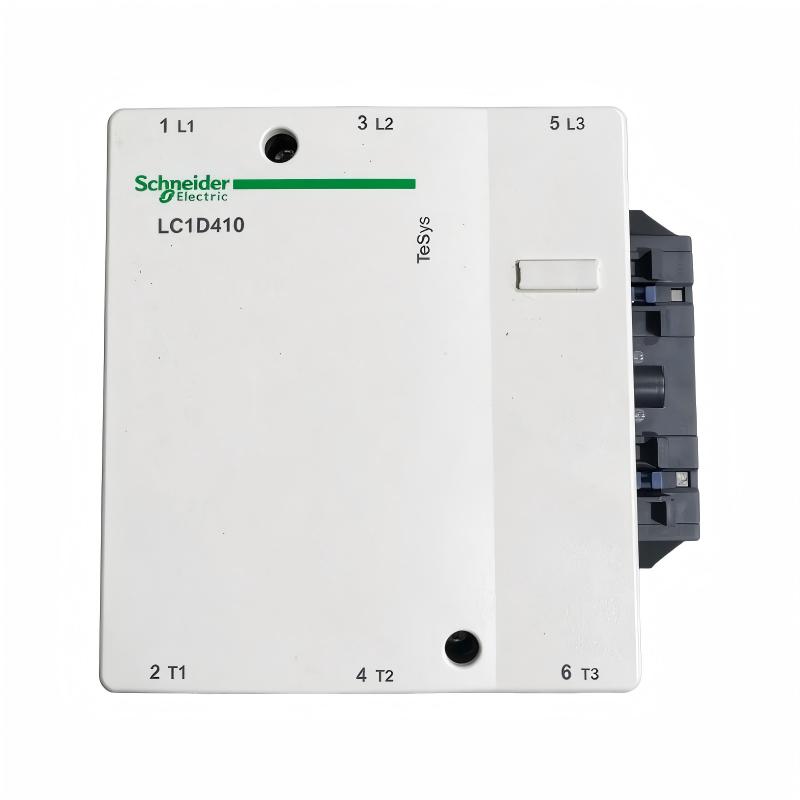
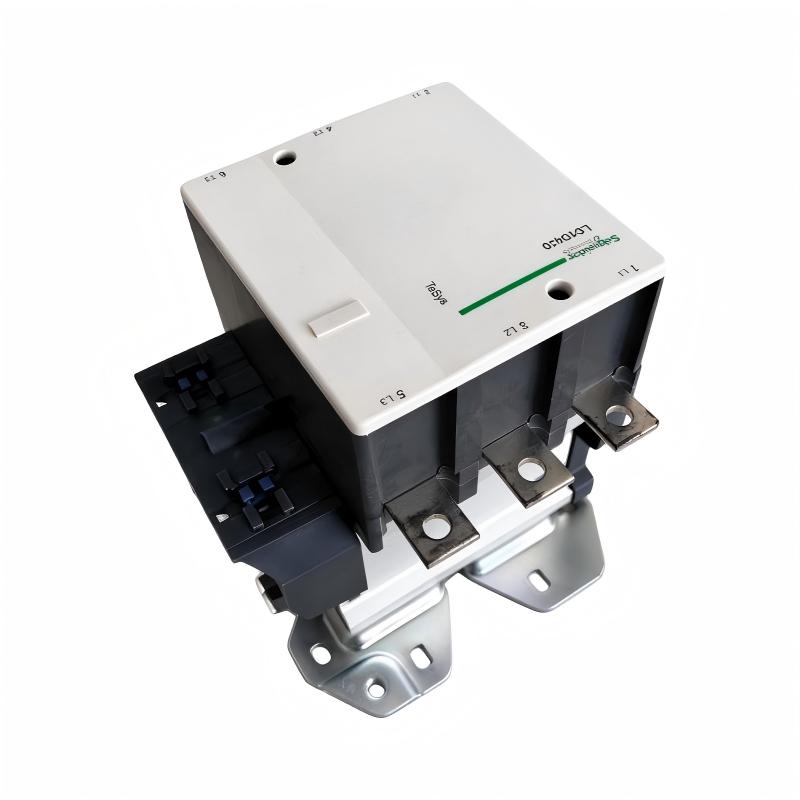
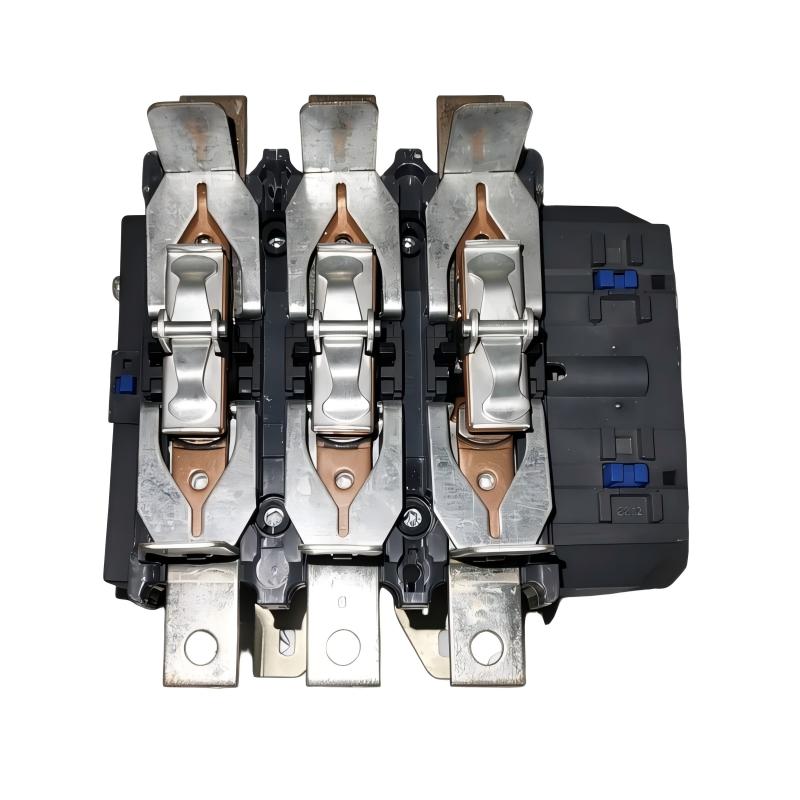
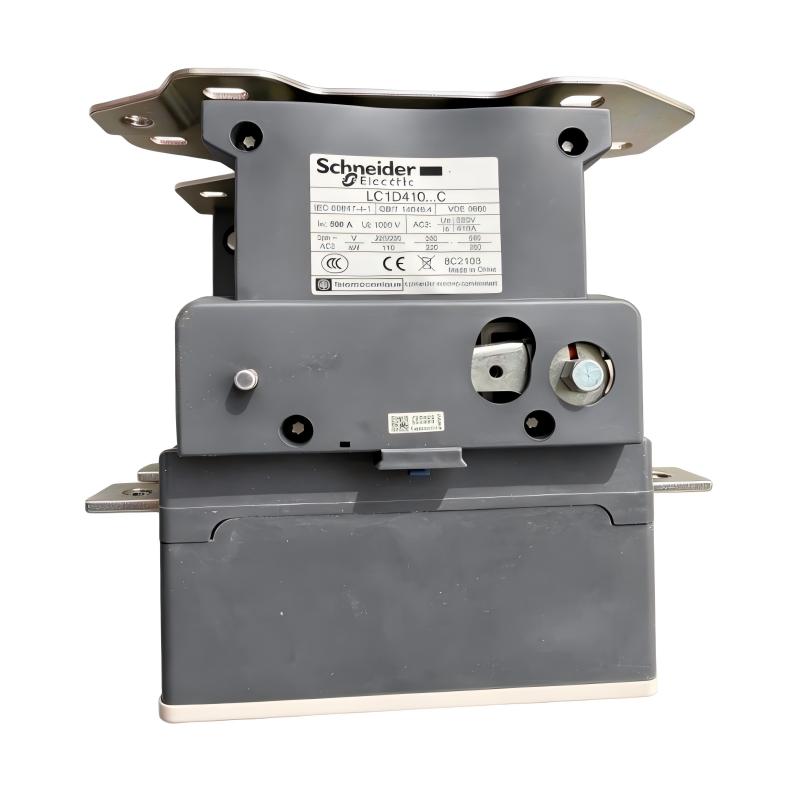
Brand:Schneider PLC Item No.:LC1D410M7C Product Origin:France Product Dimensions:213 x 206 x 219 mm Product Weight:10.05 kg Payment:T/T, Western Union, Credit Card Goods_stock:15 Shipping Port:Xiamen, China Lead Time:1-3 Days Condition:Brand New And Original Warranty:1 Year Certificate:COO
Introduction – A Schneider Electric Contactor for Industrial Control Applications
The Schneider Electric LC1D410M7C Contactor is identified as an industrial electrical switching component for applications requiring controlled operation of electrical circuits. In industrial automation, contactors provide a practical means of controlling motors and other electrical loads through signals generated by control systems.
A properly selected contactor contributes to the overall performance of an electrical installation. It must work in coordination with protective devices, control relays, motor starters, and other switching components. For this reason, model identification and electrical compatibility are essential during both initial installation and replacement.
The LC1D410M7C is relevant to procurement and maintenance projects where this exact part designation is required. Before installation, engineers should confirm the manufacturer's specifications, including coil characteristics, rated operating conditions, and applicable utilization categories.
For industrial distributors, panel builders, and maintenance contractors, having the correct contactor available can simplify equipment servicing and help reduce delays associated with sourcing replacement components.
Technical Specifications – Dimensions, Weight and Product Details
Parameter
Specification
Brand
Schneider Electric
Model
LC1D410M7C
Product Type
Contactor
Product Category
Industrial Switching Equipment
Operating Principle
Electromagnetic
Dimensions (H × W × D)
213 × 206 × 219 mm
Weight
10.05 kg / 22.16 lb
Main Application
Industrial Electrical Control
Typical Installation
Industrial Control Panels
Manufacturer
Schneider Electric
Engineering Consideration: Before purchasing or commissioning the LC1D410M7C, verify its exact electrical ratings, coil voltage, terminal configuration, mounting requirements, and compatibility with the existing control system. Similar model designations should not be treated as electrically interchangeable without confirmation.
Recommended Related Models – Schneider Electric Contactor Selection
The following Schneider Electric contactor models may be useful when comparing industrial switching components or planning replacement inventories. Their electrical characteristics and physical configurations should be checked individually before substitution.
Model
Product Description
LC1D115
TeSys D Contactor
LC1D150
TeSys D Contactor
LC1D170
TeSys D Contactor
LC1D205
TeSys D Contactor
LC1D245
TeSys D Contactor
LC1D300
TeSys D Contactor
LC1D400
Schneider Electric Contactor
LC1D410
Schneider Electric Contactor
LC1D500
Schneider Electric Contactor
LC1D630
Schneider Electric Contactor
Popular Related Models – Frequently Sourced Industrial Components
In addition to the LC1D410M7C, industrial buyers may also investigate the following Schneider Electric contactor models for electrical maintenance, equipment upgrades, and spare-parts procurement.
We support industrial customers, maintenance contractors, and equipment distributors with sourcing assistance for Schneider Electric contactors, PLC modules, circuit breakers, motor control equipment, and other industrial automation components. Provide the complete model number when requesting availability to help ensure accurate product identification.
Applications – Industrial Switching for Demanding Electrical Systems
The Schneider Electric LC1D410M7C Contactor is an industrial switching component intended for electrical control applications where reliable power circuit operation is essential. Contactors play a central role in industrial automation by allowing control systems to manage electrical loads through electromagnetic switching mechanisms.
Depending on the verified electrical ratings and installation requirements, contactors in this category can be incorporated into several industrial environments:
Heavy-Duty Motor Control: Used in suitable motor switching arrangements for industrial machinery, production equipment, and mechanical drive systems.
Manufacturing Facilities: Integrated into electrical cabinets to support machine operation and automated production processes.
Pump and Compressor Control: Applied in appropriate switching circuits for industrial pumping stations and compressed-air systems.
Material Handling Equipment: Supports electrical control arrangements in conveyor systems and automated handling machinery.
Industrial Power Control: Incorporated into electrical assemblies where controlled switching of power circuits is required.
Equipment Maintenance and Replacement: Considered for servicing existing installations where the exact LC1D410M7C designation is specified.
Correct selection requires checking the contactor's rated current, operating voltage, utilization category, and coil characteristics against the actual application.
Advantages – Designed Around Operational Reliability
1. Consistent Electromagnetic Operation
The electromagnetic switching mechanism allows an external control signal to operate the contactor. This arrangement supports coordinated control between low-voltage control circuits and industrial power circuits.
2. Integration into Industrial Electrical Assemblies
The LC1D410M7C can be evaluated for compatible industrial control panel applications. Proper electrical coordination helps maintain the intended switching sequence and system operating logic.
3. Convenient Spare-Parts Identification
A complete model number provides an important reference for purchasing departments and maintenance engineers. Accurate identification helps reduce replacement errors during equipment servicing.
4. Suitable for Industrial Equipment Maintenance
For production facilities maintaining established electrical installations, sourcing the specified contactor can help preserve the original equipment configuration and avoid unnecessary panel modifications.
5. Support for Motor Control Architectures
Contactors are commonly used alongside overload relays, circuit breakers, and other protective devices. Correct component coordination contributes to dependable motor control and electrical protection.
6. Practical Procurement for Industrial Buyers
Schneider Electric components are widely encountered in industrial electrical installations. Accurate model matching and verified product specifications help streamline spare-parts sourcing and maintenance planning.
Technical FAQs – Installation, Operation and Troubleshooting
Q1: What is the function of the Schneider LC1D410M7C Contactor?
A: A contactor is an electrically operated switching device designed to control power circuits. It is used in industrial electrical systems to switch loads through an electromagnetic operating mechanism.
Q2: How does the contactor coil control the main contacts?
A: When the coil receives its specified voltage, it generates a magnetic field that moves the contact mechanism. This changes the state of the main contacts. When the coil supply is removed, the mechanism normally returns to its de-energized position.
Q3: What should be verified before connecting the LC1D410M7C to a motor circuit?
A: Verify the motor's rated current, operating voltage, starting characteristics, utilization category, short-circuit protection arrangement, and the contactor's electrical ratings.
Q4: Why is overload protection necessary when using a contactor?
A: A contactor performs switching but does not independently provide comprehensive motor overload protection. An appropriately selected overload relay or motor protection device should be incorporated into the circuit where required.
Q5: What could cause the contactor to operate intermittently?
A: Possible causes include unstable coil voltage, loose control wiring, damaged coil insulation, worn mechanical components, or problems in the external control circuit. Electrical measurements should be performed to isolate the cause.
Q6: How can excessive contact resistance affect operation?
A: Increased contact resistance can cause localized heating, voltage drop, and deterioration of switching performance. Damaged or excessively worn contacts should be assessed according to the manufacturer's replacement criteria.
Q7: Can the contactor remain energized continuously?
A: Continuous energization depends on the coil's specified duty rating and operating conditions. The coil supply, ambient temperature, and manufacturer requirements must be checked before using it in a continuous-duty application.
Q8: What causes abnormal noise during contactor operation?
A: Unusual humming, buzzing, or mechanical noise may result from unstable supply voltage, contamination of magnetic surfaces, loose components, or mechanical wear. The unit should be inspected before continued operation.
Q9: How should the contactor be coordinated with a circuit breaker?
A: The circuit breaker and contactor must be selected as part of a coordinated switching and protection arrangement. Short-circuit current ratings, protective characteristics, installation conditions, and manufacturer coordination data should be considered.
Q10: What information is needed when ordering a replacement LC1D410M7C?
A: Provide the complete model number and confirm the coil voltage, rated operational current, contact configuration, terminal arrangement, and accessory requirements. These details help ensure the replacement is suitable for the original installation.