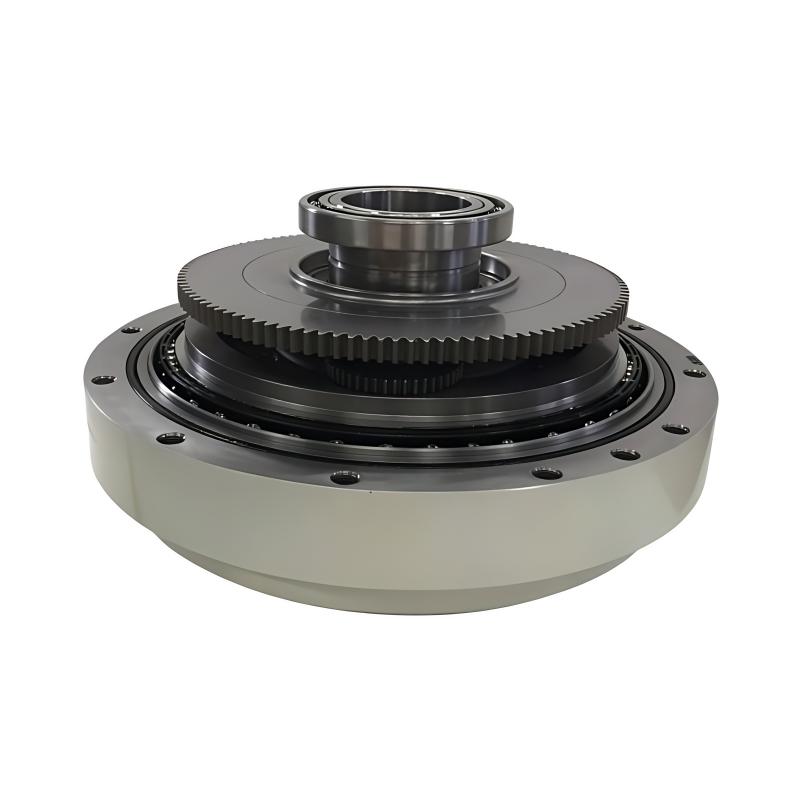
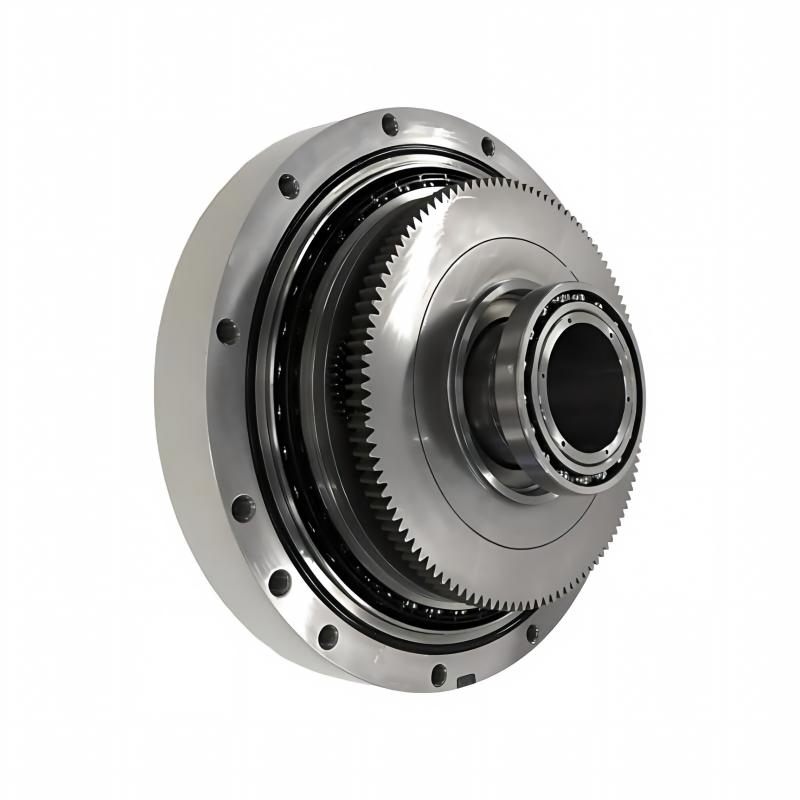
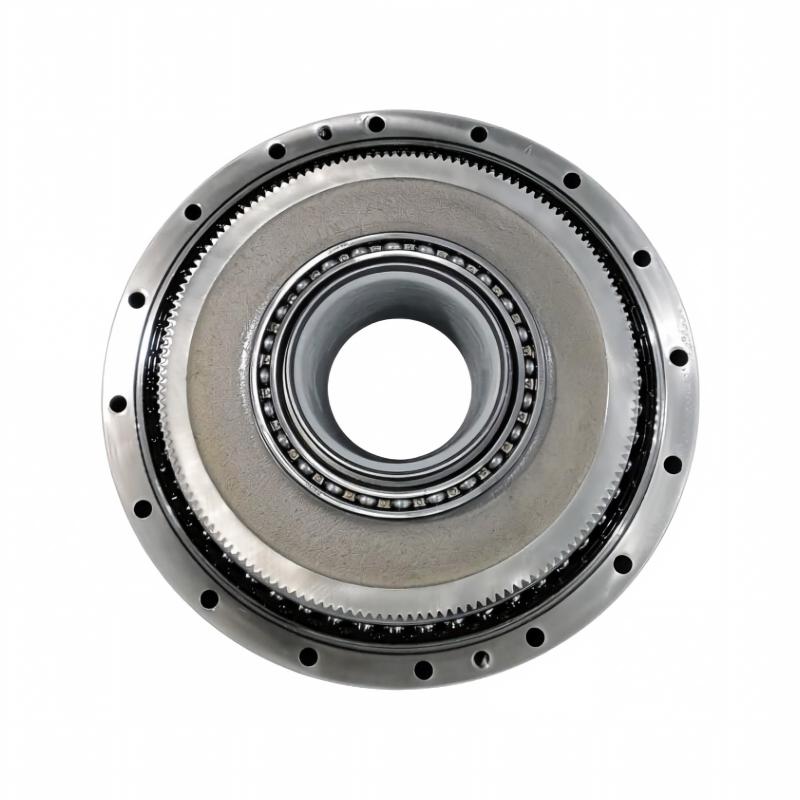
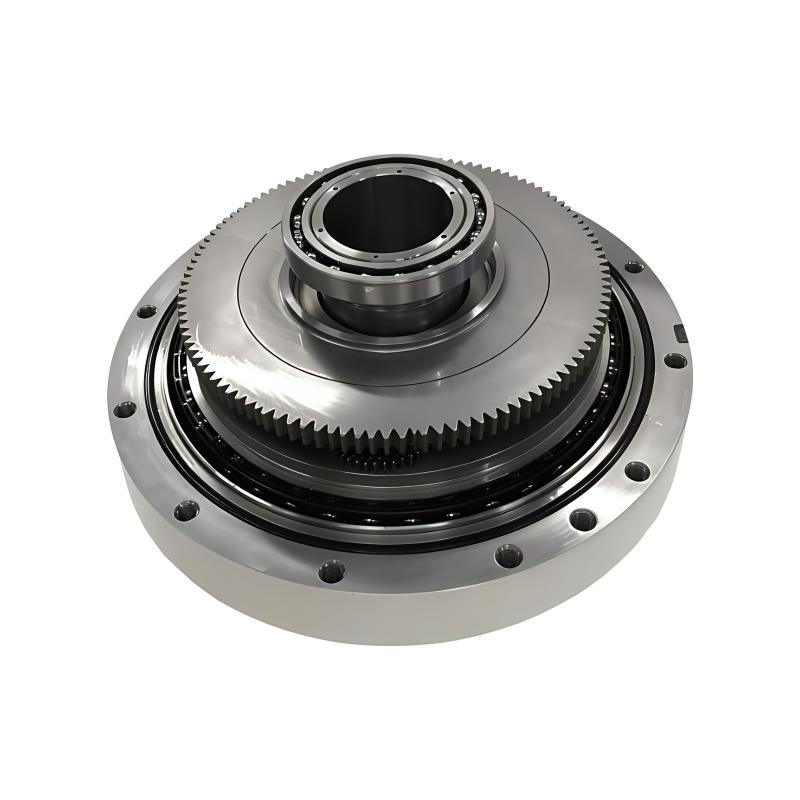
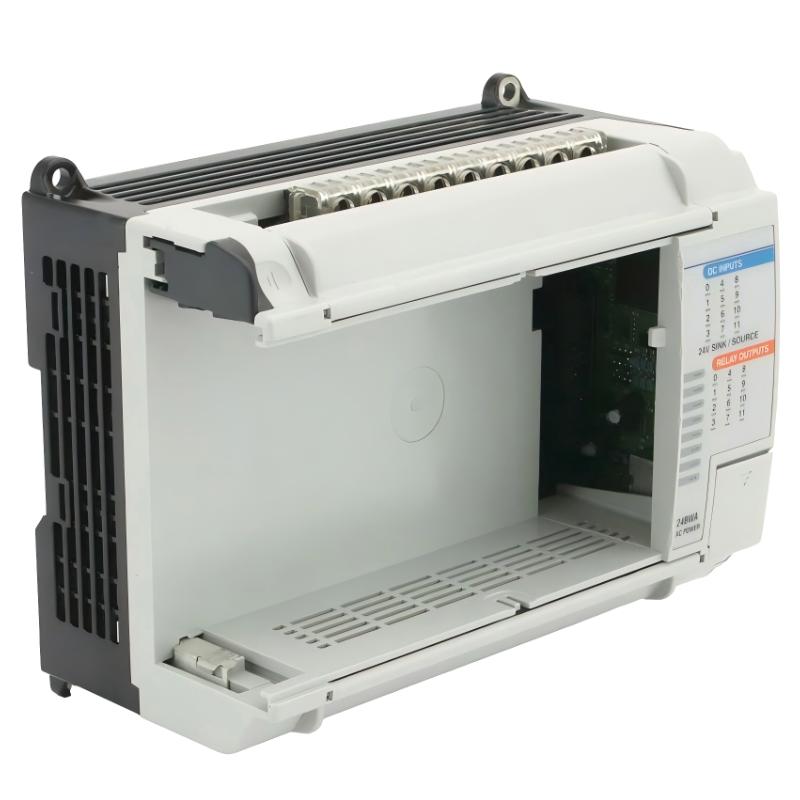
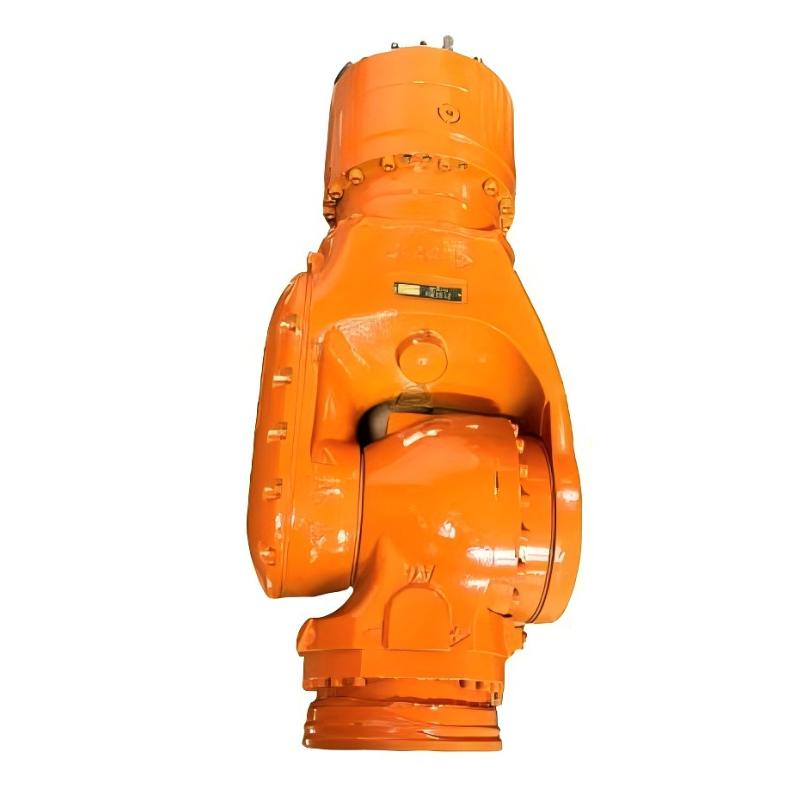
Brand:ABB PLC Item No.:3HAC054556-001 Product Origin:Sweden (SE) Product Dimensions:440 × 208.5 × 440 mm Product Weight:95 kg Payment:T/T, Western Union, Credit Card Goods_stock:15 Shipping Port:Xiamen, China Lead Time:1-3 Days Condition:Brand New And Original Warranty:1 Year Certificate:COO
The ABB 3HAC054556-001 Single-Shaft Speed Reducer is an industrial mechanical component associated with robotic drive applications. It plays an important role in the transmission system by adapting rotational output to the movement requirements of the connected mechanism.
In robotic equipment, the performance of the transmission assembly affects positioning stability, movement consistency, and overall operating reliability. Selecting the correct reducer is therefore essential when carrying out maintenance or replacing a worn mechanical component.
For industrial spare-parts procurement, confirming the complete ABB part number and the corresponding robot configuration helps ensure accurate sourcing. Buyers should also compare the original equipment documentation before selecting a replacement.
Technical Specifications
Parameter
Specification
Brand
ABB
Model
3HAC054556-001
Product Type
Single-Shaft Speed Reducer
Application
Industrial Robotic Drive Systems
Dimensions
440 × 208.5 × 440 mm
Weight
95 kg / 209.44 lb
Recommended Related Models
ABB 3HAC026114-007 – Speed Reducer
ABB 3HAC040499-001 – Single-Shaft Speed Reducer
ABB 3HAC054557-001 – Mechanical Reducer Component
ABB 3HAC054558-001 – Mechanical Reducer Component
Popular Related Models
ABB 3HAC027851-001 – Single-Shaft Speed Reducer
ABB 3HAC14752-1 – Rotating AC Motor
ABB 3HAC15991-2 – Motor Including Pinion Gear
ABB 3HAC056858-001 – Motor Including Pinion Gear
ABB 3HAC033209-003 – Rotating AC Motor
Applications
The ABB 3HAC054556-001 Single-Shaft Speed Reducer is an industrial mechanical component intended for use in equipment requiring controlled speed transmission and torque adjustment. In automated production environments, a speed reducer helps adapt motor output to the mechanical requirements of the driven system.
Typical application areas include:
Industrial robotic systems and automated machinery
Production equipment with controlled rotational movement
Machinery maintenance and replacement projects
Industrial systems where stable mechanical power transmission is essential
Before installation, confirm the reducer's mechanical interface and application compatibility with the equipment manufacturer's documentation.
Advantages
Designed for industrial drive applications A speed reducer provides a practical way to adapt rotational speed and torque to the operating requirements of connected machinery.
Supports controlled mechanical movement When correctly matched to the drive system, the reducer helps maintain the required output characteristics for automated equipment.
Suitable for maintenance and replacement work The 3HAC054556-001 can be considered for equipment servicing and component replacement after confirming the part number and mechanical specifications.
Integration-focused selection Verifying shaft interfaces, mounting arrangements, and operating requirements before installation helps reduce compatibility issues.
Industrial spare-parts sourcing Using the complete ABB part number helps buyers identify the intended component when requesting quotations or planning maintenance inventory.
Technical FAQs
1. What is the primary function of the ABB 3HAC054556-001? It is identified as a single-shaft speed reducer, a mechanical component used to adapt rotational speed and torque within a drive assembly.
2. What should be checked before ordering this reducer? Confirm the full part number, equipment application, shaft configuration, mounting arrangement, and relevant mechanical specifications.
3. Can this reducer be used as a direct replacement for another model? Not automatically. A replacement should be approved only after comparing the mechanical interfaces and performance requirements of both components.
4. Does the reducer require alignment during installation? Yes. The connected drive components should be correctly aligned according to the equipment manufacturer's installation procedure to avoid unnecessary mechanical stress.
5. What may cause abnormal noise during operation? Possible causes include incorrect alignment, mounting looseness, internal wear, or unsuitable operating conditions. Inspection should follow the equipment maintenance procedure.
6. How can excessive vibration be investigated? Check the mounting points, connected shafts, coupling condition, and overall drive assembly. If vibration continues, stop the equipment and arrange a detailed inspection.
7. Should lubrication be checked during maintenance? Follow the specified maintenance documentation for the reducer. Do not assume a lubricant type, quantity, or replacement interval without confirming the applicable requirements.
8. Can the reducer operate under continuous duty? Its suitability for continuous operation depends on the approved load, speed, thermal conditions, and duty-cycle limits of the complete drive system.
9. What information is useful when requesting technical support? Provide the complete part number, equipment model, operating symptoms, installation details, and any available maintenance or inspection records.
10. How should the reducer be stored before installation? Keep it in a clean, dry environment and protect its shaft and mounting surfaces from impact, moisture, and contamination. Follow ABB's storage instructions where available.