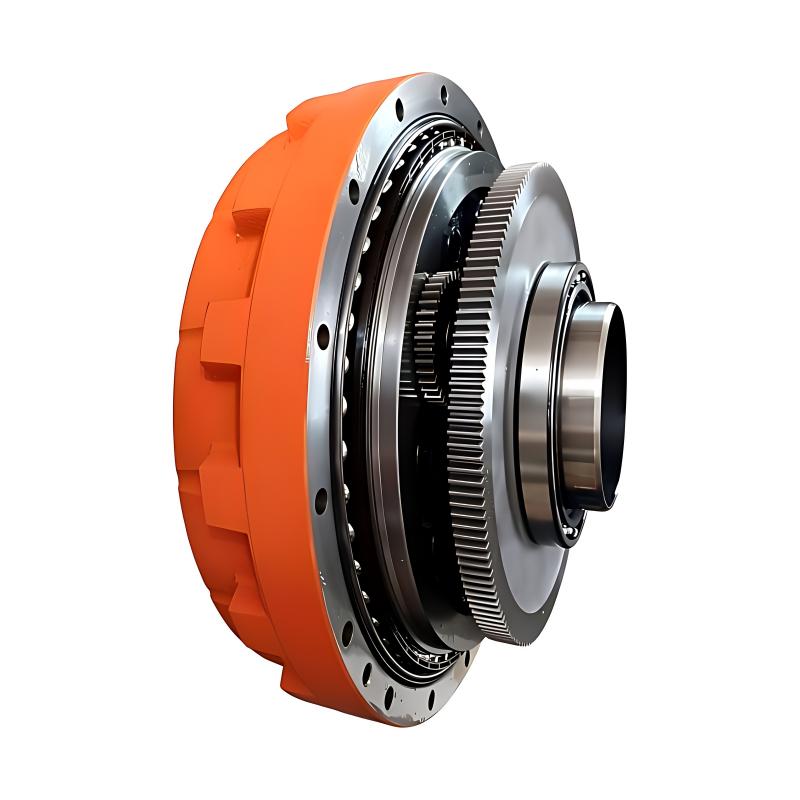
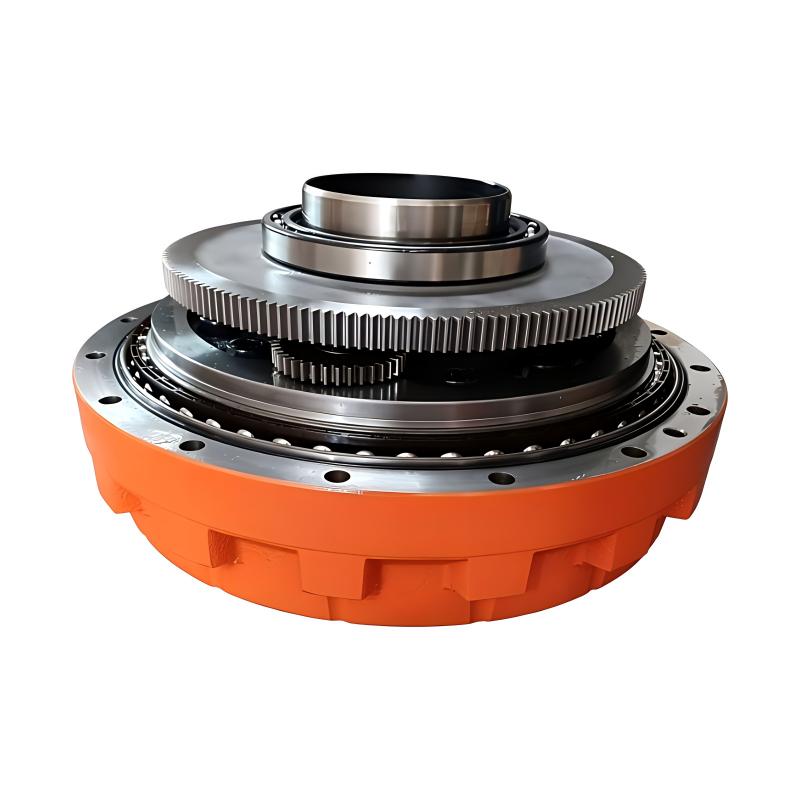
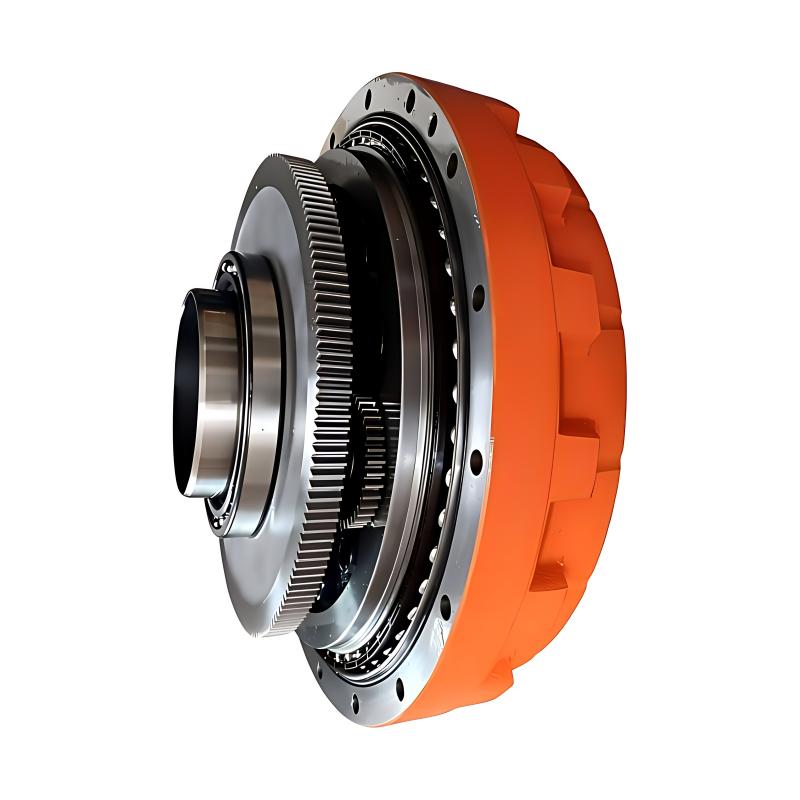
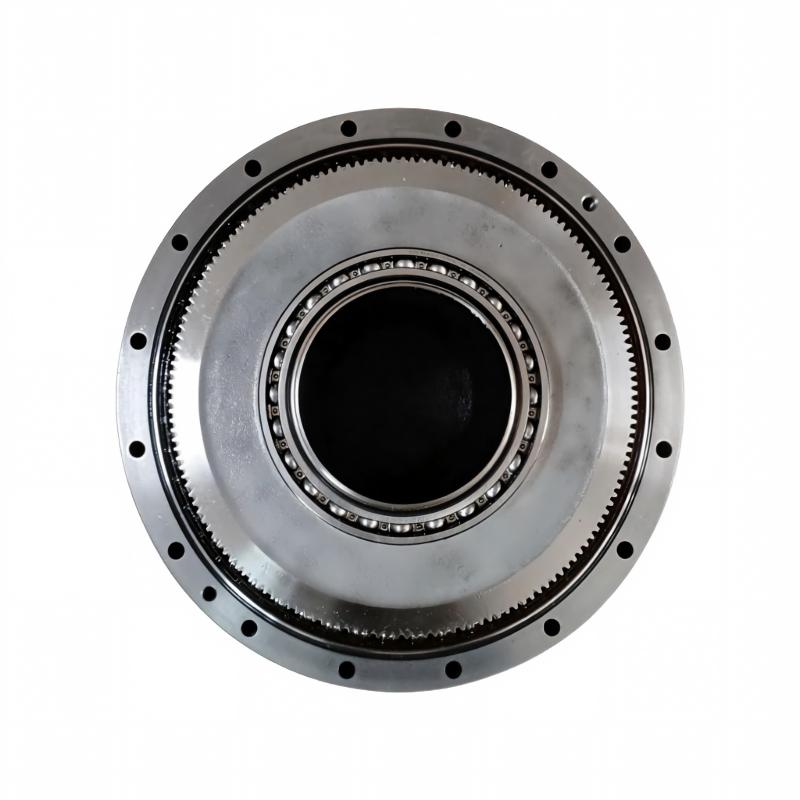
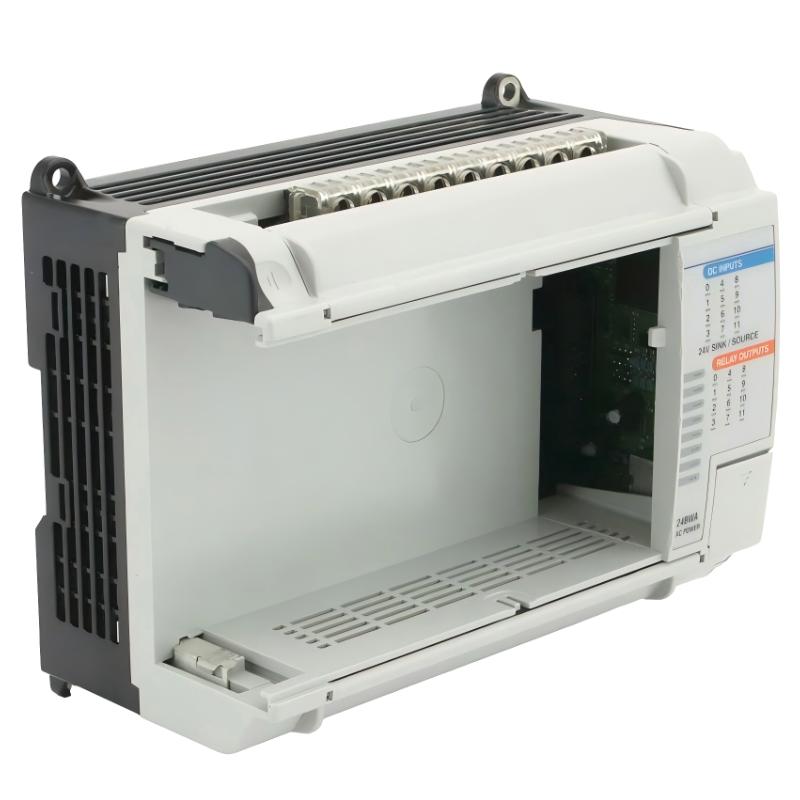
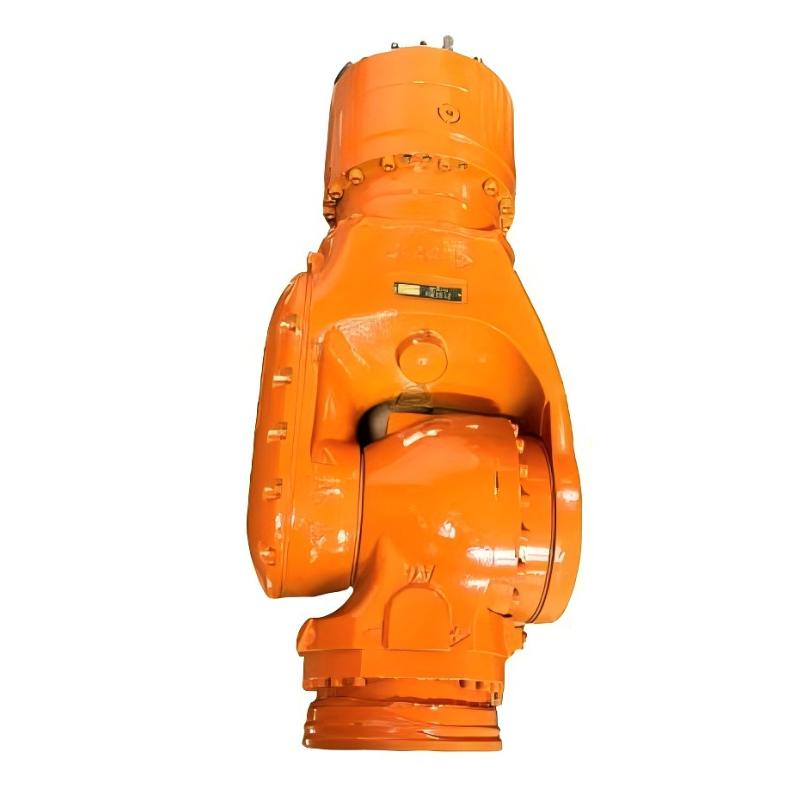
Brand:ABB PLC Item No.:3HAC026114-001 Product Origin:Sweden (SE) Product Dimensions:440 × 208.5 × 440 mm Product Weight:95 kg Payment:T/T, Western Union, Credit Card Goods_stock:15 Shipping Port:Xiamen, China Lead Time:1-3 Days Condition:Brand New And Original Warranty:1 Year Certificate:COO
The ABB 3HAC026114-001 Single-Shaft Speed Reducer is an industrial mechanical component intended for speed and torque transmission applications. Within a robotic or automated drive assembly, a reducer helps adapt the motor's rotational output to the movement requirements of the driven mechanism.
Reliable operation depends on selecting the correct component and following the equipment manufacturer's installation and maintenance procedures. Before replacing an existing reducer, maintenance personnel should verify the part number, mechanical interfaces, and application requirements to avoid compatibility problems.
For industrial automation spare-parts procurement, the 3HAC026114-001 model number provides a clear identification reference. It can be included in maintenance inquiries, equipment servicing plans, and replacement-part sourcing requests.
Technical Specifications
Parameter
Specification
Brand
ABB
Model
3HAC026114-001
Product Type
Single-Shaft Speed Reducer
Application
Industrial Mechanical Drive Systems
Dimensions
440 × 208.5 × 440 mm
Weight
95 kg / 209.44 lb
Recommended Related Models
The following ABB part numbers are relevant references for industrial robotic mechanical components. Confirm their exact functions and compatibility before selecting them for the same application.
ABB 3HAC026114-007
ABB 3HAC027851-001
ABB 3HAC040499-001
ABB 3HAC054556-001
Popular Related Models
ABB 3HAC14752-1 Rotating AC Motor
ABB 3HAC15991-2 Motor Including Pinion Gear
ABB 3HAC15991-4 Motor Including Pinion Gear
ABB 3HAC056858-001 Motor Including Pinion Gear
ABB 3HAC033209-003 Rotating AC Motor
Applications
The ABB 3HAC026114-001 Single-Shaft Speed Reducer is an industrial mechanical transmission component intended for use in automated machinery and robotic drive systems. A speed reducer helps adapt motor output to the rotational speed and torque requirements of the connected mechanism, supporting controlled movement in industrial applications.
Typical application areas include:
Industrial robotic drive assemblies
Automated manufacturing and material-handling equipment
Mechanical transmission systems
Robot maintenance and component replacement
Industrial machinery requiring controlled rotational movement
Before selecting this component, verify its intended robot model, axis position, and mechanical configuration against the original equipment documentation.
Advantages
Controlled speed transmission
A speed reducer helps match motor output to the operating requirements of the driven mechanism, supporting consistent mechanical movement.
Industrial automation applications
Designed for use as part of a mechanical drive assembly, it is relevant to maintenance and servicing requirements in automated production environments.
Supports equipment reliability
Correct reducer selection and installation help maintain proper mechanical alignment and reduce unnecessary stress on connected components.
Practical spare-parts identification
The complete ABB part number provides an important reference for procurement teams, maintenance engineers, and industrial equipment distributors.
Replacement planning
Confirming the reducer's interfaces and operating specifications before ordering helps reduce the risk of component mismatch during maintenance.
Technical FAQs
1. What is the primary function of the ABB 3HAC026114-001? It is identified as a single-shaft speed reducer, a mechanical component used to adapt rotational speed and torque in a drive system.
2. Where can this type of reducer be used? It may be used in industrial robotic and automated mechanical drive assemblies, subject to confirmation of the intended equipment configuration.
3. What information is needed to confirm compatibility? Check the robot model, axis position, original part number, shaft interface, mounting arrangement, and equipment documentation.
4. Can this reducer replace another ABB model? Only when the relevant mechanical interfaces and performance specifications have been confirmed. Similar product descriptions do not establish interchangeability.
5. What can cause unusual noise from a reducer? Possible causes include internal wear, insufficient or unsuitable lubrication, incorrect alignment, loose mounting hardware, or problems in connected components.
6. What should be checked if the drive system vibrates excessively? Inspect the mounting structure, shaft alignment, coupling, and connected mechanical components. Persistent vibration requires further investigation.
7. Is lubrication important for reducer operation? Yes. Follow the applicable maintenance instructions for lubricant type, quantity, inspection, and replacement intervals.
8. How does incorrect installation affect reducer performance? Poor alignment or improper mounting can create additional mechanical loads, increase wear, and affect the stability of the drive assembly.
9. What details should be included in a spare-parts inquiry? Provide the full part number, robot model, axis identification, existing component information, and the intended replacement application.
10. How should the reducer be stored before installation? Keep it in a clean, dry, protected environment. Avoid impacts and protect exposed mechanical surfaces from dust, moisture, and corrosion.