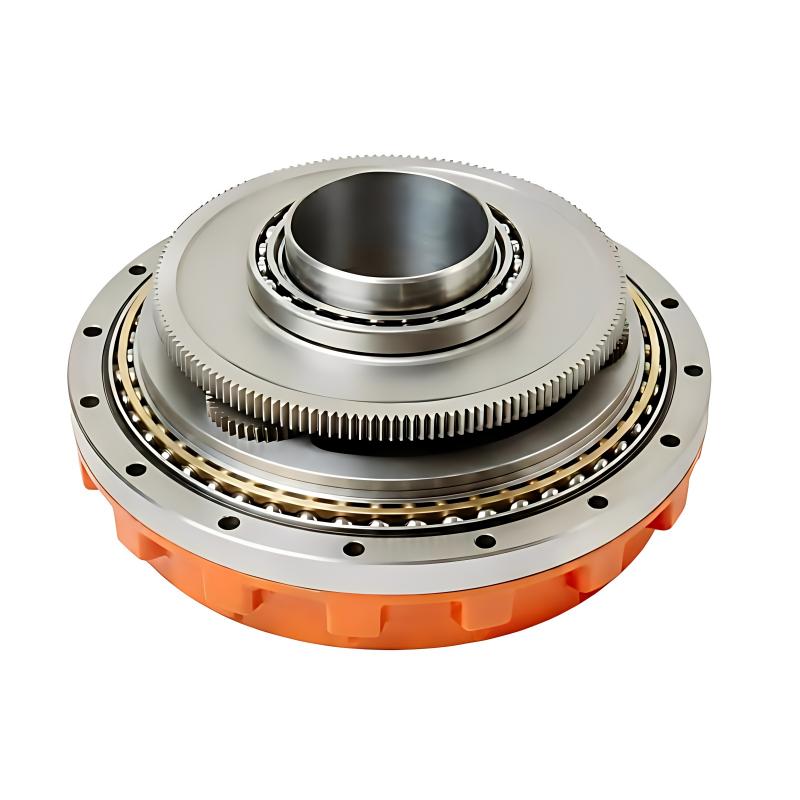
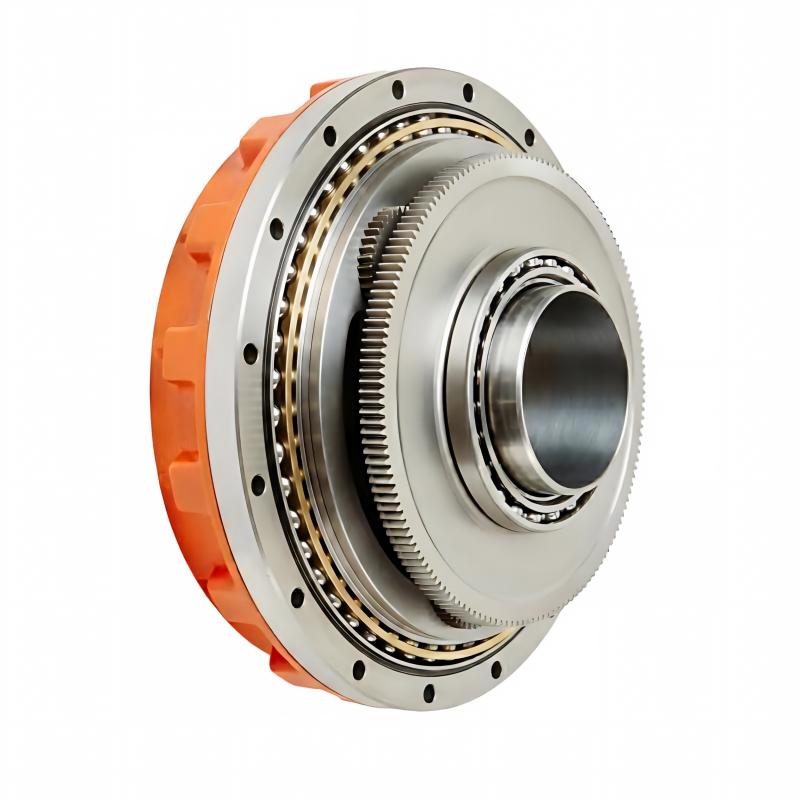
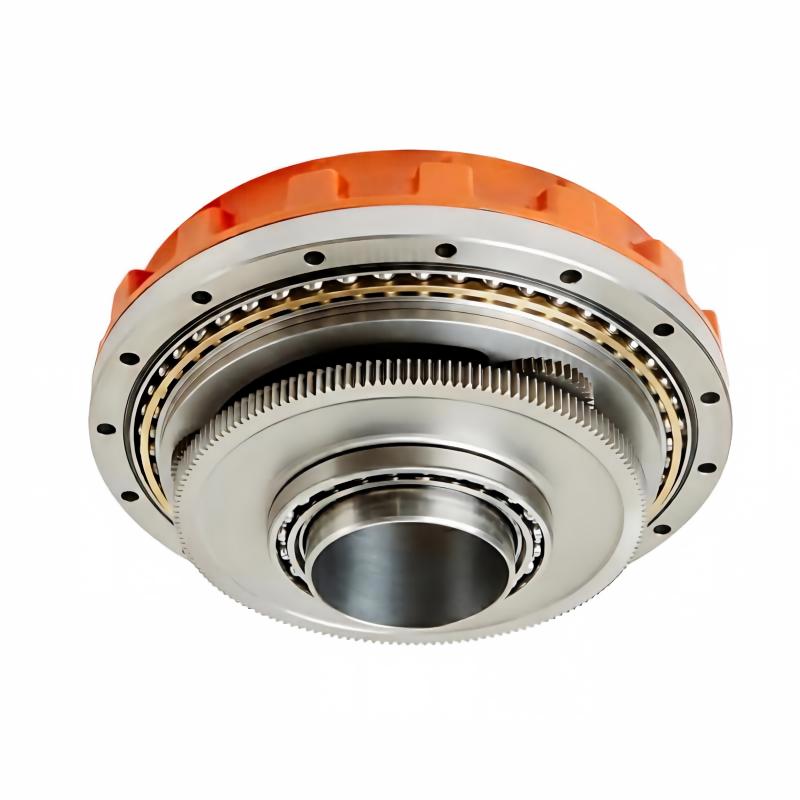
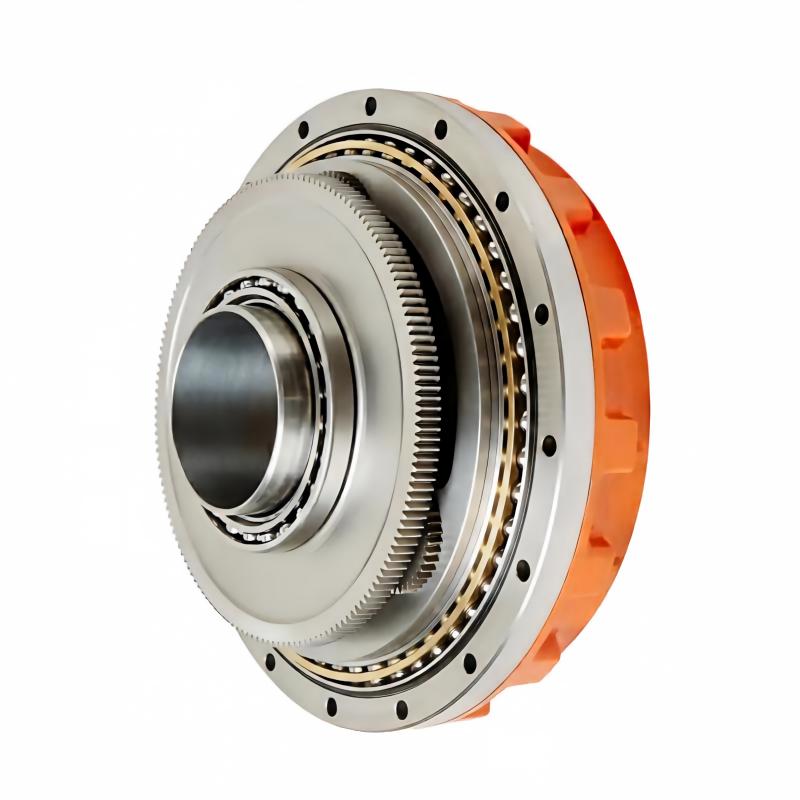
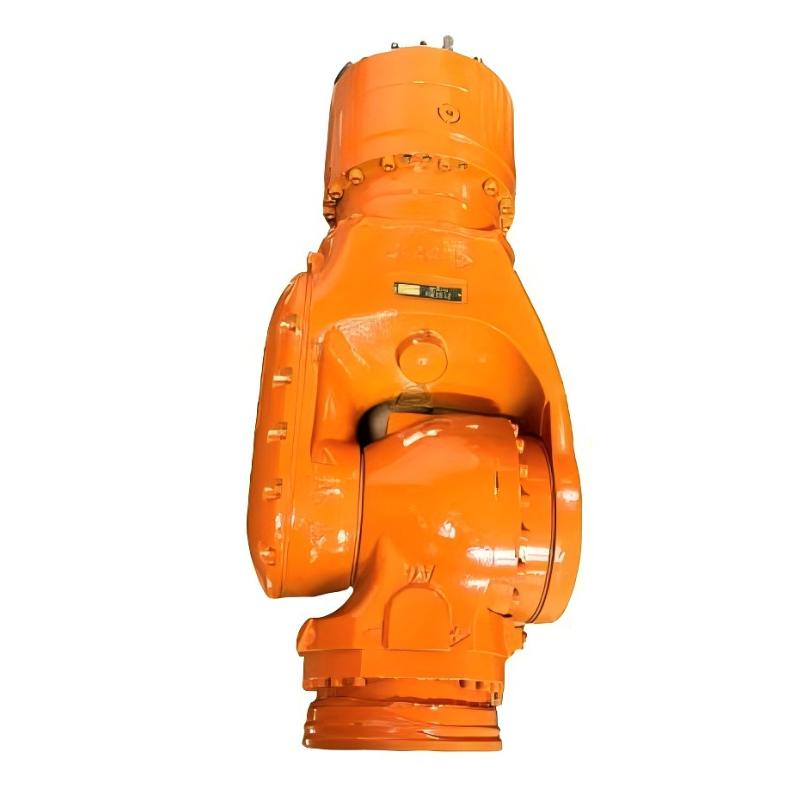
Brand:ABB PLC Item No.:3HAC026114-005 Product Origin:Sweden (SE) Product Dimensions:440 × 208.5 × 440 mm Product Weight:94 kg Payment:T/T, Western Union, Credit Card Goods_stock:15 Shipping Port:Xiamen, China Lead Time:1-3 Days Condition:Brand New And Original Warranty:1 Year Certificate:COO
The ABB 3HAC026114-005 Single-Shaft Speed Reducer is an industrial mechanical component intended for applications involving speed reduction and torque transmission. As part of a mechanical drive assembly, it helps adapt motor rotation to the operating requirements of automated equipment.
In industrial automation, the condition and compatibility of transmission components can influence equipment movement, operating stability, and maintenance requirements. Selecting the correct reducer is therefore important when servicing or refurbishing an existing machine.
For spare-parts procurement, the complete model number provides an essential identification reference. Buyers should compare the original equipment documentation and mechanical interfaces before confirming a replacement, helping ensure that the selected component matches the intended application.
Technical Specifications
Parameter
Specification
Brand
ABB
Model
3HAC026114-005
Product Type
Single-Shaft Speed Reducer
Application
Industrial Mechanical Transmission
Dimensions
440 × 208.5 × 440 mm
Weight
94 kg / 207.23 lb
Recommended Related Models
The following ABB part numbers are related references for industrial robotic and mechanical spare-parts sourcing. Verify their exact functions and compatibility before ordering.
ABB 3HAC026114-001
ABB 3HAC026114-007
ABB 3HAC027851-001
ABB 3HAC040499-001
Popular Related Models
ABB 3HAC054556-001 Single-Shaft Speed Reducer
ABB 3HAC14752-1 Rotating AC Motor
ABB 3HAC15991-2 Motor Including Pinion Gear
ABB 3HAC15991-4 Motor Including Pinion Gear
ABB 3HAC056858-001 Motor Including Pinion Gear
Applications
The ABB 3HAC026114-005 Single-Shaft Speed Reducer is an industrial mechanical transmission component designed for applications requiring controlled rotational speed and torque transmission. In automated machinery, a reducer helps adapt motor output to the mechanical requirements of the driven assembly.
Typical application areas include:
Industrial robotic drive systems
Automated manufacturing equipment
Mechanical transmission assemblies
Industrial machinery maintenance and refurbishment
Before installation, verify the reducer's part number, mounting configuration, shaft interface, and intended equipment application.
Advantages
Efficient speed reduction
A speed reducer helps adapt the rotational output of a motor to the operating requirements of the connected mechanism.
Stable mechanical transmission
When correctly selected and installed, the reducer supports consistent power transmission and controlled mechanical movement.
Industrial equipment application
Its mechanical design makes it relevant to industrial automation maintenance and robotic equipment servicing.
Convenient spare-parts identification
The complete ABB model number helps purchasing teams and maintenance engineers identify the required component when sourcing replacement parts.
Supports maintenance planning
Accurate component matching helps reduce installation problems and unnecessary downtime during equipment maintenance.
Technical FAQs
1. What is the ABB 3HAC026114-005 used for? It is identified as a single-shaft speed reducer used in industrial mechanical transmission applications.
2. What is the main purpose of a speed reducer? It reduces rotational speed and adjusts torque transmission to better match the requirements of the driven equipment.
3. Can this reducer be used in robotic equipment? It may be considered for robotic drive applications, but the exact robot model and axis compatibility must be verified before ordering.
4. What should be checked before installation? Inspect the mounting interface, shaft connection, mechanical alignment, and equipment-specific installation requirements.
5. Can this model directly replace another ABB reducer? Not without confirming the relevant specifications. Part numbers, mounting dimensions, shaft arrangements, and performance requirements must be compared.
6. What may cause abnormal operating noise? Possible causes include internal wear, incorrect alignment, loose mounting hardware, or problems with connected transmission components.
7. How can reducer vibration be reduced? Check the mounting structure, shaft alignment, coupling condition, and connected drive components. Correct any installation issues according to the maintenance procedure.
8. Does the reducer require lubrication maintenance? Follow the applicable ABB maintenance documentation for lubricant specifications, inspection procedures, and service intervals.
9. What information should be provided when purchasing a replacement? Provide the complete model number, equipment model, installation position, and relevant mechanical specifications.
10. How should the reducer be stored before use? Store it in a clean, dry environment and protect exposed mechanical surfaces from moisture, dust, impact, and corrosion.