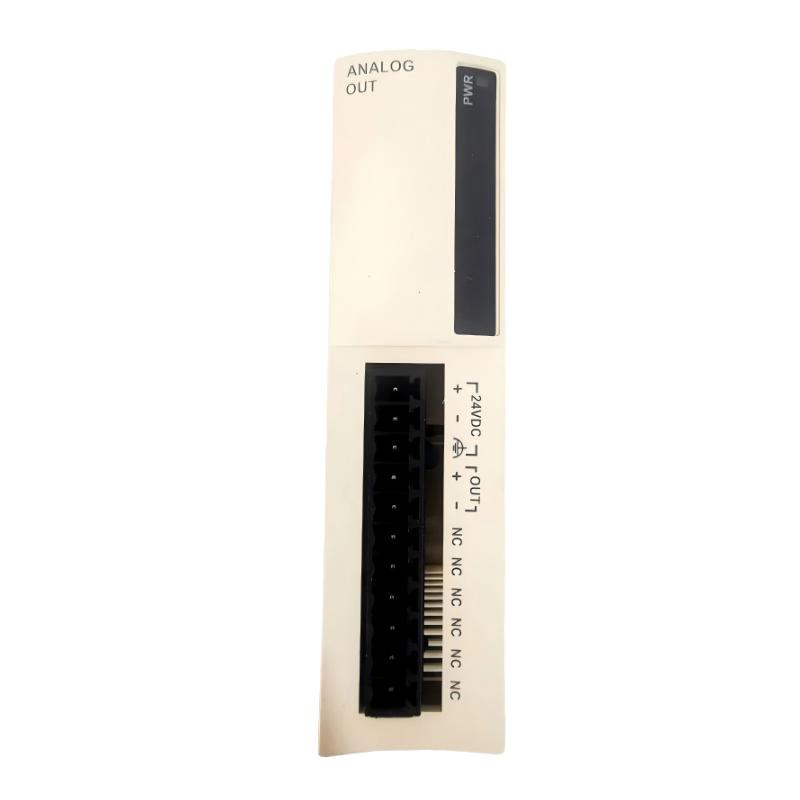
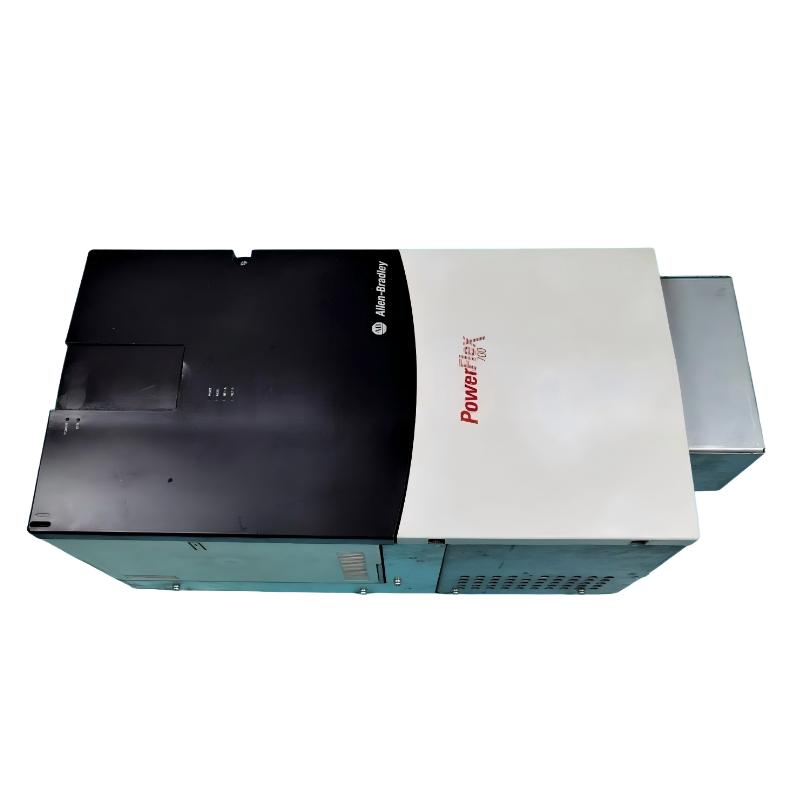
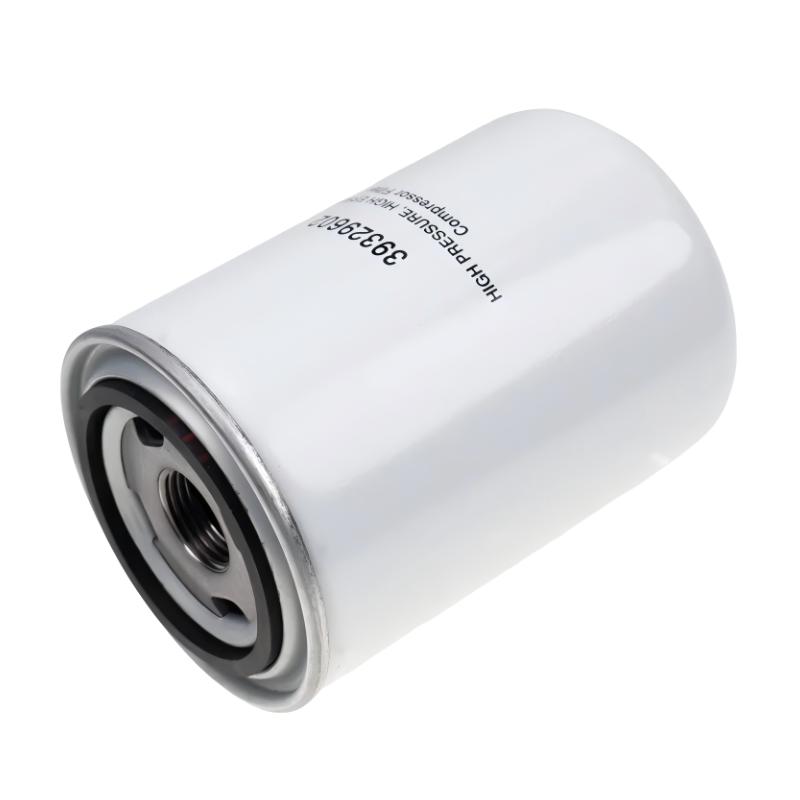
Brand:ABB PLC Item No.:UF C765 AE102 Product Origin:Sweden (SE) Product Dimensions:150 x 90 x 50 mm Product Weight:0.2 kg Payment:T/T, Western Union, Credit Card Goods_stock:15 Shipping Port:Xiamen, China Lead Time:1-3 Days Condition:Brand New And Original Warranty:1 Year Certificate:COO
The ABB UF C765 AE102 3BHE003604R0102 Printed Circuit Board is a specialized internal module designed to ensure dependable electrical routing and subsystem control within ABB automation architectures. Despite its compact size, the board is built with industrial-grade components that withstand continuous operation in demanding environments.
Its stable power conditioning, noise-resistant signal paths, and precision routing make it an important element in long-lived ABB systems. Facilities looking to modernize or reinforce high-availability platforms often choose this module to maintain smooth internal processing and predictable automation behavior.
Technical Specifications
Parameter
Value
Product Name
UF C765 AE102 Printed Circuit Board
Part Number
3BHE003604R0102
Module Type
Printed Circuit Board (Subsystem Interface Board)
Function
Signal routing, subsystem control, internal communication integrity
The ABB UF C765 AE102 Printed Circuit Board is engineered for precision signal routing and stable subsystem control within ABB industrial automation platforms. It serves as a key internal module in power generation units, petrochemical control racks, advanced manufacturing lines, and complex distributed control systems. Its compact layout and reliable electronic pathways make it ideal for retrofit projects, system expansions, or high-uptime environments that demand predictable control behavior without drift or degradation.
Advantages
The UF C765 AE102 delivers more than basic PCB functionality—its design prioritizes electrical stability, low signal distortion, and long-term endurance. ABB’s manufacturing standards ensure superior trace integrity, reduced thermal stress, and excellent resistance to vibration and electrical noise. Integrators value its consistent performance, as it helps maintain clean internal communication and enhances the long-term reliability of the entire control rack.
FAQs
1. How is signal isolation implemented on this PCB?
The board uses optically and galvanically isolated channels to prevent cross-interference between high- and low-level signals.
2. What type of components are used for voltage regulation?
Low-noise linear regulators are employed to ensure stable power delivery across all board sections.
3. Does the board support multi-layer routing for high-density circuits?
Yes. It integrates multiple routed layers to support complex control logic and clean signal separation.
4. How does the board manage thermal buildup during continuous operation?
Thermal spreading areas and heat-dissipating copper zones keep component temperatures stable under load.
5. What protections are applied to prevent bus contamination?
Current-limited buffers and protected drivers shield both the PCB and the backplane from electrical faults.
6. How are timing-sensitive signals handled to ensure deterministic response?
Critical traces are routed with controlled impedance and short path lengths to minimize latency.
7. What diagnostic data can the module provide to the main controller?
It reports internal fault flags, supply stability status, and communication integrity indicators.
8. Is the board designed to tolerate high vibration environments?
Yes. Reinforced solder joints and shock-resistant components ensure mechanical robustness.
9. What type of conformal coating is applied for environmental protection?
A protective acrylic coating guards against moisture, dust, and corrosive industrial atmospheres.
10. How does the board maintain signal integrity during EMI exposure?
Ground planes, shielded routes, and EMI-filtering components ensure stable operation even under heavy interference.