Invensys Triconex

  1. Home
  2. Products
  3. Invensys Triconex
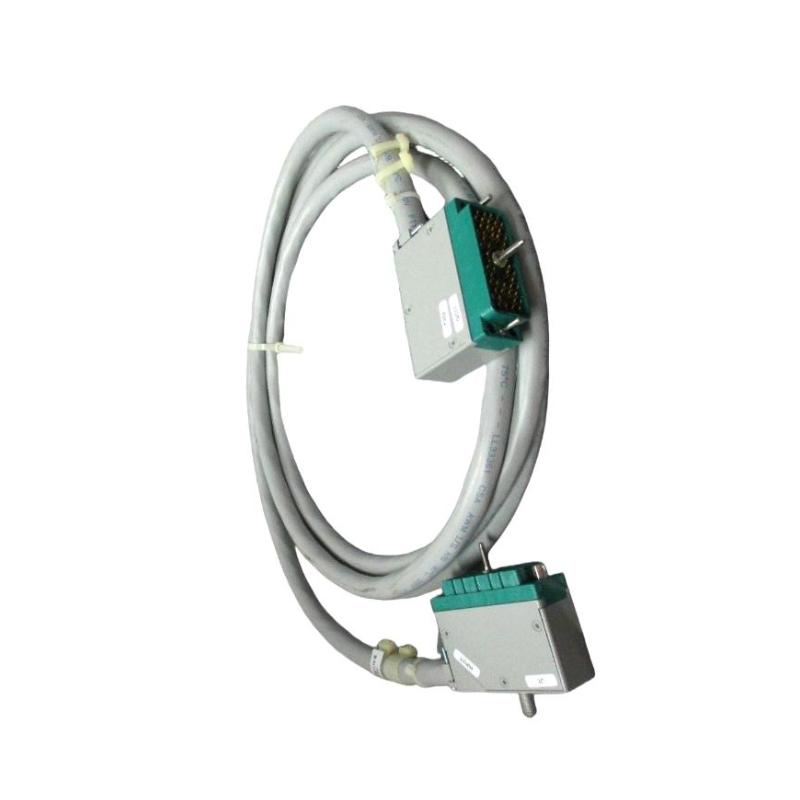
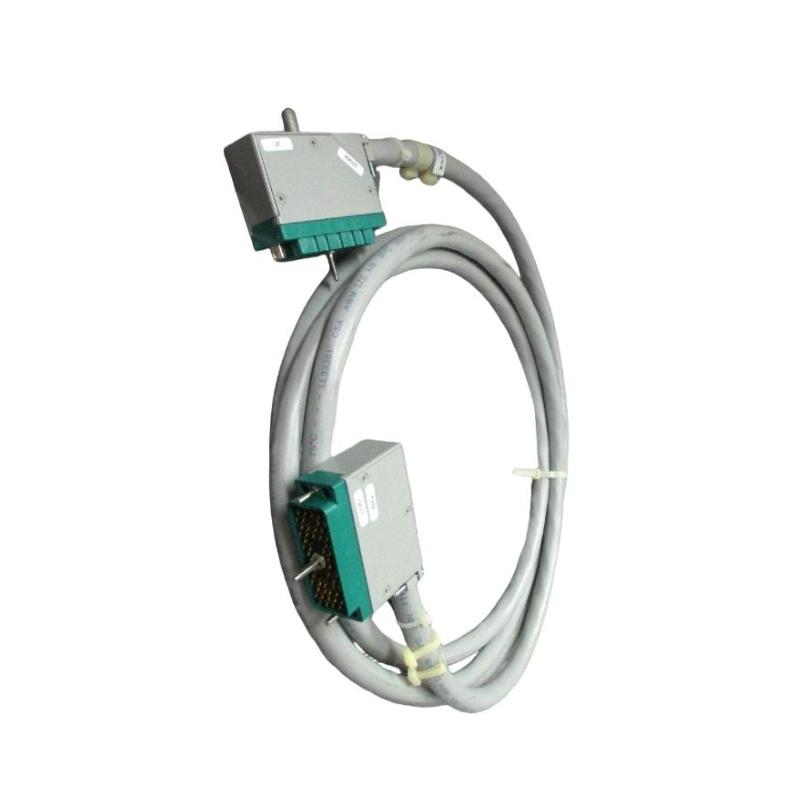
  4. Invensys Triconex 4000094-346 Cable
Invensys Triconex 4000094-346 Cable

Invensys Triconex 4000094-346 Cable

0.0
Points

Brand:Invensys Triconex
Item No.:4000094-346
Product Origin:USA
Product Dimensions:Cable Length: Optional
Product Weight:Shipping weight: 3 kg
Payment:T/T, Western Union, Credit Card
Goods_stock:15
Shipping Port:Xiamen, China
Lead Time:1-3 Days
Condition:Brand New And Original
Warranty:1 Year
Certificate:COO

Add to cart


Product Overview

The Invensys Triconex 4000094-346 Cable is a dependable connectivity solution engineered for Triconex safety systems. Designed to support stable signal transmission in demanding industrial environments, this cable helps maintain the integrity of safety and control signals across the system. With optional length configurations and rugged construction, it offers installation flexibility while meeting the reliability expectations of safety-critical applications.


Technical Specifications

ParameterDescription
Product TypeSystem Cable
System CompatibilityTriconex Safety Systems
Cable LengthOptional / configurable
InstallationCabinet and system interconnection
DimensionsNot applicable (length configurable)
Shipping Weight3 kg

Recommended Companion Models

  • Invensys Triconex 4000093-310 – System cable for Triconex I/O module connections

  • Invensys Triconex 3000793-001 – Numeric input module used with Triconex safety systems

  • Invensys Triconex 3000803-001 – Digital output module for safety action execution


Frequently Selected Alternatives

  • Invensys Triconex 4000094-345 – Alternative Triconex system cable for similar connectivity needs

  • Invensys Triconex 4000092-015 – Short-length Triconex cable for compact cabinet layouts

  • Invensys Triconex 4000095-120 – Heavy-duty system cable for extended routing applications

Typical Deployment

  • Signal and communication connections within Triconex safety systems

  • Linking I/O modules, controllers, and termination assemblies

  • Safety-instrumented systems in oil & gas, petrochemical, and power generation plants

  • Industrial control cabinets requiring reliable, interference-resistant cabling

  • Mission-critical installations where stable signal transmission is essential


Advantages

  • Designed specifically for Triconex systems to ensure full compatibility

  • Optional cable length allows flexible routing for different cabinet layouts

  • High signal integrity supports stable and accurate data transmission

  • Industrial-grade construction suitable for harsh operating environments

  • Reliable long-term performance in continuous safety system operation


Technical FAQs

  1. What is the primary function of this cable?
    It provides reliable electrical and signal connections within Triconex safety systems.

  2. Is the cable length fixed?
    No, the cable length is optional, allowing customization for different installations.

  3. Is this cable suitable for safety-instrumented systems?
    Yes, it is designed for use in safety-critical Triconex environments.

  4. Can it be used for continuous operation?
    Absolutely. It is built for 24/7 industrial use.

  5. Does it help reduce signal interference?
    Yes, its construction supports stable signal transmission in industrial environments.

  6. Is it compatible with multiple Triconex modules?
    Yes, it is commonly used across various Triconex controllers and I/O modules.

  7. What industries typically use this cable?
    Oil & gas, petrochemical, power generation, and heavy process industries.

  8. Is special tooling required for installation?
    No, it installs using standard Triconex-compatible connections.

  9. How durable is the cable?
    It is engineered for long service life under industrial conditions.

  10. Why use original Triconex cabling?
    It ensures system compatibility, reliability, and consistent performance.


Look forward to your comments!Comment
Latest comments
Tags:
Need Assistance? Chat with Us on WhatsApp!
Need Assistance? Click to Inquire
Back to top