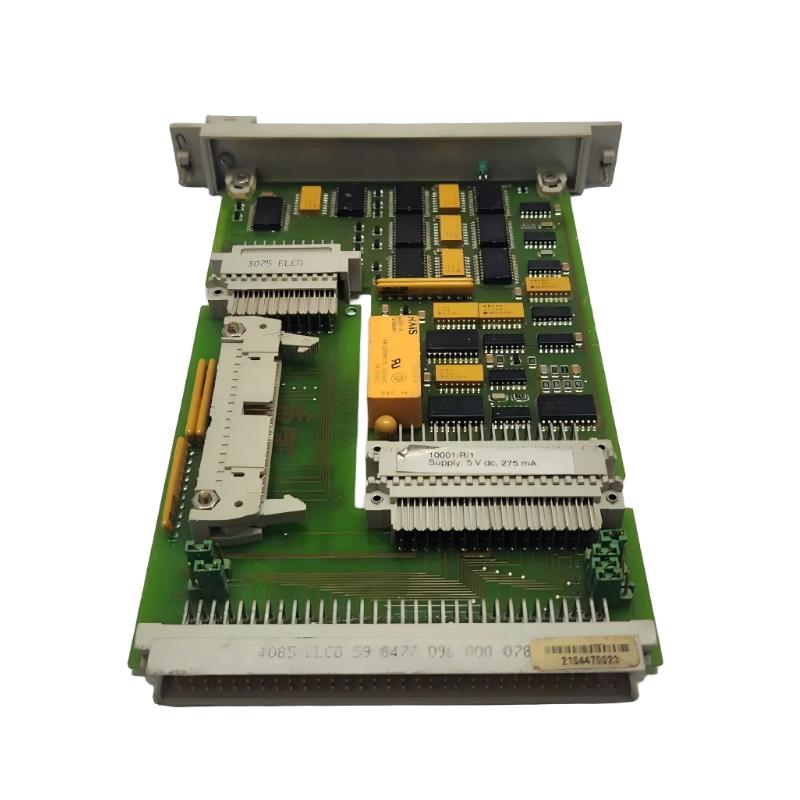
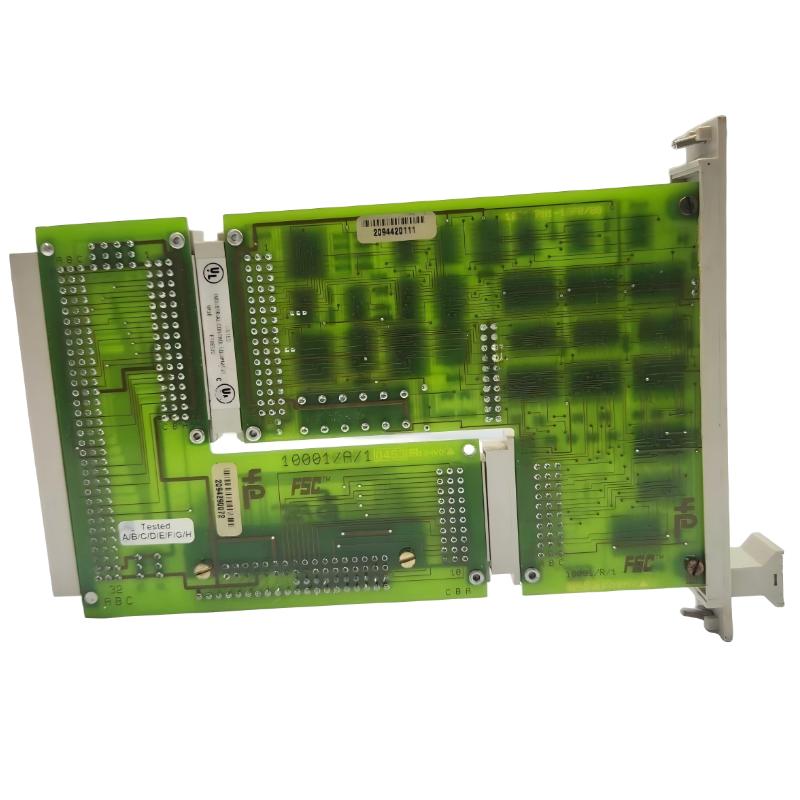
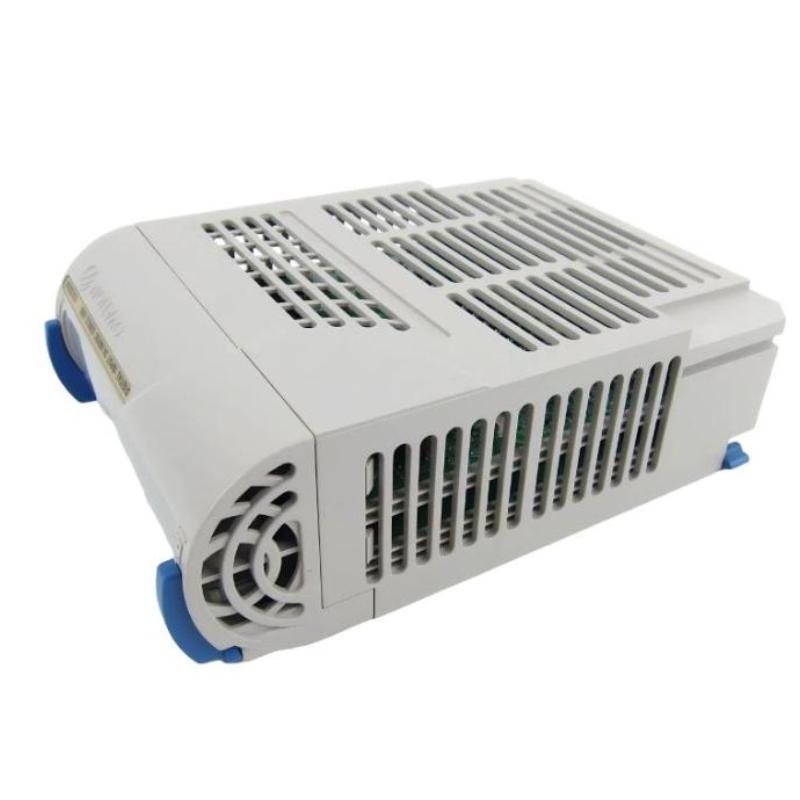
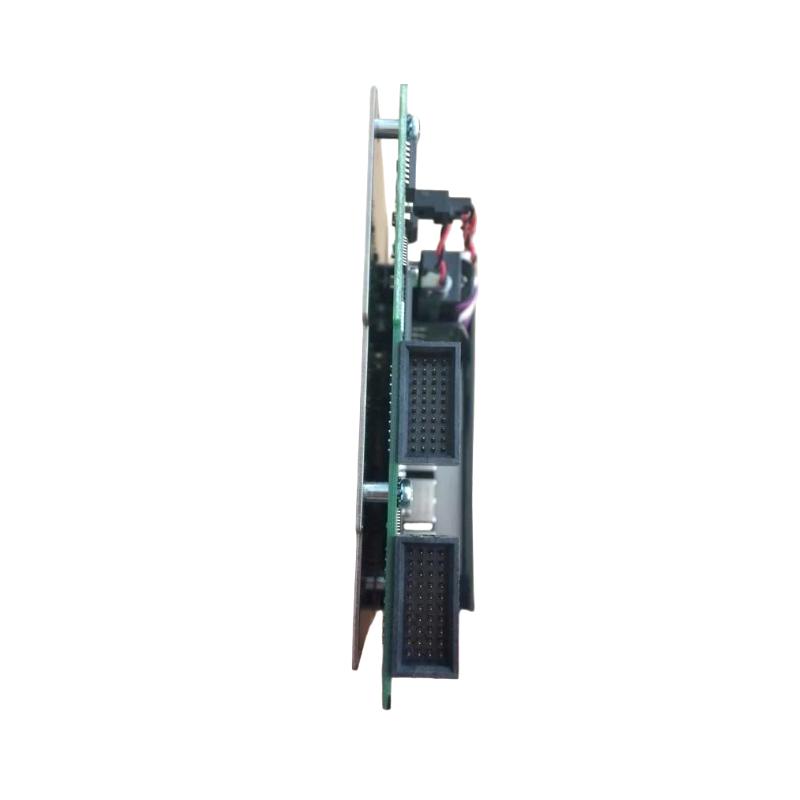
Brand:Honeywell DCS Item No.:10001/R/1 Product Origin:USA Product Dimensions:160 x 120 x 25 mm Product Weight:0.25 kg Payment:T/T, Western Union, Credit Card Goods_stock:15 Shipping Port:Xiamen, China Lead Time:1-3 Days Condition:Brand New And Original Warranty:1 Year Certificate:COO
The Honeywell 10001/R/1 Vertical Bus Driver Module is a redundancy-focused communication interface developed to strengthen vertical signal transmission within Honeywell modular automation systems. Acting as a structured backplane driver, it ensures consistent data exchange between vertically stacked rack modules.
Designed for high-availability process industries, this module enhances communication resilience and supports uninterrupted system operation. Its industrial-grade construction and optimized bus-driving architecture make it particularly suitable for mission-critical installations where fault tolerance is essential.
For control systems requiring reliable vertical communication within redundant configurations, the 10001/R/1 delivers dependable and professional-grade performance.
Technical Specifications
Parameter
Specification
Model Number
10001/R/1
Product Type
Vertical Bus Driver Module
Manufacturer
Honeywell
Bus Architecture
Vertical Backplane Bus
Redundancy Support
Yes
Installation Method
Rack-mounted
Operating Environment
Industrial Control Cabinet
Dimensions
160 × 120 × 25 mm
Weight
0.25 kg
Recommended Related Models
Model
Module Type
10001/A/1
Vertical Bus Driver Module
10002/A/1
I/O Interface Module
10005/1/1
Rack Power Interface Module
10006/2/1
Communication Expansion Module
10012/1/1
System Interface Module
Popular Related Models
Model
Module Type
900C30-0360
CPU Module
900A01-0001
Analog Input Module
900B01-0101
Digital Input Module
900R08-0200
Redundant Controller
51303940-250
Communication Module
Applications
The Honeywell 10001/R/1 Vertical Bus Driver Module is specifically designed for redundant vertical backplane communication in Honeywell modular control systems. It plays a central role in maintaining synchronized and stable data exchange between vertically arranged rack components.
It is typically applied in:
Redundant Distributed Control Systems (DCS)
Power generation automation cabinets
Oil & gas production control platforms
Refinery and petrochemical process systems
Safety-related control architectures
High-availability industrial automation racks
In environments where communication continuity is critical, this module supports structured vertical signal transmission and strengthens overall rack-level integrity.
Advantages
Engineered for fault-tolerant architectures, the 10001/R/1 enhances communication reliability within redundant control platforms.
Designed for redundant vertical bus systems
Ensures deterministic signal propagation
Improves communication stability between stacked modules
Industrial-grade electronic design
Optimized for mission-critical process environments
Seamless compatibility with Honeywell rack systems
Its robust internal bus-driving circuitry helps minimize communication disruptions and supports system continuity under demanding operational conditions.
Technical FAQs
1. What is the primary function of the 10001/R/1 module?
It drives and stabilizes vertical backplane bus signals in redundant Honeywell control systems.
2. How does this module support redundancy?
It maintains synchronized signal transmission across redundant vertical communication paths.
3. Does the module require configuration during commissioning?
No, it operates as a hardware-level communication driver and typically requires no parameter configuration.
4. Is it compatible with non-redundant systems?
While optimized for redundancy, it can be integrated into compatible vertical bus architectures as specified by system design.
5. What type of backplane architecture does it support?
It is designed for Honeywell vertical backplane bus structures.
6. Does it amplify or regenerate signals?
It conditions and drives signals to maintain proper voltage levels and transmission stability.
7. Can it operate in high-interference environments?
Yes, it is built for industrial cabinets where electromagnetic interference may be present.
8. Does it require firmware updates?
No firmware is typically required as it functions at the hardware communication layer.
9. How does it contribute to system reliability?
By ensuring consistent vertical communication, it reduces the risk of signal interruption within redundant architectures.
10. Is it suitable for safety-critical control systems?
When integrated into certified Honeywell platforms, it supports communication infrastructure in safety-related environments.