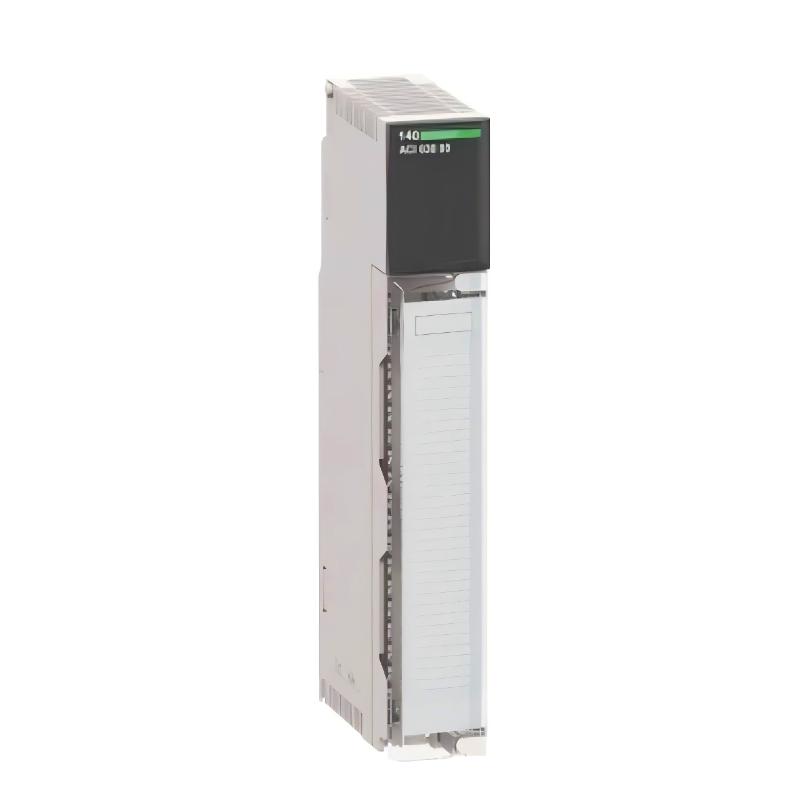
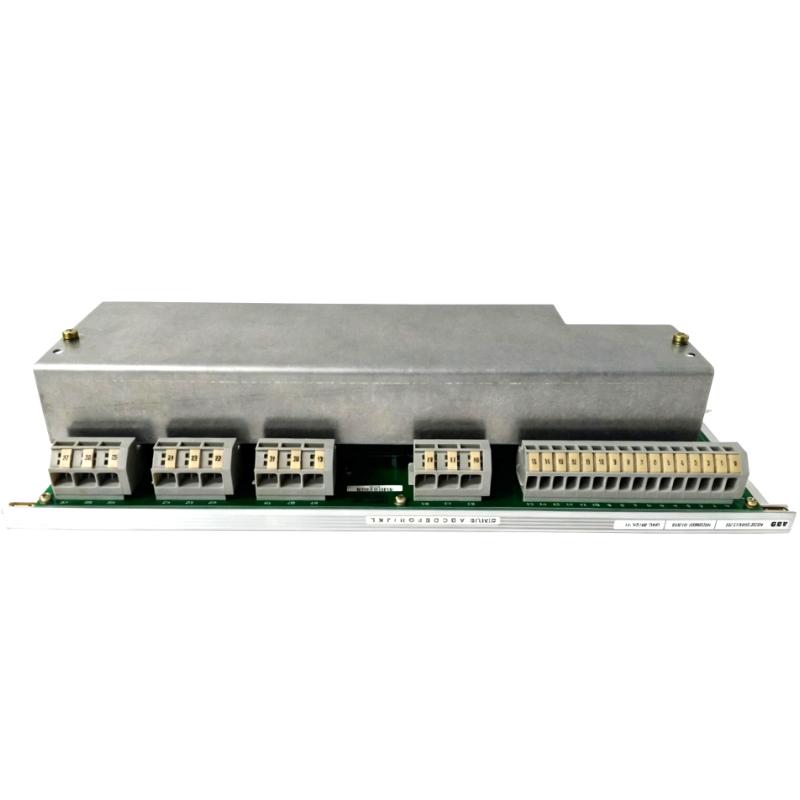
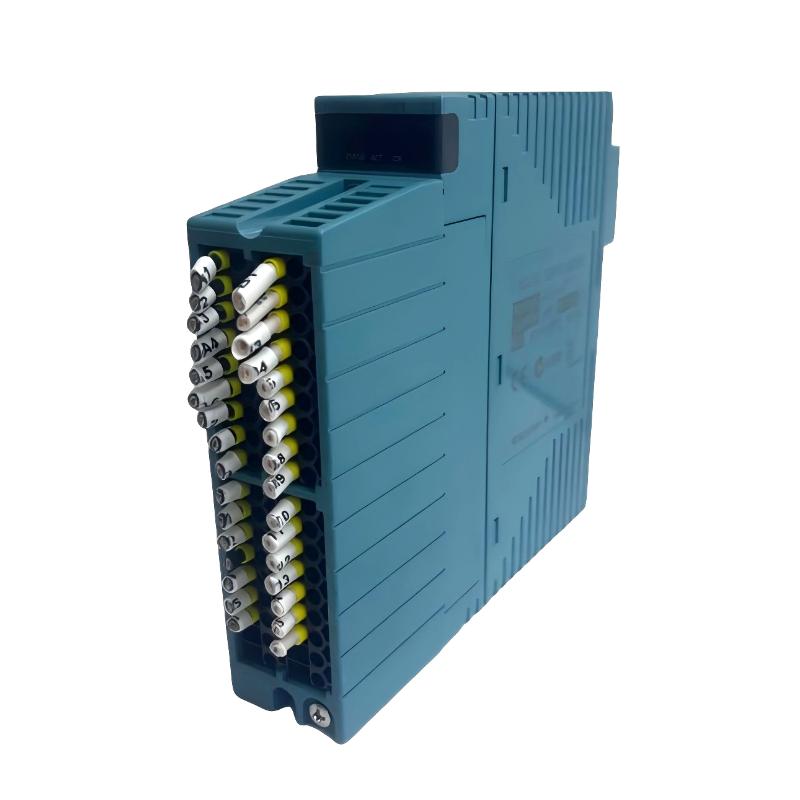
Brand:Schneider PLC Item No.:140NOA61110C Product Origin:USA Product Dimensions:103.9 × 40.3 × 250 mm Product Weight:0.52 kg Payment:T/T, Western Union, Credit Card Goods_stock:15 Shipping Port:Xiamen, China Lead Time:1-3 Days Condition:Brand New And Original Warranty:1 Year Certificate:COO
The Schneider 140NOA61110C Interbus Main Module is a high-performance communication interface for Interbus networks in industrial automation systems. Its compact and durable design ensures reliable data transfer between controllers and distributed I/O devices, enhancing system coordination and operational efficiency. Ideal for both new deployments and system upgrades, it provides stable and robust communication in demanding industrial environments.
Technical Specifications
Parameter
Specification
Manufacturer
Schneider Electric
Model
140NOA61110C
Product Type
Interbus Main Module
Dimensions
103.9 × 40.3 × 250 mm
Weight
0.52 kg
Installation
Control cabinet or DIN rail mounting
Application
Interbus communication interface for distributed I/O
Schneider 140NOA61140C — Interbus Power Supply Module
Application Scenarios
The Schneider 140NOA61110C Interbus Main Module is designed to serve as the core communication module for Interbus networks in industrial automation systems. It enables seamless data exchange between distributed I/O devices and controllers, ensuring reliable and coordinated system performance.
Typical application environments include:
Factory automation systems
Industrial process control networks
Manufacturing production lines
Packaging and material handling systems
Oil & gas and chemical plant automation
Distributed Control Systems (DCS) requiring Interbus communication
Key Advantages
Reliable Interbus Communication – Ensures stable data transfer between controllers and field devices
Compact and Efficient Design – Saves space in control cabinets and racks
Industrial-Grade Durability – Built for continuous operation in demanding environments
Seamless Integration – Fully compatible with Schneider Electric Interbus I/O systems
Improved System Coordination – Maintains synchronized communication across distributed devices
Low Maintenance – Simple installation with minimal upkeep required
Technical FAQs
1. What is the main function of this module?
It serves as the primary communication interface for Interbus networks, linking controllers to distributed I/O devices.
2. What are its dimensions?
103.9 × 40.3 × 250 mm.
3. What is the weight of the module?
Approximately 0.52 kg.
4. Can it operate continuously in industrial environments?
Yes, it is designed for long-term operation.
5. Which systems is it compatible with?
Schneider Electric Interbus I/O networks and automation systems.
6. Where is it typically installed?
Inside control cabinets or mounted on DIN rails.
7. Does it require configuration?
Yes, basic configuration is needed to integrate with the Interbus network.
8. Can multiple modules be used together?
Yes, multiple Interbus modules can be connected in a networked system.
9. Is it suitable for retrofitting existing systems?
Yes, it can be used for both upgrades and new installations.
10. How does it improve system reliability?
By providing stable, synchronized communication across distributed I/O devices, reducing the risk of data loss or errors.