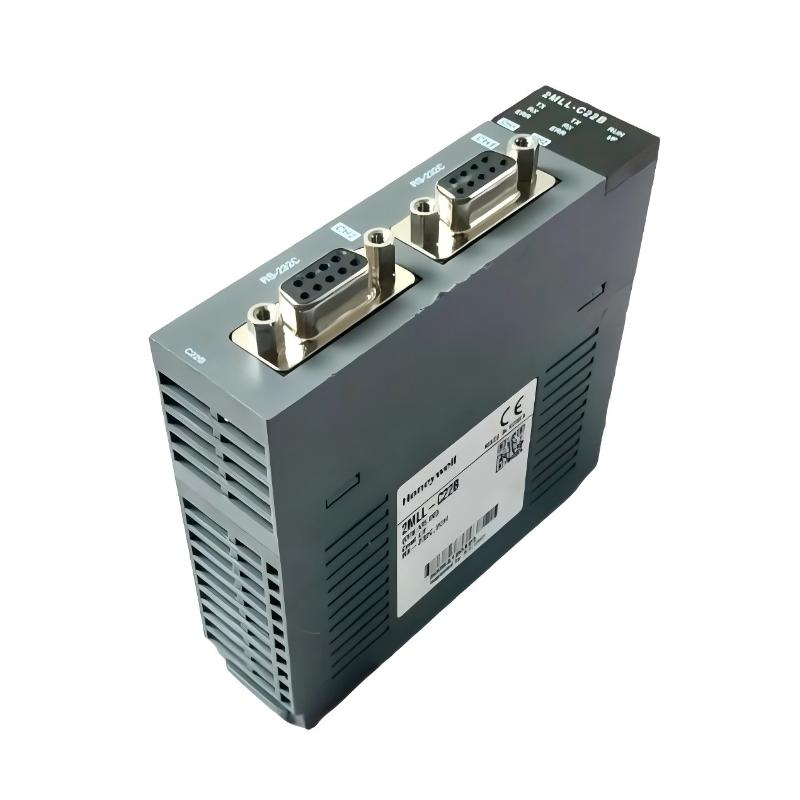
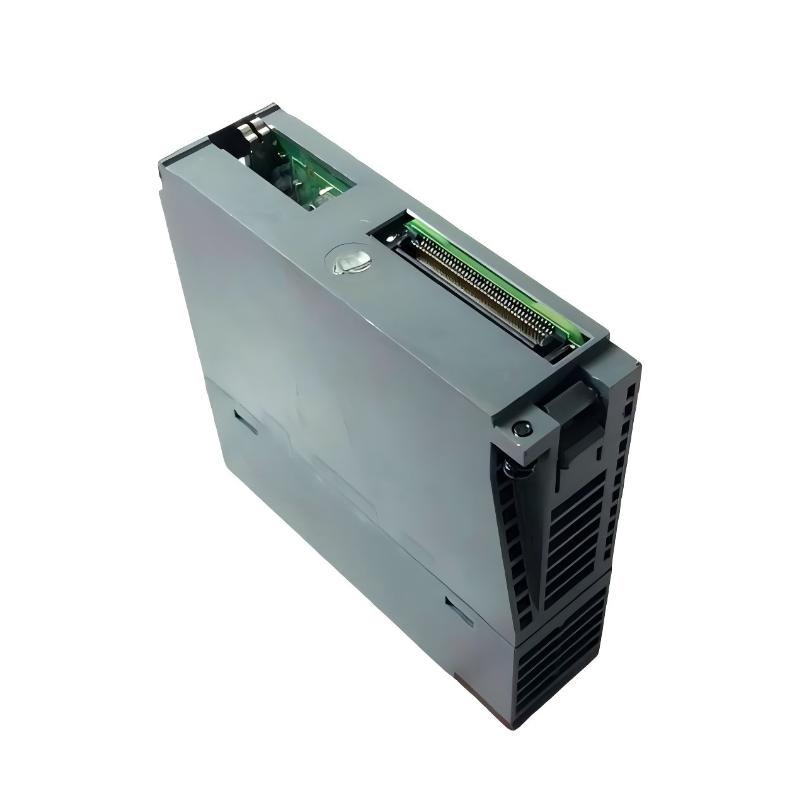
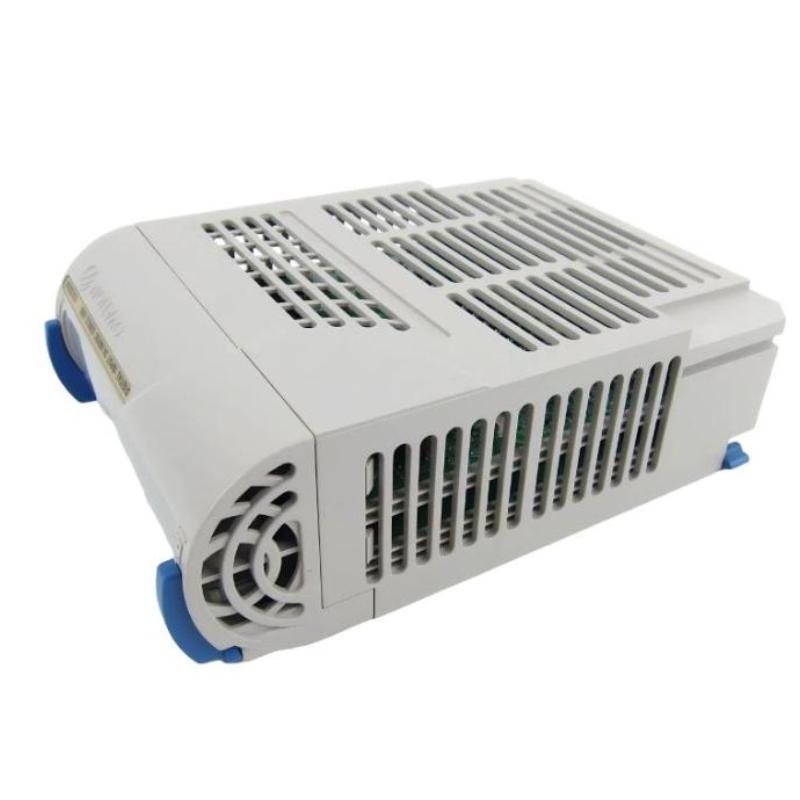
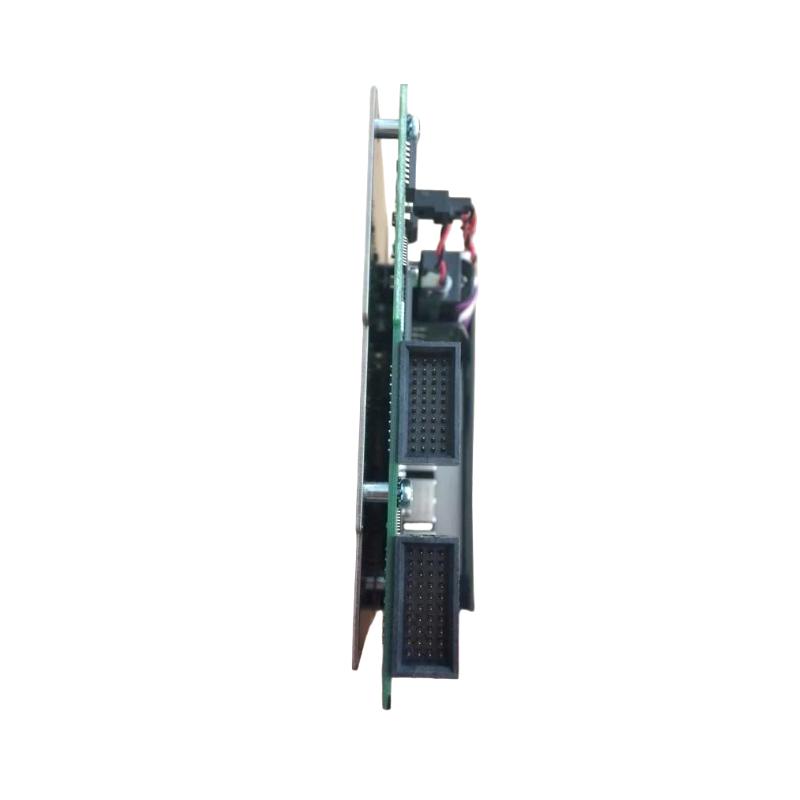
Brand:Honeywell DCS Item No.:2MLL-C22B Product Origin:USA Product Dimensions:110 x 35 x 120 mm Product Weight:0.35 kg Payment:T/T, Western Union, Credit Card Goods_stock:15 Shipping Port:Xiamen, China Lead Time:1-3 Days Condition:Brand New And Original Warranty:1 Year Certificate:COO
The Honeywell 2MLL-C22B Serial Communication Module provides robust and reliable serial connectivity for industrial automation systems. Designed for Honeywell DCS integration, it supports multiple field devices and ensures accurate, low-latency communication for real-time monitoring and control.
Its industrial-grade design enhances system reliability, simplifies diagnostics, and enables easy expansion of serial networks, making it an essential component for modern process automation applications.
The Honeywell 2MLL-C22B Serial Communication Module is engineered to facilitate reliable serial data exchange between field devices and control systems. It ensures seamless integration into Honeywell automation networks, supporting accurate monitoring, diagnostics, and real-time process control.
Typical applications include:
Connecting sensors, actuators, and I/O devices to Honeywell DCS systems
Serial communication for process automation in chemical, petrochemical, and power plants
Industrial process monitoring and control
Retrofitting and expanding existing serial networks
Data acquisition from legacy field instruments
Ensuring low-latency communication for critical control loops
Key Advantages
Provides stable and reliable serial communication in industrial control networks
Supports integration of multiple field devices into Honeywell DCS systems
Ensures accurate, low-latency data transmission for real-time process monitoring
Industrial-grade design for dependable operation in harsh environments
Enhances overall system reliability, diagnostics, and performance
Facilitates easy expansion and scalability of serial communication networks
Technical FAQs
1. What is the primary function of the 2MLL-C22B module?
It enables serial communication between field devices and Honeywell DCS systems.
2. Is it compatible with Honeywell Experion or DCS systems?
Yes, it integrates seamlessly with Honeywell automation networks.
3. What devices can it connect?
Sensors, actuators, I/O modules, and legacy field instruments.
4. Can it operate in industrial environments?
Yes, it is designed for reliable performance in demanding industrial conditions.
5. What are the physical dimensions of the module?
Dimensions are 110 × 35 × 120 mm.
6. How much does it weigh?
The weight is 0.35 kg.
7. Can it be used to retrofit existing networks?
Yes, it allows integration of additional devices into current serial networks.
8. Does it support high-speed serial communication?
Yes, it ensures low-latency, accurate data transmission.
9. Which industries commonly use this module?
Chemical, petrochemical, power generation, oil & gas, and manufacturing.
10. Does it improve process control efficiency?
Yes, by providing reliable communication, it enhances monitoring, diagnostics, and operational control.