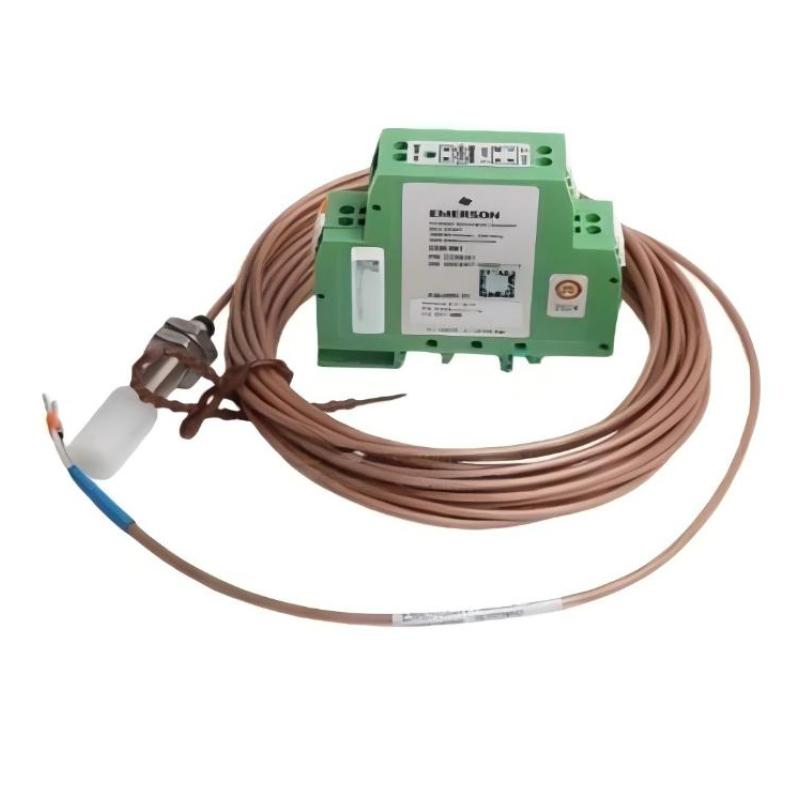
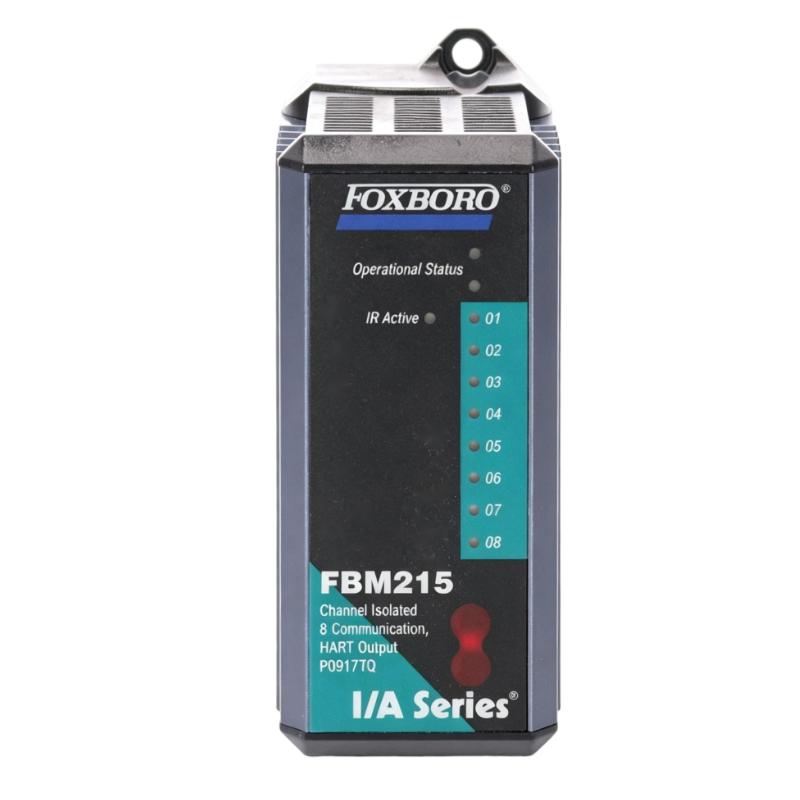
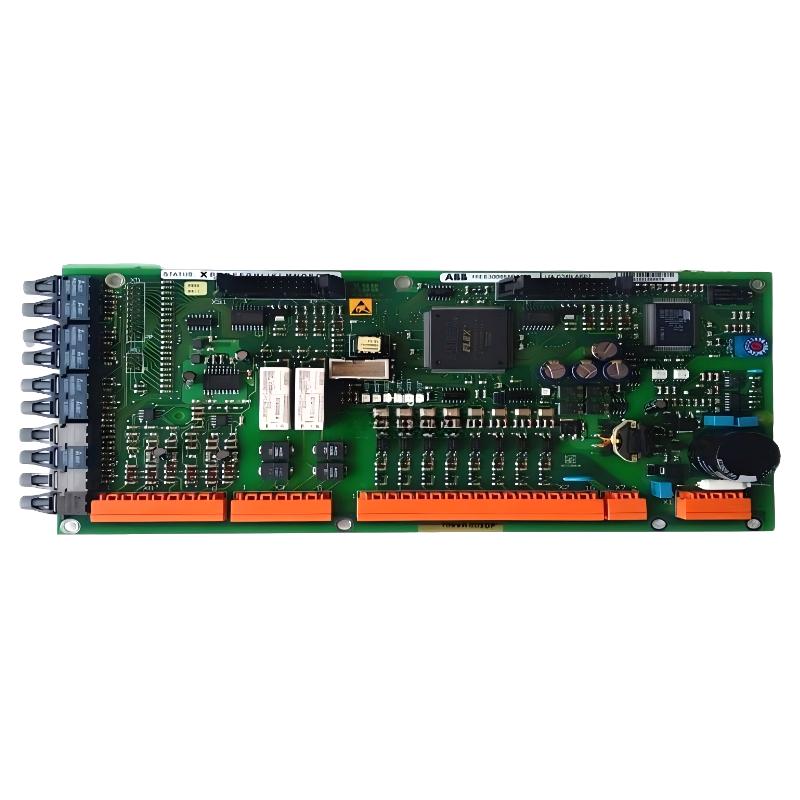
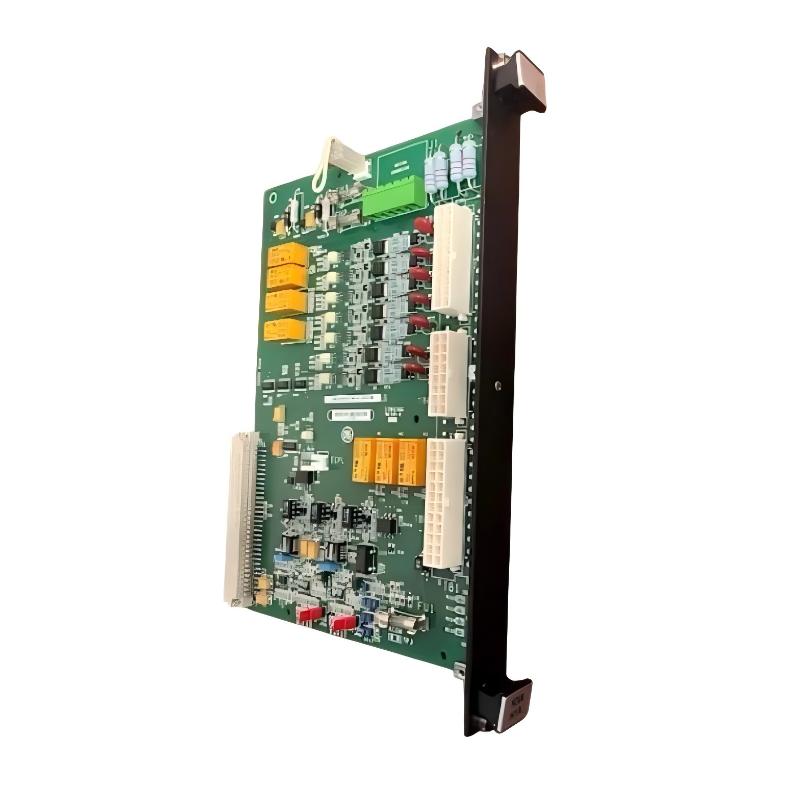
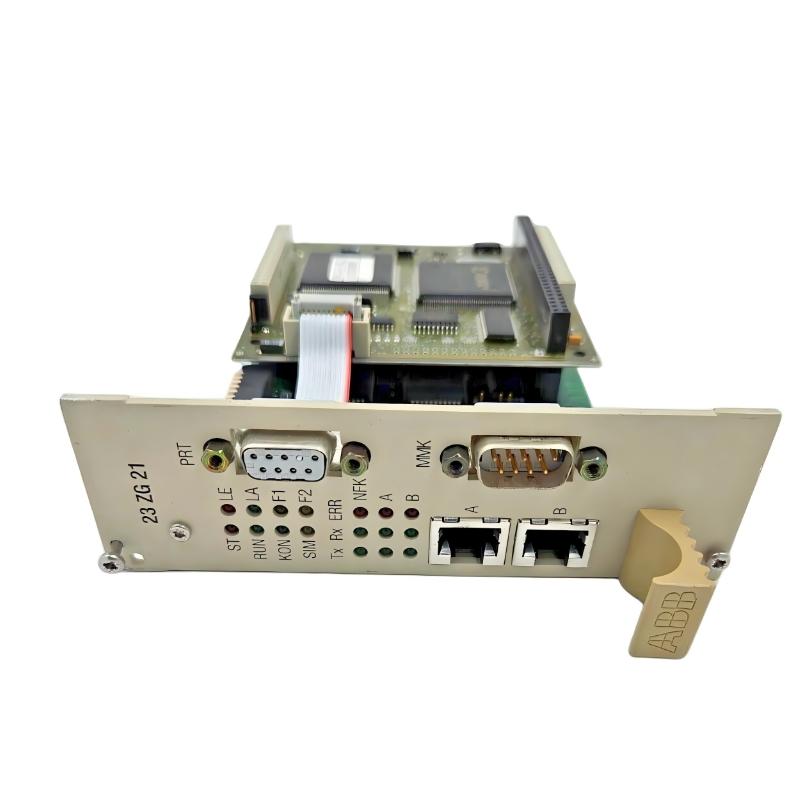
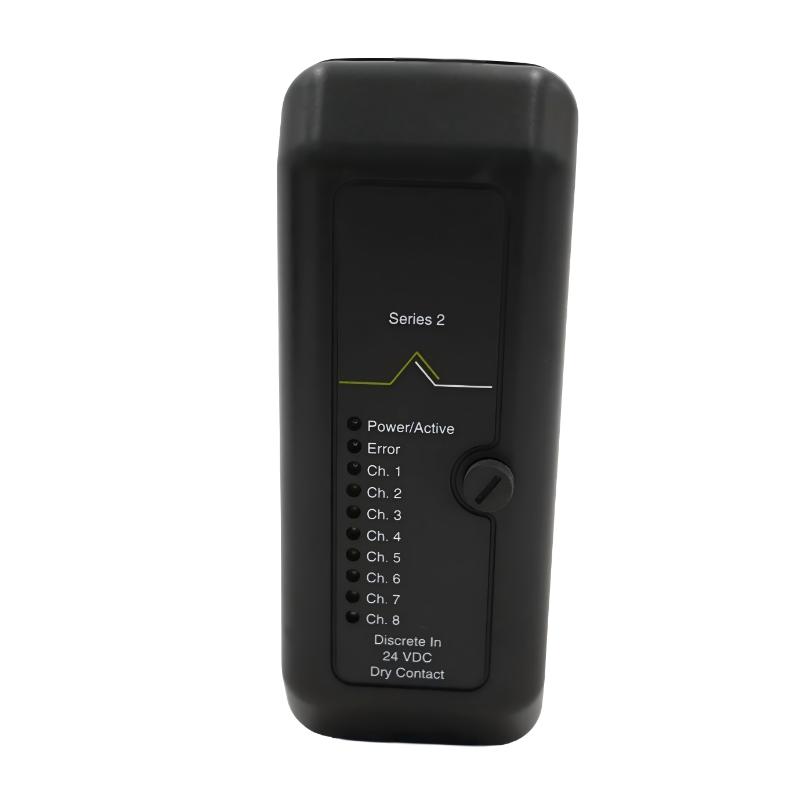
Brand:Emerson Module Item No.:KJ3001X1-BH1 Product Origin:USA Product Dimensions:107 x 41 x 105 mm Product Weight:0.181 kg Payment:T/T, Western Union, Credit Card Goods_stock:15 Shipping Port:Xiamen, China Lead Time:1-3 Days Condition:Brand New And Original Warranty:1 Year Certificate:COO
The Emerson KJ3001X1-BH1 Output Module is a reliable interface for industrial automation systems, translating control instructions into actionable outputs for field devices. It provides accurate, stable, and scalable output capabilities, ensuring smooth operation of process equipment and supporting advanced control strategies.
Its robust industrial design and integration flexibility make it suitable for critical applications in chemical, petrochemical, energy, and manufacturing environments.
Technical Specifications
Parameter
Description
Manufacturer
Emerson
Model
KJ3001X1-BH1 Output Module
Product Type
Output Module
Dimensions
107 × 41 × 105 mm
Weight
0.181 kg
Function
Converts control signals to field outputs
Output Type
Digital / Analog (configurable)
Integration
Emerson Controllers / DCS Systems
Operating Environment
Industrial Process Control and Automation
Recommended Related Models
Emerson KJ3001X1-BH2 — Output Module
Emerson KJ3001X1-BH3 — Output Module
Emerson KJ3001X1-BH4 — Output Module
Emerson KJ3001X1-BH5 — Output Module
Popular Related Models
Emerson KJ2005X1-MQ2 — Controller
Emerson KJ2002X1 — I/O Expansion Module
Emerson KJ2001X2 — Analog Input Module
Emerson KJ2003X1 — Digital Output Module
Primary Applications
The Emerson KJ3001X1-BH1 Output Module is designed to convert control signals from a central controller into actionable outputs for industrial devices. It ensures precise actuation of relays, valves, and other equipment, enabling effective process control in automation systems.
Typical applications include:
Controlling valves, pumps, motors, and actuators in industrial automation
Integration with Emerson DCS and process control systems
Expanding digital or analog output channels in control panels
Supporting process interlocks, safety logic, and alarm systems
Retrofitting or upgrading existing output networks for increased reliability
Managing discrete and analog outputs in chemical, petrochemical, and energy plants
Key Advantages
Provides accurate and reliable signal output for field devices
Seamless integration with Emerson controllers and DCS systems
Supports both analog and digital output applications
Industrial-grade construction ensures long-term stability in harsh environments
Scalable design allows expansion of output capacity as needed
Enhances process efficiency, control accuracy, and operational reliability
Technical FAQs
1. What is the primary function of the KJ3001X1-BH1 module?
It converts control instructions from a controller into precise outputs for actuators, relays, and other devices.
2. Is it compatible with Emerson DCS and controllers?
Yes, it integrates seamlessly with Emerson process automation systems.
3. Can it handle both digital and analog outputs?
Yes, it supports discrete digital signals as well as analog output signals depending on system configuration.
4. Does it support multiple output channels simultaneously?
Yes, it is designed to manage multiple outputs in parallel for process control applications.
5. How does it enhance process reliability?
By providing accurate and stable output signals, it ensures precise operation of connected field devices and reduces process variability.
6. Can it be used in safety-critical systems?
Yes, it supports process interlocks and safety logic when integrated with compatible controllers.
7. How does it support system scalability?
Additional output modules can be networked to increase the number of controlled devices without affecting system performance.
8. Does it provide fault detection or diagnostics?
Yes, it offers status monitoring and diagnostic capabilities to quickly identify output faults or failures.
9. Which industries typically use this module?
Chemical, petrochemical, power generation, oil & gas, and industrial manufacturing sectors.
10. How does it improve overall process control?
By delivering precise and reliable output signals, it ensures optimal performance of actuators and automated equipment, enhancing overall system efficiency.