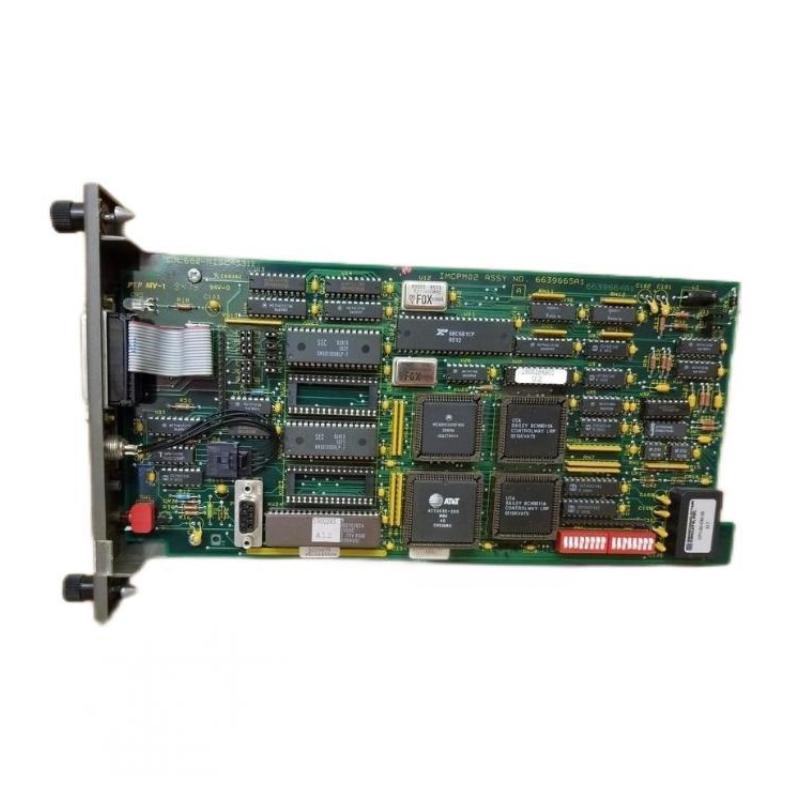
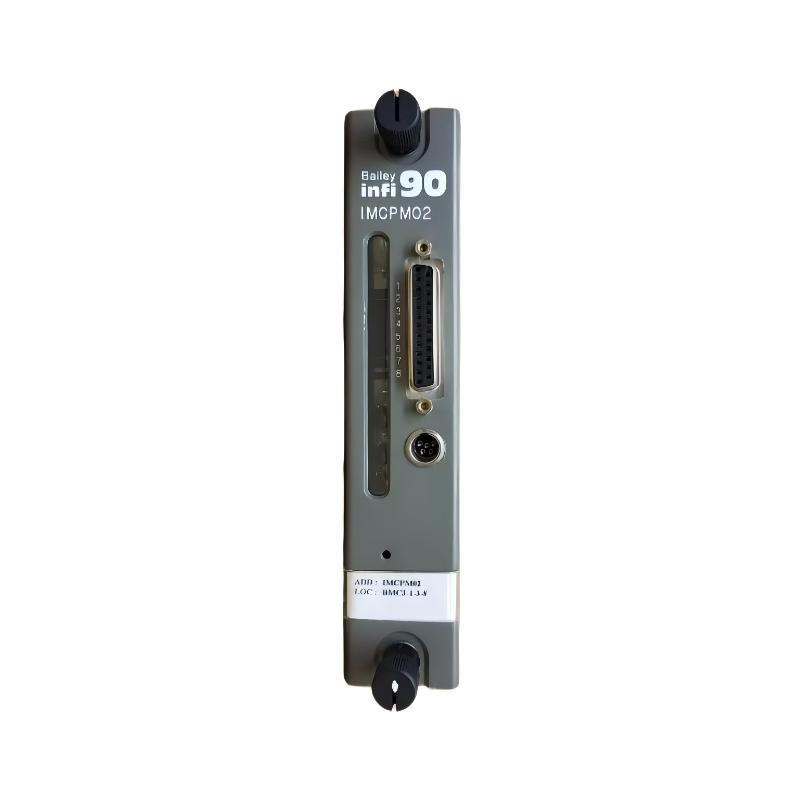
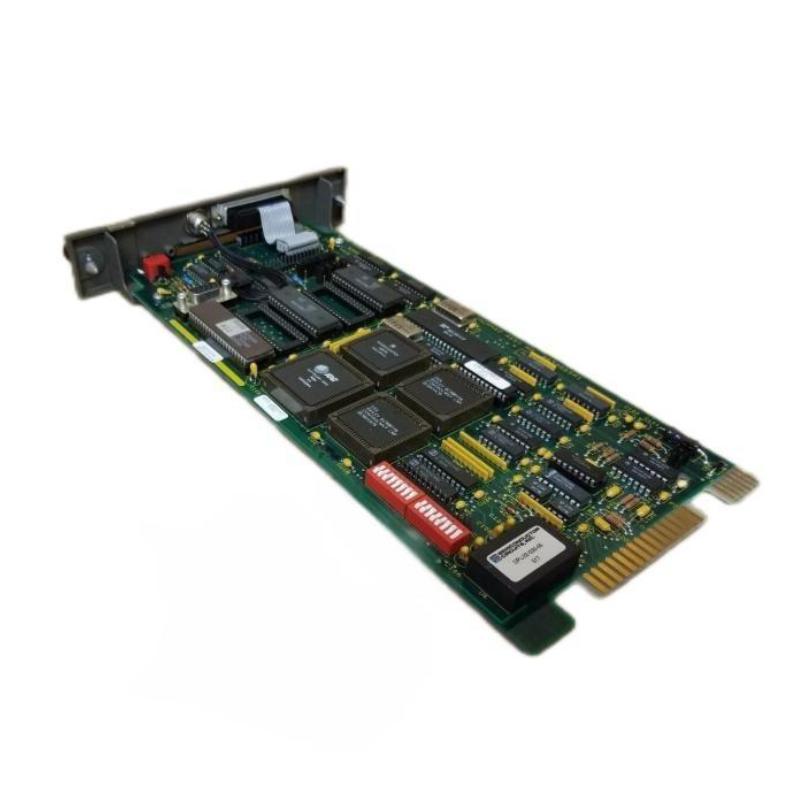
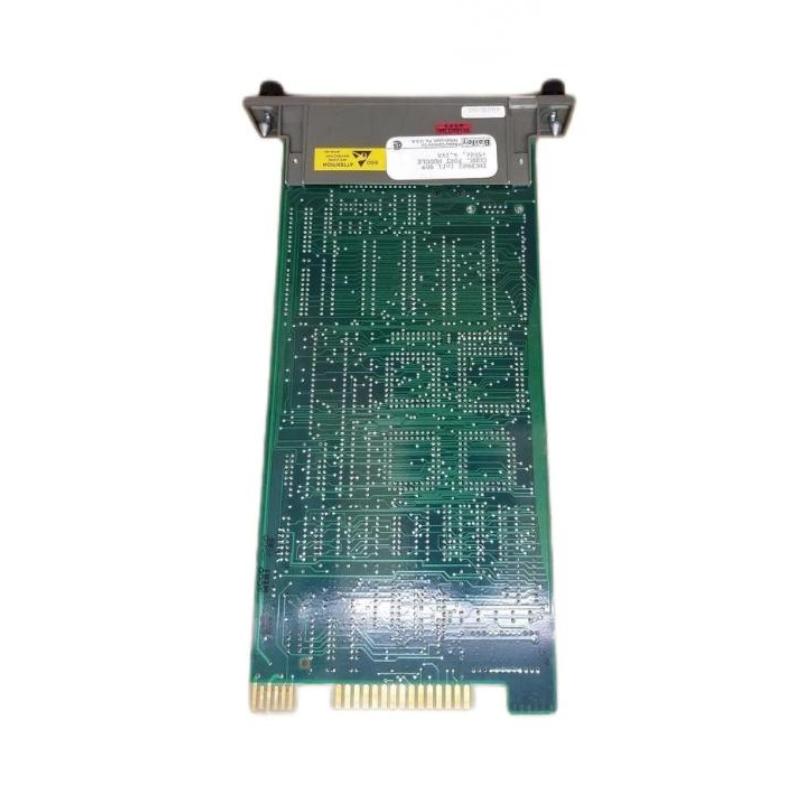
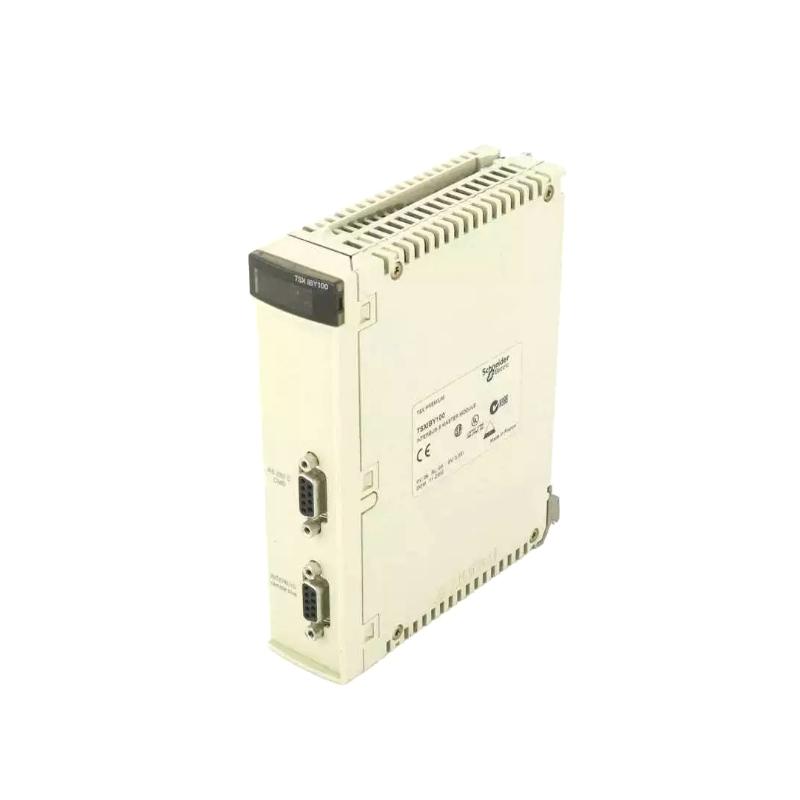
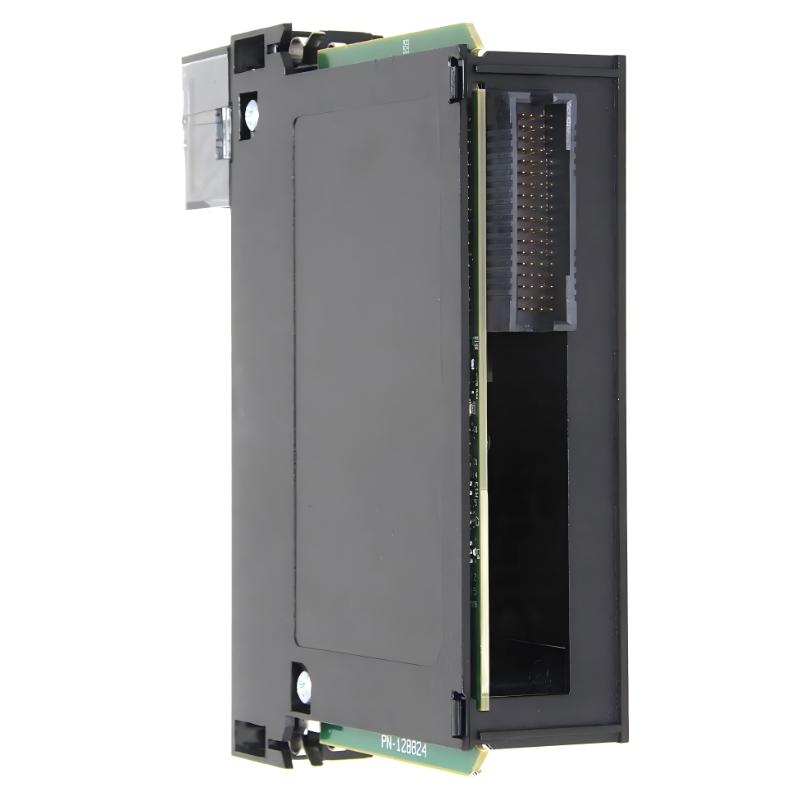
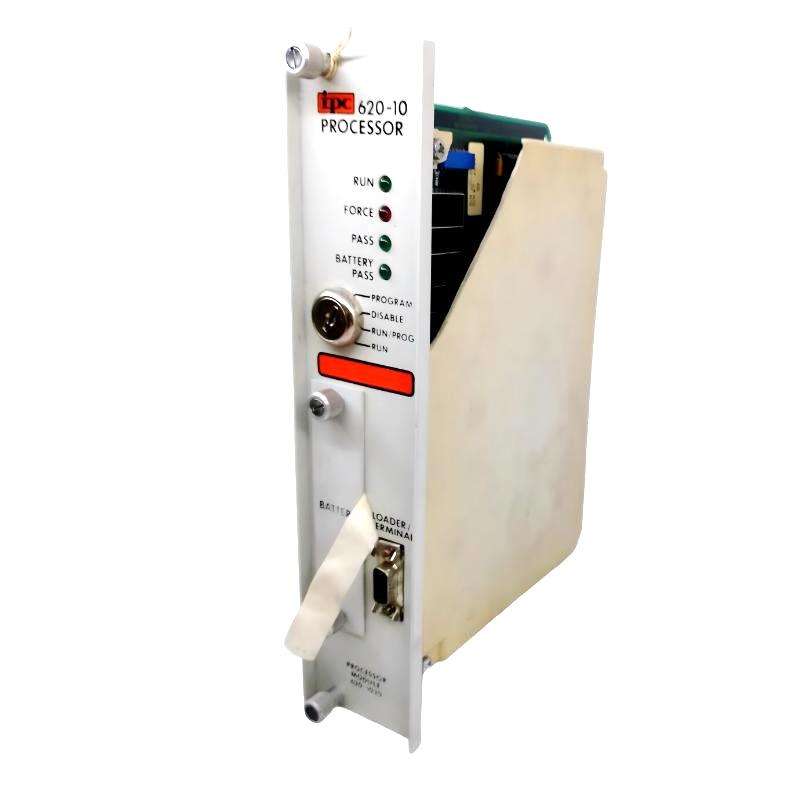
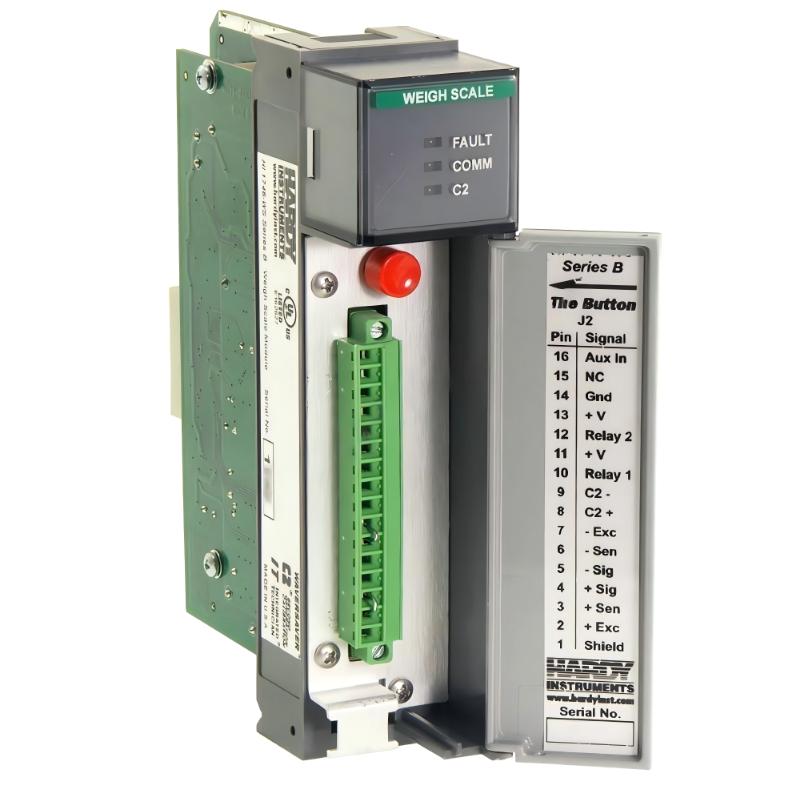
Brand:ABB Bailey Item No.:IMCPM02 Product Origin:Sweden (SE) Product Dimensions:27 x 112 x 160 mm Product Weight:0.363 kg Payment:T/T, Western Union, Credit Card Goods_stock:15 Shipping Port:Xiamen, China Lead Time:1-3 Days Condition:Brand New And Original Warranty:1 Year Certificate:COO
The ABB Bailey IMCPM02 Communication Port Module provides a reliable interface for data exchange between ABB Bailey control and instrumentation modules. Its compact 27 × 112 × 160 mm design and durable construction make it ideal for integration into industrial control panels and DCS networks.
Technical Specifications
Parameter
Specification
Product Model
IMCPM02
Product Type
Communication Port Module
Dimensions
27 × 112 × 160 mm
Weight
0.363 kg
Housing Material
Industrial-grade plastic and metal enclosure
Mounting
Panel or DIN-rail installation
Connection Interface
ABB Bailey communication ports for DCS integration
Environmental Protection
Dust-resistant, vibration-tolerant design
Operating Temperature
Industrial ambient temperature range
Module Form Factor
Slim, rectangular module for compact panel layouts
Recommended Related Models
IMCPM01 — Standard communication port module for ABB Bailey DCS
IMCPM03 — Multi-port communication module for advanced connectivity
IMCPM04 — High-speed communication interface module
IMCPM05 — Redundant communication port module for industrial automation
Popular Related Models
IMCIM01 — Control I/O master module for ABB Bailey DCS
IMCIS12 — Control I/O slave module for industrial panels
IMASM03 — Analog input slave module for process instrumentation
IMASI13 — Analog input module for ABB Bailey DCS systems
Typical Industrial Applications
Providing communication interfaces in ABB Bailey distributed control systems (DCS)
Enabling data transfer between control modules and field devices
Integration into industrial control panels for process automation
Supporting turbine, generator, and pump instrumentation systems
Facilitating modular upgrades and replacements in control cabinets
Enabling remote monitoring and control of industrial processes
Standardized installation for ABB Bailey DCS communication networks
Supporting predictive maintenance and real-time system diagnostics
Key Advantages
Reliable communication interface for ABB Bailey modules
Compact design suitable for installation in constrained panel spaces
Robust construction for industrial operating environments
Simplifies integration, replacement, and maintenance of communication links
Supports multiple communication protocols for flexible system connectivity
Organized connection points for efficient cabling and wiring
Reduces downtime during system upgrades or network modifications
Fully compatible with ABB Bailey DCS and automation modules
Technical FAQs
1. What is the main function of the IMCPM02 module?
It serves as a communication port module, enabling data exchange between control modules and other system devices.
2. Which systems is the module compatible with?
It is designed for ABB Bailey distributed control systems and compatible communication networks.
3. Can it operate in industrial environments?
Yes, it is built to withstand vibration, temperature variations, and dust.
4. What is the module’s approximate weight?
The IMCPM02 weighs approximately 0.363 kg.
5. What type of connections does it support?
It supports standard ABB Bailey communication interfaces for master-slave and peer-to-peer data transfer.
6. Does it simplify maintenance activities?
Yes, its compact and modular design allows easy replacement or upgrade without system downtime.
7. Can it support multiple communication links?
Yes, it enables simultaneous connections between several control modules and devices.
8. Is it suitable for real-time process monitoring?
Absolutely, it ensures reliable data transfer for real-time control and monitoring applications.
9. How does it contribute to system reliability?
By providing consistent communication between modules, it ensures accurate and timely data exchange across the system.
10. Is it suitable for turbine and generator control panels?
Yes, it is commonly used to enable communication between instrumentation modules in turbines, generators, and other industrial systems.