Honeywell DCS

  1. Home
  2. Products
  3. Honeywell DCS
  4. Honeywell 621-3560 Input Module
Honeywell 621-3560 Input Module

Honeywell 621-3560 Input Module

0.0
Points

Brand:Honeywell DCS
Item No.:621-3560
Product Origin:USA
Product Dimensions:120 × 30 × 150 mm
Product Weight:0.4 kg
Payment:T/T, Western Union, Credit Card
Goods_stock:15
Shipping Port:Xiamen, China
Lead Time:1-3 Days
Condition:Brand New And Original
Warranty:1 Year
Certificate:COO

Add to cart

Product Introduction

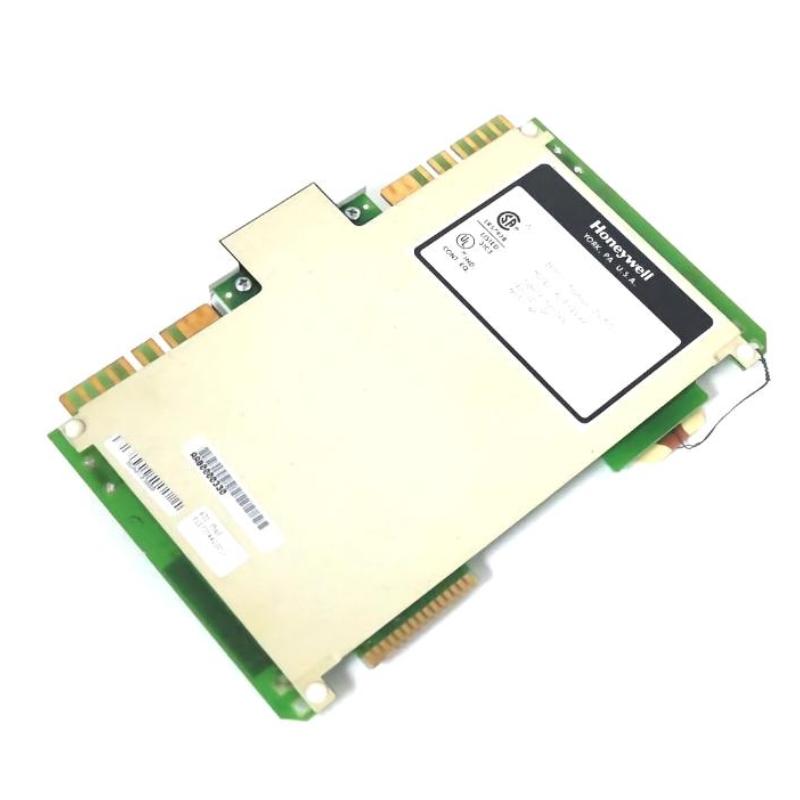
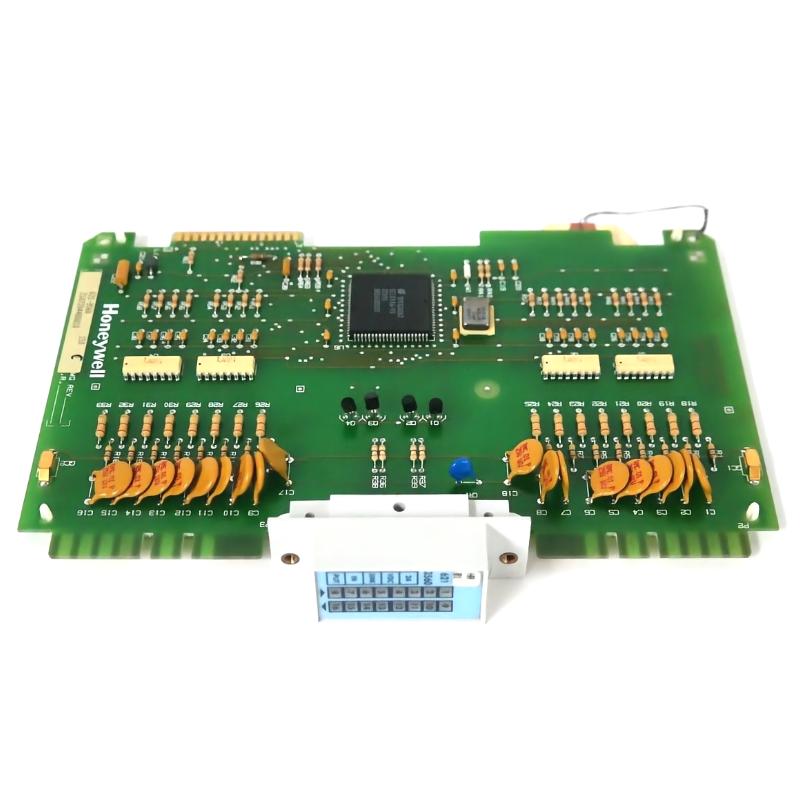
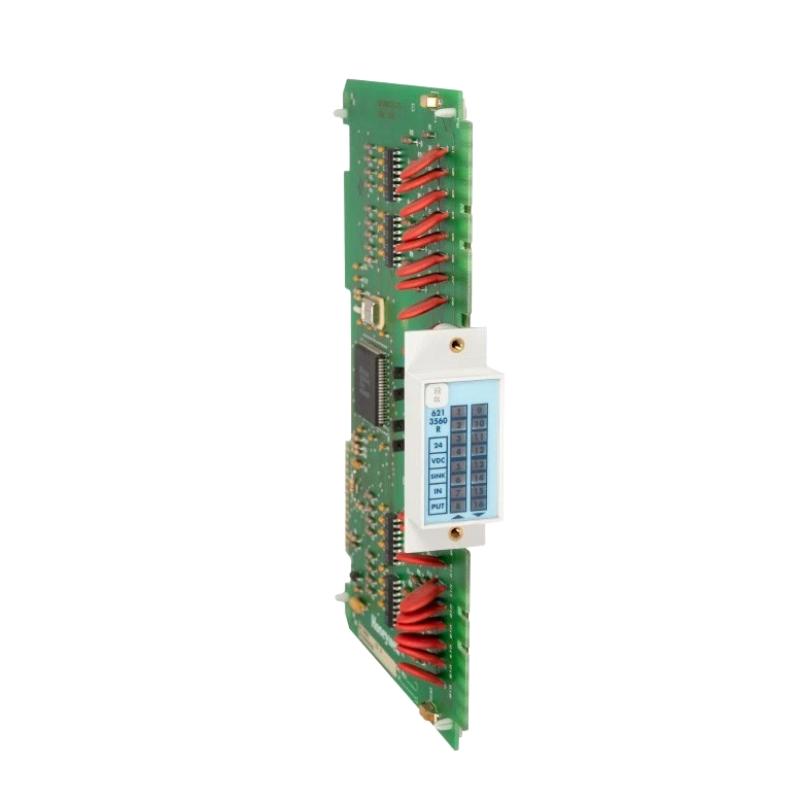
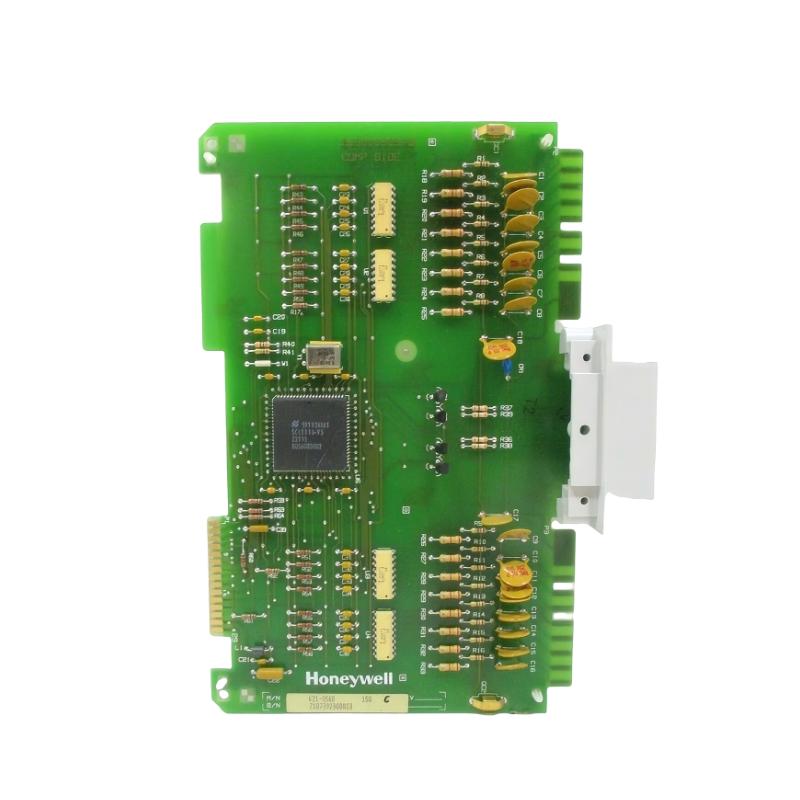
The Honeywell 621-3560 Input Module is designed to provide dependable signal acquisition for industrial automation systems. Acting as the interface between field instrumentation and control platforms, it ensures accurate monitoring of process conditions and equipment status. With a compact design and durable construction, this module integrates easily into control cabinets and delivers reliable performance across demanding industrial applications. Its ability to support continuous operation makes it a practical solution for modern automation environments requiring stable and efficient input signal processing.


Technical Specifications

SpecificationDetails
Model621-3560
Dimensions120 × 30 × 150 mm
Weight0.4 kg
Module TypeInput Module
InstallationControl Cabinet / Automation Rack
ApplicationSignal Acquisition, Industrial Automation
Operating EnvironmentManufacturing, Energy, Process Industries

Recommended Related Models

  • Honeywell 621-0307 High-speed Counter Module

  • Honeywell 621-3550 Digital Input Module

  • Honeywell 621-2150 I/O Interface Module

  • Honeywell HC900 Controller I/O Module


Popular Related Models

  • Honeywell 621-3565 Input Module

  • Honeywell 621-3562 Industrial Input Module

  • Honeywell 621-3555 Digital Signal Module

  • Honeywell 621-2155 Control I/O Module

Where It’s Commonly Used

  • Industrial Control Systems: Interfaces field sensors with Honeywell PLC and control platforms to collect operational data.

  • Process Monitoring Applications: Widely used in chemical plants, refineries, and manufacturing facilities to monitor process variables.

  • Automation Cabinets: Installed in control panels to receive input signals from switches, transmitters, and other field devices.

  • Machine Status Monitoring: Tracks operational signals from machinery, ensuring accurate system response and diagnostics.

  • Plant System Expansion: Suitable for increasing I/O capacity during system upgrades or modernization projects.


Key Advantages

  • Reliable Signal Acquisition: Accurately receives input signals from field instrumentation and machinery.

  • Industrial Durability: Designed to perform consistently under vibration, electrical noise, and temperature fluctuations.

  • Compact Cabinet Integration: Slim profile helps maximize control panel space efficiency.

  • Seamless Honeywell Compatibility: Integrates smoothly with Honeywell PLC and automation architectures.

  • Stable Long-Term Operation: Engineered for continuous performance in mission-critical industrial environments.

  • Flexible Application Range: Supports diverse automation and monitoring scenarios across industries.


Technical FAQs

  1. What is the primary purpose of the 621-3560 input module?
    It receives signals from field devices and transfers them to the control system for monitoring and processing.

  2. What types of devices can connect to this module?
    Sensors, switches, transmitters, and other field instrumentation commonly used in industrial automation.

  3. Can the module operate continuously in industrial plants?
    Yes, it is designed for stable 24/7 operation in demanding environments.

  4. Which Honeywell systems typically use this module?
    It integrates with Honeywell PLC and distributed control platforms used in industrial automation.

  5. Where is the module usually installed?
    Inside automation racks or control cabinets within industrial facilities.

  6. How does it improve process monitoring?
    By providing accurate input signal collection, it ensures reliable data for process control decisions.

  7. Can it be used when expanding an existing system?
    Yes, it can be added to increase the number of input channels in a control system.

  8. What industries commonly deploy this module?
    Manufacturing, energy production, chemical processing, and large-scale automation environments.

  9. Does the module require special wiring infrastructure?
    No, it is designed to connect with standard industrial wiring used in automation systems.

  10. How does this module contribute to system reliability?
    By maintaining stable signal communication between field devices and the controller.


Look forward to your comments!Comment
Latest comments
Tags:
Need Assistance? Chat with Us on WhatsApp!
Need Assistance? Click to Inquire
Back to top