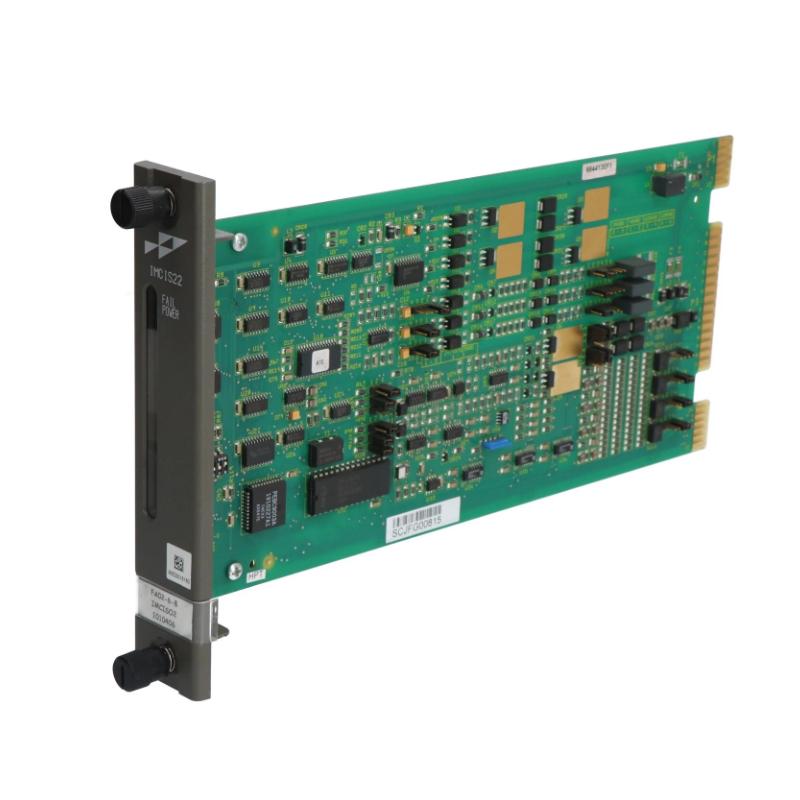
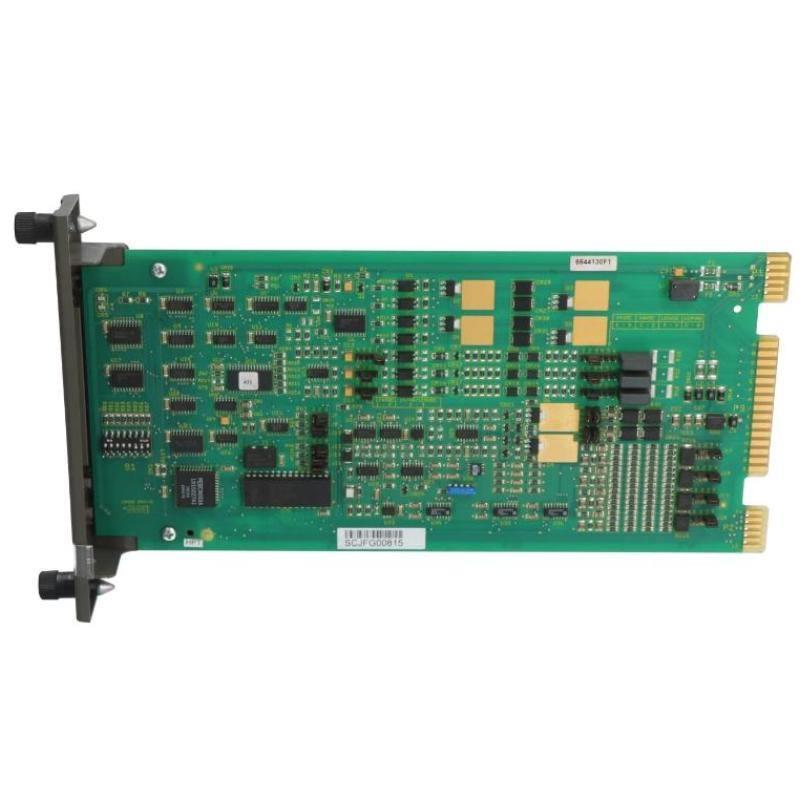
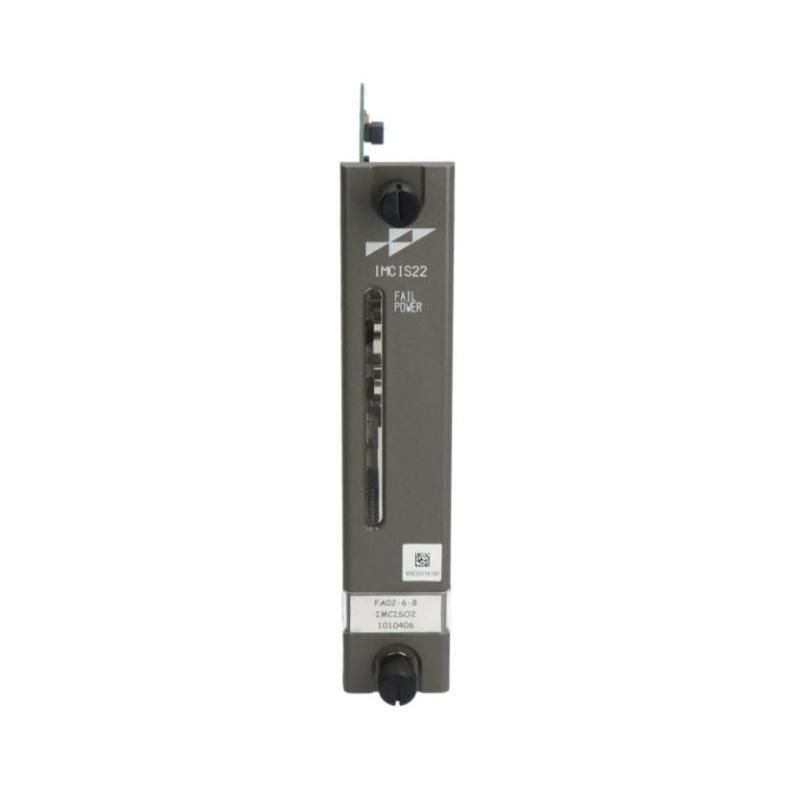
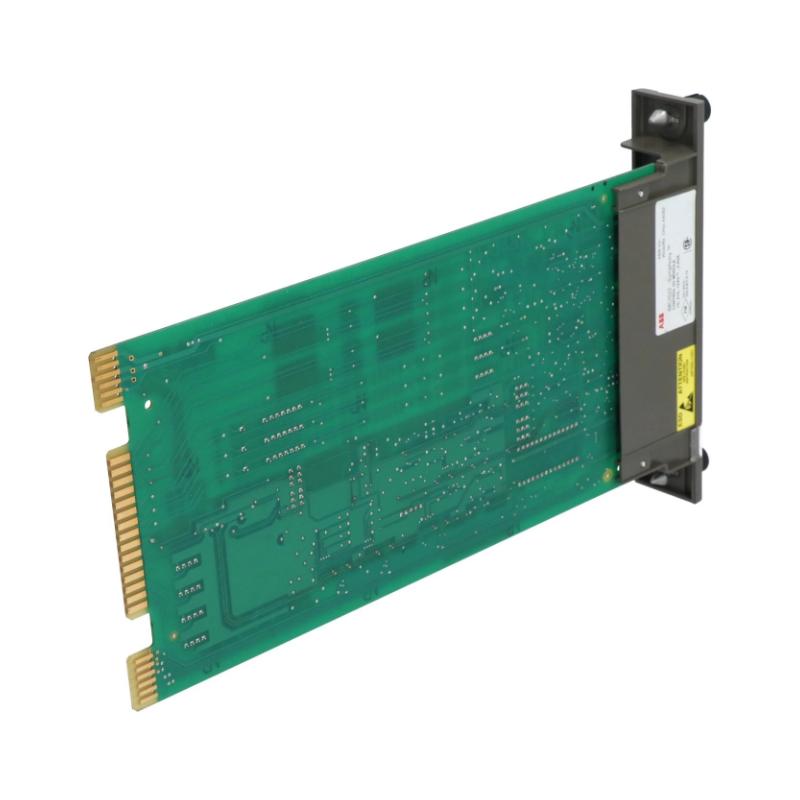
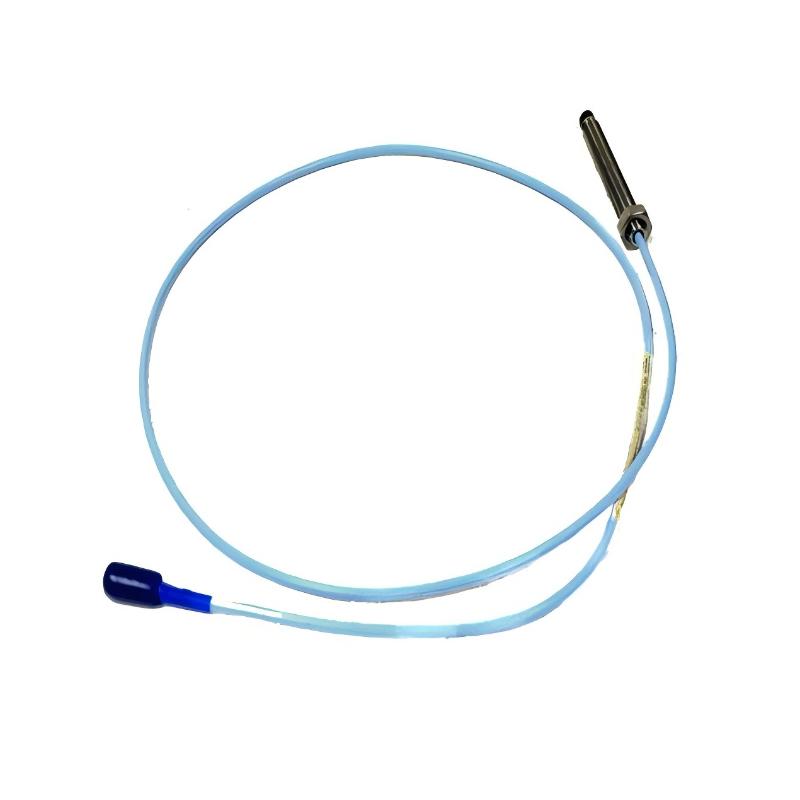
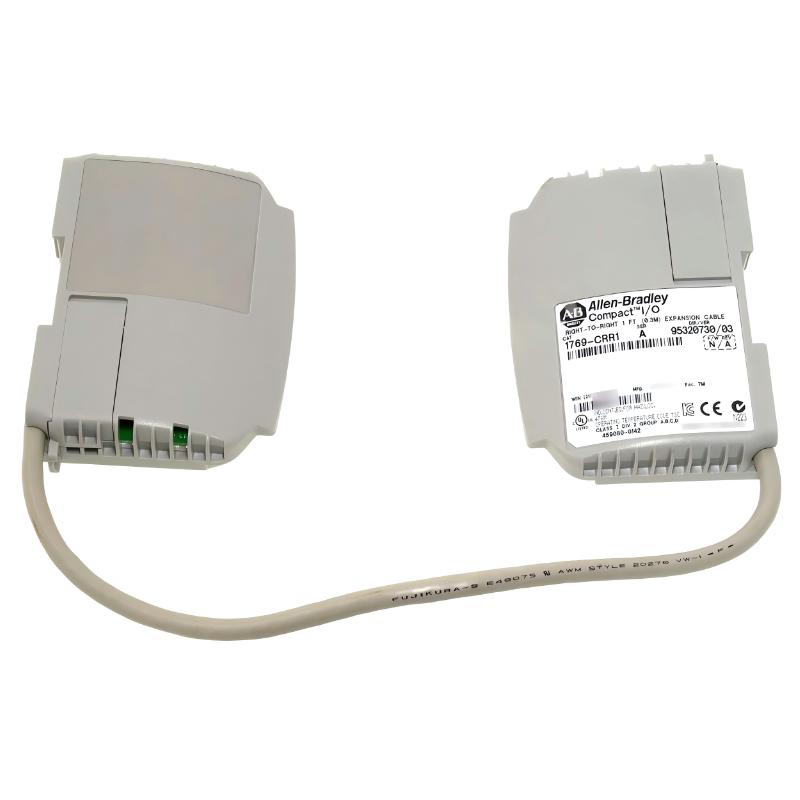
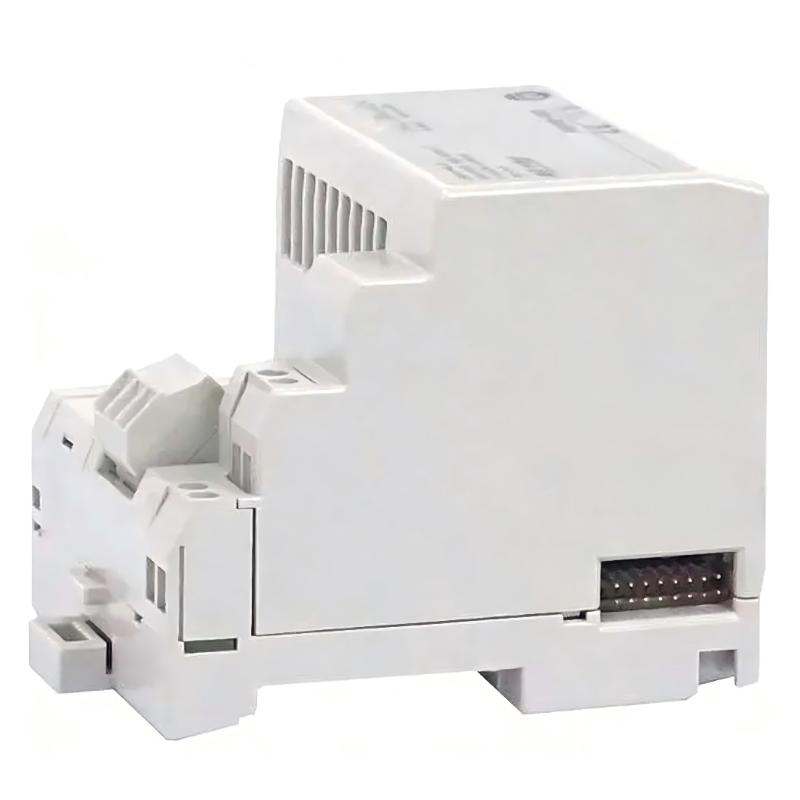
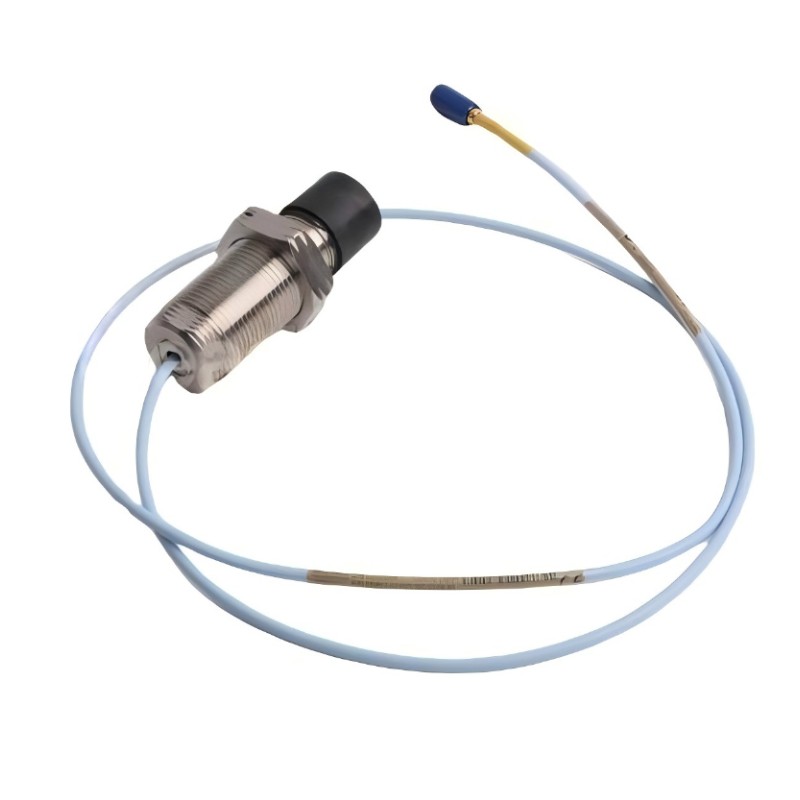
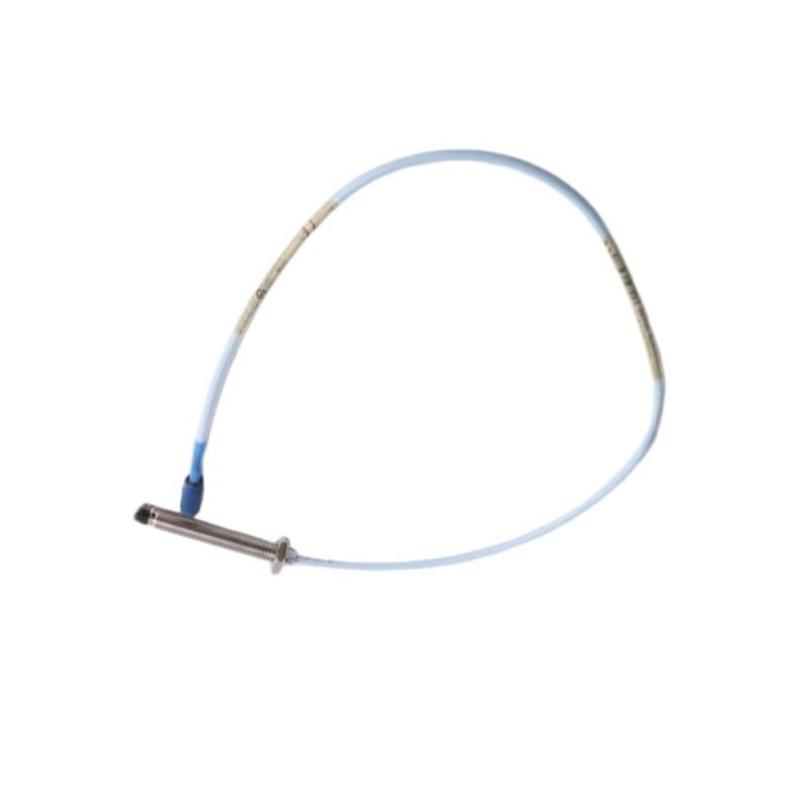
Brand:ABB Bailey Item No.:IMCIS22 Product Origin:Sweden (SE) Product Dimensions:200 x 160 x 40 mm Product Weight:0.2 kg Payment:T/T, Western Union, Credit Card Goods_stock:15 Shipping Port:Xiamen, China Lead Time:1-3 Days Condition:Brand New And Original Warranty:1 Year Certificate:COO
The ABB Bailey IMCIS22 Control I/O Slave Module is engineered for modern industrial automation requiring reliable and flexible I/O management. Combining digital and analog signal support, it delivers precise control for a variety of processes. Its compact size, robust design, and seamless compatibility with both legacy and modern ABB systems make IMCIS22 ideal for upgrades, new installations, and high-precision process applications. Advanced diagnostics ensure operational efficiency, minimize downtime, and support predictive maintenance initiatives.
Technical Specifications
Parameter
Specification
I/O Channels
Up to 16 channels
Supported Signals
Digital I/O and Analog signals
Response Time
10 ms per channel
Channel Isolation
Galvanic isolation per channel
Operating Temperature
-20°C to +70°C
Humidity
5–95% non-condensing
Power Supply
24 V DC ±10%
Weight
0.2 kg
Dimensions
200 × 160 × 40 mm
Recommended Related Models
Model
Description
IMCIS23
Control I/O module with extended channel capacity
IMCIS25
High-precision I/O module with advanced diagnostics
IMASI23
Analog input module compatible with IMCIS22
IMASO11
Analog output slave module for integrated control
Popular Related Models
Model
Description
IMCIS22
Standard control I/O slave module
IMCIS21
Compact I/O module for general process control
IMCIS30
High-density I/O module with fast response
IMCIS24
Diagnostic-enhanced I/O module for predictive monitoring
Applications
• Industrial Process Automation: Provides reliable control I/O signals for complex automation systems.
• Energy & Utilities: Suitable for power plants, substations, and renewable energy facilities for digital and analog I/O control.
• Chemical & Pharmaceutical Production: Ensures precise monitoring and control of process equipment.
• Automation System Upgrades: Perfect for replacing legacy control modules in ABB Bailey and modern DCS architectures.
• Laboratory & Pilot Plants: Supports high-precision control for R&D and testing environments.
Key Advantages
• Versatile I/O Support: Handles both digital and analog signals for flexible control system integration.
• Seamless ABB Compatibility: Works with legacy Bailey systems and modern ABB DCS platforms.
• Compact and Robust: Durable construction tolerates vibration, electrical noise, and temperature fluctuations.
• Advanced Diagnostics: Monitors module health and detects signal faults to minimize downtime.
• Rapid Deployment: Simple configuration and fast commissioning streamline installation and maintenance.
Technical FAQs
Q1: What types of signals does IMCIS22 support?
It supports both digital inputs/outputs and analog signals for versatile process control.
Q2: How many I/O channels are available?
IMCIS22 provides up to 16 I/O channels per module depending on configuration.
Q3: What is the typical response time for outputs?
Outputs update within approximately 10 ms per channel for real-time control.
Q4: Is there electrical isolation between channels?
Yes, galvanic isolation is provided per channel to ensure signal integrity.
Q5: Can IMCIS22 integrate with legacy ABB Bailey systems?
Yes, it is fully backward compatible and works seamlessly with modern ABB DCS platforms.
Q6: Does it include fault detection capabilities?
Yes, the module can detect open circuits, short circuits, and abnormal signal conditions.
Q7: What is the operating temperature range?
The module operates reliably from -20°C to +70°C.
Q8: Can field calibration or configuration be performed?
Yes, field calibration and configuration are supported without module removal.
Q9: How does the module handle electrical noise?
Internal filtering and support for shielded cables maintain accurate signal performance.
Q10: Can IMCIS22 feed data to predictive maintenance systems?
Yes, diagnostics can be integrated with condition monitoring platforms for predictive maintenance.