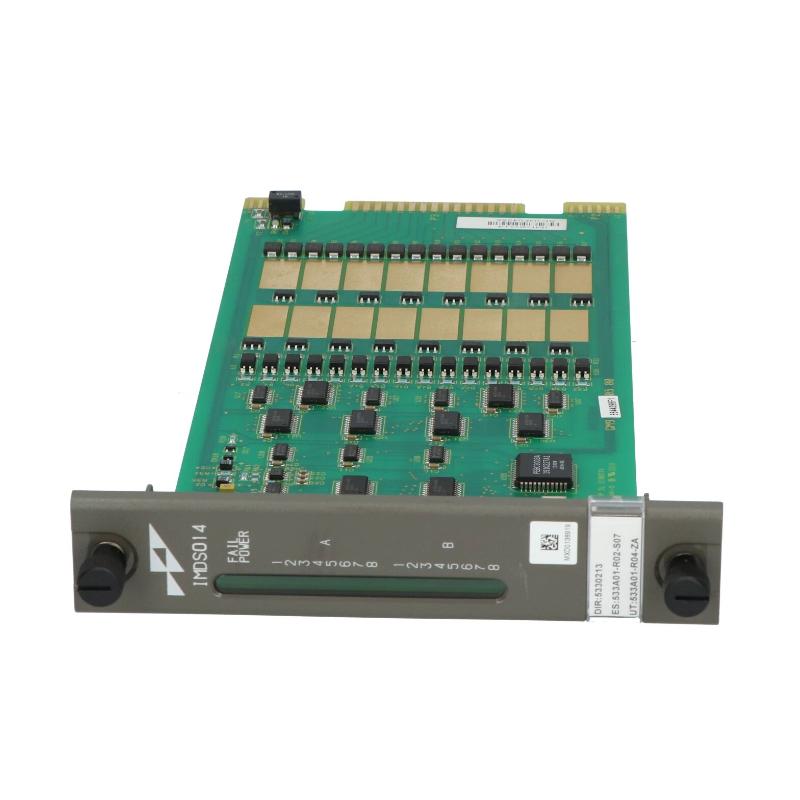
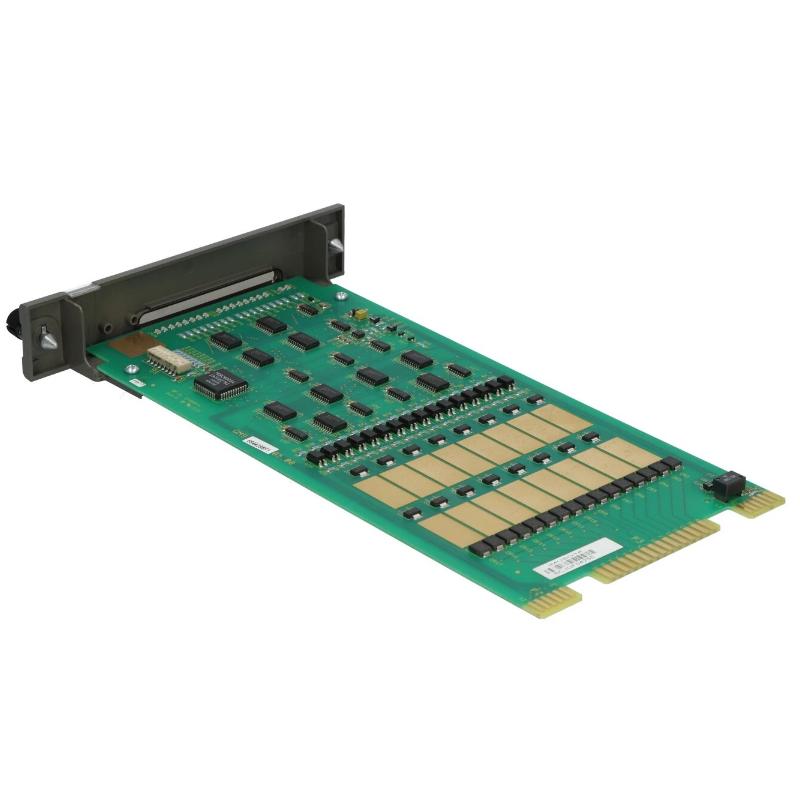
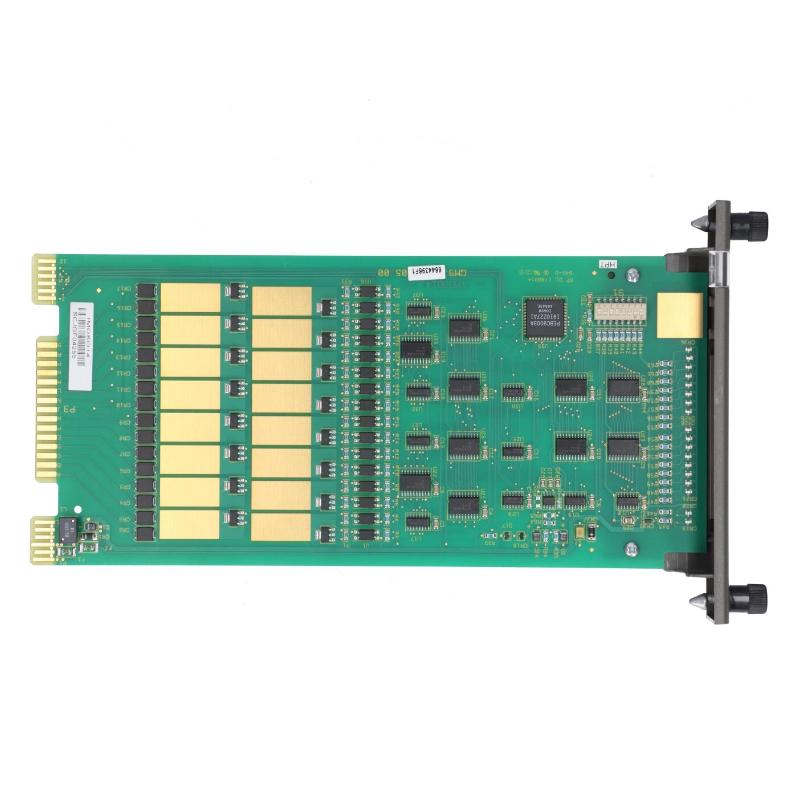
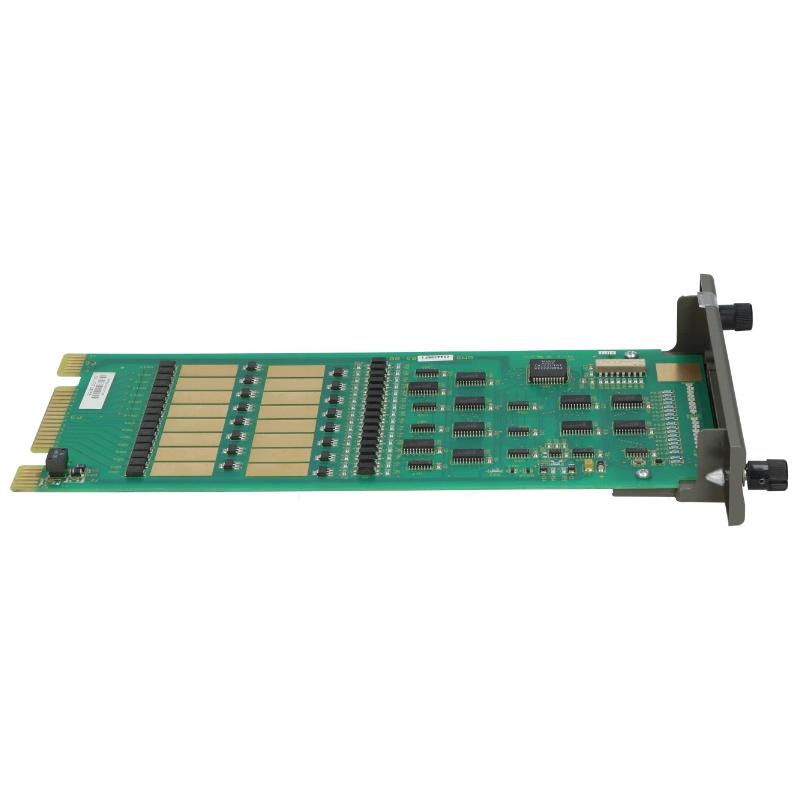
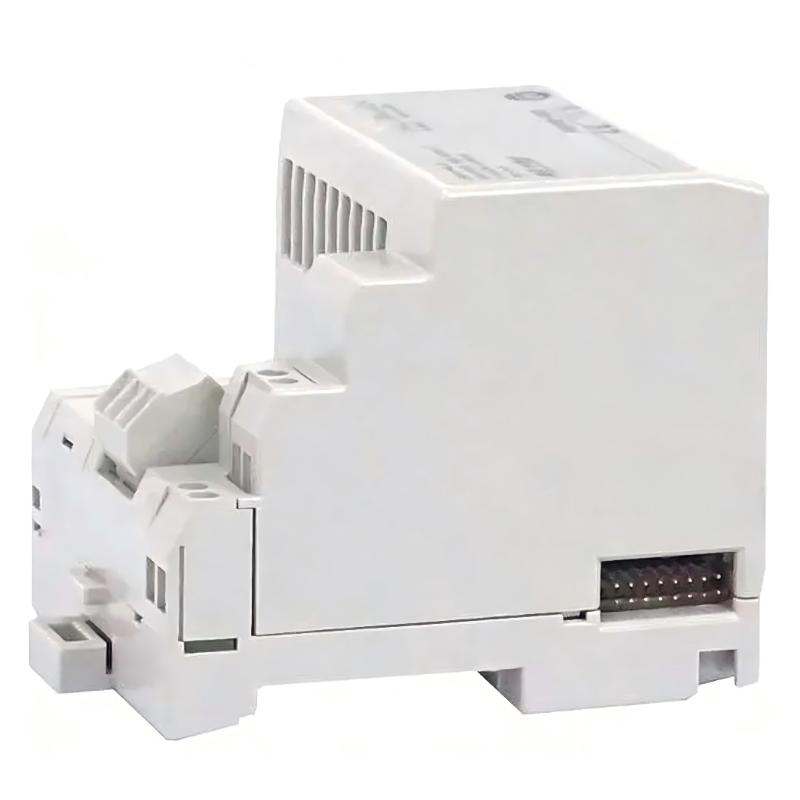
Brand:ABB Bailey Item No.:IMDSO14 Product Origin:Sweden (SE) Product Dimensions:130 x 80 x 40 mm Product Weight:0.5 kg Payment:T/T, Western Union, Credit Card Goods_stock:15 Shipping Port:Xiamen, China Lead Time:1-3 Days Condition:Brand New And Original Warranty:1 Year Certificate:COO
The ABB Bailey IMDSO14 Digital Output Slave Module is engineered for reliable, high-precision digital signal control in industrial automation. Designed for fast and accurate output transmission, it drives actuators, relays, and other devices with confidence. Its compact design, advanced diagnostic capabilities, and full compatibility with both legacy and modern ABB systems make IMDSO14 ideal for system upgrades, new installations, and high-reliability process control applications.
Technical Specifications
Parameter
Specification
Output Channels
Up to 16 digital outputs
Output Type
DC digital outputs
Response Time
5–10 ms per channel
Channel Isolation
Galvanic isolation per channel
Operating Temperature
-20°C to +70°C
Humidity
5–95% non-condensing
Power Supply
24 V DC ±10%
Weight
0.5 kg
Dimensions
130 × 80 × 40 mm
Recommended Related Models
Model
Description
IMDSO12
Digital output module with 8-channel configuration
IMDSO13
High-density digital output module for complex systems
IMDSO03
Standard digital output slave module
IMCIS22
Control I/O module compatible with IMDSO14
Popular Related Models
Model
Description
IMDSO14
Standard digital output slave module
IMDSO05
Fast-response digital output module
IMDSO07
Multi-channel digital output module for process control
IMCIS23
Control I/O module paired for hybrid digital/analog systems
Applications
• Industrial Automation: Delivers reliable digital outputs for controlling actuators, relays, and process devices in complex automation systems.
• Energy & Utilities: Ideal for power plants, substations, and renewable energy facilities requiring precise digital control.
• Manufacturing & Process Industries: Ensures dependable operation of production equipment and safety devices.
• Automation Upgrades: Perfect for replacing older digital output modules in ABB Bailey and modern DCS platforms.
• Laboratory & Testing Facilities: Supports accurate digital outputs for R&D, pilot plants, and testing applications.
Key Advantages
• Stable Digital Outputs: Ensures consistent, high-precision signals to maintain optimal device performance.
• Wide Compatibility: Seamlessly integrates with legacy ABB Bailey systems and modern ABB DCS platforms.
• Compact & Durable: Robust construction tolerates industrial vibration, electrical noise, and temperature changes.
• Built-in Diagnostics: Detects faults such as open circuits or short circuits to reduce downtime.
• Quick Installation: Simple configuration and commissioning streamline deployment and maintenance.
Technical FAQs
Q1: What digital output signals does IMDSO14 support?
The module supports DC digital outputs suitable for driving relays, actuators, and other field devices.
Q2: How many output channels are available?
IMDSO14 provides up to 16 digital output channels per module.
Q3: What is the typical response time for outputs?
Each channel updates in approximately 5–10 ms, allowing fast process control.
Q4: Does the module provide electrical isolation for channels?
Yes, galvanic isolation is provided per output channel to maintain signal integrity.
Q5: Can IMDSO14 work with legacy ABB Bailey systems?
Yes, it is backward compatible and integrates seamlessly with modern ABB DCS platforms.
Q6: Can it detect output faults automatically?
Yes, it monitors open circuits, short circuits, and abnormal load conditions.
Q7: What is the operational temperature range?
The module operates reliably between -20°C and +70°C.
Q8: Can field calibration or configuration be performed?
Yes, on-site calibration and configuration are supported without module removal.
Q9: How does the module manage electrical noise?
Internal filtering and shielded cabling ensure accurate digital output signals.
Q10: Can IMDSO14 integrate with predictive maintenance systems?
Yes, diagnostic outputs can feed into condition monitoring platforms to support predictive maintenance.