Bently Nevada PLC

  1. Home
  2. Products
  3. Bently Nevada PLC
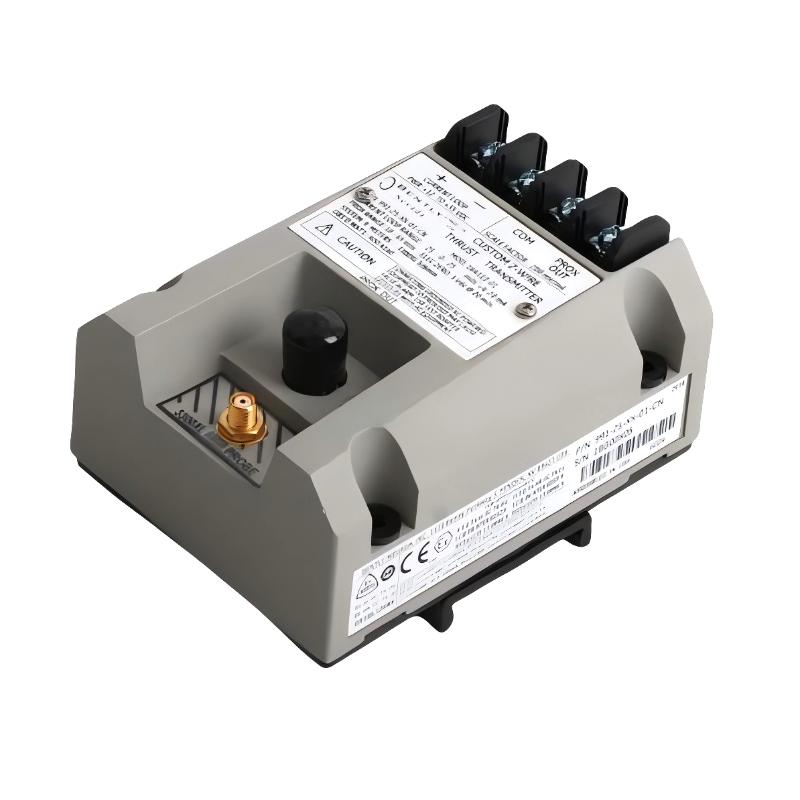
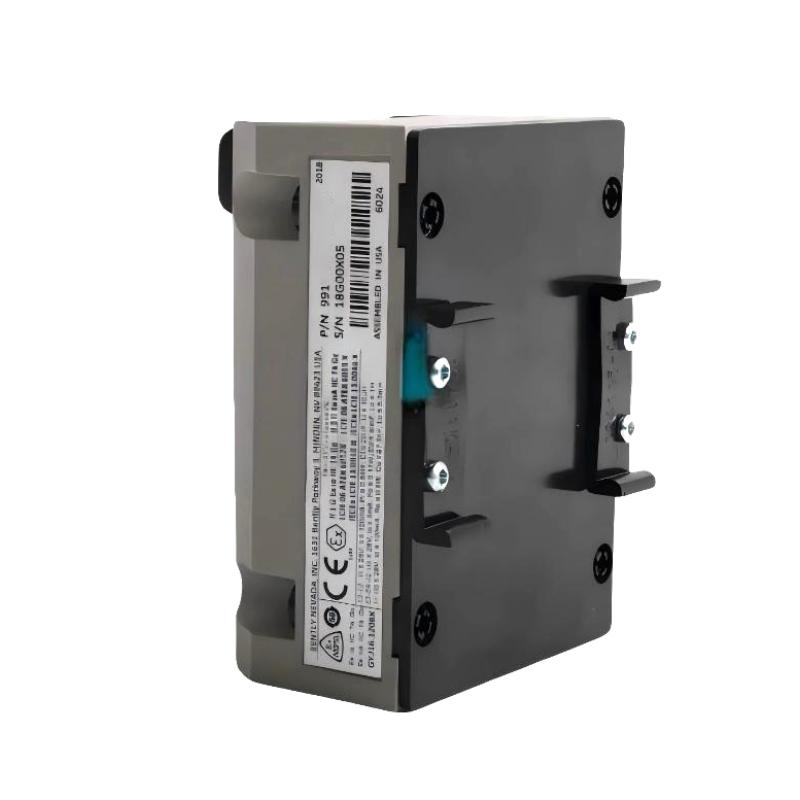
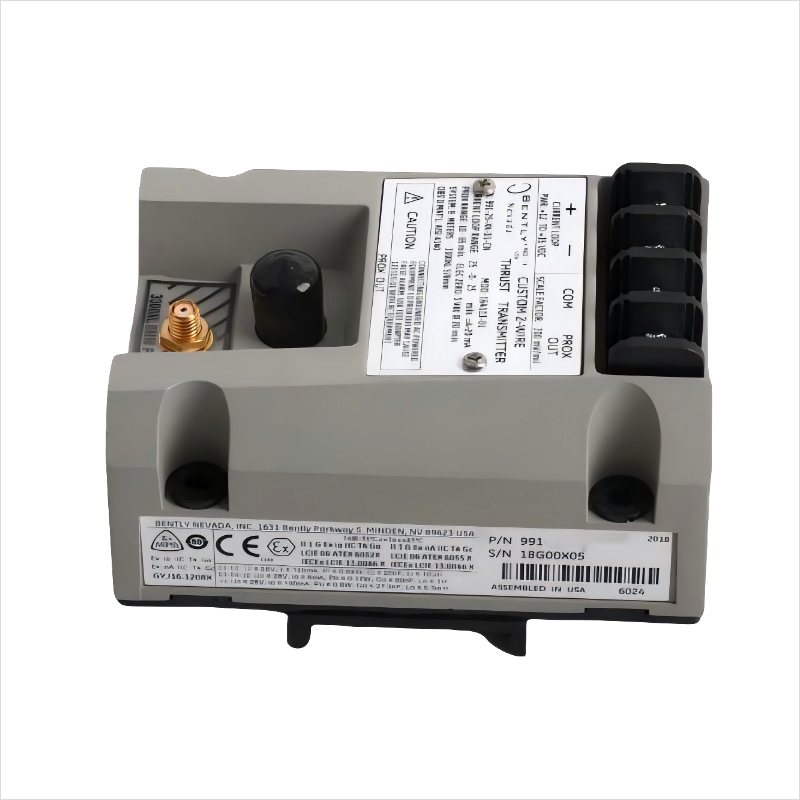
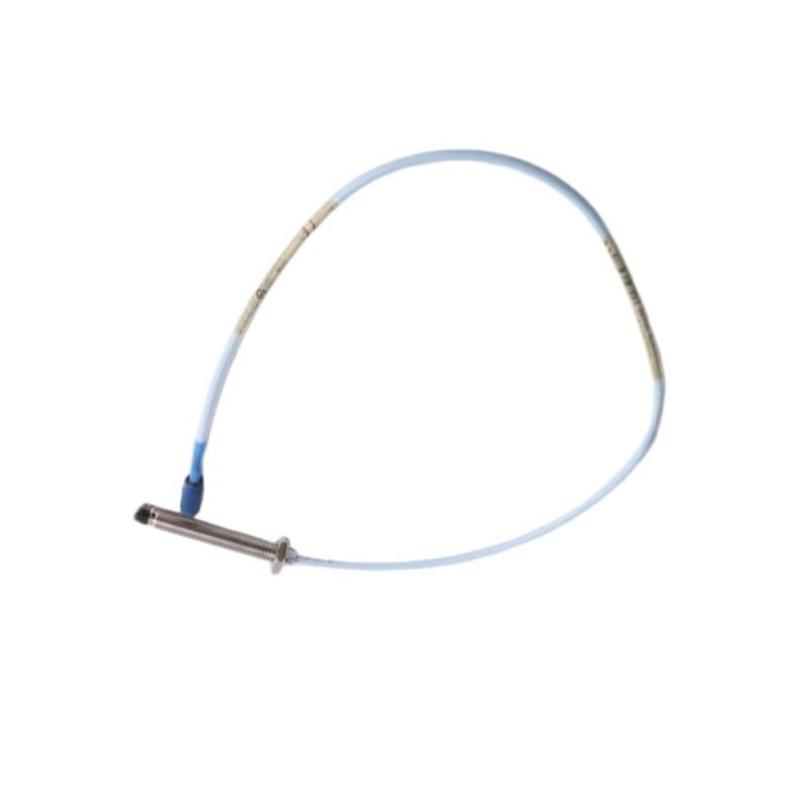
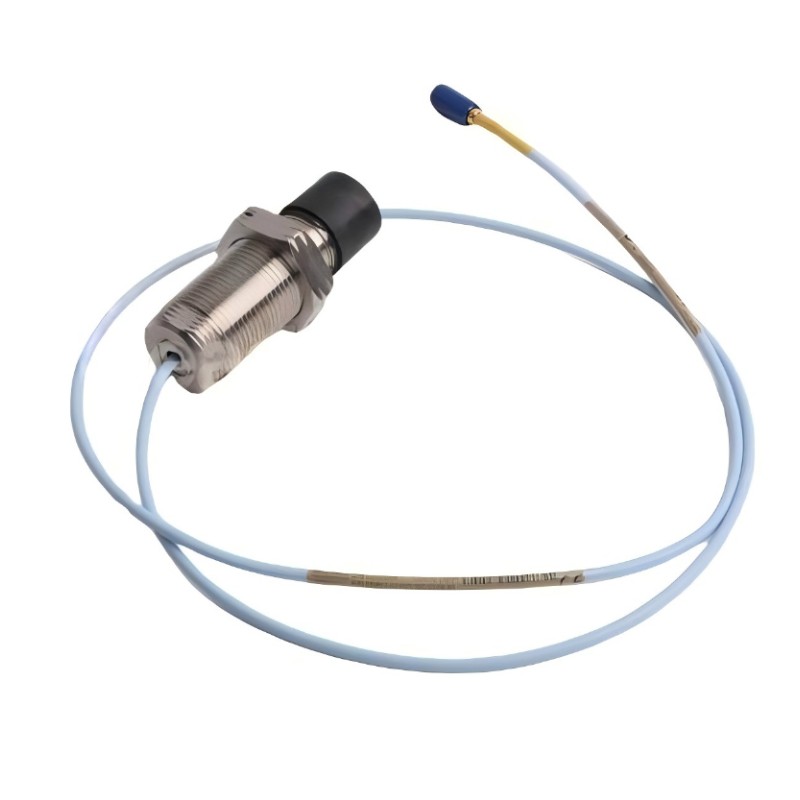
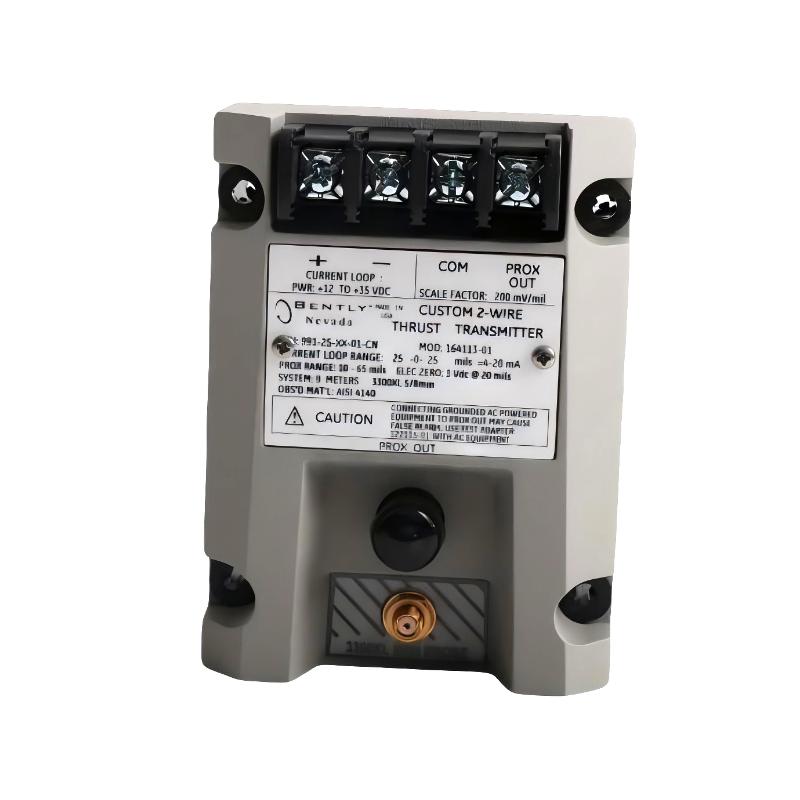
  4. Bently Nevada 991-05-70-01-01 991 Thrust Sensor
Bently Nevada 991-05-70-01-01 991 Thrust Sensor

Bently Nevada 991-05-70-01-01 991 Thrust Sensor

0.0
Points

Brand:Bently Nevada PLC
Item No.:991-05-70-01-01
Product Origin:USA
Product Dimensions:100.1 x 73.9 x 53.3 mm
Product Weight:0.43 kg
Payment:T/T, Western Union, Credit Card
Goods_stock:15
Shipping Port:Xiamen, China
Lead Time:1-3 Days
Condition:Brand New And Original
Warranty:1 Year
Certificate:COO

Add to cart

Introduction

The Bently Nevada 991-05-70-01-01 Thrust Sensor is designed to provide precise axial force measurements for rotating machinery. Its compact and durable housing ensures reliable performance even in harsh industrial environments. By integrating seamlessly with Bently Nevada 991 monitoring systems, it helps prevent mechanical damage and supports predictive maintenance initiatives. Widely used in turbines, compressors, and generators, this sensor is essential for maintaining operational safety and equipment longevity.


Technical Specifications

ParameterSpecification
Product TypeThrust Sensor
Series991
Measurement TypeAxial thrust
OutputAnalog voltage proportional to thrust
Dimensions100.1 x 73.9 x 53.3 mm
Mounting TypeStud or bracket mounting
Operating Temperature-20°C to +70°C
Environmental ResistanceIndustrial-grade, vibration resistant
Weight0.43 kg

Recommended Related Models

ModelDescription
991-05-70-01-02Standard 991 thrust sensor variant with similar output
991-05-70-01-03Alternative mounting configuration for turbines
991-05-50-01-01Compact 991 series sensor for smaller machines
991-05-60-01-02High-precision 991 thrust sensor variant

Popular Related Models

ModelDescription
3500/42MMachinery protection module compatible with 991 sensors
330500-02-00Piezo-velocity sensor for vibration monitoring
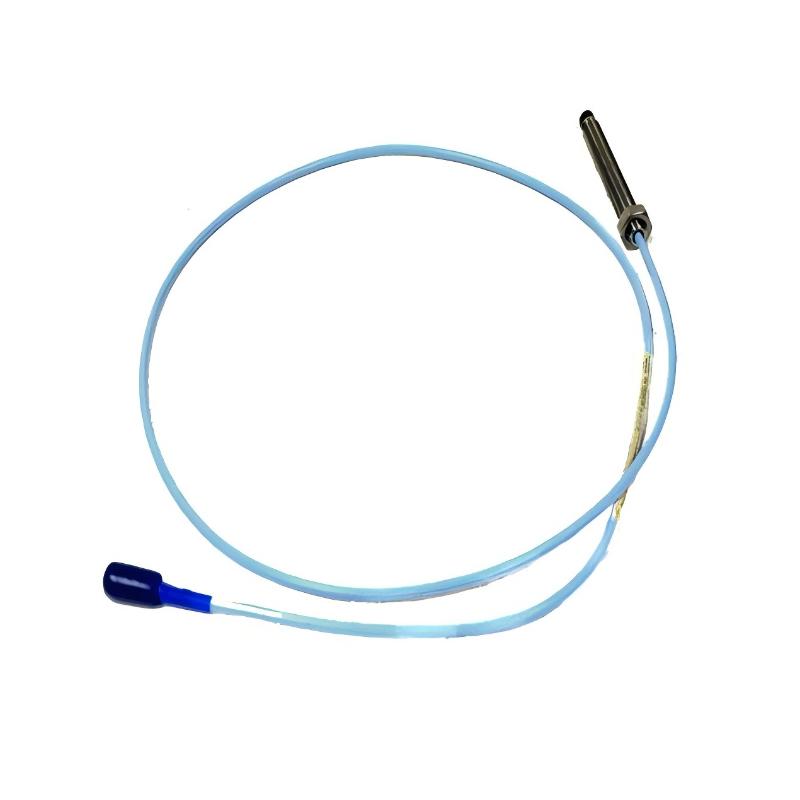
330930-040-01-053300 NSv extension cable commonly used with 991 modules
3500/44MAdvanced vibration and thrust monitoring module


Applications

Turbine Thrust Monitoring: Measures axial thrust in turbines to ensure safe and stable operation.
Compressor Protection: Provides real-time thrust measurements to prevent mechanical overload.

Power Generation Equipment: Monitors thrust in generators and steam or gas turbines for predictive maintenance.

Rotating Machinery Health Management: Supports machinery protection systems in oil & gas, industrial, and energy sectors.

Industrial Safety Systems: Integrates with control systems to prevent equipment damage due to excessive axial forces.


Key Advantages

High Precision Thrust Measurement: Delivers accurate readings of axial forces for critical machinery.

Compact and Robust Design: Small footprint and durable housing suited for industrial environments.

Reliable Performance: Engineered for long-term stability under varying loads and vibrations.

Seamless Integration: Compatible with Bently Nevada 991 monitoring systems and related protection modules.

Enhanced Safety: Enables predictive maintenance and rapid response to axial thrust anomalies.


Technical FAQs

Q1: What is the function of the 991 thrust sensor?
It measures axial thrust forces in rotating machinery to support protection and monitoring systems.

Q2: What machinery is it compatible with?
It is commonly used in turbines, compressors, and generators.

Q3: How is the sensor mounted?
It is mounted directly to the machinery using standard mounting hardware.

Q4: Does it provide continuous monitoring?
Yes, it is designed for 24/7 thrust monitoring in industrial applications.

Q5: What type of output does the sensor provide?
It provides analog electrical signals proportional to axial thrust.

Q6: Can it operate in high-vibration environments?
Yes, it is engineered to maintain accuracy even under significant vibration and load fluctuations.

Q7: Is it suitable for oil and gas installations?
Yes, it is designed for harsh industrial environments including oil & gas facilities.

Q8: What is the housing material?
It features durable industrial-grade materials to ensure long-term reliability.

Q9: Can it be used for predictive maintenance?
Yes, it provides critical data for condition-based maintenance strategies.

Q10: Does it require frequent calibration?
Minimal calibration is required; periodic verification is recommended for optimal performance.


Look forward to your comments!Comment
Latest comments
Tags:
Need Assistance? Chat with Us on WhatsApp!
Need Assistance? Click to Inquire
Back to top