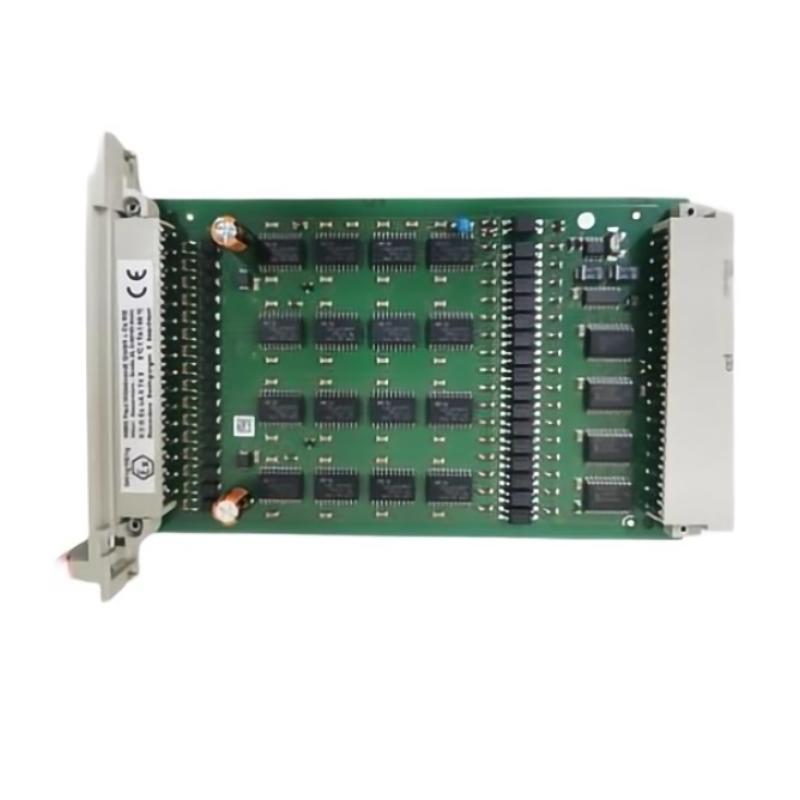
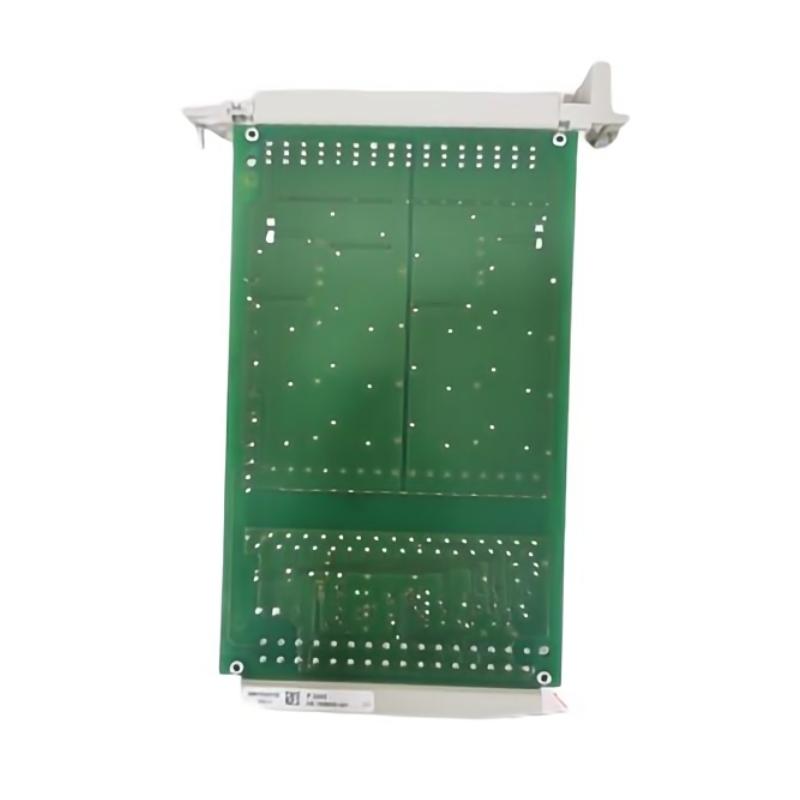
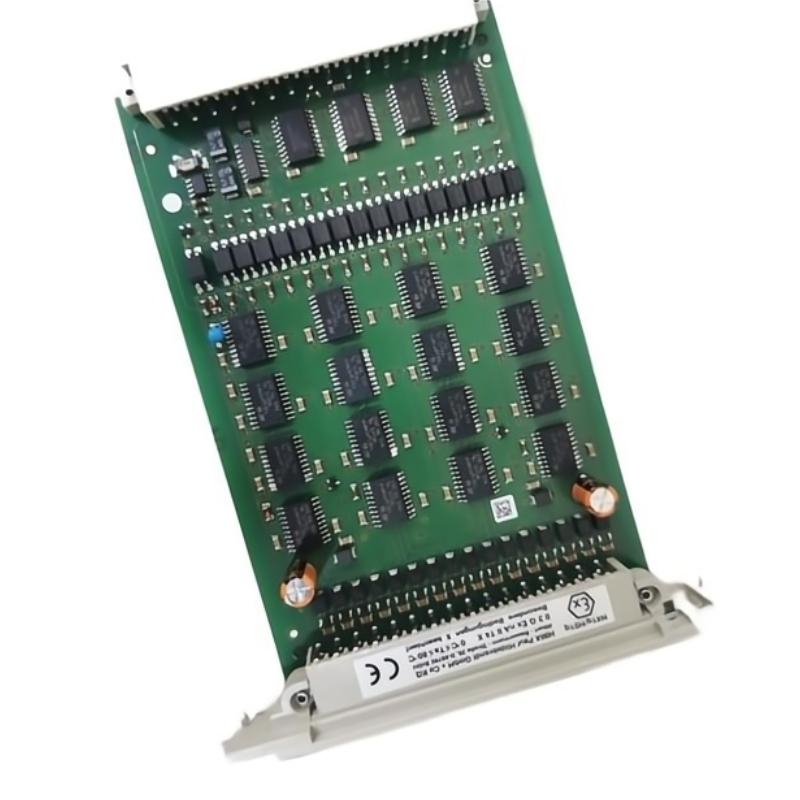
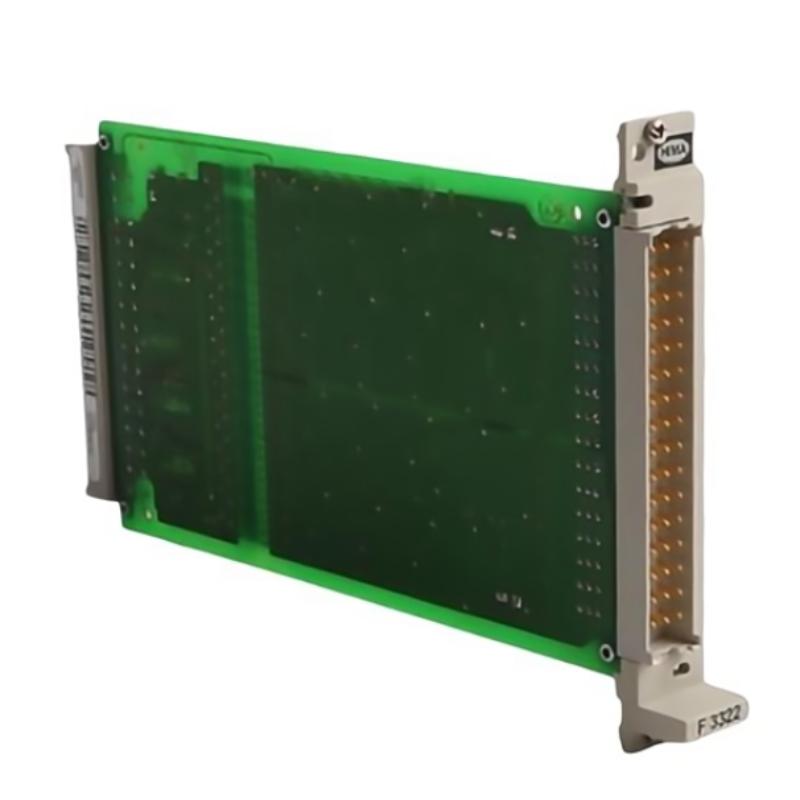
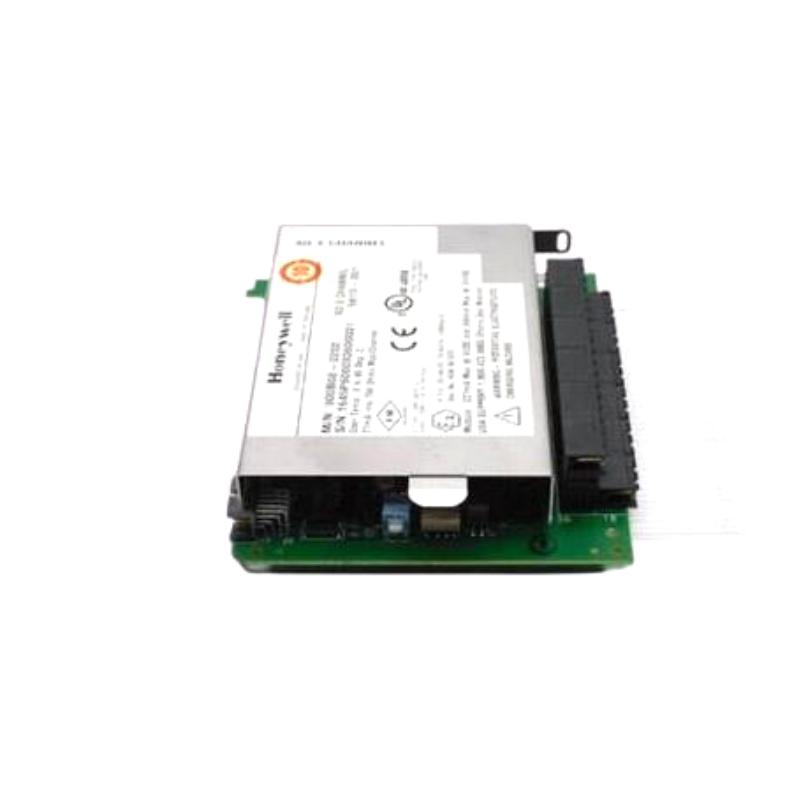
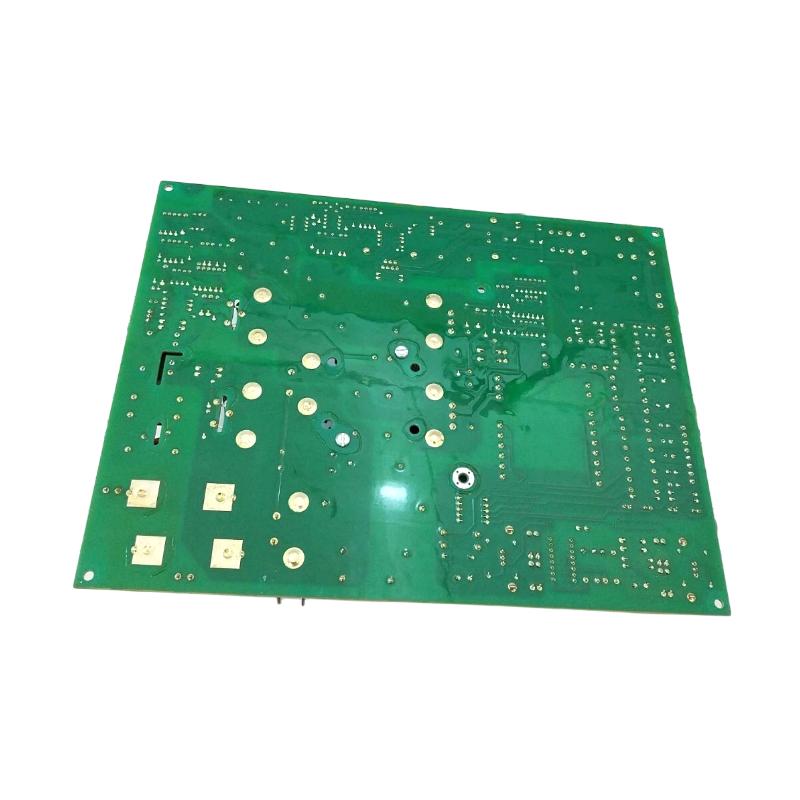
Brand:Hima DCS Modules Item No.:F3322 Product Origin:Germany Product Dimensions:120 x 160 x 40 mm Product Weight:0.2 kg Payment:T/T, Western Union, Credit Card Goods_stock:15 Shipping Port:Xiamen, China Lead Time:1-3 Days Condition:Brand New And Original Warranty:1 Year Certificate:COO
Product Overview
The HIMA F3322 16-Channel Output Module stands out as a high-efficiency solution for complex industrial automation systems requiring reliable and scalable output control. Its ability to handle multiple output signals within a single compact unit significantly reduces system complexity while enhancing operational efficiency. Built with durability and precision in mind, it supports critical processes where consistent performance is non-negotiable. Whether deployed in safety instrumented systems or large-scale control environments, the F3322 delivers dependable results, making it a trusted choice for engineers and system integrators seeking both performance and reliability.
Technical Specifications
Specification
Details
Module Type
16-Channel Output Module
Function
Digital Output Control
Channels
16
Installation
Rack-mounted
Dimensions
120 x 160 x 40 mm
Weight
0.2 kg (0.4409 lb)
Operating Environment
Industrial
Cooling Method
Passive
Application Scope Across Industries
The HIMA F3322 16-Channel Output Module is engineered for high-demand industrial environments where reliable multi-channel output control is essential. It is extensively utilized in safety instrumented systems across oil & gas facilities, petrochemical plants, power generation units, and advanced manufacturing lines. The module efficiently transmits control signals from the central logic system to field-level devices such as actuators, valves, solenoids, and relay interfaces, ensuring precise execution of operational commands in both standard and safety-critical processes. Its high channel density makes it particularly suitable for large-scale systems requiring efficient signal distribution without increasing cabinet complexity.
Key Functional Advantages
High-Density 16-Channel Architecture
Enables simultaneous control of multiple field devices, reducing the need for additional modules and optimizing system design.
Stable and Accurate Output Transmission
Ensures consistent signal delivery, minimizing the risk of misoperation in safety-critical applications.
Efficient Cabinet Space Utilization
Compact footprint allows for dense system configuration, ideal for modern control panels with space constraints.
Industrial-Grade Reliability
Designed to withstand electrical interference, vibration, and temperature fluctuations, ensuring long-term operational stability.
Scalable System Integration
Easily integrates into complex automation systems, supporting modular expansion and system upgrades.
Technical FAQs
What is the primary function of the F3322 module?
It provides 16-channel digital output control for industrial field devices.
How many outputs can it manage simultaneously?
The module supports 16 independent output channels operating in parallel.
What types of field devices are typically connected?
It is commonly used to control actuators, solenoids, relays, and valve systems.
Is this module suitable for safety-related systems?
Yes, it is designed for use in safety-oriented automation environments.
Does it support continuous industrial operation?
Yes, it is built for uninterrupted, long-term operation.
What type of output signals does it deliver?
It delivers digital output signals for precise control functions.
How does it handle electrical noise?
The module includes design features that enhance immunity to industrial electrical interference.
Is special cooling required for operation?
No, it operates using passive cooling, reducing maintenance requirements.
What is its role within system architecture?
It acts as the final control interface between system logic and field execution devices.
Can it be integrated into existing systems?
Yes, it is suitable for both new installations and upgrades of existing industrial systems.