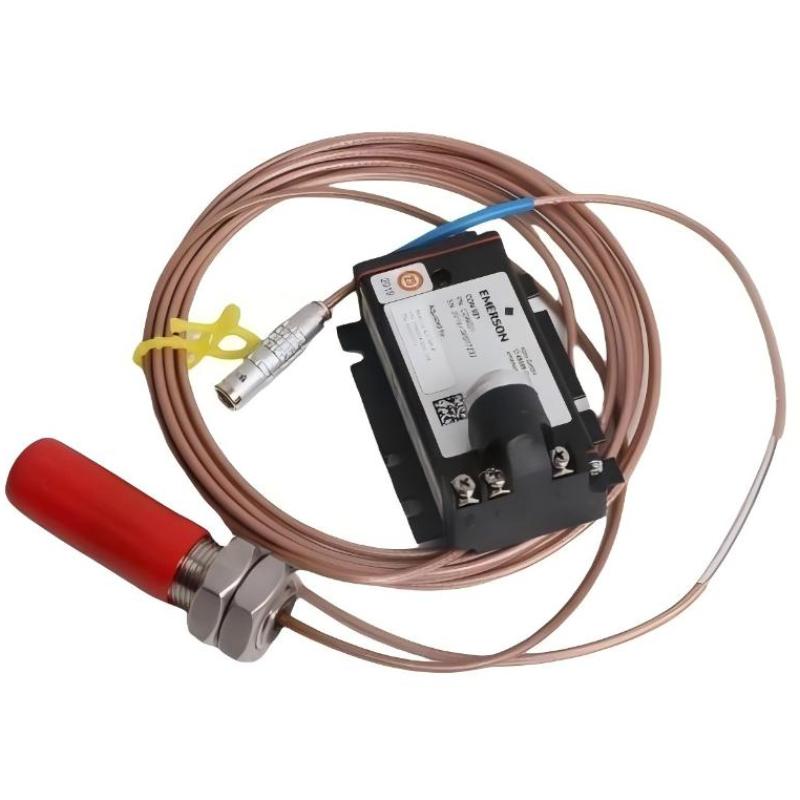
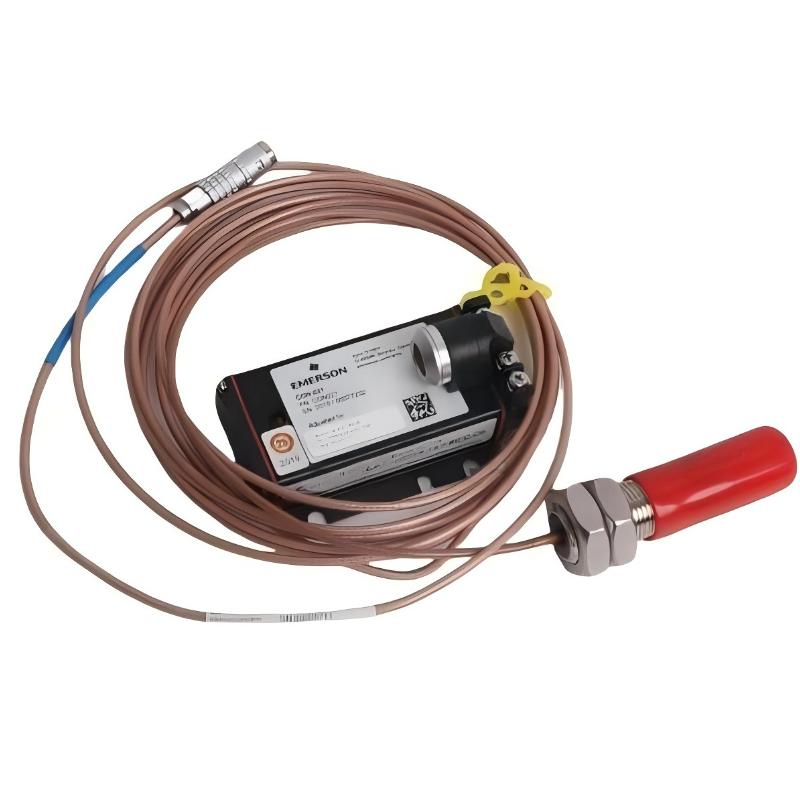
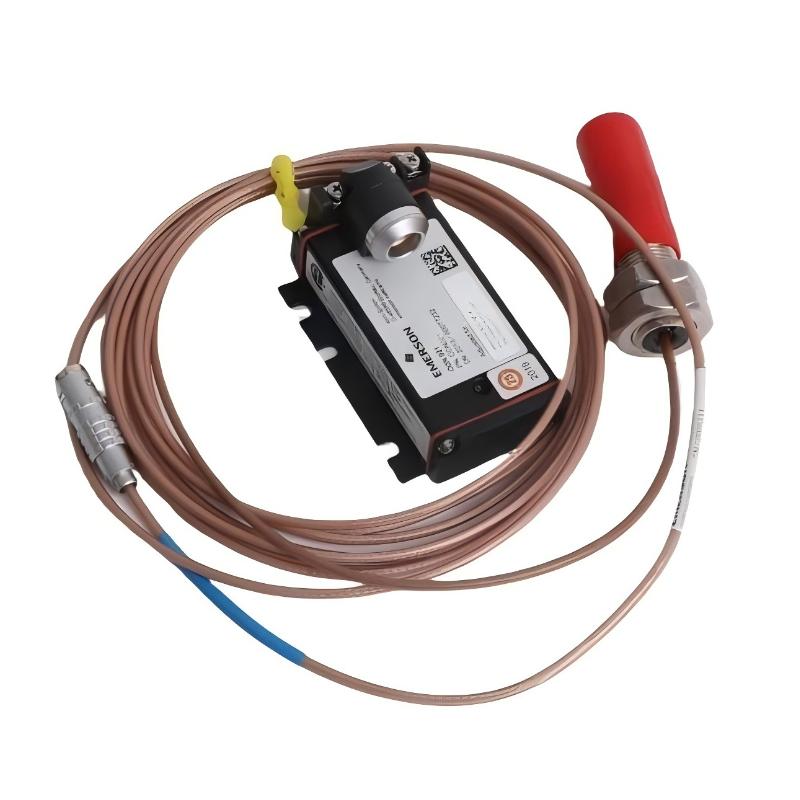
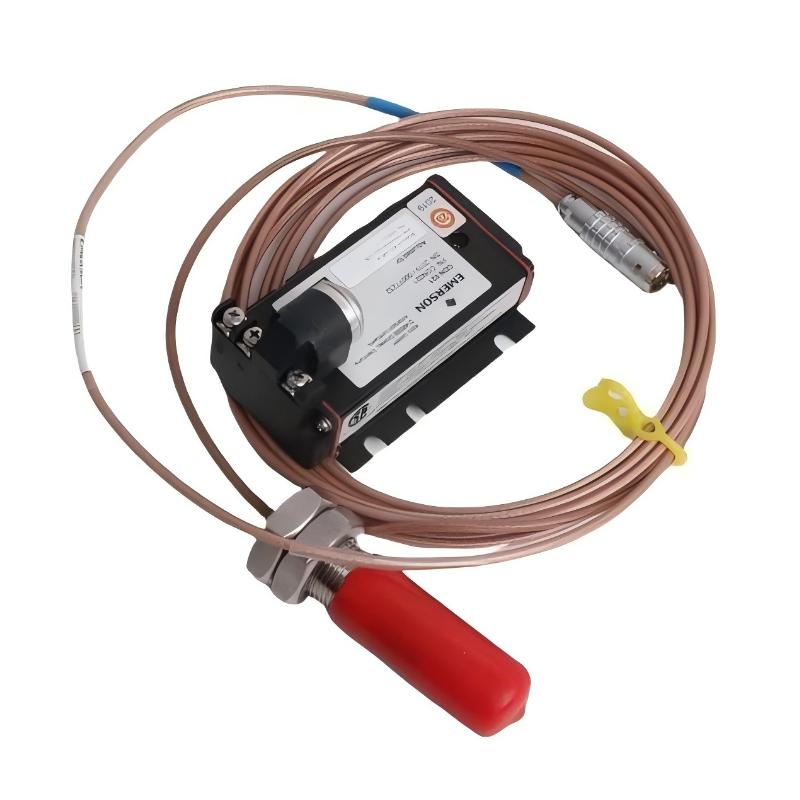
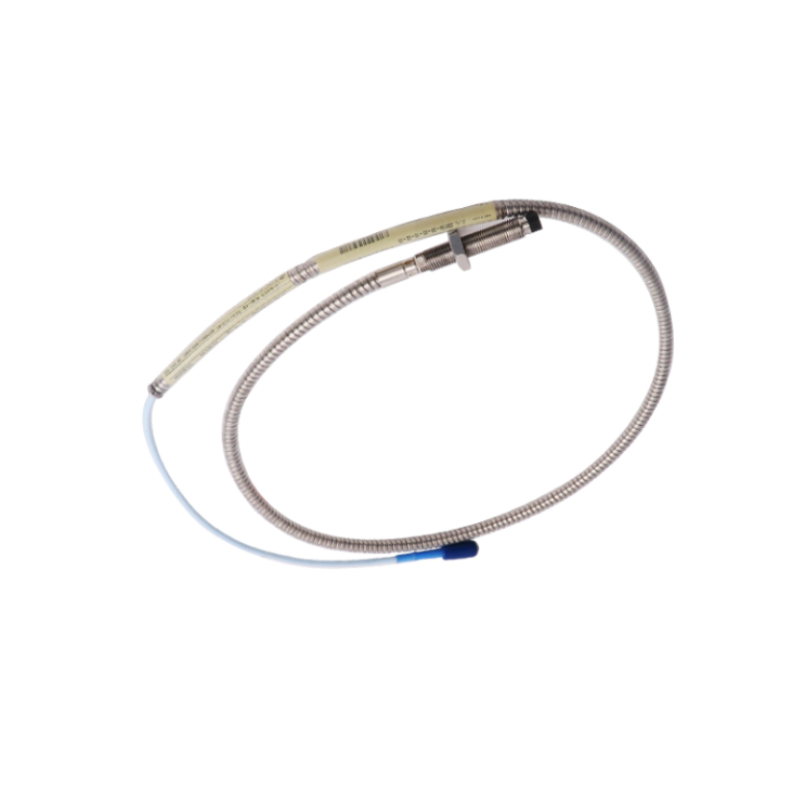
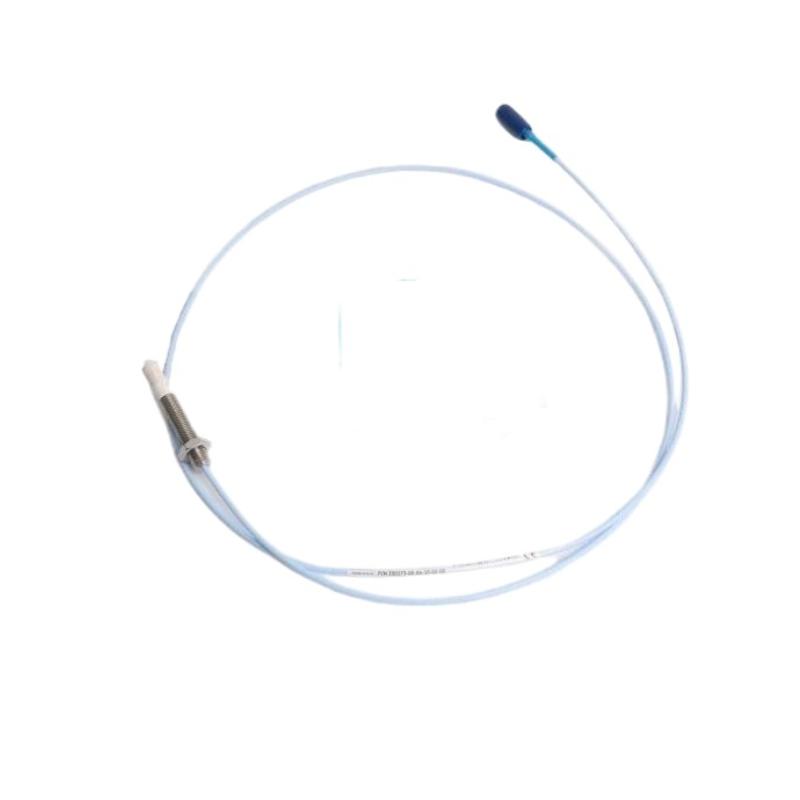
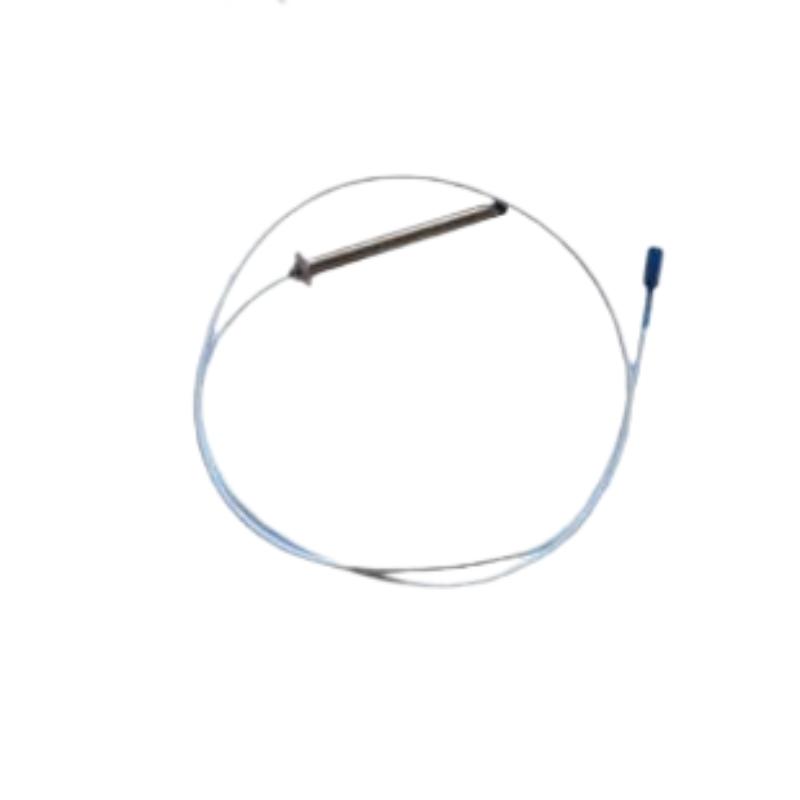
Epro PR6424/000-130+CON021 16 mm Eddy Current Sensor
Epro PR6424/000-130+CON021 16 mm Eddy Current Sensor
0.0
Points
Brand:Epro PLC Item No.:PR6424/000-130+CON021 Product Origin:Germany Product Dimensions:Sensor Head Diameter: 16 mm Product Weight:0.32 kg Payment:T/T, Western Union, Credit Card Goods_stock:15 Shipping Port:Xiamen, China Lead Time:1-3 Days Condition:Brand New And Original Warranty:1 Year Certificate:COO
The Epro PR6424/000-130+CON021 16 mm Eddy Current Sensor is designed for high-precision monitoring of rotating machinery in demanding industrial environments. It provides accurate, non-contact measurement of shaft displacement and vibration, making it a key component in modern condition monitoring systems.
Technical Specifications
Parameter
Specification
Model
PR6424/000-130+CON021
Technology
Eddy Current
Sensor Head Diameter
16 mm
Measurement Type
Non-contact displacement & vibration
Output System
Compatible with CON021 module
Weight
0.32 kg
Application
Industrial rotating machinery
Target Material
Conductive metals
Recommended Related Models
Model
Product Name
PR6423/010-000
Epro Standard Eddy Current Displacement Sensor
PR6424/010-130
High Stability Eddy Current Probe
PR6425/000-100
Extended Range Condition Monitoring Sensor
CON021
Epro Signal Conditioning Converter Module
Popular Related Models
Model
Product Name
PR6423/010-030
Standard Industrial Vibration Monitoring Probe
PR6424/000-040
Enhanced Stability Eddy Current Sensor
PR6423/018-040
High Precision Shaft Displacement Probe
CON021-HT
High Temperature Signal Converter Unit
Applications
• Used for turbine shaft displacement monitoring in power generation systems to maintain stable rotational accuracy
• Applied in compressor vibration and axial position measurement for oil & gas rotating machinery diagnostics
• Integrated into predictive maintenance systems for early detection of imbalance, misalignment, and bearing wear
• Installed in pump alignment monitoring systems to improve operational efficiency and reduce mechanical stress
• Used in high-speed rotating machinery for continuous vibration and condition monitoring
Key Advantages
• Non-contact eddy current measurement eliminates mechanical wear and ensures long service life
• High thermal stability provides consistent accuracy under fluctuating industrial conditions
• Strong resistance to oil, dust, and electromagnetic interference enhances reliability in harsh environments
• High-resolution sensing enables precise detection of micro-displacement and vibration variations