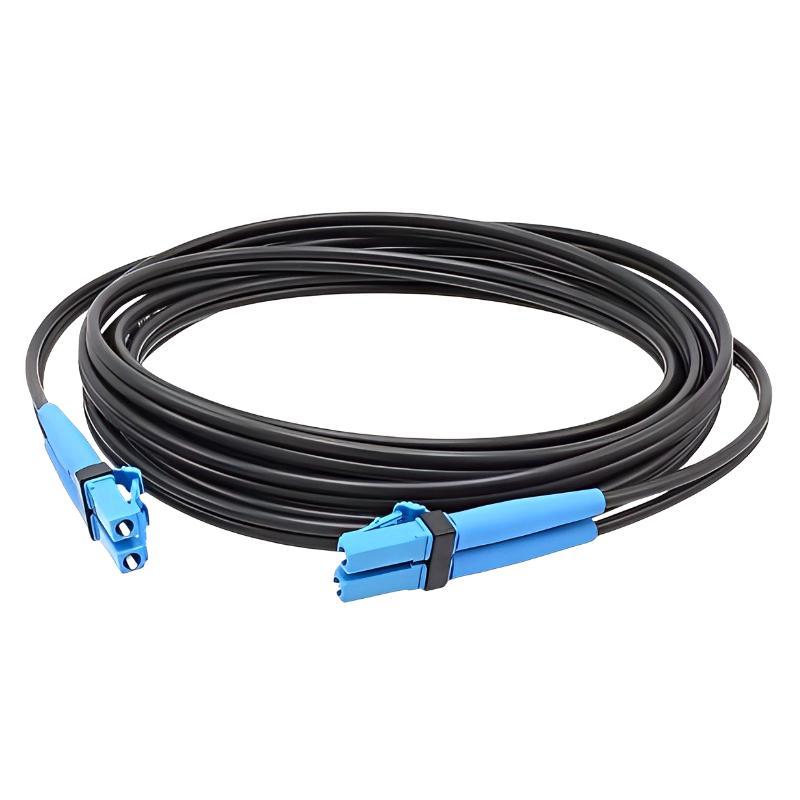
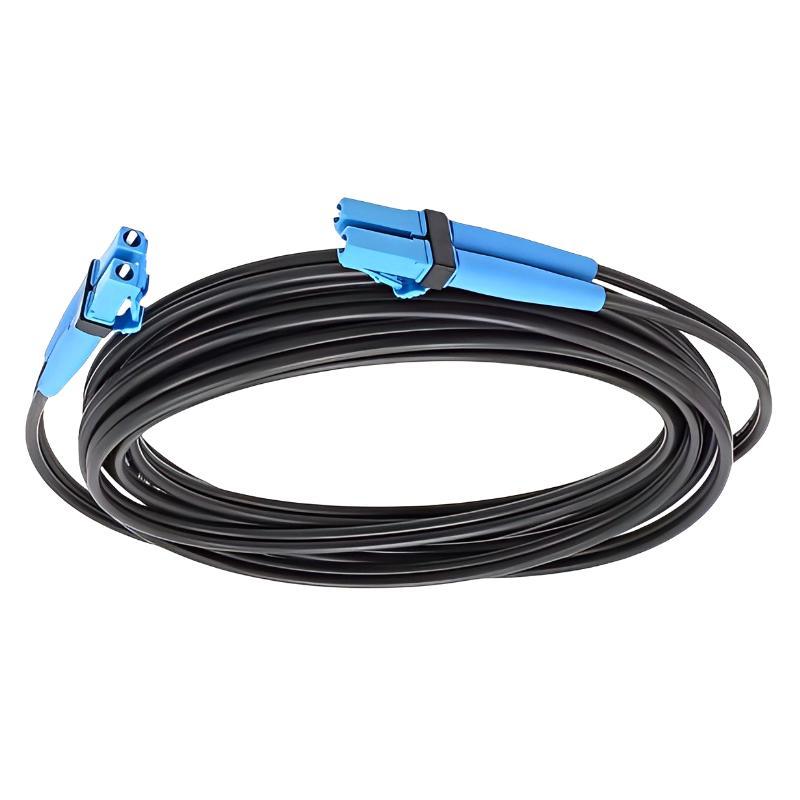
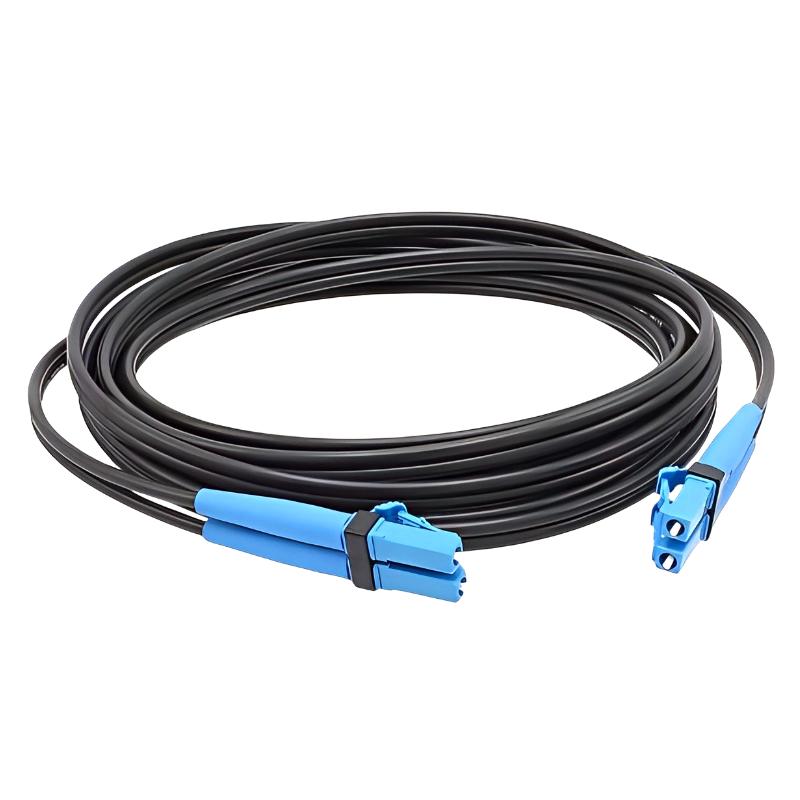
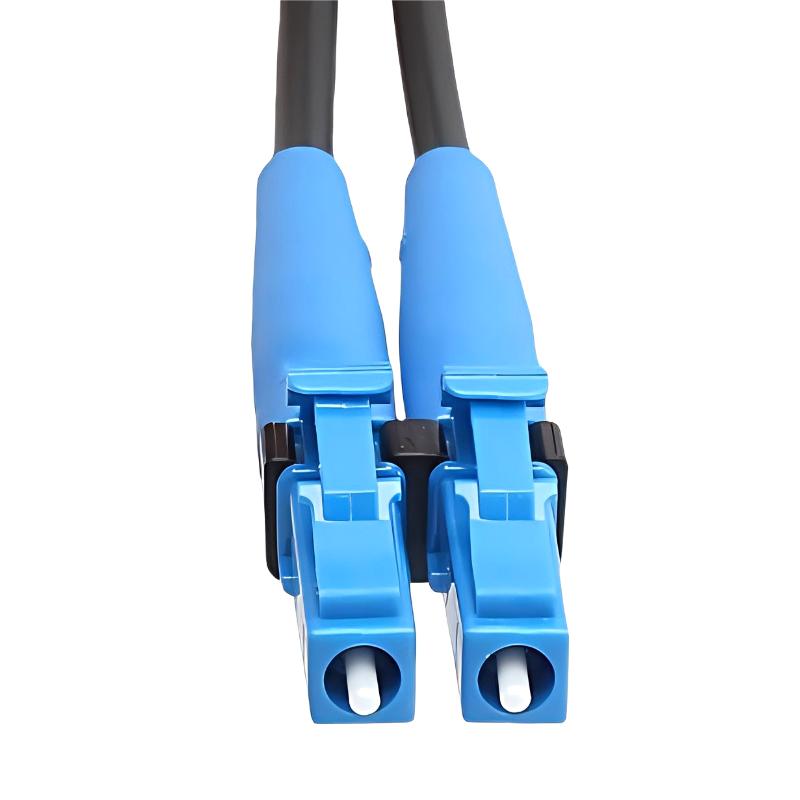
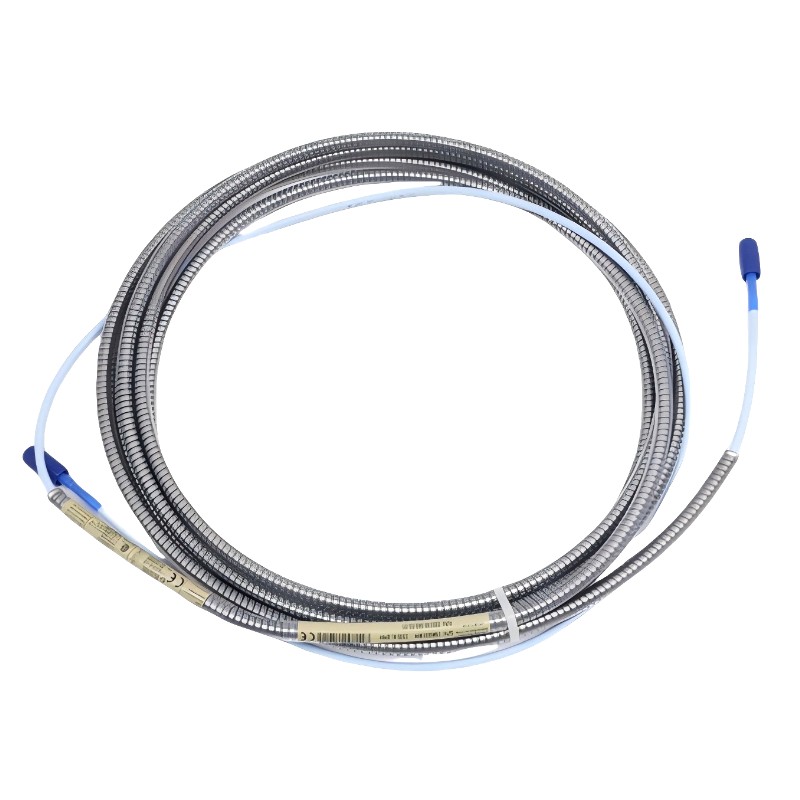
Brand:Allen Bradley PLC Item No.:1756-RMC3 Product Origin:USA Product Dimensions:Cable Length: 3 meters Product Weight:Shipping weight: 3 kg Payment:T/T, Western Union, Credit Card Goods_stock:15 Shipping Port:Xiamen, China Lead Time:1-3 Days Condition:Brand New And Original Warranty:1 Year Certificate:COO
The Allen-Bradley 1756-RMC3 Fiber Optic Cable is a high-performance communication cable designed for ControlLogix redundancy systems. It provides a secure and high-speed optical link between redundancy modules, ensuring reliable controller synchronization and system stability. Built for industrial environments, it eliminates electromagnetic interference and supports dependable long-distance communication within critical automation infrastructures such as power generation, oil & gas, and large-scale process control systems.
Technical Specifications
Parameter
Specification
Product Model
1756-RMC3
Function
Fiber Optic Redundancy Cable
System
Allen-Bradley ControlLogix
Cable Type
Fiber optic
Length
3 meters
Application
Redundancy communication link
Mounting Type
Plug-in connection
Operating Environment
Industrial-grade conditions
Weight
3 kg (shipping weight)
Signal Type
Optical transmission
Compatibility
ControlLogix redundancy modules
Protection
EMI immune design
Recommended Related Models
Model
Product Name
1756-RMC1
ControlLogix Fiber Optic Cable (1 meter)
1756-RMC5
ControlLogix Fiber Optic Cable (5 meters)
1756-RM2
ControlLogix Redundancy Module
1756-RM2XT
ControlLogix XT Redundancy Module
Popular Related Models
Model
Product Name
1756-RMC3
ControlLogix Fiber Optic Cable (3m)
1756-RM2
ControlLogix Redundancy Module
1756-L73
ControlLogix Processor Module
1756-EN2T
ControlLogix Ethernet Communication Module
Applications
• ControlLogix redundancy communication linking
Provides high-speed fiber optic connection between redundancy modules in ControlLogix systems.
• Industrial automation control cabinets
Enables reliable communication paths within PLC chassis and distributed control architectures.
• Power generation control systems
Supports stable redundant controller synchronization in turbine and plant automation systems.
• Oil & gas and petrochemical facilities
Ensures robust and interference-free communication in electrically noisy environments.
• High-availability industrial redundancy networks
Used in mission-critical systems requiring secure and fast controller-to-controller data exchange.
Key Advantages
• High-speed fiber optic transmission
Ensures fast and stable data communication between redundancy modules.
• Strong immunity to electrical noise
Eliminates electromagnetic interference issues common in industrial environments.
• Reliable redundancy communication link
Supports continuous synchronization between primary and secondary controllers.
• Plug-and-play system compatibility
Designed specifically for seamless integration with ControlLogix redundancy architecture.
• Industrial-grade durability
Built for long-term use in demanding automation environments.
Technical FAQs
1. What is the main function of the 1756-RMC3 cable?
It connects ControlLogix redundancy modules using fiber optic communication.
2. What systems use this cable?
It is used in Allen-Bradley ControlLogix redundancy systems.
3. What is the cable length?
The cable length is 3 meters.
4. Why is fiber optic used instead of copper?
Fiber optic provides higher speed and immunity to electromagnetic interference.
5. Is it used for controller synchronization?
Yes, it supports redundancy synchronization between controllers.
6. Can it be used in harsh industrial environments?
Yes, it is designed for industrial automation conditions.
7. Does it require configuration?
No configuration is typically required; it is plug-and-play within the system.
8. Is it compatible with all ControlLogix redundancy modules?
It is compatible with supported 1756-RM series redundancy systems.
9. What happens if the cable is disconnected?
Redundancy communication is interrupted, affecting synchronization between controllers.
10. Is shielding required for this cable?
No, fiber optic transmission inherently eliminates electrical interference issues.