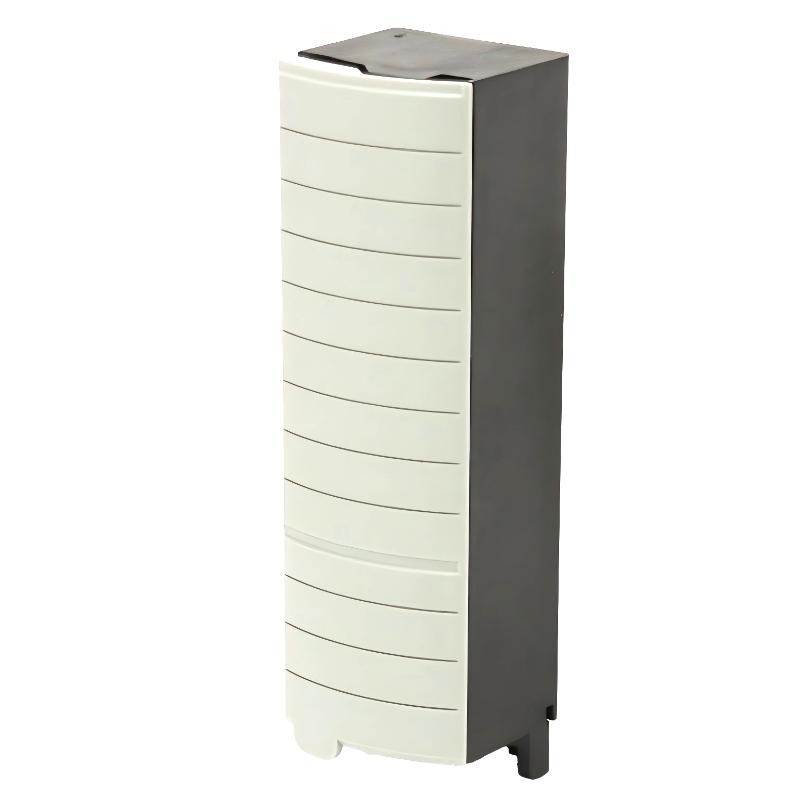
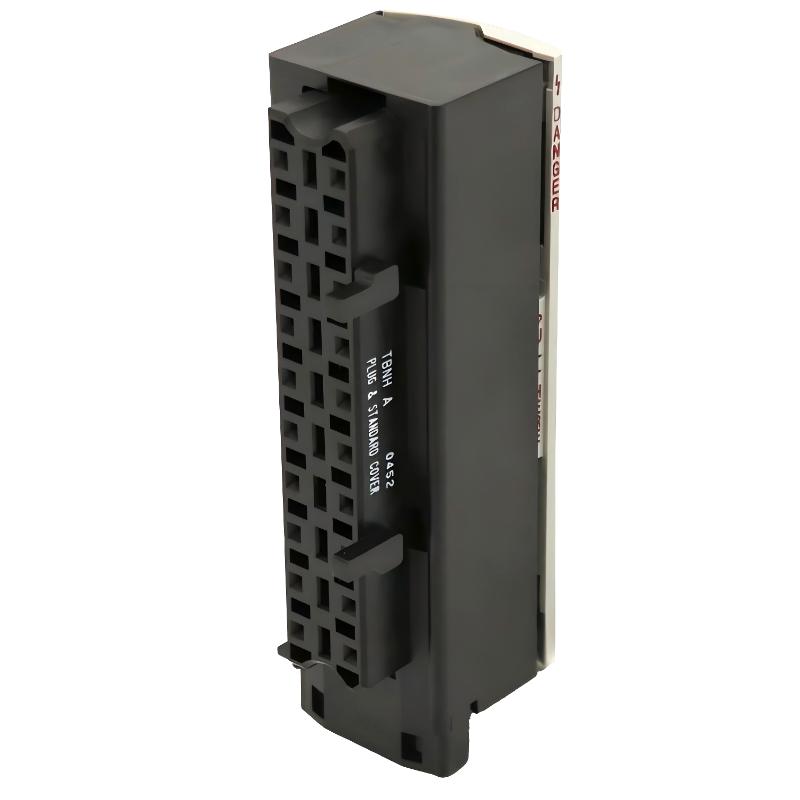
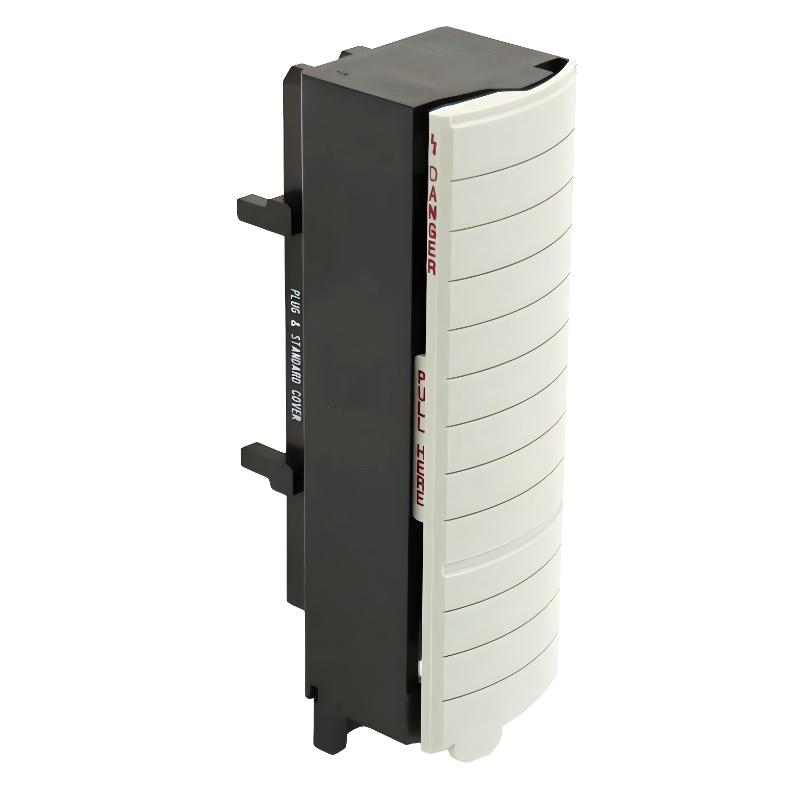
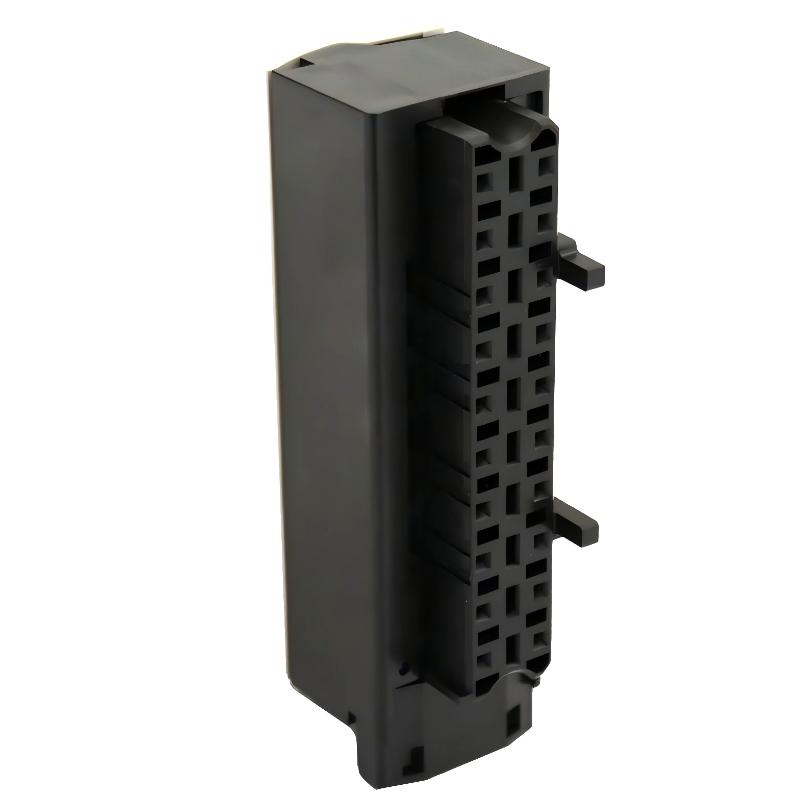
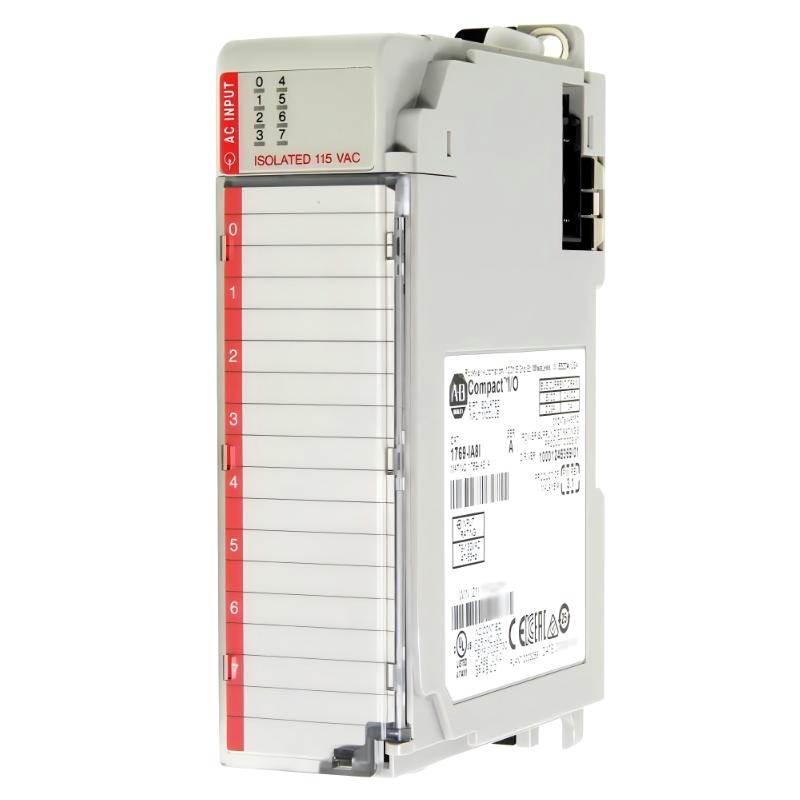
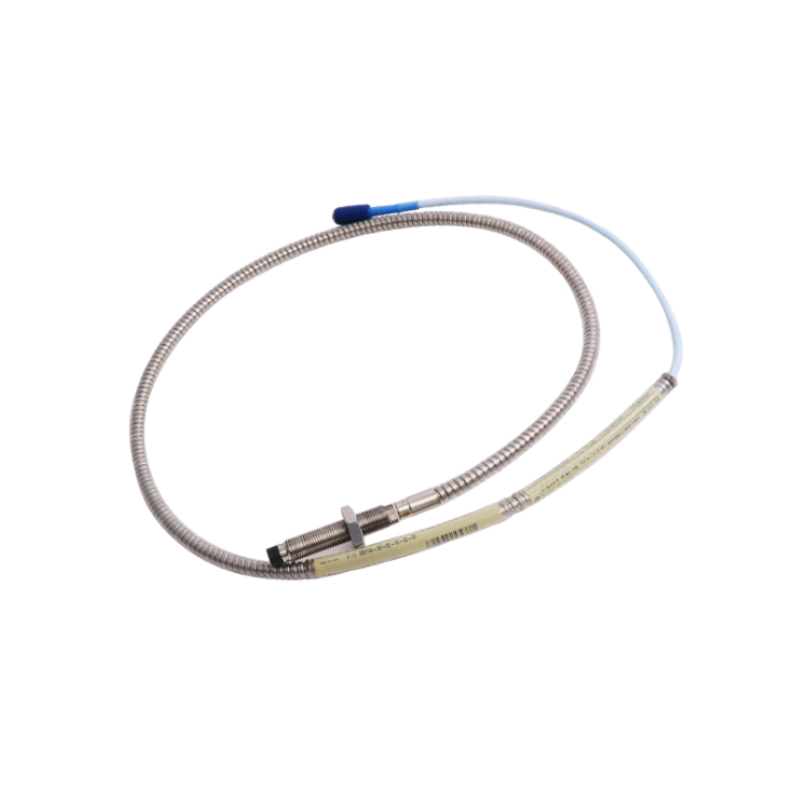
Allen Bradley 1756-TBNH ControlLogix 20-pin Screw Clip Terminal Block
Allen Bradley 1756-TBNH ControlLogix 20-pin Screw Clip Terminal Block
0.0
Points
Brand:Allen Bradley PLC Item No.:1756-TBNH Product Origin:USA Product Dimensions:132 x 54 x 110 mm Product Weight:0.141 kg Payment:T/T, Western Union, Credit Card Goods_stock:15 Shipping Port:Xiamen, China Lead Time:1-3 Days Condition:Brand New And Original Warranty:1 Year Certificate:COO
The Allen-Bradley 1756-TBNH ControlLogix 20-pin Screw Clip Terminal Block is a high-reliability wiring interface component designed for Rockwell Automation ControlLogix systems. It provides secure and structured termination between field wiring and I/O modules, ensuring stable signal transmission in industrial automation environments. Built for durability and ease of installation, it is widely used in power generation, manufacturing, oil & gas, and process control applications where reliable electrical connections are essential.
Technical Specifications
Parameter
Specification
Product Model
1756-TBNH
Function
ControlLogix Terminal Block
Pin Count
20-pin
Connection Type
Screw clip termination
System Compatibility
Allen-Bradley ControlLogix
Mounting Type
I/O module interface mounting
Operating Environment
Industrial-grade conditions
Housing
Rugged industrial plastic/metal assembly
Dimensions
132 × 54 × 110 mm
Weight
0.141 kg
Protection
Industrial vibration and noise resistant
Application
Field wiring termination
Recommended Related Models
Model
Product Name
1756-TBCH
ControlLogix 36-pin Terminal Block
1756-TBSH
ControlLogix Spring Clamp Terminal Block
1756-TBPH
ControlLogix Power Terminal Block
1756-TBNF
ControlLogix High-Density Terminal Block
Popular Related Models
Model
Product Name
1756-TBNH
ControlLogix 20-pin Screw Clip Terminal Block
1756-IF8
ControlLogix Analog Input Module
1756-IB16
ControlLogix Digital Input Module
1756-OF8I
ControlLogix Analog Output Module
Applications
• ControlLogix I/O module field wiring termination
Provides secure and organized wiring connection between ControlLogix I/O modules and field devices.
• Industrial automation control cabinets
Used in PLC panels for reliable signal distribution and structured wiring management.
• Process control systems
Supports stable electrical connection for sensors, actuators, and instrumentation devices.
• Power generation and utility systems
Enables dependable field wiring interface in turbine, boiler, and auxiliary control systems.
• Oil & gas and petrochemical installations
Ensures safe and stable signal termination in harsh industrial environments.
Key Advantages
• Secure screw clip termination design
Ensures strong mechanical and electrical connection for long-term reliability.
• 20-pin high-density interface
Supports organized multi-channel wiring within compact control cabinet space.
• Stable signal integrity
Reduces wiring faults and improves signal transmission reliability.
• Easy installation and maintenance
Simplifies field wiring replacement and system servicing.
• Seamless ControlLogix compatibility
Designed specifically for Allen-Bradley ControlLogix I/O modules.
Technical FAQs
1. What is the main function of the 1756-TBNH?
It is a terminal block used for wiring connection to ControlLogix I/O modules.
2. How many pins does it support?
It supports a 20-pin connection interface.
3. What type of connection does it use?
It uses a screw clip termination method for secure wiring.
4. Is it used directly in PLC processing?
No, it is a passive interface used for wiring termination only.
5. Is it compatible with all ControlLogix I/O modules?
It is compatible with supported 1756 series I/O modules requiring this terminal type.
6. Can it be reused after disconnection?
Yes, it can be reused if not mechanically damaged.
7. Does it require calibration?
No calibration is required.
8. Is it suitable for harsh environments?
Yes, when installed inside industrial control cabinets.
9. Does it improve signal quality?
It helps maintain stable wiring connections, reducing signal issues caused by loose terminals.
10. Is it hot-swappable?
It depends on the connected I/O module configuration, not the terminal block itself.