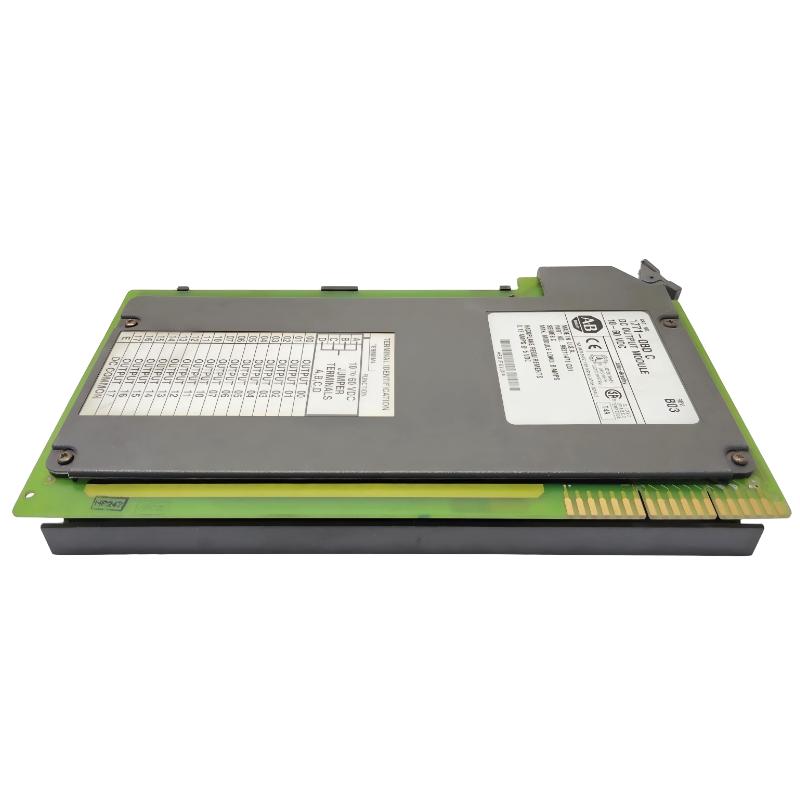
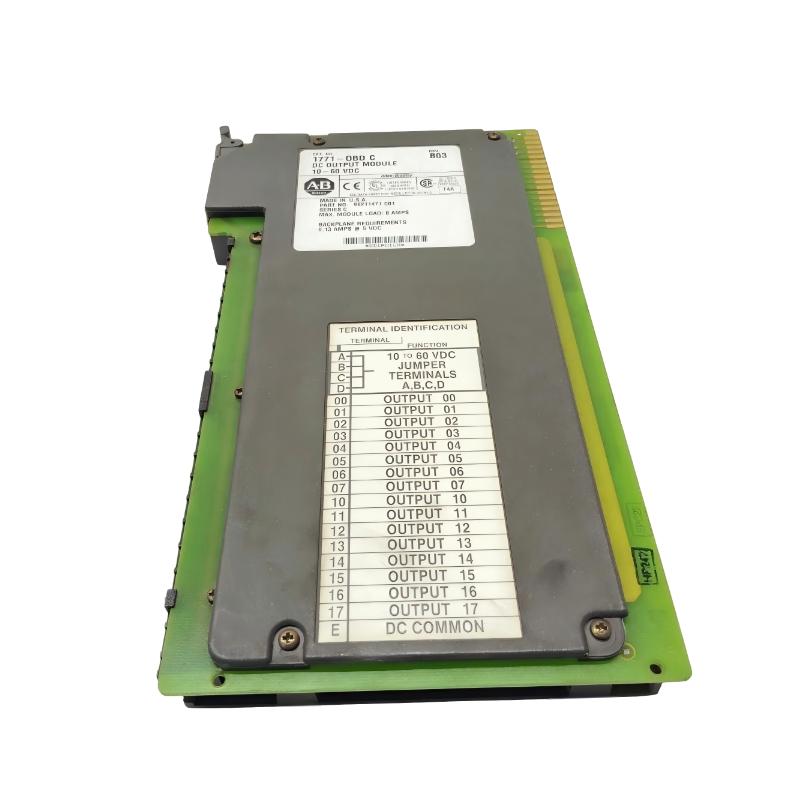
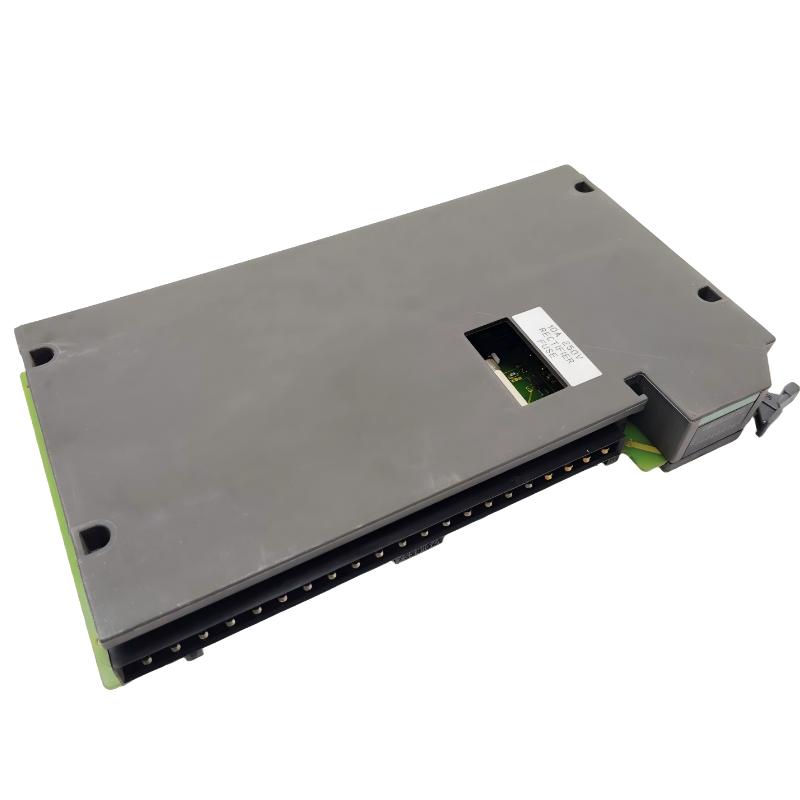
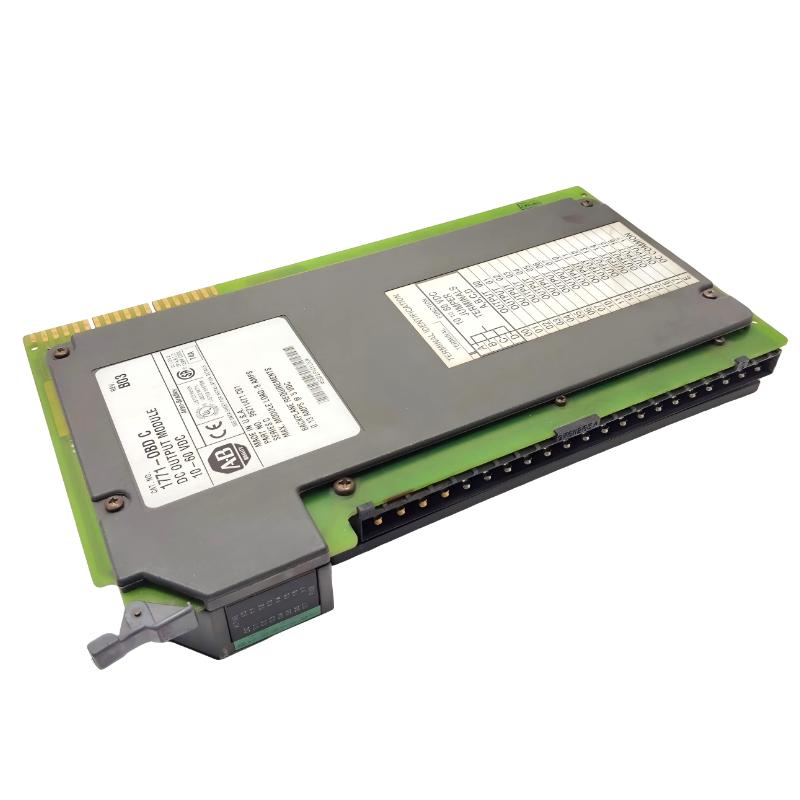
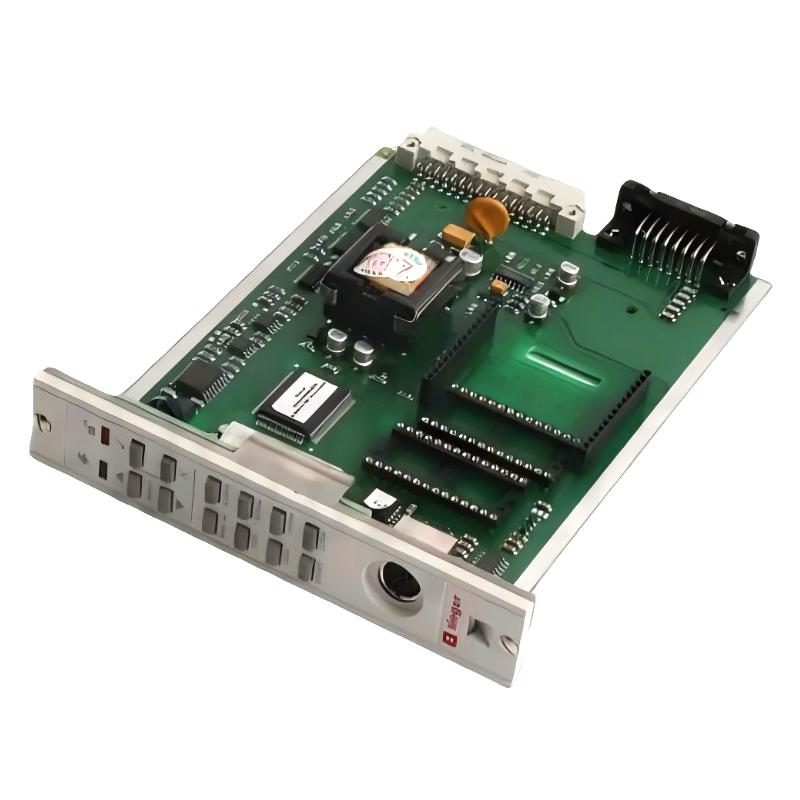
Brand:Allen Bradley PLC Item No.:1771-OBD/C Product Origin:USA Product Dimensions:165 x 51 x 89 mm Product Weight:0.84 kg Payment:T/T, Western Union, Credit Card Goods_stock:15 Shipping Port:Xiamen, China Lead Time:1-3 Days Condition:Brand New And Original Warranty:1 Year Certificate:COO
The Allen-Bradley 1771-OBD/C is a 16-point digital DC output module designed for PLC-5 and 1771 I/O rack systems. It provides reliable switching of DC loads, enabling control of field devices such as actuators, relays, and signaling equipment in industrial automation environments.
Technical Specifications
Parameter
Specification
Product Model
1771-OBD/C
Product Type
Digital DC Output Module
System Compatibility
Allen-Bradley PLC-5 / 1771 I/O chassis
Output Channels
16 points
Output Voltage Range
10–60V DC
Output Type
Discrete DC switching output
Load Type
Solenoids, relays, lamps, contactors
Backplane Current
400 mA
Response Time
~1–10 ms typical
Isolation
Field-to-system isolation (model dependent)
Mounting Type
1771 I/O rack
Operating Environment
Industrial automation systems
Weight
0.84 kg
Dimensions
165 × 51 × 89 mm
Operating Temperature
0°C to 60°C
Recommended Related Models
Model
Product Name
1771-OBD
Allen-Bradley 16-point DC Output Module
1771-OQ16
Allen-Bradley DC Output Module
1771-OBN
Allen-Bradley DC Output Module (High Speed)
1771-OW16
Allen-Bradley Relay Output Module
Popular Related Models
Model
Product Name
1771-IBN/C
Allen-Bradley Digital Input Module
1771-IFE/C
Allen-Bradley Analog Input Module
1771-ASB
Remote I/O Adapter Module
1771-P4
PLC-5 Power Supply Module
Applications
• PLC-5 and 1771 rack-based discrete output control systems
Used to drive field devices such as solenoids, contactors, indicator lamps, and relay coils in legacy industrial automation systems.
• Industrial machine control sequencing
Applied in manufacturing equipment where multiple on/off output signals are required for coordinated machine operations.
• Power plant and utility control systems
Supports switching of auxiliary devices, alarm circuits, and interlocking systems in generation and distribution environments.
• Process automation systems
Used in chemical, oil & gas, and continuous process industries for reliable digital actuation control.
• Remote I/O expansion racks
Functions as part of distributed 1771 I/O chassis systems for large-scale industrial installations.
• Retrofit and legacy system maintenance
Commonly used for replacement or expansion of existing PLC-5 based control architectures.
Advantages
• 16-point high-density digital output
Enables compact and efficient control of multiple field devices within a single module.
• Industrial DC load switching capability
Designed to reliably energize 10–60V DC loads such as relays and solenoids.
• Stable PLC-5 system compatibility
Fully integrates with 1771 I/O chassis for legacy control system continuity.
• Fast output response
Provides rapid switching performance suitable for real-time industrial control applications.
• Robust industrial design
Built for stable operation in electrically noisy and harsh industrial environments.
• Structured channel organization
Outputs are grouped for simplified wiring and system diagnostics.
Technical FAQs
Q1: What is the main function of the 1771-OBD/C module?
It provides 16 channels of digital DC outputs for controlling industrial field devices.
Q2: What voltage range does it support?
It supports 10–60V DC output loads.
Q3: How many outputs does it have?
It provides 16 discrete output channels.
Q4: What type of devices can it control?
It can drive solenoids, relays, indicator lights, and contactors.
Q5: Is it isolated?
It is generally non-isolated per channel design, depending on configuration.
Q6: What system is it used with?
It is used with Allen-Bradley PLC-5 and 1771 I/O chassis systems.
Q7: What is the typical switching speed?
It provides fast millisecond-level switching suitable for discrete control.
Q8: Is it still in production?
No, it is considered legacy hardware for maintenance and replacement use.
Q9: What happens if one output fails?
Only the affected channel is lost; other outputs remain operational.
Q10: Can it be used in modern PLC systems?
It is mainly used in legacy systems and is not typical for new installations.