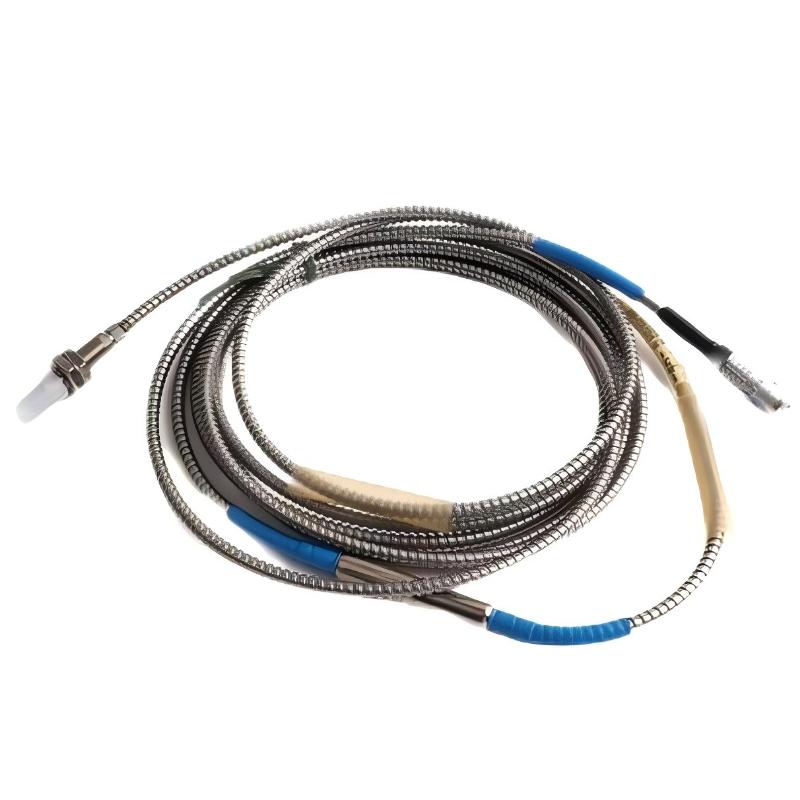
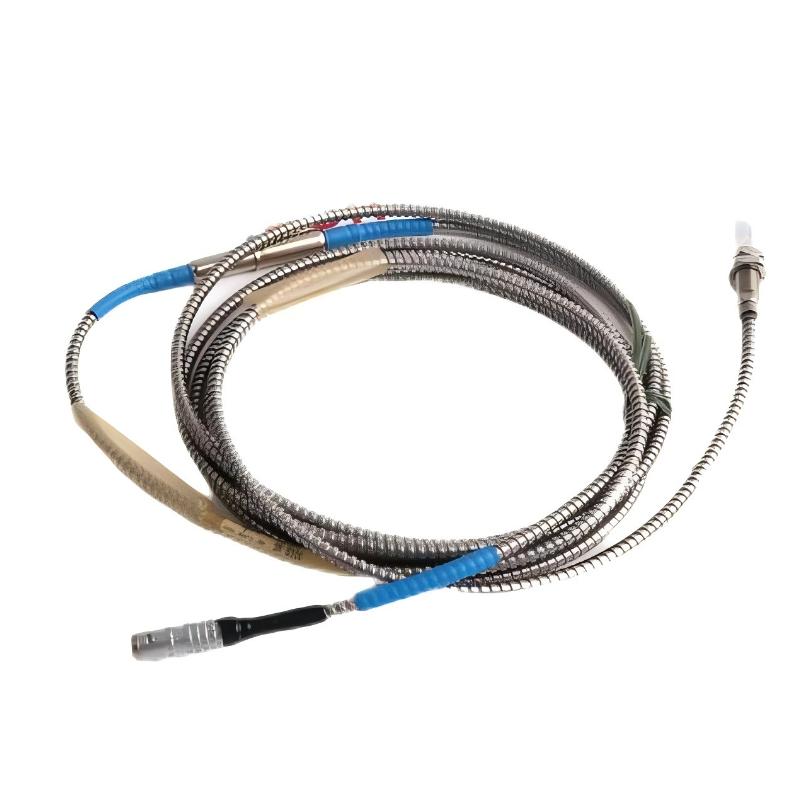
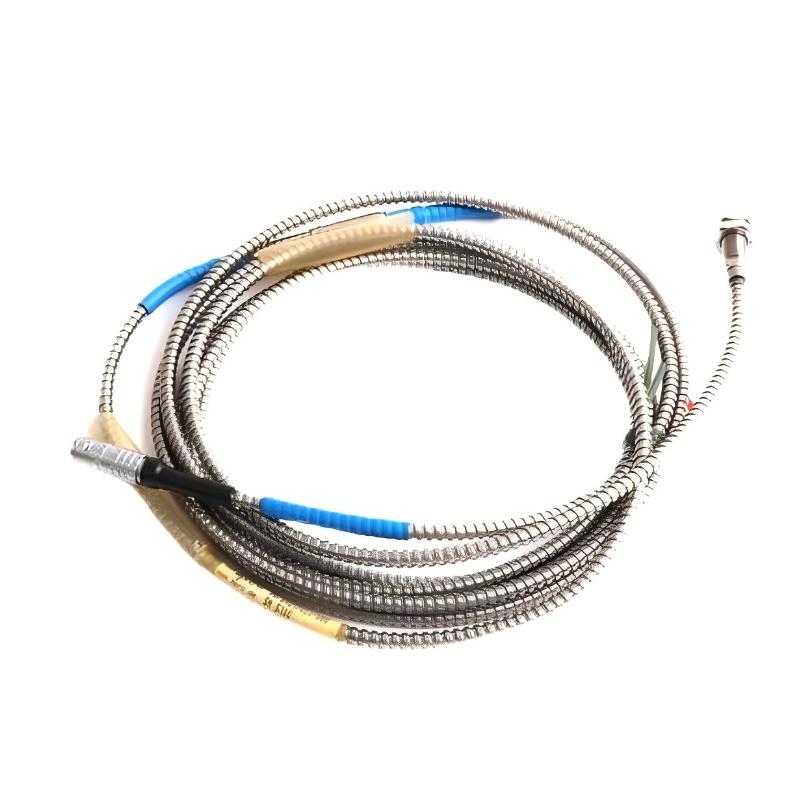
Brand:Epro PLC Item No.:PR6423/011-110 Product Origin:Germany Product Dimensions:Sensor Head Diameter: 8 mm Product Weight:0.1 kg Payment:T/T, Western Union, Credit Card Goods_stock:15 Shipping Port:Xiamen, China Lead Time:1-3 Days Condition:Brand New And Original Warranty:1 Year Certificate:COO
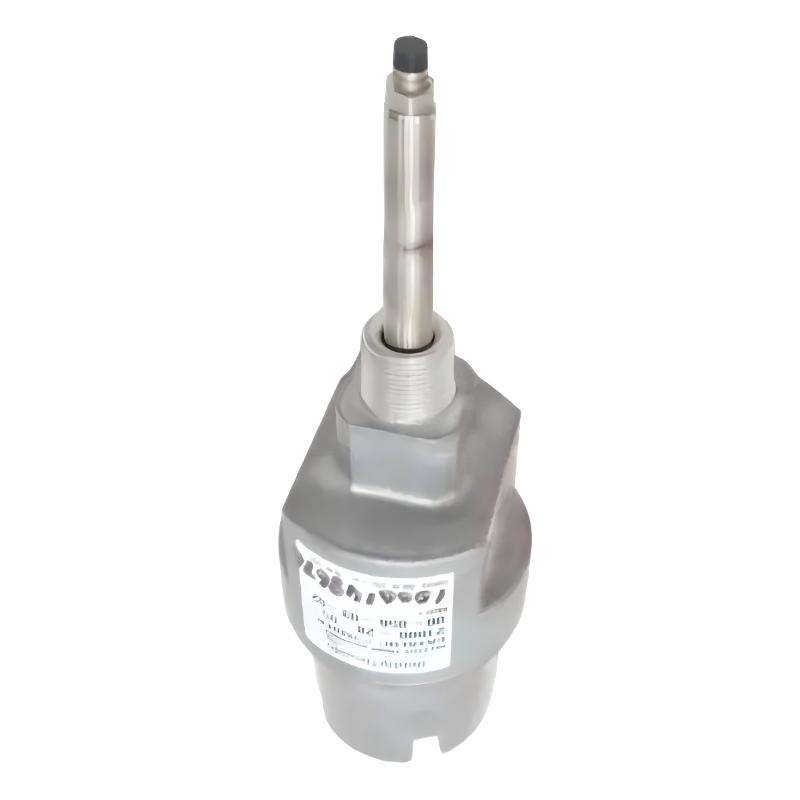
The EPRO PR6423/011-110 8 mm Eddy Current Sensor Head is a precision-engineered displacement probe designed for mission-critical rotating machinery monitoring. It delivers stable, high-resolution measurement of shaft vibration and position without physical contact. Built for demanding industrial environments, it is a core component in predictive maintenance and machinery protection systems used across global power generation and heavy industry sectors.
The EPRO PR6423/011-110 8 mm Eddy Current Sensor Head is a high-precision non-contact probe used in turbomachinery condition monitoring systems. It is widely deployed in critical rotating equipment where continuous vibration and shaft displacement measurement is required for protection and predictive maintenance.
Typical applications include:
Steam, gas, and hydro turbines
Centrifugal and axial compressors
Industrial pumps and pump trains
Gearboxes and drive systems
Power generation rotating equipment
Condition monitoring systems (CMS)
Shaft vibration and eccentricity measurement
Axial position and thrust monitoring
Advantages
Non-contact measurement principle: No mechanical wear and long service life
High measurement stability: Reliable signal output under harsh industrial conditions
Precision 8 mm probe design: Standard format for turbomachinery monitoring systems
High-temperature capability: Suitable for demanding rotating equipment environments
Excellent vibration sensitivity: Accurate detection of shaft movement and displacement
Compatible system integration: Designed for EPRO / Emerson MMS monitoring platforms
Robust stainless-steel construction: Suitable for industrial vibration and thermal stress conditions
Technical FAQs
What is the measuring principle of this sensor?
It uses eddy current technology to measure the distance between the probe tip and a conductive metal target.
What type of systems is it used with?
It is typically used with EPRO / Emerson MMS vibration monitoring and machinery protection systems.
What parameters does it measure?
It measures shaft vibration, radial displacement, axial position, and eccentricity.
Does it require physical contact with the shaft?
No, it is a non-contact measurement sensor.
What materials can it measure effectively?
It is optimized for conductive ferromagnetic materials such as steel shafts.
Is it suitable for turbine applications?
Yes, it is commonly installed in steam, gas, and hydro turbine monitoring systems.
Does it operate in high-temperature environments?
Yes, it is designed for high-temperature turbomachinery environments when used with proper cable and system configuration.
Is calibration required during installation?
Yes, system-level calibration with the signal conditioner is required for accurate measurements.
Can it be used for continuous monitoring?
Yes, it is designed for 24/7 condition monitoring systems.
What system components does it require?
It must be paired with a compatible signal converter (e.g., CON series) and monitoring module.